Georgia Snipe Season Dates
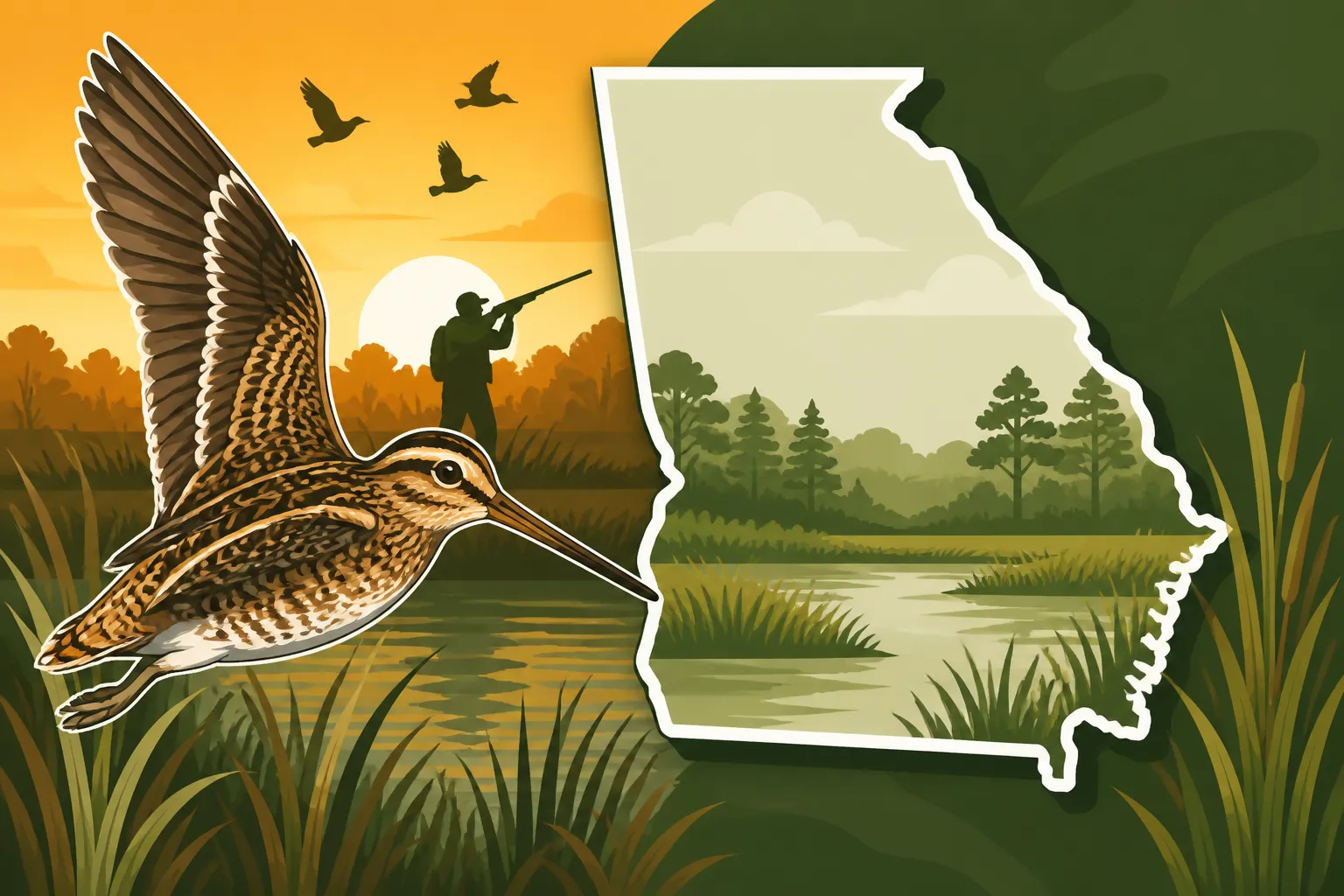
For many hunters, the idea of pursuing snipe in Georgia might bring a quizzical look. It’s not your typical deer or turkey hunt, and honestly, the birds are often overlooked, leading to a real missed opportunity for unique, challenging wing-shooting. If you’re like me, you’ve probably heard whispers of snipe season but haven't ever really known the specifics, feeling a bit lost on how to even start. This comprehensive guide is here to clear up all that confusion, giving you everything you need to know about Georgia's snipe season dates, regulations, and how to actually get out there and hunt these fantastic little birds.
Understanding Georgia's Snipe Season Dates and Regulations
Let's be honest, trying to keep up with all the different hunting seasons and regulations in Georgia can feel like a full-time job. Deer, turkey, waterfowl, small game—they all have their own specific windows, and migratory birds like snipe add another layer of complexity. But don't let that deter you! Snipe hunting offers a fantastic way to extend your time afield, particularly when other seasons might be closed or winding down. It’s a fast-paced, walk-and-flush style of hunting that can sharpen your shotgun skills like nothing else.
Official Season Dates
Georgia's snipe season, like other migratory bird seasons, is set annually by the Georgia Department of Natural Resources (DNR) in coordination with federal guidelines. These dates are generally pretty consistent year-to-year, typically running from mid-November through late February or early March. This means you've got a generous window to get out there, often overlapping with the later parts of deer season or providing action when everything else has quieted down. For example, if you're out hunting the late-season January rut lull, you might easily combine a deer scouting trip with a quick snipe hunt in the right bottomland areas. It’s always crucial to double-check the current year's Georgia DNR hunting regulations handbook, which you can usually find online through the Go Outdoors Georgia website or picked up at a local license vendor. Don't rely on memory; those dates can shift slightly!
Bag Limits and Shooting Hours
When you’re finally out there, boots on the ground, flushing birds, it’s easy to get caught up in the excitement. But remember, regulations are there for a reason, ensuring sustainable hunting opportunities for everyone. For snipe, the daily bag limit in Georgia is quite generous, typically set at eight birds per hunter. The possession limit is usually three times the daily bag limit, so 24 birds. That might seem like a lot, but trust me, getting eight snipe can be a real challenge! Shooting hours for snipe generally follow the federal migratory bird regulations, running from one-half hour before sunrise to sunset. This means you have a full day, from the crack of dawn to dusk, to pursue these fast-flying targets. Keeping an eye on your watch or using a reliable hunting app like GoHunt to track sunrise/sunset times is absolutely essential to stay within legal shooting hours.
Migratory Bird Requirements
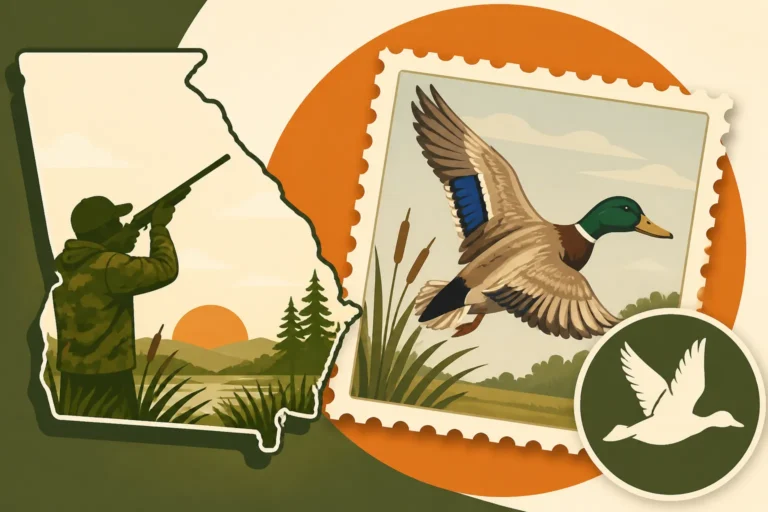
Hunting migratory birds in Georgia isn't just about having a valid hunting license. There are a couple of extra steps you need to take, and it’s super important to get these right before you ever step foot in the field. First off, you'll need to possess a current Georgia Migratory Bird Certification. This certification is free, but it registers you with the Migratory Bird Harvest Information Program (HIP). The data collected helps wildlife agencies better manage migratory bird populations. Secondly, if you’re over 16 years old, you’ll also need a valid Georgia Federal Duck Stamp Requirement. Even though snipe aren't ducks, the federal stamp is a requirement for hunting any migratory waterfowl or a multitude of migratory birds including snipe. These stamps contribute directly to wetland conservation efforts, which benefits snipe habitat right alongside ducks and geese. So, remember these two extra hoops—HIP certification and the federal duck stamp—are non-negotiable for a legal snipe hunt.
Here's a quick reference table for the typical snipe season specifics in Georgia:
| Regulation Aspect | Typical Georgia Snipe Rules | Important Notes |
|---|---|---|
| Season Dates | Mid-November to Late February / Early March | Always check current year's GA DNR regulations for exact dates, as they can vary slightly. |
| Daily Bag Limit | 8 Snipe | Eight birds per hunter per day. |
| Possession Limit | 24 Snipe (3x Daily Bag) | You can possess up to three days' worth of the daily bag limit. |
| Shooting Hours | One-half hour before sunrise to sunset | Federal migratory bird regulations apply. Use a reliable app or clock to track times. |
| License Required | Valid GA Hunting License + Migratory Bird Certification (HIP) + Federal Duck Stamp (for ages 16+) | Don't forget these specific migratory bird requirements! |
| Ammunition | Non-toxic shot is NOT required for snipe (but recommended if in waterfowl areas) | Lead shot is permissible for snipe, but check WMA-specific rules. If hunting near water, non-toxic is a good idea. |
Finding Your Snipe: Habitat and Scouting in Georgia
So, you’ve got your licenses, your stamps, and you know the dates. Now comes the real challenge: finding these elusive little speedsters. Snipe aren't like deer that leave obvious tracks or turkeys that gobble from the roost. They're masters of camouflage and can be incredibly difficult to spot until they burst from cover. This is where understanding their preferred habitat and putting in some scouting time really pays off.
Ideal Snipe Habitat and Scouting
Snipe are wetland birds, plain and simple. They thrive in damp, marshy areas, often on the edges of agricultural fields, shallow impoundments, flooded pastures, and boggy bottomlands. Think muddy edges, exposed mudflats, and short, sparse vegetation where they can probe for invertebrates with their long bills. They absolutely love a good puddle, ditch, or seep that stays wet throughout the winter. When scouting, you’re not necessarily looking for the birds themselves, but for their sign. Look for small, pencil-sized probing holes in the mud, which indicate they've been feeding. Areas that are too deep for wading boots or too dry won't hold snipe. You're looking for that sweet spot of ankle to shin-deep water, or just damp, squishy ground. A quick scout on a chilly afternoon, especially after a good rain, might reveal a prime spot. I often look for these areas when I'm out Hunting Georgia Swamp and River Bottom Deer, as the two habitats can sometimes overlap in terms of wet, low-lying ground, though snipe prefer more open, muddy stretches.
Public Land Opportunities
Georgia is blessed with a decent amount of public hunting land, and many of these areas can offer fantastic snipe opportunities. Wildlife Management Areas (WMAs) often have managed wetlands, beaver ponds, or flood-prone fields that can be snipe magnets. The key is to study WMA maps – look for areas marked as "seasonal wetlands," "beaver ponds," "impoundments," or low-lying fields adjacent to larger water bodies or creek systems. Some WMAs specifically managed for waterfowl will naturally create ideal secondary habitat for snipe. For instance, many of the WMAs along major river systems, like the Altamaha River, Oconee River, or even some areas near the coast, can be prime. Websites like GoHunt and the Georgia Outdoors app are incredibly helpful here, offering detailed aerial maps and public land boundaries. You can use these tools to identify potential snipe hotspots from the comfort of your home, saving you legwork. Don't be afraid to put boots on the ground and explore those less-traveled corners; you might just stumble upon your own hidden snipe honey hole.
Gaining Private Land Access
While public lands are great, don't overlook the potential of private lands for snipe. Farmers, especially those with cattle or row crops, often have low-lying fields, drainage ditches, or muddy depressions that become perfect snipe habitat after a rain. These areas might not be suitable for crops or pasture for a few weeks, making them less valuable to the landowner in the short term, but incredibly valuable to you as a hunter. My advice for Getting Private Land Permission in Georgia is always the same: be respectful, offer to help out, and be clear about what you want to hunt. Many landowners might not even realize they have snipe, or they might not care for them, making it an easier "ask" than for deer or turkey. Look for fields that show evidence of past flooding or areas where irrigation pivots leave consistently damp soil. Sometimes, these small, overlooked parcels, like Hunting Small Private Tracts in Georgia, can yield surprisingly good results.
Tactics and Gear for Successful Snipe Hunting
Alright, you’ve found a promising spot. Now, how do you actually hunt these things? Snipe hunting is not a sit-and-wait game; it's active, it's fast, and it will test your shooting skills. It’s also incredibly rewarding when you connect with one of these aerial acrobats.
Jump Shooting and Flushing
The most common and effective method for hunting snipe is jump shooting, also known as flushing. This involves slowly walking through prime habitat, deliberately trying to "jump" or flush birds from their hiding spots. Snipe typically hold tight, camouflaged perfectly against the mud and sparse vegetation, often only flushing when you're within 10-20 yards. When they do flush, it’s a sudden, explosive burst, often accompanied by a distinct, sharp "scape" call as they zig-zag rapidly away. This erratic flight pattern is what makes them such a challenge and so much fun to hunt!
A good strategy is to walk into the wind, if possible. This helps mask your approach and can sometimes cause the birds to flush slightly closer, giving you a better shot. Don't walk too fast; you want to give them time to get nervous but not so much time that they run off before you're in range. Pay attention to the edges of cover—thick clumps of grass or reeds bordering open mud can be prime holding spots. When one flushes, try to stay calm, shoulder your shotgun smoothly, and follow through with your swing. It often takes a few shots to get your rhythm, so don't get discouraged if you miss the first few. It's a true test of reaction and wing-shooting skill, similar to Pass-Shooting Georgia Wood Ducks over a beaver pond, where the birds are fast and the windows of opportunity are fleeting.
Gear and Shotgun Considerations
For snipe, simplicity is key, but good gear certainly helps.
- Shotgun: A lightweight 12 or 20 gauge shotgun is ideal. Since you’ll be walking a lot, a lighter gun will be much appreciated. An open choke, like an Improved Cylinder or even Skeet, is perfect for the close-range, fast-flushing shots you’ll encounter. You can read more about options in Shotguns for Georgia Quail and Dove, as many of the same principles apply.
- Ammunition: Smaller shot sizes are the way to go for snipe. #7.5 or #8 lead shot in a light field load is typically plenty. You're shooting a small bird at close range, so dense patterns are more important than heavy hitting power. Non-toxic shot isn't required for snipe in most areas, but if you're hunting wetlands also frequented by waterfowl, it's always a good idea to use steel or other non-toxic alternatives to minimize lead deposition in the environment. Always check local WMA rules, as some areas may require non-toxic shot for all hunting.
- Footwear: This is crucial. You’ll be in mud and water, so waterproof boots are a must. Knee-high rubber boots or even chest waders will save you a lot of misery, depending on how wet the area you’re hunting is. There’s nothing worse than cold, wet feet ending a hunt prematurely.
- Clothing: Layering is always smart, but especially for snipe season, which spans from late fall into early spring. You might start a November morning chilly but quickly warm up once you start walking. Breathable, quick-drying fabrics are your friends. For those early season hunts, consider Lightweight Layering for Warm-Weather Sits to stay comfortable. Don't forget bug spray for those milder days, as mosquitoes and gnats can still be a nuisance in damp areas.
- Dog: A good flushing dog, particularly a Springer Spaniel or Labrador Retriever, can be an incredible asset. They’ll cover ground more efficiently, flush birds you might walk past, and most importantly, retrieve downed birds in thick cover that you might otherwise lose.
Weather and Environmental Factors
Weather plays a significant role in snipe hunting success. Cold fronts, especially those that bring freezing temperatures further north, can push more snipe down into Georgia, increasing local populations. A steady diet of rain leading up to your hunt will also keep the habitat moist and ideal. However, too much rain can flood out prime spots, making them too deep for snipe to feed or for you to wade.
Conversely, extended dry spells can dry up wetlands, forcing snipe to move on in search of wetter grounds. Always check the recent weather patterns for your chosen hunting area. A quick drive-by scout after a rain event is often more effective than relying solely on maps. Consider the local water levels—is that normally muddy patch currently a dry, cracked bed, or is it perfectly saturated? These are the details that will determine if your hunt is a bust or a boom. Learning to read the subtle environmental cues is part of the art of hunting these small, migratory treasures, just as understanding weather patterns helps with Georgia Waterfowl Hunting on Coast and Swamp.
The Elusive Rewards of Georgia Snipe Hunting
Snipe hunting isn’t for the faint of heart or the easily frustrated. These birds are small, fast, and their erratic flight path can humble even the most experienced wing-shooter. But that’s precisely where the immense satisfaction comes from.
The Elusive Nature of Snipe
There’s a reason the term "sniper" comes from "snipe." Hitting these birds in flight demands exceptional hand-eye coordination and quick reflexes. They don't fly in straight lines like doves; they rocket off, juking and jiving, creating a true aerial challenge. You might walk for an hour, flush five birds, and only get one shot off, let alone hit one. This can be frustrating, especially if you're used to easier targets.
Sometimes, you'll hear them "scape" as they flush, but never even see the bird itself because it disappeared into the sky so quickly. Other times, they'll flush silently, and you'll suddenly find yourself swinging on a tiny target against a complex background of trees and sky. This constant challenge is part of the allure. It forces you to improve your instincts, your gun mount, and your follow-through. It's a real masterclass in shotgunning. Plus, getting to explore some of Georgia's quieter, often overlooked wetland areas is a reward in itself.
The Joy of a Successful Hunt
Despite the difficulty, connecting with a snipe is an incredibly satisfying experience. That feeling of hitting a fast-flying, zig-zagging target and watching it fold out of the sky is pure exhilaration. It’s a testament to your focus and skill. And while they're small, snipe are surprisingly delicious game birds, offering a rich, dark meat that's a true delicacy. A successful day often means a few birds for the table, offering a unique culinary experience that many hunters never get to try.
Beyond the shooting, a snipe hunt is often a peaceful, solitary experience. You’re out walking, often in beautiful, wild settings, with just the sounds of nature around you. It’s a chance to unwind, enjoy the outdoors, and challenge yourself in a different way. Whether you bag a limit or just a couple, the experience of a Georgia snipe hunt—the fresh air, the physical exertion, the mental focus, and the thrill of the flush—is a truly rewarding one, keeping you engaged and out in the field during parts of the season that might otherwise be quiet.
Disclaimer
Please note that hunting regulations, season dates, and license requirements can change. Always consult the most current Georgia Department of Natural Resources (DNR) official regulations before planning any hunting trip to ensure compliance with all state and federal laws. This guide is for informational purposes only and should not be considered legal advice.