Georgia Woodcock Season Dates
There's a quiet magic to chasing timberdoodles in the late fall and early winter woods of Georgia, a pursuit often overshadowed by the rush of deer season or the excitement of duck blinds. But for those of us who appreciate the subtle challenges and unique rewards, trying to pin down the exact Georgia woodcock season dates can feel like trying to catch smoke. This guide is dedicated to clearing up the confusion, giving you all the details you need to plan your hunts for these elusive migratory birds.
The Allure of Woodcock Hunting in Georgia's Coverts
Many hunters in Georgia grow up thinking about deer, turkey, or even quail, but the American woodcock, often affectionately called a "timberdoodle," offers a completely different kind of challenge and an incredibly rewarding experience. These little migratory birds are truly unique, and hunting them in the dense, damp coverts of Georgia can become an addiction for those who embrace the quest.
Why Woodcock are a Unique Challenge for Upland Hunters
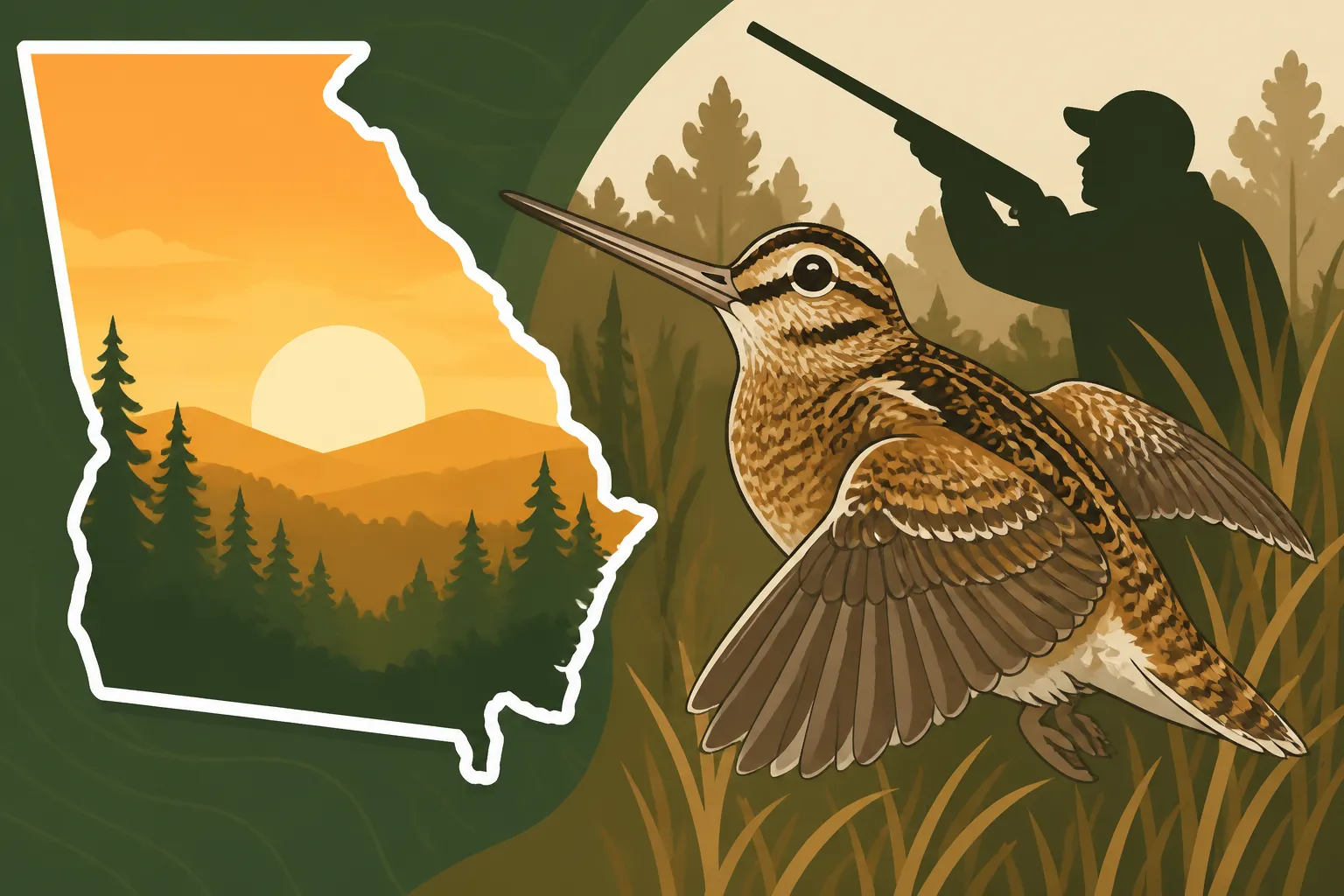
Unlike the explosive covey flush of a bobwhite quail in a pine savanna, the woodcock offers a more unpredictable, almost ethereal rise. They're masters of camouflage, blending perfectly into the leaf litter and shadows of the forest floor, often holding tight until you're nearly stepping on them. When they do flush, it's a whirring, spiraling flight through thick timber, demanding quick reflexes and precise shooting skills. Their erratic flight path, coupled with the dense habitat they prefer, means you're rarely taking an easy, open shot. This isn't a long-range game; it's up close and personal, a true test of snap-shooting. The sheer joy of successfully connecting with one of these quirky birds, with its long bill and oversized eyes, is something truly special. It's a game of patience, observation, and respect for a bird that seems to appear and disappear like a phantom. The quiet anticipation as your dog locks up on point in a tangle of briars, knowing a woodcock is tucked in there somewhere, is a thrill unlike any other.
The solitary nature of the woodcock, often found singly or in very small groups, adds to the mystique. You're not looking for a large concentration, but rather individual birds taking refuge in prime feeding and resting spots. This means covering a lot of ground, paying close attention to every detail of the habitat, and trusting your instincts, or even better, a well-trained dog. Their diet of earthworms means they favor soft, moist soil, which dictates their preferred cover. Understanding these subtle preferences is key to consistently finding them.
Essential Licenses and Certifications for Georgia Migratory Birds
Before you even think about loading up your shotgun and heading to the woods, you've got to make sure your paperwork is in order. Hunting migratory birds in Georgia, including woodcock, requires more than just a standard hunting license. It's easy to overlook these extra steps, but failing to secure them can lead to hefty fines and a ruined hunt. Think of it as your entry ticket to a very exclusive, rewarding club.
First and foremost, every hunter needs a valid Georgia hunting license. This is your baseline. You can find comprehensive information on obtaining this, along with details on all the various options and costs, by checking out resources like Georgia Hunting Licenses and What They Cost. Whether you're a resident or non-resident, there's a license type that fits your situation, and you can usually purchase them conveniently online through the Go Outdoors Georgia platform.
Beyond the basic license, migratory bird hunters face specific federal requirements. This includes the Georgia Migratory Bird Stamp, which helps fund crucial conservation efforts. It's a small additional cost, but it goes a long way in protecting the habitats these birds rely on during their long journeys. For specific details on this, you can look into the Georgia Migratory Bird Stamp Cost. Another critical component is the Harvest Information Program, or HIP certification. This is a federal requirement that helps wildlife agencies gather vital harvest data to manage migratory bird populations effectively. It's usually a quick, free registration process that you complete when purchasing your state license, but it's often forgotten. Without proper Georgia Migratory Bird Certification, you're simply not legal to hunt woodcock or any other migratory bird. Furthermore, if you're a younger hunter or new to the sport, don't forget the Georgia Hunter Education Requirements. Making sure all these ducks are in a row beforehand ensures your hunt is not only enjoyable but also fully compliant with state and federal regulations.
Navigating Georgia's Woodcock Season Dates and Regulations
Understanding the precise season dates and regulations for woodcock in Georgia is paramount. Unlike some resident game species with lengthy, single seasons, woodcock, as migratory birds, often have shorter, sometimes split seasons dictated by federal frameworks and state wildlife agencies. Getting these details wrong can mean missing out on prime hunting opportunities or, worse, running afoul of the law.
Official Season Dates and Bag Limits
For the dedicated woodcock hunter in Georgia, knowing exactly when you can hit the coverts is the first step in planning your season. The Georgia Department of Natural Resources (DNR) sets these dates annually, typically falling in the colder months when woodcock have migrated south into the state. It's crucial to always check the most current Georgia Hunting Regulations prior to your hunt, as dates can sometimes see minor adjustments year to year.
Currently, for the 2023-2024 season, Georgia's woodcock season runs from December 9, 2023, through January 31, 2024. This roughly eight-week window provides ample opportunity for hunters to pursue these fascinating birds as they overwinter in Georgia's favorable habitats. This singular, continuous season makes planning a bit simpler than some other migratory bird seasons which might be split into multiple segments. You've got a solid block of time to explore those damp bottomlands and thickets.
Regarding bag limits, woodcock also have specific restrictions to ensure sustainable populations. The daily bag limit for woodcock in Georgia is 3 birds. This means you can harvest no more than three woodcock in a single day. The possession limit, which is the total number of birds you can have on your person or in your immediate control, whether in the field, transporting, or at home, is 9 birds. This possession limit allows hunters to take multiple trips over several days without exceeding the legal carry limit. Adhering to these limits is vital for conservation and maintaining healthy migratory populations. Finally, remember that shooting hours for woodcock, like most migratory game birds, extend from one-half hour before sunrise to sunset. This gives you a generous window for morning and evening hunts, but always be mindful of legal shooting light.
To help you keep track, here's a quick reference table for the current Georgia woodcock season:
| Item | Detail |
|---|---|
| Season Dates | December 9, 2023 – January 31, 2024 |
| Daily Bag Limit | 3 birds |
| Possession Limit | 9 birds |
| Shooting Hours | ½ hour before sunrise to sunset |
| Required Licenses | GA Hunting License, GA Migratory Bird Stamp, HIP Certification |
Understanding Georgia's HIP Certification and Federal Requirements
Beyond the Georgia-specific license and stamp, there are federal layers to hunting migratory birds that are absolutely non-negotiable. The most significant of these is the Harvest Information Program, or HIP certification. This isn't just a suggestion; it's a mandatory registration for anyone hunting migratory game birds in Georgia, including woodcock. The U.S. Fish and Wildlife Service, in cooperation with state agencies like the Georgia DNR, uses HIP to collect harvest data. When you register, you answer a few simple questions about your previous year's hunting success, which helps biologists make informed decisions about season lengths and bag limits to ensure future generations can also enjoy these hunts. It’s a small step that has a big impact on conservation.
It’s surprisingly easy to forget about HIP, especially if you primarily hunt deer or turkey. Many hunters assume their general hunting license covers everything, but migratory birds are different. You must certify each year, even if you didn't hunt migratory birds the previous season. This certification is typically free and can be done quickly online when you purchase your Georgia Migratory Bird Stamp Cost or general license through the Go Outdoors Georgia website or an authorized license vendor. Don't skip it! Without it, any woodcock you harvest, even if within legal dates and limits, is considered illegally taken.
Furthermore, these federal regulations underscore the importance of understanding the larger context of migratory bird management. Woodcock travel vast distances, often using the major flyways across North America. While they might not be specifically following the coastal routes often associated with Georgia Waterfowl on the Atlantic Flyway, they are indeed part of that broader migratory movement. This means that harvest numbers and population data from Georgia contribute to a continent-wide picture, influencing regulations across multiple states and even international agreements. By diligently acquiring your licenses and certifications, you’re not just staying legal; you’re participating in a long-standing tradition of conservation that ensures these magnificent little birds continue to thrive.
Finding the Timberdoodle: Habitat and Scouting Strategies
You can have the best shotgun and the sharpest dog, but if you're not hunting in the right places, you're just taking a walk in the woods. Woodcock are incredibly habitat-specific, and understanding their preferences is the single most important factor in finding them consistently in Georgia. They aren't everywhere, but where they are, they often concentrate.
Prime Habitats for American Woodcock in Georgia
Woodcock are primarily insectivores, with earthworms making up the bulk of their diet. This dictates their habitat preferences: they need soft, moist, easily probed soil, along with dense cover for protection from predators and the elements. In Georgia, this translates to specific types of low-lying, regenerating woodlands. Forget the open pine plantations; woodcock thrive in younger, thicker growth.
Look for areas with moist, loamy soil, often found in creek bottoms, along the edges of swamps, or in low-lying fields that have recently undergone natural succession. Alder thickets are a classic woodcock haunt in other parts of the country, and while less common in extensive stands here, any dense, young deciduous growth can hold them. Abandoned agricultural fields that are reverting to forest, especially those with a thick growth of small saplings, briars, and brush, are prime candidates. Newly timbered areas that are starting to regenerate, particularly those with a mix of sweetgum, privet, and other small hardwoods, can also be productive. These dense areas provide the overhead cover woodcock need to feel secure, while the soft, damp ground below offers a buffet of earthworms. Thinking about prime locations for deer, like those found in Hunting Georgia Bottomland Hardwoods, often puts you in the general vicinity of good woodcock coverts, as both species appreciate the cover and moisture.
The key is identifying these transitional habitats that are neither mature, open forest nor completely open fields. Woodcock are masters of utilizing edges and dense pockets. As winter progresses, and colder temperatures push them further south, these pockets in Georgia become vital wintering grounds. Their presence is transient, dependent on weather patterns and the availability of food. A particularly hard freeze up north can push a fresh wave of birds into Georgia, making a previously barren covert suddenly come alive.
Scouting Before and During the Season
Unlike deer, woodcock don't leave massive tracks or rub lines, so scouting for them requires a keen eye for subtle signs. You're looking for proof of their presence, not necessarily their exact travel patterns. The good news is, woodcock leave very distinctive calling cards that can confirm their presence in a likely covert.
The primary signs to look for are "splash" and "probe holes." "Splash" refers to their unique, chalky white droppings, often found clustered in preferred feeding and roosting areas. These white splatters against the brown leaf litter are unmistakable once you know what to look for. Think of them as tiny, natural targets indicating a woodcock has been busy here. "Probe holes" are small, pencil-sized holes in the soft ground where they've used their long bills to extract earthworms. Finding these two signs together is like hitting the jackpot – it tells you woodcock are actively using that specific patch of cover for feeding and resting. When you're out Scouting Georgia Public Land Before Season for other game, always keep an eye out for these tell-tale signs in potential woodcock habitat.
Scouting doesn't just happen before the season; it's an ongoing process. As the season progresses and conditions change, woodcock might shift their preferred areas. A heavy rain can make a previously dry patch suddenly attractive, while a hard freeze might push them out of an area with frozen ground. Walking likely coverts, even without a dog, can help you identify fresh splash and probe holes. Pay attention to areas with good canopy cover overhead to protect them from raptors, but also enough open ground underneath for them to move and feed. If you're planning a trip to a new area, using aerial maps to identify those dense, low-lying, brushy areas can be a great starting point to narrow down your search, then follow up with boots on the ground to confirm presence.
Gear and Tactics for a Successful Georgia Woodcock Hunt
Once you've identified the prime habitats and secured your licenses, it's time to think about the practicalities of the hunt. Woodcock hunting demands specific gear and a particular approach, mostly due to the dense cover they inhabit and their unique flight characteristics.
Shotguns, Loads, and Choke Selection
When it comes to woodcock hunting in Georgia's thick cover, lighter, faster-swinging shotguns are typically your best friend. This is not the place for long, heavy barrel trap guns. Shots are generally close, fast, and through a maze of branches. Many upland hunters prefer a 20-gauge, 28-gauge, or even a .410 for woodcock. These smaller gauges are lighter to carry through dense cover all day and deliver enough punch for the small-bodied woodcock at typical shooting distances. The quick mounting and swing characteristics of these guns can make all the difference when a bird flushes just feet away. You can find excellent advice on appropriate firearms by looking into guides like Shotguns for Georgia Quail and Dove, as many of the same principles apply.
For ammunition, small shot sizes are the way to go. #7.5, #8, or even #9 shot are perfectly adequate for woodcock. Their delicate build means you don't need heavy loads, and the higher pellet count of smaller shot increases your chances of connecting in dense cover. A lighter load also means less recoil, which is always a plus during a long day of walking.
Choke selection is perhaps the most critical gear decision for woodcock. Because shots are almost always close-range, often within 15-25 yards, a wide pattern is essential to compensate for the bird's erratic flight and your snap-shooting through branches. Improved Cylinder (IC) or Skeet (SK) chokes are ideal. Some hunters even run a Cylinder choke in their first barrel for the closest shots, followed by an IC in the second barrel of a double gun. The goal is to open up your pattern as much as possible to give you a forgiving spread. This is a very different approach than what you might use for pass-shooting doves, and understanding the nuances of Choke Choice for Fast Covey Flushes is directly applicable here. Over-choking is a common mistake that leads to missed birds and frustrated hunters. Remember, you're not trying to reach out and touch them; you're trying to blanket a small area quickly.
The Indispensable Role of Good Bird Dogs
While it's technically possible to hunt woodcock without a dog, it's akin to fishing without a reel – you're missing out on a significant part of the experience and drastically reducing your success rate. For many, woodcock hunting is truly a dog sport, where the partnership between hunter and canine creates unforgettable moments. A good bird dog, whether a pointing breed or a flushing breed, is not just a companion; it's an indispensable tool.
Pointing breeds, such as English Pointers, Setters, and German Shorthairs, excel at finding and holding woodcock. The thrill of watching a dog lock up on a solid point in a dense briar patch, its tail straight and nose quivering, is something every upland hunter cherishes. These dogs help you locate birds that you would undoubtedly walk past, making the hunt far more efficient and productive. Their ability to pinpoint a bird's exact location allows you to position yourself for the best possible shot when the woodcock flushes. The unique scent of a woodcock can sometimes be tricky, so a dog with an excellent nose is paramount. Hunters who enjoy Working Pointing Dogs on Wild Georgia Quail will find their skills transfer directly to woodcock.
Flushing breeds like English Springer Spaniels or Cocker Spaniels are also highly effective, particularly in the thick cover woodcock prefer. These dogs systematically work through the dense brush, pushing birds out into shooting range. While they don't offer the classic "point", their relentless energy and ability to cover ground ensure that no bird is left un-flushed. Regardless of the breed, a woodcock dog needs to be a close-working dog. This isn't a sport for wide-ranging, big-running dogs, as the cover is too dense and the birds hold too tight. Furthermore, a reliable retrieve is crucial. Woodcock, with their dark plumage, can be incredibly difficult to find in thick leaf litter after being shot. A dog that can mark a fall and bring the bird back to hand saves countless hours of searching and prevents lost game. Remember, safety for your canine companion is also important in these thorny environments, so consider protective vests if the cover is particularly nasty.
Disclaimer
Hunting is an inherently dangerous activity. This guide is for informational purposes only and does not substitute for understanding and adhering to all current Georgia hunting regulations, federal laws, and safety guidelines. Always review the official Georgia Department of Natural Resources hunting regulations booklet before participating in any hunting activity. Be mindful of property boundaries, obtain proper permissions, and prioritize ethical hunting practices and safety at all times.