Georgia Special Youth Hunt Windows
It can be incredibly challenging to find dedicated hunting opportunities where young hunters can truly shine and build confidence without the intense pressure of adult seasons. Many parents and mentors struggle to navigate the specific rules and dates designed to introduce the next generation to our outdoor traditions. This comprehensive guide is here to demystify Georgia's special youth hunt windows, providing you with all the details you need to plan successful and memorable experiences for the young outdoors enthusiasts in your life.
Why Georgia Prioritizes Youth Hunting Opportunities
Georgia's wildlife agencies understand the critical role that early exposure plays in fostering a love for hunting and conservation. These special youth seasons aren't just about giving kids a chance to hunt; they're about creating an environment that minimizes competition, maximizes learning, and prioritizes safety and ethical hunting practices. When we invest in our youth hunters, we're investing in the future of our wildlife and the rich heritage of Georgia hunting.
The Importance of Passing on the Tradition
For many of us, hunting isn't just a pastime; it's a legacy. The memories forged in a deer stand or a turkey blind with a parent or mentor last a lifetime. These dedicated youth hunts are designed to make those moments more accessible and less intimidating. Imagine a crisp fall morning, sitting quietly with a young hunter, teaching them to identify tracks, understand wind direction, or call in a gobbler. These are the experiences that shape future conservationists. Without dedicated opportunities, it can be hard to pull kids away from screens and into the woods, especially when regular seasons are crowded and demanding.
Defining Eligible Youth Hunters
So, who qualifies for these special opportunities? Generally, a youth hunter in Georgia is anyone under the age of 16. However, it's crucial to always check the most current Georgia Department of Natural Resources (DNR) regulations, as specific age ranges can sometimes apply to different hunt types or mentored programs. For most youth-only deer and turkey weekends, hunters typically need to be 16 years old or younger. Often, they must be accompanied by an adult who holds a valid hunting license but is not permitted to hunt during the youth-only window. This setup ensures supervision and mentorship without the added pressure of the adult also trying to fill a tag. For more detailed information on specific age requirements and supervision, refer to the official Georgia Youth Deer Hunt Rules.
Specific Georgia Youth Hunt Windows
Georgia offers several fantastic opportunities specifically tailored for young hunters, focusing primarily on deer, turkey, and certain migratory birds. These windows are strategically placed to give youth a head start or a less crowded experience, often before or after the main statewide seasons.
Youth Deer Hunting Opportunities
One of the most anticipated special seasons for young hunters is the Youth Deer Weekend. This usually occurs in mid-October, right before the statewide primitive weapons season and often coincides with prime deer activity. It’s a fantastic chance for kids to pursue deer when the weather is often pleasant and deer are moving well, but before hunting pressure from the general firearm season peaks. This early season helps teach patience and woodsmanship without the added distraction of numerous other hunters in the woods. Many parents find this weekend invaluable for teaching everything from tracking to shot placement. For those curious about the overall calendar, understanding the Georgia Deer Season Structure Explained really helps.
The rules for this weekend typically allow legal deer weapons, including firearms, archery equipment, and primitive weapons, depending on the specific regulations of the county or Wildlife Management Area (WMA). During this time, youth hunters can take antlered or antlerless deer, adhering to the statewide bag limits. It’s important to note that the accompanying adult cannot hunt during this specific weekend. It’s all about the youth. Some WMAs might also offer specific quota hunts or special youth-only sections during other parts of the season, so always check the WMA hunt schedule thoroughly if you plan on public land. Our guide on Hunting the Georgia Youth Deer Weekend delves deeper into tactics for this special time.
Youth Turkey Hunting Weekend
Just like with deer, Georgia dedicates a special weekend for youth turkey hunters. This often occurs a week or two before the general private-land turkey season opener in March, or sometimes right before the public land opener in April. This gives young hunters a unique chance to chase gobblers when they are often less pressured and more vocal. Imagine the thrill of calling in a big tom with your child, teaching them the nuances of setting up against a tree, identifying soft yelps versus excited gobbler calls, and the importance of stillness.
This early access allows youth to experience the magic of spring turkey hunting without competing with a large number of adult hunters, which can make a huge difference in success rates and overall enjoyment. The accompanying adult can call for the youth and provide guidance but cannot carry a firearm or hunt during this youth-only period. Just like deer, ensure you know the current Georgia Spring Turkey Season Rules for bag limits and specific dates, as these can vary slightly year to year. Our detailed article on The Georgia Youth Turkey Weekend covers more specific advice.
Youth Migratory Bird Hunts
While less publicized than deer and turkey, Georgia also offers special youth-only days for migratory birds, particularly doves and sometimes waterfowl. These hunts are fantastic for introducing young shooters to wing-shooting in a controlled and often less competitive environment.
- Youth Dove Hunts: Typically held a week or two before the regular dove season opens, these hunts provide an excellent opportunity for kids to learn about shotgun safety, proper lead, and bird identification. Many dove fields that are open for youth hunts are managed to ensure a good number of birds, maximizing the chances for young hunters to get some shooting practice. The atmosphere is usually more relaxed, focusing on fun and learning. These are prime opportunities to learn about Working a Dove Field on Opening Day with less pressure.
- Youth Waterfowl Hunts: Occasionally, specific youth waterfowl days are offered, often on certain WMAs. These days are invaluable for teaching the intricacies of decoy spreads, calling, and identifying different duck species. Given the early morning starts and often challenging conditions of waterfowl hunting, these dedicated days help foster resilience and a deep appreciation for wetland habitats. Always check the migratory bird regulations and specific WMA schedules, and remember that federal migratory bird requirements, like the Georgia Migratory Bird Certification, still apply.
Preparing for Georgia Youth Hunts
Success and enjoyment in youth hunts often come down to preparation. It’s about more than just showing up; it’s about making sure your young hunter is ready, safe, and excited for the experience.
Licensing and Hunter Education Requirements
Before any young hunter can participate in these special seasons, they must meet Georgia's licensing and hunter education requirements. While minors under a certain age (often 16) may not need a full hunting license if accompanied by a properly licensed adult, they typically still need to complete a hunter education course. This course covers vital topics like firearm safety, wildlife identification, ethics, and basic survival skills. It's a foundational step to becoming a responsible hunter.
Georgia offers various ways to complete hunter education, including online courses followed by a field day, or traditional classroom settings. Make sure this is completed well in advance of the season. Additionally, while the youth themselves might not always need a license, the accompanying adult always needs a valid Georgia hunting license, and sometimes a big game license or other specific permits depending on the species. You can easily purchase licenses and check specific requirements through the Georgia Wildlife Resources Division's Go Outdoors Georgia portal. For a full breakdown, check out Georgia Hunting Licenses and What They Cost and Georgia Hunter Education Requirements.
Scouting and Planning the Hunt
Just like any successful hunt, scouting is paramount, even more so when hunting with youth. Youngsters have shorter attention spans and less patience, so putting them in a situation with a higher chance of success is key.
- Pre-Season Reconnaissance: Use the off-season to walk potential hunting spots. Look for deer trails, rub lines, scrapes, and food sources like acorns or persimmons. For turkey, identify roosting areas and strut zones. Tools similar to those you might research on platforms like GoHunt can provide valuable aerial imagery and public land boundary information, helping you identify potential pinch points or travel corridors from home.
- Choosing the Right Spot: Consider accessibility, safety, and comfort. A blind that's easy to get to, away from heavy foot traffic, and offers a relatively clear shot at likely deer movement will be more effective than a remote, hard-to-reach treestand. On public land, this often means going a bit further than the casual hunter. Read up on Scouting Georgia Public Land Before Season for tips on finding those less-pressured areas. If you're on private land, consider a field edge with good cover, similar to advice in Setting Up on a Piedmont Field Edge.
- Weather Considerations: Georgia weather can be unpredictable, especially in October or early spring. Plan for layers, rain gear, and bug repellent. A comfortable hunter is a patient hunter.
Essential Gear for Young Hunters
Having the right gear makes a huge difference in a youth hunt. It’s not just about the gun or bow; it’s about comfort, safety, and practicality.
- Appropriate Firearms or Bows: Ensure the young hunter has a firearm that fits them well, with manageable recoil. A .243 Winchester or a 7mm-08 Remington are popular choices for deer, offering light recoil and sufficient power. For turkeys, a 20-gauge shotgun is often a good fit. Similarly, for archery, ensure the bow's draw weight and length are suitable. Practice, practice, practice at the range is crucial.
- Safety Equipment: Blaze orange or pink is a must during firearms seasons, even for youth. Many youth hunts require a certain amount of visible orange. A quality safety harness is non-negotiable for treestand hunting. Always bring a well-stocked first-aid kit.
- Comfort and Clothing: Georgia’s warm and humid climate, even in October, demands breathable, lightweight clothing. Investing in good Warm-Weather Clothing for Georgia Hunters will prevent overheating and discomfort. Bring plenty of water and snacks.
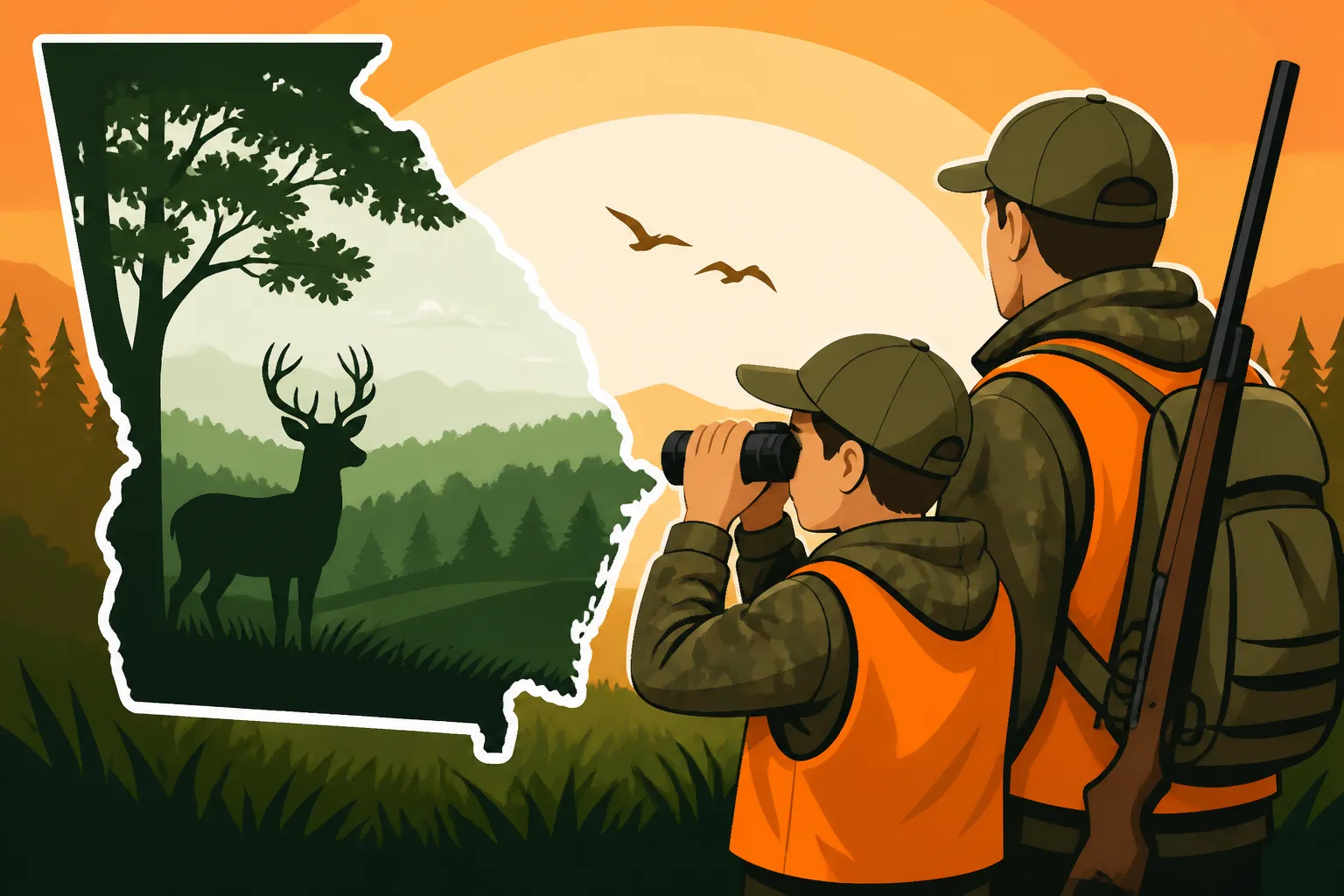
- Optics and Accessories: A good pair of binoculars helps young hunters learn to spot game and appreciate the natural world around them. Headlamps for early morning walks in or late evening walks out are also crucial for safety.
- Game Processing Gear: Have gloves, a sharp knife, and a plan for cooling the animal, especially on warmer days. Teaching a young hunter how to properly field dress their harvest is a vital part of the experience.
Making the Most of the Youth Hunting Experience
Beyond the technicalities of licenses and gear, the true success of a youth hunt lies in the experience itself. It’s about building a foundation of respect, knowledge, and connection to nature.
Focusing on Learning, Not Just the Harvest
While harvesting an animal is often the goal, the focus with youth hunters should always be on the journey. Teach them about wildlife identification, animal behavior, and the importance of ethical hunting. Point out different trees, listen to bird calls, and identify tracks. Even if no game is seen, a day in the woods is never a wasted day. This low-pressure environment allows for more teaching moments and less anxiety about "getting something."
Building Patience and Resilience
Hunting requires immense patience, a virtue that isn't always easy for youngsters to grasp immediately. Use these hunts as opportunities to teach them about sitting still, observing, and understanding the rhythms of the forest. Don't be afraid to take breaks, explore a bit, or even just talk quietly. These experiences build resilience and a deeper connection to the outdoors, helping them appreciate the nuances of the hunt itself, rather than just the outcome.
Encouraging Responsibility and Ethics
From respecting private property lines to understanding shot placement and humane harvesting, youth hunts are prime opportunities to instill a strong ethical compass. Discuss the importance of only taking clean, ethical shots and retrieving any animal they pursue. Teach them the value of the animal and the role of hunting in conservation. This isn't just about fun; it's about raising responsible stewards of Georgia's natural resources. Seeing how their actions contribute to the management of species like White-Tailed Deer Across Georgia or Wild Turkeys in Georgia can be incredibly impactful.
Documenting the Memories
Take photos (discreetly and respectfully, of course) and encourage your young hunter to keep a journal of their experiences. These memories will be cherished for years to come. The stories shared around a campfire or at the dinner table after a successful (or even unsuccessful) hunt are often the most valuable takeaways.
Here's a quick summary of key youth hunt windows:
| Species | Typical Season Window | Key Feature | Accompanying Adult Status |
|---|---|---|---|
| Deer | Mid-October (varies by year, check regulations) | Occurs before statewide primitive/firearms season, lower pressure | Must be licensed, CANNOT hunt |
| Turkey | Week/two before private/public land opener (March/April) | Early access to less-pressured gobblers, focuses on calling and setup | Must be licensed, CANNOT hunt |
| Doves | Week/two before statewide dove opener (Sept) | Excellent introduction to wing-shooting, managed fields often available | Must be licensed, CANNOT hunt |
| Waterfowl | Select days/WMAs, check specific regulations | Dedicated days for duck/goose hunting, great for learning marsh etiquette | Must be licensed, CANNOT hunt |
This table provides a general overview. Always double-check the current year's Georgia DNR regulations for precise dates and specific rules, as they can sometimes shift.
By leveraging these special youth hunt windows and approaching them with a focus on education, safety, and enjoyment, you can help cultivate the next generation of passionate and ethical hunters in Georgia. It's an investment that pays dividends for both the individual and the future of our cherished outdoor traditions.
Disclaimer
Please remember that hunting regulations in Georgia can change. Always consult the latest official Georgia Department of Natural Resources (DNR) hunting regulations and guidelines before planning any hunting activity. This content is for informational purposes only and should not be considered legal advice or a substitute for official resources.