Georgia Alligator Zone Preferences
Getting an alligator tag in Georgia can feel like winning the lottery, and when you finally get the chance, choosing the right zone preference on your application can be incredibly daunting. It’s easy to feel lost trying to figure out which areas offer the best odds or the kind of hunt you’re truly looking for. This guide is here to walk you through Georgia's alligator management zones, break down the preference system, and help you strategize your choices to maximize your chances and hunting satisfaction.
Understanding Georgia's Alligator Management Zones
Georgia manages its alligator population through a carefully structured quota hunt system, dividing the state into various zones to distribute hunting pressure and ensure sustainable populations. Each zone has its unique characteristics, challenges, and opportunities, making your choice of preference much more than just picking a random area.
Defining the Zones: Why They Exist
The Georgia Department of Natural Resources (DNR), specifically the Wildlife Resources Division (WRD), establishes these alligator management zones primarily to manage population levels effectively within different river systems and ecosystems. Alligators don't just exist uniformly across the state; their populations are denser and more widespread in the coastal plain and southern river drainages, becoming less common as you move north. By segmenting the state into these zones – often defined by major river basins like the Altamaha, Ocmulgee, Oconee, Satilla, and Suwannee, or specific geographic areas like the Okefenokee Swamp region – the DNR can issue a specific number of tags (quotas) for each area. This ensures that harvest levels don't negatively impact local populations, while also providing recreational opportunities for hunters. Without this zonal management, hunting pressure could concentrate in easily accessible areas, leading to localized population declines and diminished quality hunts.
Think about it: the habitat in the lower Altamaha River, with its vast marshlands and slow-moving blackwater, is vastly different from a smaller, more isolated pond in the upper reaches of another river system. These zones acknowledge those ecological differences, allowing for tailored management strategies that reflect actual alligator densities and local ecosystem health. This meticulous approach is critical for the long-term health of the species and the sport in Georgia.
Key Characteristics of Each Zone
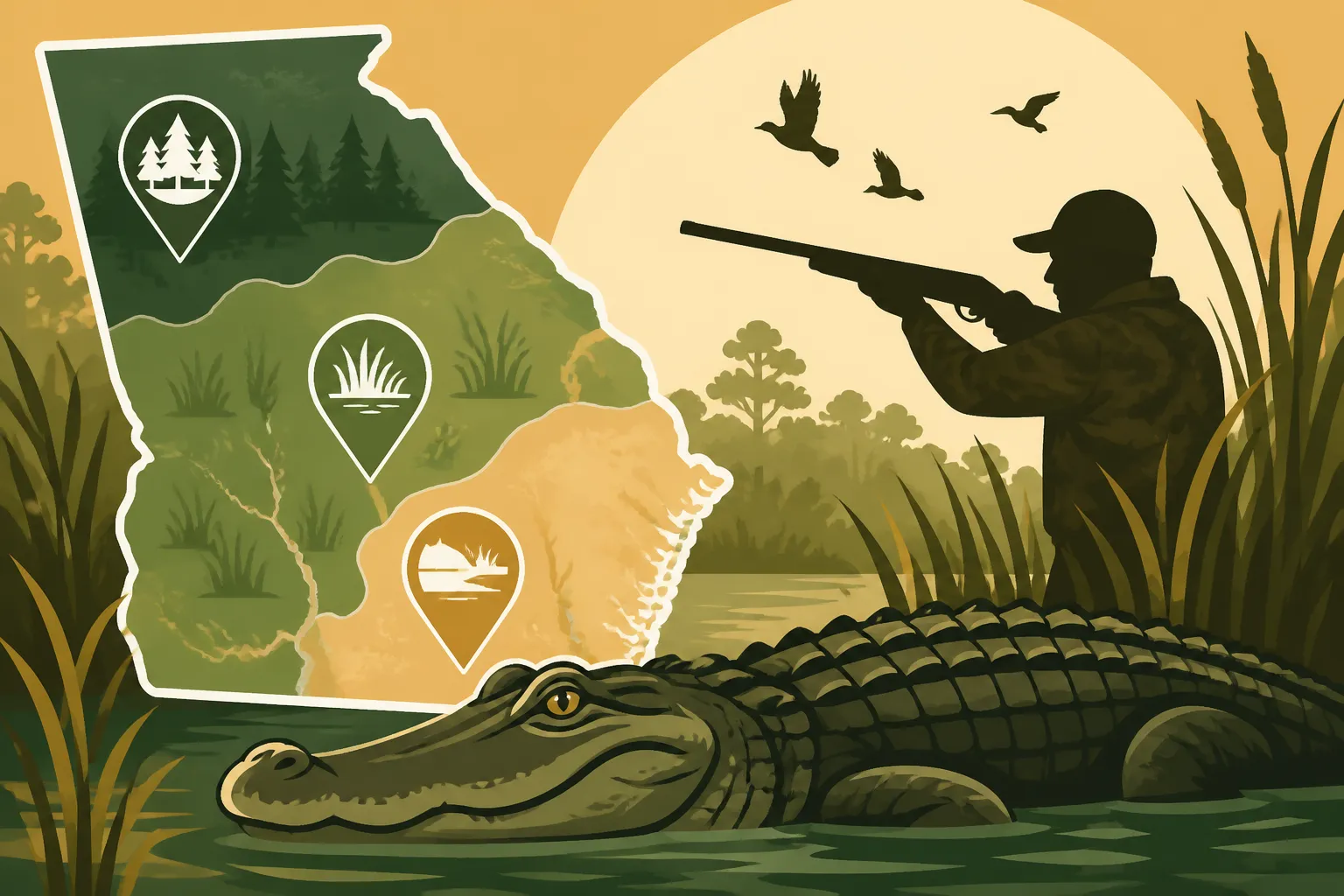
While the exact boundaries and names of zones can shift slightly over the years, generally, Georgia’s alligator zones encompass major river drainages and wetlands primarily in the southern and coastal parts of the state.
- Coastal Zones (e.g., Altamaha, Satilla, Ogeechee River Basins): These zones often boast some of the highest alligator densities due to abundant marshland, tidal creeks, and large river systems that flow directly to the Atlantic. Access can vary wildly; some areas are easily navigable by boat, while others require specialized shallow-draft vessels or extensive foot travel through muddy terrain. Expect potentially larger alligators in these zones, but also potentially more competition and challenging conditions, including tides. Hunting in these areas might involve navigating complex networks of waterways, and understanding tidal charts becomes as important as knowing your gear. The sheer expanse of these systems means you could be hunting in a very remote setting, far from any paved roads or easy extraction points.
- Inland River Zones (e.g., Ocmulgee, Oconee, Flint, Suwannee River Basins): These zones, while still offering excellent alligator hunting, tend to have slightly lower overall densities compared to the deepest coastal marshes. However, they can still produce impressive animals. Access here is often centered around public boat ramps on larger rivers and their tributaries. Success in these areas often hinges on diligent scouting to locate specific alligator haunts within the sprawling river systems or larger oxbow lakes. You might find more opportunities for traditional still-hunting from a boat or even some limited bank-side opportunities in certain stretches. These areas might also present slightly calmer water conditions than tidal zones, making nighttime navigation a bit easier for those new to alligator hunting.
- Okefenokee Swamp Zones: The Okefenokee is unique, often having its own designated zones or specific rules due to its status as a federally protected wilderness area, though parts of its fringe are open to state hunting regulations. This is truly a wild, primordial place. While alligator populations are robust, access is highly restricted, often requiring specific permits and limiting methods of travel (e.g., no airboats or large motors in certain areas). A hunt here is an immersive wilderness experience, not just a pursuit of an alligator. Hunters targeting these zones need to be prepared for primitive camping, navigating cypress swamps, and potentially facing very challenging conditions, but the reward is an unparalleled adventure. Historically, some of the largest alligators harvested in Georgia have come from these deep swamp environments, where they have lived for decades undisturbed.
Understanding these distinctions is crucial when considering your choices for Georgia Alligator Zone Preferences. Each offers a different kind of challenge and a unique hunting experience.
Zone-Specific Opportunities and Challenges
Every alligator management zone in Georgia presents a distinct set of opportunities and hurdles that you need to weigh before submitting your application. It's not just about where the gators are; it's about how you're going to get to them, what you're prepared for, and what kind of experience you truly desire.
For example, a zone like the lower Altamaha River offers the opportunity to harvest a truly massive alligator, given the nutrient-rich environment and vast habitat. You might encounter larger average sizes here, and the sheer volume of water means there are always new areas to explore. However, the challenges are equally significant. Tidal swings can be extreme, creating strong currents that make boat handling difficult, especially at night when most alligator hunting occurs. Navigating countless unmarked creeks and marsh drains can be disorienting, and recovery of a harvested alligator from deep, soft mud or dense Spartina grass can be an exhausting endeavor. You might also find significant hunting pressure, particularly on opening weekend, as many hunters vie for the same accessible areas.
Conversely, an inland river zone, perhaps along the Flint River, might offer less dense alligator populations but potentially easier navigation and recovery. The water levels might be more stable, and while the alligators might not be as colossal as their coastal cousins, they are still substantial and challenging to hunt. The opportunity here lies in being able to methodically scout specific river bends, sandbars, or oxbows where alligators are known to bask or feed. The challenge might be finding consistent access points, as riverfront property is often private, and public ramps can be few and far between. Success in these zones often requires more dedicated scouting pre-season to identify prime spots, which a tool like GoHunt's mapping capabilities can be invaluable for, helping you pinpoint public access and potential holding areas.
The Okefenokee is a beast of its own. Opportunities include a truly wild, unpressured hunt where the experience itself is as valuable as the harvest. The vastness and remoteness mean you’re truly pitting yourself against nature. However, the challenges are immense: limited access, strict regulations on boat types and motor sizes, and the sheer physical exertion required to navigate the dense cypress and tupelo swamps. Recovering an alligator in such an environment can be an epic undertaking, often requiring multiple people and specialized equipment. Your "hunt" might feel more like an expedition.
Understanding these nuances is essential. Don't just look at past success rates; consider what you are capable of and what kind of adventure you're ready to embrace.
The Alligator Quota Hunt Application Process
Securing a Georgia alligator tag is a competitive process that relies on a quota hunt application system. It's not as simple as walking into a store and buying a license; there’s a strategic element to applying, especially when it comes to understanding preference points.
Eligibility and Application Requirements
First and foremost, to even consider applying for a Georgia alligator quota hunt, you need to be eligible. The baseline requirement for any hunting in Georgia is holding a valid Georgia hunting license. This isn't just a suggestion; it's a hard rule. Before you even think about applying for an alligator tag, ensure your license is current. Non-residents can apply, but generally face higher license fees.
Beyond the basic hunting license, there are specific requirements for alligator hunting. You'll typically need to be 16 years of age or older by the start of the season. Georgia also mandates that any hunter who draws an alligator tag must complete an alligator hunting course. This course covers regulations, safe handling practices, and ethical harvesting methods. You don't necessarily need to complete the course before applying, but you must complete it before you can actually hunt. Think of it as specialized training for a specialized quarry.
The application process itself is managed through the Georgia Department of Natural Resources (DNR) Go Outdoors Georgia platform. This is where you’ll create an account if you don't already have one, purchase your regular hunting license, and then navigate to the quota hunt application section. You'll be asked to provide your personal information and select your preferred alligator management zones. This is where your research into Georgia Alligator Zone Preferences truly comes into play. You’ll typically rank your choices from most desired to least desired. It’s critical to double-check all information before submitting, as errors can invalidate your application. Additionally, you’ll pay a non-refundable application fee for each quota hunt you enter. Remember, this fee doesn't guarantee a tag, only entry into the drawing.
The Preference Point System Explained
Georgia's alligator quota hunt, like many other competitive big game draws, uses a preference point system designed to give loyal, persistent applicants a better chance over time. It's a system that rewards dedication, even if you don't draw a tag every single year. Here's how it works:
For every year you apply for an alligator quota hunt and are unsuccessful in drawing a tag, you accrue one preference point. These points then increase your chances of drawing a tag in subsequent years. The more preference points you have, the higher your odds in the lottery-style drawing. It’s not a guarantee, but it certainly helps. For instance, if you have five preference points, your application effectively gets "weighted" more heavily than someone with zero or one point. This system prevents a purely random draw from penalizing those who have been trying for years.
There are a few key things to understand about preference points:
- They are zone-specific: Often, preference points are accumulated for specific zones or sets of zones. So, if you apply for Zone A for five years and don't draw, you'll have five preference points for Zone A. If you decide to apply for Zone B next year, you might start fresh with zero points for Zone B, or your points might be transferable across specific zone groupings, depending on the current year's rules. Always check the current Georgia Alligator Quota Hunt Rules for specifics, as these details can change.
- They are typically lost when you draw: If you successfully draw an alligator tag, regardless of whether you hunt or harvest, your accumulated preference points for that specific species (or sometimes even for all quota hunts) are typically reset to zero. This is to ensure that successful hunters don't continually hold an advantage year after year, giving others a chance.
- Applying is key: Even if you don't think you'll hunt in a given year, applying for the quota hunt, even for a difficult-to-draw zone, can be a strategic move just to accrue a preference point. The application fee is usually nominal, and building those points can pay off big in the future. Many seasoned hunters make it a point to apply every year, knowing that eventually, their number will come up for a desired zone.
This system means that if you have your heart set on a particular high-demand zone, you might need to play the long game. It reinforces the need to research past draw odds and understand which zones are historically harder to get into.
Application Deadlines and Notification
Missing a deadline for a quota hunt application is a frustrating lesson many hunters learn the hard way. For Georgia's alligator quota hunts, the deadlines are firm, and there are no extensions, so mark your calendars well in advance.
Historically, the application period for Georgia alligator quota hunts typically opens in the late spring or early summer, with a closing date usually sometime in mid-July. However, these dates are subject to change annually, so the absolute best practice is to check the official Georgia DNR website or the Go Outdoors Georgia platform as soon as the previous year's hunting seasons wrap up. This allows you ample time to ensure your hunting license is current, decide on your zone preferences, and complete your application without the last-minute stress. Setting calendar reminders and even signing up for email notifications from the DNR can be incredibly helpful to stay on top of these dates. Information about the Georgia Alligator Application Deadline is usually highlighted on the WRD website when it becomes available.
Once the application period closes, there's a waiting period while the DNR conducts the lottery drawing. Notification of success or failure in the drawing typically occurs in late July or early August, often just a few weeks before the season itself kicks off. You’ll usually receive an email notification, and you can also check your application status directly through your Go Outdoors Georgia account. If you're one of the lucky few to draw a tag, congratulations! You'll then typically have a short window to confirm your acceptance and sometimes pay an additional tag fee. It's crucial to confirm quickly, as unclaimed tags might be re-drawn and offered to other applicants. Missing this confirmation can mean forfeiting your hard-won tag and potentially your preference points. This short turnaround time between notification and the season start underscores the importance of having your equipment and scouting plans mostly in place before you even apply, so you can hit the ground running if you draw.
Strategic Zone Preference Selection
Choosing your alligator zone preferences is not just about picking pretty names off a list; it’s a strategic decision that should align with your hunting style, available resources, and realistic expectations. Doing your homework here can make all the difference in whether you draw a tag and have a successful hunt.
Assessing Your Hunting Goals
Before you even look at the list of available zones, take a moment to honestly assess your personal hunting goals and capabilities. What kind of alligator hunt are you truly looking for? Are you hoping to harvest any legal alligator, or are you after a true trophy-class animal? What is your comfort level with challenging terrain, long hours, and primitive conditions?
- Trophy Potential vs. First Harvest: If your primary goal is to harvest your first alligator, you might prioritize zones with higher overall tag numbers or historically slightly better draw odds, even if the average alligator size is smaller. This increases your chances of drawing a tag. Conversely, if you're a seasoned alligator hunter chasing a truly massive gator, you might focus your top preferences on zones known for producing larger animals, even if they are much harder to draw and require more preference points. These might include remote areas of the Altamaha or Okefenokee fringes, where alligators have the chance to grow undisturbed for decades.
- Access and Logistics: Consider your equipment and physical capabilities. Do you own a shallow-draft boat capable of navigating dense swamps, or are you limited to larger river access points? Are you physically prepared for long nights, hauling heavy gear through mud, or dealing with potentially aggressive animals in close quarters? Some zones are much more physically demanding than others. For instance, hunting an area with vast, sprawling marshlands requires different logistical planning than hunting a larger, more open river section.
- Time and Resources: How much time can you realistically dedicate to scouting, hunting, and processing an alligator? Some zones require significantly more time for travel and pre-hunt preparation than others. If you only have a weekend, a remote, deep-swamp zone might not be your best choice. If you're fortunate enough to draw an alligator tag, remember that the season is limited, and you'll want to make the most of every opportunity. You can find general information on the overall American Alligators in Georgia to help set expectations.
Being honest about these factors will help you make an informed decision and avoid frustration later. There’s no point in putting your top preference on a zone that requires an airboat if you only have a jon boat with a small outboard.
Evaluating Zone Success Rates and Pressure
One of the most critical steps in strategically selecting your zone preferences is to thoroughly research past success rates and hunting pressure for each available zone. This data provides invaluable insight into your chances of drawing a tag and your potential for a successful hunt.
The Georgia DNR typically publishes annual harvest reports and draw statistics. These reports will show you how many tags were issued for each zone, how many applicants applied, and the success rate (number of alligators harvested divided by tags issued). Pay close attention to these numbers. A zone with high success rates might be very popular and therefore much harder to draw a tag for, especially for a new applicant with few preference points. Conversely, a zone with lower success rates might have more available tags or fewer applicants, making it an easier draw, though the hunting might be more challenging.
Consider these factors when evaluating zones:
- Draw Odds: Look at the ratio of applicants to available tags. If 1,000 people apply for 50 tags in a specific zone, your odds are clearly much lower than a zone where 200 people apply for 50 tags. Zones known for producing monster alligators or those with perceived "easy" access often have incredibly low draw odds due to high demand. Building up preference points is crucial for these highly sought-after zones. Information like How Many Georgia Alligator Permits Are Issued can give you a baseline understanding.
- Harvest Success Rates: Once you do draw a tag, how likely are you to fill it in that particular zone? A zone might have a high draw rate but a low harvest success rate, indicating difficult hunting conditions, lower alligator density, or challenging recovery. Conversely, a zone that's harder to draw but has a very high harvest rate means that those who get a tag usually succeed. This information can influence whether you prioritize a harder draw for a better chance at filling the tag, or an easier draw where the hunt itself might be more of a grind.
- Hunting Pressure: While the DNR limits tags, some zones still experience higher hunting pressure, especially on opening weekend. This pressure can make alligators more wary and harder to locate. Studying maps and identifying areas within zones that are harder to access (and thus less pressured) can give you an edge. Tools like GoHunt can provide satellite imagery and topographic maps that help visualize potential access points and identify remote areas where pressure might be lighter. They can help you scout from your couch, looking for those hidden sloughs or deep pockets of water where alligators might reside undisturbed.
By carefully analyzing these statistics, you can make an educated decision about where to place your first, second, and third preferences, balancing your desire for a trophy with your realistic chances of drawing a tag and having a successful hunt.
GoHunt and Other Scouting Tools
In the modern hunting world, digital scouting tools have become indispensable, and for something as specialized as Georgia alligator hunting, they can give you a significant advantage. While not an official requirement, leveraging platforms like GoHunt and others can dramatically improve your preparation and strategic zone selection.
GoHunt, for instance, offers advanced mapping features that allow you to analyze public and private land boundaries, topography, and various habitat layers. For alligator hunting, this means you can:
- Visualize Waterways and Terrain: Zoom in on prospective zones to see the intricate network of rivers, creeks, oxbow lakes, and marshlands. You can identify potential access points, boat ramps, and areas that might be too shallow or too dense for your chosen method of travel. This is particularly helpful for understanding the challenges of a given zone mentioned earlier. Knowing the lay of the land, or in this case, the water, is half the battle.
- Identify Remote Areas: Often, the least pressured spots are the hardest to reach. With detailed satellite imagery, you can identify hidden pockets of water, back channels, or dense swamp sections that might hold unpressured alligators. This "e-scouting" can save you countless hours of physical scouting, especially if a zone is far from home.
- Locate Public Access: Confirming public access points, boat ramps, and parking areas is crucial. GoHunt’s mapping often overlays these points of interest, ensuring you won't arrive at a zone only to find you can't get your boat in the water. For applications requiring specific knowledge about Hunting the Okefenokee Swamp Region, digital tools are invaluable for understanding boundaries.
Beyond GoHunt, other valuable scouting tools include:
- Georgia DNR Interactive Maps: The official DNR website often provides interactive maps specific to Wildlife Management Areas (WMAs) and certain quota hunt zones. These can sometimes offer specific regulations or access information not found elsewhere.
- Nautical Charts: For coastal and large river zones, official NOAA nautical charts provide incredibly detailed information on water depths, navigation channels, aids to navigation, and potential hazards. This is vital for safe boat operation, especially during nighttime alligator hunts.
- Weather and Tidal Apps: Real-time weather apps are a must for any hunt, but for alligator hunting in tidal areas, a reliable tide chart app is non-negotiable. Knowing when the tide is high or low can dictate access, current strength, and even alligator behavior.
By integrating these tools into your pre-application research and post-draw scouting, you’ll be much better equipped to select the right zones and then execute a successful hunt. They turn speculative guesses into informed decisions.
| Alligator Management Zone Type | Typical Characteristics | Hunting Opportunity | Common Challenges | Recommended Preference Strategy |
|---|---|---|---|---|
| Coastal River Basins | High alligator density, tidal, vast marsh/creeks, larger gators | High success rate if tag drawn, trophy potential | High draw demand, challenging tides, difficult recovery | High preference if experienced, patience needed |
| Inland River Basins | Good alligator density, stable water levels, varied habitat | Consistent opportunity, manageable logistics | Moderate draw demand, scouting for specific spots critical | Good mid-level preference, research helps |
| Deep Swamp/Okefenokee Fringe | Remote, large gators, primitive wilderness, restricted access | Unparalleled wilderness experience, true trophy potential | Very high draw demand, extreme logistics, primitive travel | Top preference for dedicated, well-equipped hunters |
Navigating the Aftermath: Drawing a Tag and Preparing
Drawing an alligator tag is just the first step; the real work and excitement begin once you're notified that you've been successful. This phase requires meticulous planning, from understanding your specific tag to getting all your gear ready and making a solid game plan.
What to Do Once You've Drawn a Tag
The moment that notification email hits your inbox, confirming you've drawn a Georgia alligator tag, is pure adrenaline. But don't let the excitement overwhelm you; there are critical steps you need to take immediately to ensure your hunt goes smoothly.
First, confirm your acceptance of the tag through your Go Outdoors Georgia account. There's often a short window for this, and failing to confirm can result in your tag being forfeited and re-drawn by another hunter. This confirmation might also involve paying a final tag fee, so be prepared for that.
Next, review your specific tag details. Your tag will specify the alligator management zone you've been drawn for, the legal dates for your hunt, and often, any specific regulations unique to that zone. Double-check the legal length requirements – typically, a minimum of 48 inches from snout to tip of tail is required, but always confirm the current Minimum Legal Alligator Length in Georgia for your specific year and zone. Ensure you understand what methods are legal in your zone (e.g., hooks and lines, bows, snatch hooks, harpoons). Some zones might have restrictions on certain equipment or hunting times.
If you haven't already, complete your mandatory alligator hunting course. This course provides vital information on regulations, ethical hunting practices, and safe handling of alligators, which is absolutely crucial. You cannot legally hunt without completing it. Many hunters complete this course even before applying, just to be prepared.
Finally, begin your detailed scouting and logistical planning. Now that you know your exact zone, you can pinpoint specific areas within it. If you've been drawn for an Altamaha River zone, for example, you'll need to research boat ramps, tidal charts, and potential alligator concentrations more precisely. If you're on a public land WMA, check specific WMA rules on access and camping. This is where your GoHunt mapping subscriptions really shine, allowing you to identify exact areas based on habitat and historical data. Start lining up any hunting partners or guides you plan to utilize, confirming their availability for your season dates. This initial flurry of activity sets the foundation for a successful and legal hunt.
Preparing for Your Zone-Specific Hunt
With your tag confirmed and the season approaching, it's time to dive into the nitty-gritty of preparation, tailoring your gear and strategy to the specific zone you've drawn. This isn't a one-size-fits-all endeavor; what works in a coastal marsh might be useless in a deep inland swamp.
Your equipment list needs to be meticulously checked and, if necessary, acquired or upgraded. This includes:
- Boat and Motor: Is your vessel appropriate for the zone? A shallow-draft jon boat might be perfect for navigating cypress knees in a swamp, while a larger, more stable boat might be needed for open river or tidal conditions. Ensure your motor is in top condition, and have a reliable backup if venturing far. Remember, much alligator hunting happens at night, so reliable navigation lights and spotlights are critical.
- Harvesting Equipment: Depending on your chosen method and the zone's regulations, this could include heavy-duty fishing rods and reels with stout line and large hooks, a crossbow with specialized arrows, a harpoon, or a bangstick. Have backups for everything. Learn more about Bowfishing Tactics for Georgia Alligators if that's your preferred method, and ensure your setup is robust enough for such powerful game.
- Safety Gear: Alligator hunting can be dangerous. Essential safety gear includes personal flotation devices (PFDs) for everyone in the boat, a well-stocked first-aid kit, a reliable communication device (satellite phone or marine radio if cell service is spotty), and powerful spotlights. Snake boots are a must if you plan on wading or walking in marshy areas, as Georgia is home to several venomous snakes.
- Recovery and Processing Gear: Alligators are heavy. You'll need sturdy ropes, grappling hooks, and possibly a boat winch or a dedicated recovery team. Large coolers and plenty of ice are crucial for preserving the meat, especially in Georgia's warm early season. A sharp, heavy-duty knife or saw for field dressing will also be essential.
Beyond gear, scouting is paramount. Even if you’ve done extensive e-scouting with tools like GoHunt, nothing beats boots-on-the-ground (or boat-on-the-water) reconnaissance. Spend time in your zone during daylight hours before the season opens. Look for alligator signs: slides leading from water to land, heavily traveled paths, and basking spots. Observe alligator behavior. Learn the specific waterways and potential hazards. Understanding the natural contours of the land for Hunting Georgia Swamp and River Bottom Deer can also apply to gators using similar habitats. Pay attention to how alligators react to boat noise and light. The more familiar you are with your specific hunting ground, the higher your chances of success.
Maximizing Your Chances in Your Assigned Zone
Once you've drawn your tag, prepared your gear, and scouted your assigned zone, the final step is to execute your hunt in a way that maximizes your chances of success. Alligator hunting is often a game of patience, stealth, and quick decision-making.
One of the most effective tactics is night hunting using a spotlight. Alligators' eyes glow red under a spotlight, making them easier to locate, especially in vast waterways. Slowly motor or paddle through known alligator haunts, sweeping the spotlight back and forth. When you spot a set of glowing eyes, approach slowly and quietly, trying not to spook the animal. This is where Night Hunting Georgia Alligators From a Boat becomes a finely tuned art. The goal is to get close enough for a clean shot or harpoon strike. This usually means within 10-20 yards, sometimes even closer.
Patience and observation are key. Alligators are incredibly wary. If you spook one, it might disappear for hours. Sometimes, sitting quietly in a known area and waiting for alligators to surface can be more productive than constantly running the boat. Pay attention to any disturbances in the water, sounds of splashing, or even the distinct musky odor of a large alligator. If you're using bait, set your lines strategically in areas where you've seen alligator activity, ensuring they are checked regularly and legally.
When you do get an opportunity, make it count. Shot placement is critical for a humane and quick harvest. The small target area on an alligator's head, just behind the eyes, is where a bangstick or crossbow bolt needs to land to dispatch it quickly. If using a harpoon, aim for the thick, scaly hide just behind the head, ensuring a solid connection to a float line. Missing or merely wounding an alligator can lead to a long, dangerous, and often unsuccessful recovery.
Finally, be prepared for recovery. Once an alligator is dispatched, the real physical labor begins. They are incredibly heavy and cumbersome. Having a sturdy grappling hook to retrieve the animal from the bottom, strong ropes, and a plan for how to get it into your boat or to shore is essential. Never underestimate the strength of an alligator, even a dead one. Always be mindful of your surroundings and any potential hazards in the water or on shore. Success in this phase is as important as the initial harvest.
Common Misconceptions and FAQs About Alligator Zones
There's a lot of folklore and misinformation surrounding alligator hunting, and particularly about how to approach the various zones. Let's clear up some common misunderstandings and answer frequently asked questions.
Dispelling Myths About "Easy" Zones
It's a common misconception, especially among new applicants, that there's an "easy" alligator zone in Georgia – a magical place where tags are plentiful and alligators just jump into your boat. Unfortunately, this couldn't be further from the truth. Every single alligator management zone in Georgia presents its own set of challenges, and drawing a tag, even in less popular zones, requires persistence.
One myth is that zones with higher tag quotas are automatically "easy" draws or "easy" hunts. While a higher quota might marginally increase your draw odds, these zones are often incredibly popular, attracting a larger pool of applicants that quickly offsets the increased tag numbers. Furthermore, these high-quota zones might cover vast areas, meaning you still have to put in significant scouting effort to locate alligators. The idea that alligators are so numerous they're practically tripping over each other in certain areas often leads to unrealistic expectations. While Georgia Alligator Population Estimate suggests healthy numbers overall, they are still wild animals that require skillful hunting.
Another myth is that if you go for a "less popular" zone, you're guaranteed a tag. While some zones are indeed less applied for, often due to perceived difficult access or lower historical success rates, the number of tags issued for these zones might also be proportionally lower. This means your draw odds might not be significantly better, and the hunting itself could be substantially harder.
The reality is that alligator hunting in Georgia is a challenging endeavor, regardless of the zone. The DNR manages the populations sustainably, meaning tags are always limited, and alligators are wary predators. "Easy" is rarely a word that applies to successful big game hunting, and alligator hunting is no exception. Success comes from preparation, persistence, and adapting to the conditions of your specific zone, not from finding a mythical easy button.
Understanding Alligator Behavior by Region
Just as alligator populations vary by region, so does their behavior, and understanding these nuances can significantly impact your hunting strategy within your assigned zone. Alligators are adaptable, but their habits are often shaped by their specific environment.
In coastal zones, alligators are heavily influenced by tidal cycles. They might move into shallow marsh creeks on an incoming tide to feed, becoming more active. As the tide recedes, they might concentrate in deeper holes or main river channels. This means hunters in these zones need to closely monitor tide charts and plan their hunting efforts around peak feeding times or predictable movements. Alligators here might also be more accustomed to boat traffic, but conversely, they can use the vastness of the marsh to disappear quickly. Their diet is incredibly varied, from fish and crustaceans to small mammals and birds, making them opportunistic feeders.
In inland river systems, alligator behavior might be more tied to time of day, water temperature, and river levels. During cooler periods, they might bask more frequently on sandbars or muddy banks to warm up. After heavy rains, rising river levels might push them into flooded timber or oxbow lakes, creating new hunting opportunities but also making them harder to locate. Alligators in smaller, more isolated ponds or oxbows might be less accustomed to human presence and thus more wary, requiring an even stealthier approach. These environments also foster a different diet, often with a higher proportion of fish, turtles, and wading birds.
The Okefenokee Swamp alligators, living in a relatively undisturbed wilderness, might display more natural, less human-pressured behavior. They are still wary, but perhaps not as prone to "holing up" at the first sign of a boat as those in heavily trafficked rivers. However, navigating the dense vegetation makes approaching them incredibly difficult. Here, understanding their basking patterns on cypress logs or floating mats of vegetation, and their movements through established "gator trails" in the dense swamp, is critical. Their diet is truly diverse, reflective of the swamp's rich biodiversity. Knowledge of how Where Georgia's Alligators Concentrate can guide your regional approach.
Ultimately, successful alligator hunting means observing and adapting to the specific behaviors of the animals in your chosen zone. There’s no substitute for time spent studying your hunting grounds, either in person or through detailed scouting tools.
Is It Worth Applying Every Year?
This is a question many aspiring alligator hunters ponder, especially after several unsuccessful attempts: "Is it really worth it to keep applying every year?" The resounding answer, for most dedicated hunters, is yes, it absolutely is.
The primary reason lies in Georgia's preference point system. As discussed earlier, every year you apply for the alligator quota hunt and are unsuccessful, you accrue another preference point. These points are your golden ticket to eventually drawing a tag in a desirable zone. If you skip a year, you don't gain a point, and you fall further behind those who consistently apply. For highly coveted zones, where draw odds might be in the single digits for new applicants, building up those points is the only realistic way to ever secure a tag.
Consider the long-term perspective. If you dream of hunting a trophy alligator in a specific, renowned zone, it might take five, seven, or even ten years of consistently applying and accruing preference points. Each year you apply, you're not just throwing your hat in the ring for that season; you're investing in your future hunting opportunities. The application fee is usually relatively small, making it a worthwhile annual investment in your hunting aspirations.
Furthermore, applying every year keeps you engaged with the process and informed about any changes in regulations, zone structures, or application procedures. You remain connected to the Georgia hunting community and your passion for alligator hunting. Even if you're not ready to hunt in a particular year, applying just for the point ensures you don't lose ground.
Think of it as building a savings account for your hunting future. Eventually, that account will grow large enough to pay out. For a truly unique and challenging experience like Alligator Hunting in Georgia, that consistent effort makes all the difference.
Disclaimer
Please remember that hunting regulations, season dates, and license requirements can change. Always consult the official Georgia Department of Natural Resources (DNR) website and current hunting regulations guide before planning any hunting trip. Safety should always be your top priority in the field.