Georgia Coyote Diet in Farm Country
Living in Georgia's farm country, you've probably heard the coyotes howling at night, and perhaps even seen one slinking along a field edge during the day. It’s natural to wonder exactly what these adaptable predators are feasting on out there, especially when you're concerned about livestock, garden crops, or local deer and turkey populations. This guide dives deep into the fascinating, and sometimes frustrating, diet of coyotes in Georgia's agricultural landscapes, helping you understand their impact and how they navigate a world of fields, forests, and human activity.
Understanding Coyote Predation in Agricultural Landscapes
Coyotes are incredibly intelligent and resilient animals, and nowhere is this more evident than in how they've adapted to living alongside humans, particularly in agricultural settings. They don't just survive; they often thrive in these environments, which offer a unique buffet of natural prey, opportunistic scavenging, and sometimes, unfortunate encounters with domestic animals.
The Opportunistic Hunter: Why Coyotes Thrive Near Farms
Farm country, with its patchwork of fields, woodlots, brushy fencerows, and creek bottoms, creates an ideal habitat for coyotes. This landscape offers dense cover for denning and resting, open areas for hunting, and a consistent water supply. More importantly, it provides a diverse and often abundant food supply that makes these areas incredibly attractive to coyotes. They aren't picky eaters; if it's edible and accessible, a coyote will likely consider it fair game. This opportunistic nature is their superpower, allowing them to switch between prey species, scavenge carrion, and even sample crops, ensuring they always have something to eat. This adaptability is precisely why their populations have expanded so successfully across Georgia.
Consider a typical Georgia farm. You might have corn or soybean fields, pastures for cattle, a chicken coop, and adjacent timber stands. This diverse environment supports a high density of small rodents, rabbits, and even deer, all of which are primary food sources for coyotes. The edges where fields meet woods are particularly productive hunting grounds, as prey animals often move between these habitats. Plus, the constant activity on a farm can inadvertently create opportunities, such as discarded feed or accessible waste, which coyotes are quick to exploit.
Primary Diet Staples in Georgia's Farm Country
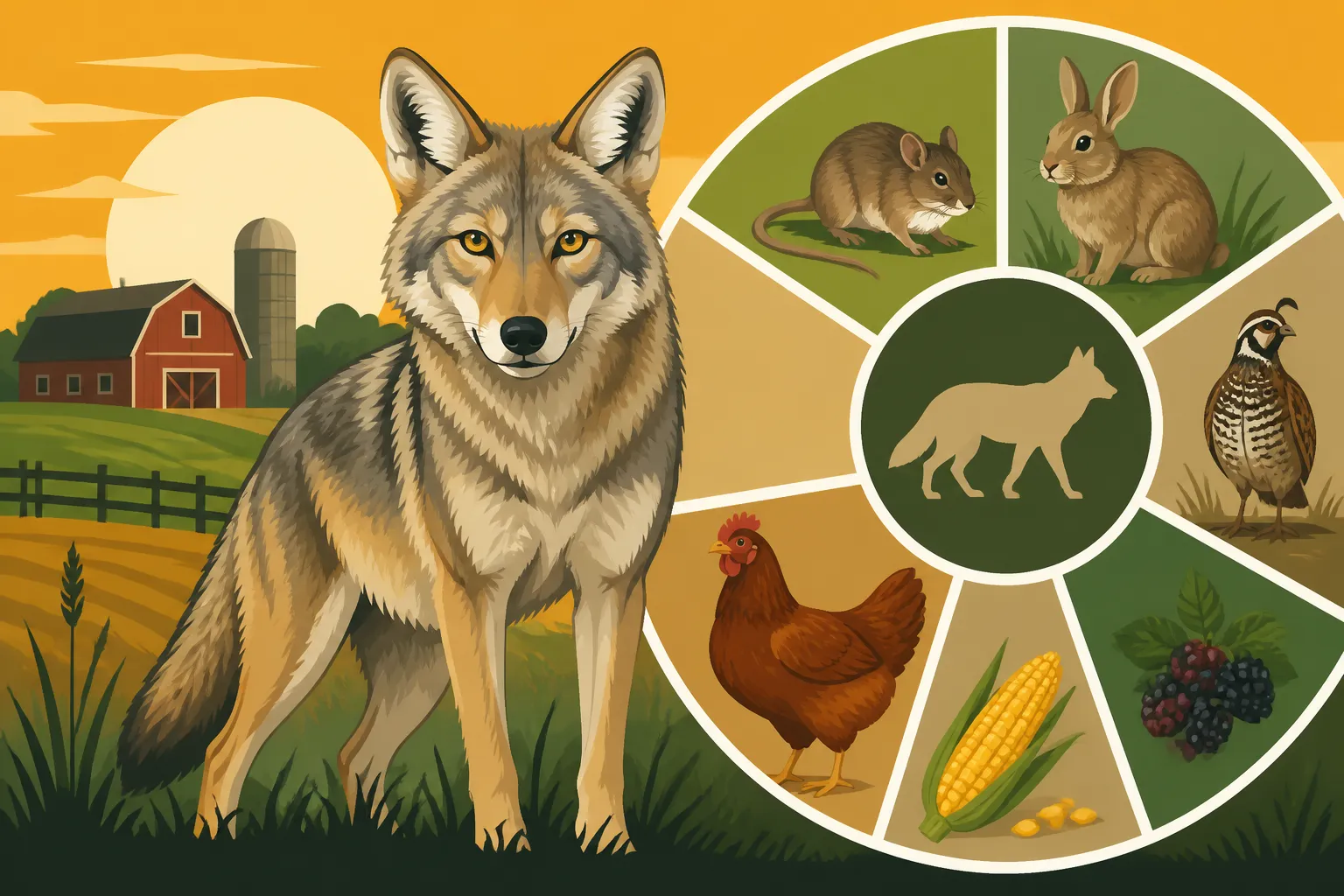
While coyotes are generalists, certain food items form the bedrock of their diet in agricultural areas. Small mammals are almost universally their most consistent food source. Think about the field mice, voles, and cotton rats that seem to be everywhere in a freshly cut hayfield or along a brushy fencerow. These creatures reproduce quickly and are relatively easy for a coyote to catch, making them a reliable caloric intake. You might also find them preying on rabbits, particularly cottontails, which are abundant in many rural Georgia areas and offer a more substantial meal.
Beyond rodents and rabbits, white-tailed deer are a significant component of a coyote's diet, especially fawns. During the spring and early summer, when fawns are born, they are incredibly vulnerable. A newborn fawn, still wobbly on its legs and relying on camouflage, is an easy target for a hungry coyote. Research consistently shows that fawns make up a considerable portion of the coyote diet during these months, impacting deer recruitment rates. Georgia Fawn Survival Rates are certainly influenced by this predation. This is a natural part of the ecosystem, but for hunters trying to manage a deer herd, it’s an important factor to consider.
Seasonal Shifts and Dietary Changes
A coyote's menu isn't static; it shifts dramatically with the seasons, reflecting the availability of different food sources. This seasonal flexibility is another testament to their adaptability, allowing them to exploit whatever resources are most plentiful at any given time of year in Georgia's dynamic environment.
Spring and Summer: Vulnerable Young and Produce
As spring bursts forth in Georgia's farm country, so does a bounty of new life, and coyotes are quick to capitalize. This is prime fawning season for white-tailed deer, and young fawns, hidden in tall grass or thickets, represent a significant food source for coyotes. A coyote will actively patrol likely fawning areas, often sniffing out the tiny, scentless newborns. Georgia Deer Antler Growth Timeline might seem unrelated, but the health of the fawns, and thus the future of the deer herd, is directly tied to their survival during these vulnerable weeks.
Beyond fawns, spring and summer also bring turkey poults and the young of other ground-nesting birds, which are also highly susceptible to coyote predation. Farmers planting early crops might also find coyotes sampling watermelons, berries, or even corn, especially as it ripens. While not a primary food source, plant matter can supplement their diet, particularly if other prey is scarce or during dry spells when succulent fruits offer hydration. During these months, you'll often find coyote scat full of hair and bone fragments, but also seeds and plant fibers.
Fall and Winter: Scavenging and Readily Available Prey
As the landscape transitions into fall and winter, the coyote diet shifts again. Hunting season in Georgia often means an increase in carrion. Deer that are wounded and not recovered, gut piles left in the field, or even roadkill become readily available meals for coyotes. This scavenging behavior is crucial for their survival during periods when live prey might be harder to come by. Many hunters using tools like GoHunt to scout and track game often notice signs of coyote activity around recent kill sites.
As temperatures drop, small rodents often seek shelter in barns, sheds, or around grain storage, inadvertently concentrating themselves and becoming easier targets for coyotes. The cover provided by standing crops or dense winter vegetation also offers prime hunting grounds for rabbits and other small game. Furthermore, late-season agricultural waste, such as leftover peanuts or fallen pecans, can provide an additional, albeit minor, food source. This shift to scavenging and focusing on concentrated small prey allows coyotes to maintain their condition through the leanest months. Hunting the Late-Season January Rut Lull also often coincides with coyotes scavenging after hunting pressure.
Impact on Farm Operations and Wildlife
The presence of coyotes in Georgia's farm country is a complex issue with both direct and indirect impacts. For farmers, it can be a source of economic loss and frustration, while for wildlife managers, it's a critical component of ecosystem dynamics.
Livestock and Poultry Concerns for Farmers
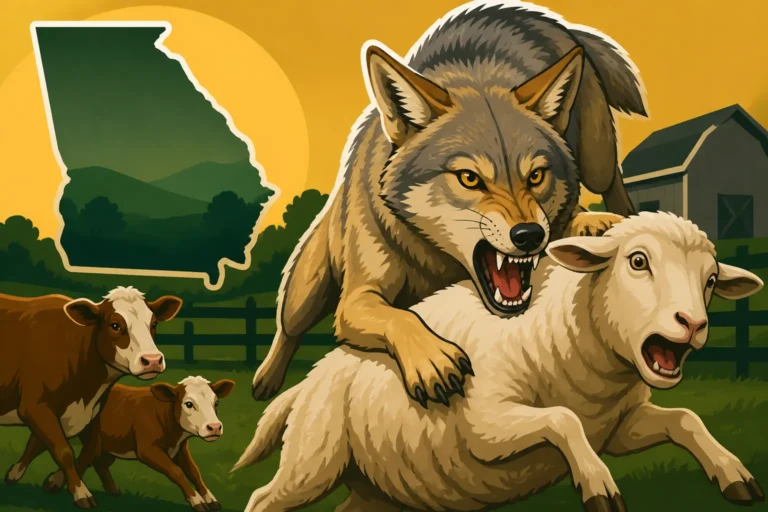
For many Georgia farmers, coyotes represent a direct threat to their livelihood. While deer fawns are a natural prey item, calves, lambs, and especially poultry are also vulnerable. Chickens, ducks, and other small fowl are easy targets, often taken directly from coops or pastures if adequate protection isn't in place. Calves and lambs, particularly newborns, can also fall victim to coyote predation. A farmer might walk out one morning to find a missing or injured animal, a disheartening and costly experience. Georgia Coyote Attacks on Livestock are a very real concern for agricultural producers.
This predation can lead to significant financial losses, stress for the farmer, and the need for additional measures to protect livestock. Farmers often have to invest in better fencing, employ guardian animals like dogs or donkeys, or take other deterrent actions to minimize their losses. The constant vigilance required can be exhausting, and it’s a constant battle to safeguard their animals against these intelligent predators.
Wildlife Management Implications
Beyond domestic animals, coyotes exert significant pressure on native wildlife populations. As mentioned, fawn predation is a major factor in deer recruitment. If fawn survival rates are consistently low due to coyote activity, it can impact the overall health and size of a local deer herd. Similarly, ground-nesting birds like turkeys and quail, particularly their eggs and young poults, are vulnerable. While coyotes aren't the sole reason for declines in species like quail, their predation contributes to the challenges these populations face. Georgia Turkey Population Trends and Georgia quail population decline since the 1960s are complex issues, but coyote predation is certainly a piece of that puzzle.
Wildlife managers continually study the interplay between coyotes and other species to understand ecosystem balance. Coyotes also prey on other mesopredators like raccoons and opossums, which in turn prey on bird nests. So, while they might impact one species negatively, they could indirectly benefit another. It’s a delicate balance that requires careful monitoring and often necessitates active management strategies to maintain healthy wildlife populations across the diverse habitats of Georgia. Scouting tools, like the mapping features on GoHunt, can help hunters identify areas with high predator sign that might correlate with lower deer or turkey numbers.
Mitigating Coyote Interactions in Farm Country
Dealing with coyotes in farm country often requires a multi-faceted approach, blending non-lethal deterrents with targeted management strategies. The goal isn't always eradication, which is often impossible and undesirable from an ecological standpoint, but rather to mitigate negative impacts and reduce conflicts.
Deterrents and Non-Lethal Methods
For landowners and farmers looking to protect livestock and deter coyotes without lethal force, several non-lethal methods can be effective. Strong, woven wire fences, sometimes combined with electric strands, can create a physical barrier. For smaller enclosures, like poultry coops, ensuring they are completely secure at night is paramount. Burying fence lines a few inches into the ground can prevent coyotes from digging underneath. Guardian animals, such as donkeys, llamas, or specific breeds of guardian dogs (like Great Pyrenees), have been successfully used to deter coyotes by actively defending livestock. Their presence and vigilance can be a powerful deterrent.
Hazing techniques, which involve scaring coyotes away through loud noises, bright lights, or even physical harassment (like throwing rocks), can also teach them to avoid certain areas. Removing attractants, such as pet food left outdoors, fallen fruit, or accessible garbage, is crucial to prevent habituation. Proper disposal of livestock carcasses or hunter gut piles away from pastures can also reduce scavenging opportunities near vulnerable animals. For hunters scouting areas, understanding these methods can help in predicting coyote movements on private lands adjacent to public hunting opportunities.
Targeted Management and Hunting Strategies
When non-lethal methods aren't sufficient, or when coyote populations are particularly high and causing significant damage, targeted management and hunting strategies often become necessary. Hunting coyotes, whether through calling, trapping, or opportunistic encounters, can help reduce their numbers locally and alleviate pressure on livestock and vulnerable game species. Coyote Calling in Georgia Farm Country is a popular and effective method, especially when done strategically during different times of the year. Calling can draw in curious coyotes, making them accessible targets.
Trapping, when conducted by experienced individuals and in compliance with state regulations, can also be a highly effective way to remove problematic coyotes. Running a Trapline in Rural Georgia requires skill and knowledge of coyote behavior and safe practices. Additionally, Night Hunting Rules for Georgia Coyotes provide opportunities for hunters to pursue them under specific conditions, often using thermal or night vision equipment, which can be particularly effective in agricultural settings where coyotes are often most active after dark. These efforts, whether by landowners or hunters, contribute to managing coyote populations and their impact on both farm operations and wild game. Information found on platforms like GoHunt can sometimes aid in identifying potential travel corridors or habitat pinch points where coyotes might be targeted.
Table: Seasonal Coyote Diet in Georgia Farm Country
Here's a breakdown of common coyote diet items across the seasons in Georgia's agricultural landscapes:
| Season | Primary Food Sources | Opportunistic / Secondary Food Sources | Impact on Wildlife/Livestock |
|---|---|---|---|
| Spring | Deer fawns, rabbit kits, turkey poults, rodents | Bird eggs, insects, young vegetation, carrion | High fawn/poult predation; some poultry/small livestock. |
| Summer | Rodents (mice, voles), rabbits, insects, berries | Watermelon, corn, other ripe fruits/vegetables | Continued fawn/poult predation; occasional crop damage. |
| Fall | Small mammals, carrion (deer gut piles/roadkill) | Hard mast (acorns), discarded crops, insects | Scavenging deer carcasses post-hunt; continued small mammal hunting. |
| Winter | Rodents seeking shelter, rabbits, carrion | Agricultural waste, frozen fruits, some birds | Focus on rodents near human structures; scavenging essential. |
Disclaimer
This article is for general informational purposes only and does not constitute professional advice. Laws, prices and regulations vary by location and change over time. Consult a qualified professional for guidance on your specific situation.