Georgia Wildlife Rehabilitation for Injured Game
Finding an injured wild animal can leave you feeling completely overwhelmed and unsure of what steps to take next. Your heart races, you want to help, but you also know that messing with wildlife can be dangerous for both you and the animal, not to mention potentially illegal. This guide will walk you through the proper, compassionate, and legal ways to approach and assist injured game animals in Georgia, connecting you with the vital resources designed to give these creatures a second chance.
What to Do When You Find Injured Wildlife in Georgia
It's a common scenario: you're out on a hike in the Chattahoochee-Oconee National Forest Hunting or maybe just driving down a rural road near a Georgia Wildlife Management Areas when you spot something in distress. Your first instinct is often to rush in, but with wild animals, a moment of caution and informed decision-making can make all the difference. Knowing when and how to intervene, or when to simply observe and call for help, is crucial.
Assessing the Situation Safely and Responsibly
Before you do anything, take a deep breath and assess the scene. Your safety, and the safety of others, is paramount. An injured animal, even a small one, can be unpredictable, scared, and prone to lashing out, especially if it feels cornered. This is not the time to become a wildlife hero without a plan. Look for immediate dangers like traffic, aggressive parent animals, or uneven terrain. If the animal is on a busy road, for example, your first call should be to emergency services to manage traffic, then think about the animal.
Consider the species. A deer with a broken leg needs a very different approach than a tiny bird fledgling. Large game animals like deer or even a young black bear are powerful and can inflict serious injury. Never approach an adult deer, bear, or alligator, no matter how badly it seems hurt. For these larger animals, your role is strictly observational and to call in professionals. When you're out in the woods, tools like a reliable mapping app, which many hunters use (like GoHunt), can help you pinpoint your exact location for responders, which is incredibly helpful when describing where you found the animal.
Distinguishing Truly Injured from "Just Wild"
One of the biggest misconceptions is that any wild animal alone needs help. This isn't always true. Often, young animals are left alone by their parents for extended periods while the parents forage. A fawn lying silently in tall grass, for example, is likely not abandoned; its mother is probably nearby, waiting for you to leave. Similarly, many bird fledglings spend time on the ground learning to fly before they're fully capable. Intervening in these situations can do more harm than good, as it can stress the parents or even lead to abandonment.
Here's a quick guide to help you decide if an animal truly needs intervention:
| Category | Signs the Animal Needs Help | Signs the Animal is Likely Fine |
|---|---|---|
| Visible Injury | Obvious wounds (bleeding, broken limbs, deep gashes), limp, tremor, unresponsiveness, dragging a limb. | No visible injury, moving normally (even if slowly), alert eyes. |
| Orphaned Status | Young animal crying incessantly, covered in insects, cold to the touch, parent obviously deceased nearby. | Young animal quiet, warm, clean, eyes open, parent seen nearby or recently. |
| Behavior | Stumbling, circling, seizing, walking into objects, severe disorientation, unable to stand, abnormal aggression. | Alert, trying to escape, hiding, wary of humans. |
| Location | In the middle of a busy road, trapped in a fence, in a dangerous human-populated area where it shouldn't be. | In natural habitat, away from immediate human threats. |
| Species Specific | Ducklings without a mother, a baby squirrel on the ground after a storm (if nest is gone). | Fawn lying still (unless crying), rabbit nestlings alone (mother only visits briefly). |
If you're unsure, it's always best to err on the side of caution and observe from a distance before making contact. Take photos or videos if you can do so without disturbing the animal, as these can be invaluable to rehabilitation professionals when you call them.
When to Call the Experts Immediately
For severe injuries, large animals, or any situation where you feel unsafe or unqualified, your very first action should be to contact the Georgia Department of Natural Resources (DNR) Wildlife Resources Division. They have trained personnel who can advise you or respond directly. Many Georgia hunters and outdoor enthusiasts rely on their experience, but even the most seasoned outdoorsmen know when to defer to wildlife professionals for this specialized work. You don't want to get in trouble for illegal possession of wildlife, as there are Georgia Wildlife Violation Penalties for such actions.
Other key contacts include local animal control (who can often direct you to wildlife resources), or a local licensed wildlife rehabilitator. It's a good idea to have these numbers saved in your phone, especially if you spend a lot of time in rural areas, hunting deer during Georgia's Long Firearms Deer Season, or scouting for Spring Turkey Hunting in Georgia.
Connecting with Georgia Wildlife Rehabilitators
Once you've determined that an animal genuinely needs help, finding the right rehabilitator is the next crucial step. Georgia has a network of dedicated individuals and organizations licensed to care for injured and orphaned wildlife, and knowing how to reach them is essential.
Finding Licensed Rehabilitators in Georgia
The Georgia Department of Natural Resources (DNR) maintains a list of licensed wildlife rehabilitators. This list is your primary resource. You can usually find it on their official website, often under the Wildlife Resources Division section. These rehabilitators are individuals or small non-profits who have undergone specific training, passed exams, and obtained state and sometimes federal permits to handle wild animals. This licensing ensures they understand the specific needs of various species and can provide appropriate care. Don't be tempted to try to rehabilitate an animal yourself; it's illegal without the proper permits, and more importantly, it's incredibly difficult to do successfully and humanely.
When searching for a rehabilitator, be prepared to call several. Many operate out of their homes, are volunteers, and may specialize in certain types of animals (e.g., raptors, small mammals, fawns). Their capacity can vary based on the season, their current caseload, and their resources. Be patient and persistent.
Understanding the Role of a Wildlife Rehabilitator
Wildlife rehabilitators are unsung heroes. They dedicate countless hours, often at their own expense, to nursing animals back to health with the ultimate goal of releasing them back into the wild. Their role involves:
- Assessment and First Aid: Upon intake, they thoroughly examine the animal, provide immediate medical care, stabilize injuries, and administer pain relief.
- Specialized Care: This includes appropriate diets, housing that mimics natural conditions, and treatments specific to the animal's species and injury. This is a far cry from trying to feed a baby bird bread or milk (which is usually harmful).
- Minimizing Human Imprinting: A critical aspect of rehabilitation is ensuring the animal does not become habituated to humans. Rehabilitators strive to keep human contact to a minimum to maximize the animal's chances of survival in the wild after release. This is especially important for species like deer or turkey, whose natural fear of humans is vital for their survival.
- Release Planning: Once an animal is healthy and capable of fending for itself, rehabilitators carefully plan its release back into appropriate habitat, often close to where it was found, if safe and suitable.
Remember, rehabilitators are often busy and may be dealing with multiple critical cases. When you call, have as much information ready as possible: the exact location where you found the animal (GPS coordinates from a map app like GoHunt are fantastic!), the species (if you can identify it), a detailed description of the injury or behavior, and any observed circumstances (e.g., hit by car, found near a deceased parent). This helps them quickly understand the situation and advise you on the next steps.
The Rehabilitation Process and What to Expect
Once you've made contact and potentially delivered an injured animal to a rehabilitator, you might wonder what happens next. The process is a journey for the animal, fraught with challenges but driven by the hope of a successful return to the wild.
From Intake to Recovery: A Typical Journey
The journey for an injured game animal typically starts with a thorough examination. The rehabilitator will assess the animal's overall health, identify the type and severity of its injuries, and check for signs of dehydration, shock, or disease. This initial assessment dictates the immediate course of action, which might include:
- Veterinary Care: For severe injuries like broken bones or deep wounds, the animal may need a visit to a veterinarian who specializes in wildlife. This can involve X-rays, surgery, or extensive wound care.
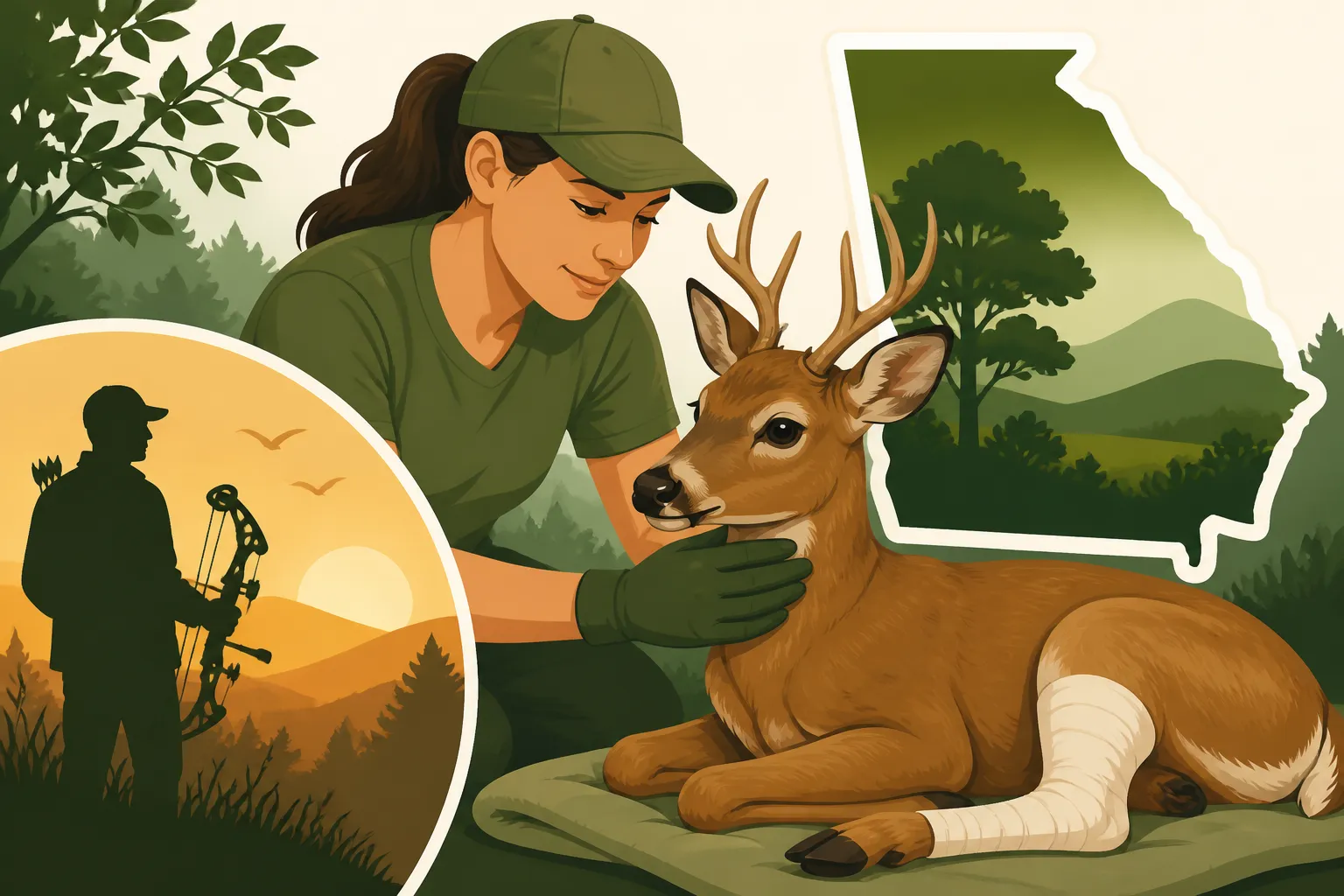
- Supportive Care: This includes providing a warm, quiet, and secure environment, administering fluids, and offering appropriate nutrition. Specialized diets are crucial; a rehabilitator will know exactly what a young White-Tailed Deer Across Georgia fawn needs versus a baby squirrel or an injured Wild Turkeys in Georgia.
- Medication: Antibiotics for infections, pain relievers, and anti-inflammatory drugs are common to help the animal recover.
- Physical Therapy: For some injuries, once stabilized, the animal might undergo a form of physical therapy to regain strength and mobility, essential for survival in the wild.
The length of stay can vary dramatically. A mildly stunned bird might be ready for release in a few days, while a deer with a complex fracture could require months of care. During this time, the rehabilitator works diligently to avoid habituation, often using minimal human interaction and keeping the animal in naturalistic enclosures. They constantly monitor progress, adjusting care as needed. This process is complex, and the passion these individuals have for wildlife is truly inspiring.
The Goal: Release Back into the Wild
The ultimate objective of wildlife rehabilitation is always to return the animal to its natural habitat. This isn't always possible, as some injuries may be too severe, or the animal may become too habituated to humans to survive independently. In these heartbreaking cases, euthanasia might be the most humane option to prevent prolonged suffering or a diminished quality of life. However, if the animal can be successfully rehabilitated, the release is a carefully planned event.
Rehabilitators consider several factors for release:
- Physical Readiness: Can the animal fly, run, hunt, and forage effectively? Is it strong enough to avoid predators?
- Behavioral Readiness: Does it exhibit natural fear of humans and appropriate wild behaviors?
- Habitat Suitability: The animal is usually released as close as possible to where it was found, provided that area is safe and offers suitable food, water, and shelter. This helps maintain local populations, especially for species with specific ranges. Understanding the local ecology of areas like Hunting North Georgia Mountain Country or Hunting South Georgia Plantation Country is vital for successful release.
- Time of Year: Releasing an animal during harsh weather or when natural food sources are scarce might reduce its chances of survival.
You won't typically be present for the release, and that's by design. It's about giving the animal the best chance without human interference. The success of a rehabilitation effort is measured not just by survival in captivity, but by successful reintegration into the wild.
Legal and Ethical Considerations for Injured Wildlife
When you encounter injured wildlife, it's easy to be driven by emotion. However, responsible interaction with wildlife in Georgia, especially when it comes to injured animals, requires a solid understanding of both the law and ethical practices. Ignoring these can lead to negative consequences for you and the animal.
The Law: Why You Can't Just Keep a Wild Animal
In Georgia, as in most states, it is illegal to possess most wild animals without specific state and federal permits. This includes injured, orphaned, or sick wildlife. The intent of these laws is multifaceted:
- Protecting Wildlife: These regulations prevent people from keeping wild animals as pets, which is almost always detrimental to the animal's well-being. Wild animals have complex dietary, environmental, and social needs that cannot be met in a domestic setting. Attempting to do so, even with good intentions, often results in malnutrition, illness, and a loss of natural instincts, making release impossible. You can learn more about how the state protects its diverse species, including the Georgia Deer Population Estimate, through official channels.
- Preventing Disease Transmission: Wild animals can carry diseases and parasites that can be transmitted to humans or domestic pets. Rabies, distemper, Lyme disease, and various internal parasites are just a few examples. Handling wild animals improperly puts everyone at risk. The state is particularly vigilant about diseases like Chronic Wasting Disease, which affects deer, and has designated Georgia's Chronic Wasting Disease Management Area to contain its spread.
- Ensuring Proper Care: Only licensed rehabilitators have the training, facilities, and permits to provide the specialized care wild animals need to recover and be successfully released. They understand species-specific diets, medication dosages, and behavioral conditioning to prevent habituation.
If you find yourself with an animal you've temporarily rescued (e.g., from a busy road), your immediate legal obligation is to transfer it to a licensed rehabilitator or state wildlife official as quickly as possible. Don't attempt to care for it yourself. Even seemingly harmless actions can have serious legal ramifications if you're not licensed. The official Georgia Outdoors app or GoHunt can be useful resources for navigating regulations and finding contact information for wildlife authorities quickly.
Ethical Treatment and Minimizing Stress
Beyond the legal framework, there are crucial ethical considerations when dealing with injured wildlife. Every interaction should prioritize the animal's welfare and minimize stress.
- Observe First, Act Second: As discussed, not every animal needs intervention. Observe from a distance to confirm genuine injury or distress. Unnecessary handling is highly stressful for wild animals.
- Hands-Off Approach: If you must handle an animal (e.g., to move it off a road to a safe spot, or to place a small, truly orphaned animal into a secure box for transport), wear thick gloves. Use a towel or blanket to cover the animal, which can help calm it and prevent bites or scratches. Never try to comfort a wild animal as you would a pet.
- Keep it Quiet and Dark: When transporting, place the animal in a secure, dark, ventilated box or carrier. Darkness helps reduce stress. Keep noise to a minimum.
- No Food or Water: Unless specifically instructed by a rehabilitator, do not offer food or water. Improper food can cause digestive upset, and a stressed animal may aspirate water.
- Respect Their Wildness: Remember that these are wild creatures, not pets. Their survival depends on their natural instincts and fear of humans. Every effort should be made to preserve that wildness.
Being a responsible Georgian hunter or outdoor enthusiast means respecting all wildlife, whether you're actively hunting Feral Hog Hunting Year-Round in Georgia or simply enjoying the beauty of the outdoors. Knowing how to react to an injured animal is a crucial part of that respect. The Georgia Department of Natural Resources is the primary authority on these matters, and their guidance should always be followed to ensure the best outcome for the animal and adherence to state law. If you're unsure about who to contact or what to do, calling them is always the safest bet.
Disclaimer
This article is for general informational purposes only and does not constitute professional advice. Laws, prices and regulations vary by location and change over time. Consult a qualified professional for guidance on your specific situation.