Mange in Georgia Coyotes and Foxes
There's nothing quite as unsettling as spotting a wild animal that just doesn't look right. Maybe you're out scouting before deer season, or perhaps you're checking a trail camera, and there it is: a coyote or a fox, looking thin, patchily bald, and just generally miserable. This sight immediately brings up questions and concerns, and often, what you're seeing is mange. This guide is here to shed light on mange in Georgia's coyote and fox populations, helping you understand what it is, how to identify it, and what steps you, as a responsible Georgia hunter, can take when you encounter it in the wild.
Understanding Mange: What Hunters Need to Know
When we talk about mange in wild canids like coyotes and foxes, we're usually referring to sarcoptic mange. It's a truly nasty condition, and unfortunately, it's something many Georgia hunters have seen firsthand. It can turn a sleek, healthy predator into a pitiful, emaciated shadow of its former self, and it's important for anyone spending time in the woods to understand its origins and impacts.
What is Sarcoptic Mange?
Sarcoptic mange is caused by a microscopic mite called Sarcoptes scabiei. These tiny arachnids burrow into the skin of an infected animal, where they live, feed, and reproduce. The presence of these mites triggers an intense allergic reaction in the host animal, leading to severe itching, inflammation, and skin irritation. It's not just a superficial skin issue; it's a deep, persistent irritation that drives the animal to scratch relentlessly, often to the point of self-mutilation.
The symptoms typically start with small, itchy red bumps, often around the face, ears, and elbows, areas where the mites first tend to gain a foothold. As the infestation spreads, the skin becomes thickened, crusty, and wrinkled. Hair loss is a hallmark sign, often appearing in large, irregular patches, leaving raw, exposed skin. Without treatment, which wild animals rarely get, the condition progresses, leading to widespread hair loss, open sores, secondary bacterial infections, and eventually, severe emaciation and death. It's a slow, agonizing process for the animal, weakening them steadily and making them incredibly vulnerable to other threats.
Why Mange Matters to Georgia Hunters
You might wonder why a skin condition in coyotes and foxes should concern you as a deer or turkey hunter. The truth is, mange is more than just an unfortunate ailment for individual animals; it can have broader implications for wildlife populations and even pose risks to your own pets. First and foremost, seeing an animal suffering like that is tough, and as conservationists, we want to understand and mitigate wildlife health issues.
From a hunting perspective, a severe outbreak of mange in an area can impact predator populations, which in turn can have ripple effects on prey species. While a healthy coyote population might help manage deer numbers, a mange-ridden population might be less effective predators, or conversely, weakened animals could lead to different hunting patterns. Moreover, mange is highly contagious. It can spread through direct contact between animals, but also indirectly through shared dens, bedding areas, or even through contact with contaminated brush or soil. This means if you're out hunting, especially if you're running hunting dogs, you need to be aware of the risk of transmission to your own animals. Understanding mange helps you make informed decisions about where you hunt and how you manage your interaction with wildlife.
Spotting the Signs: Identifying Mange in the Field
Being able to recognize mange in a coyote or fox is a crucial first step in understanding its prevalence in your hunting area and taking appropriate action. It's not always easy, especially with a quick glimpse of a moving animal, but there are distinct visual and behavioral cues that can help you identify an infected animal.
Visual Cues in Coyotes and Foxes
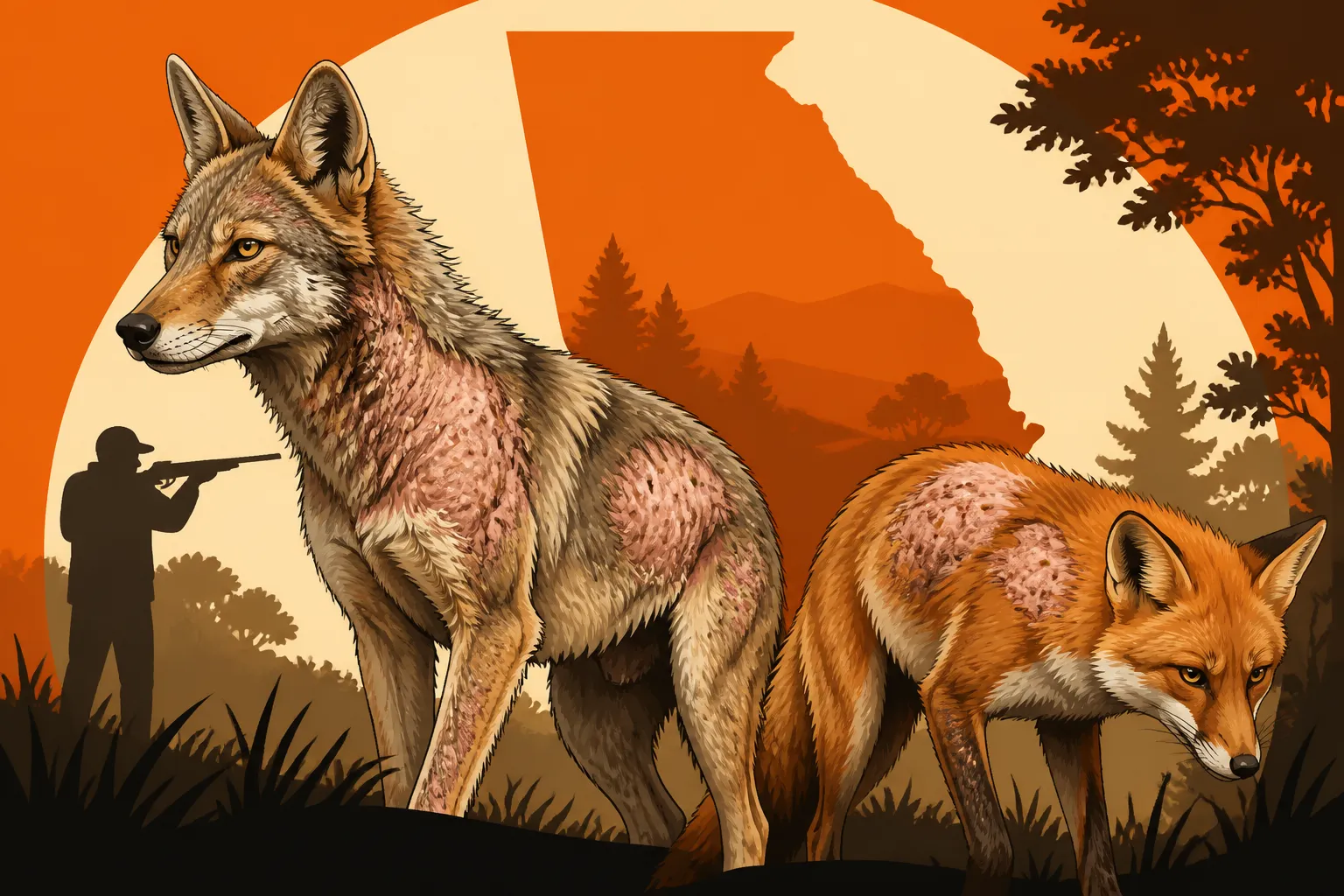
The most obvious and widespread visual sign of sarcoptic mange is extensive hair loss. This isn't just a few tufts here and there; it's often large, symmetrical patches, especially on the flanks, hindquarters, tail, and around the eyes and ears. An animal that looks like it's missing large chunks of its fur, almost as if it's been singed or shaved in places, is a strong candidate for mange. The exposed skin beneath these bald patches will often appear reddened, thickened, crusty, and sometimes have scabs or open sores from constant scratching. It might look dry, flaky, or even elephantine in texture.
Beyond the hair loss, observe the animal's overall body condition. Animals suffering from severe mange often appear emaciated. Their ribs might be visible, their hips prominent, and their gait may be weak or unsteady. The constant itching and energy expended on scratching, combined with the stress of infection, take a massive toll on their physical reserves. Their eyes might also appear dull or sunken, and they may move with less vigor than a healthy animal. You can use tools like the GoHunt app to record detailed notes and even pinpoint the location if you spot an animal that looks sick.
Behavioral Changes and Severity
An animal afflicted with mange will also often exhibit noticeable behavioral changes. The intense itching leads to relentless scratching, biting, and rubbing against trees, rocks, or other objects. You might observe a coyote or fox pausing frequently to scratch vigorously, sometimes for extended periods. This constant discomfort makes them less efficient hunters and more prone to seeking warmth, as their lack of fur leaves them vulnerable to cold temperatures. They might be seen out during unusual times of day, perhaps moving during daylight hours when they would typically be more nocturnal, simply because they are desperate to find food or warmth, or are too weak to hunt effectively under normal circumstances.
The severity of mange can vary greatly. In its early stages, an animal might only have small, localized patches of hair loss and mild scratching. However, without intervention, it almost always progresses. In severe cases, the animal can be almost completely bald, covered in scabs, and barely able to move. These animals are often lethargic, unresponsive to stimuli, and highly susceptible to secondary infections like pneumonia or hypothermia, especially during colder months. They are also much more vulnerable to starvation, as the energy spent fighting the infection and scratching leaves little for hunting.
Ecological Ripple: How Mange Impacts Georgia's Wildlife
Mange isn't just a solitary problem for an individual coyote or fox; it can send ripples through local ecosystems. As active and vital predators in Georgia's diverse habitats, the health of these canids can influence everything from small mammal populations to the spread of other diseases. Understanding this broader context is key to appreciating the role mange plays in wildlife dynamics.
Effects on Predator Populations
A severe outbreak of sarcoptic mange can significantly reduce local coyote and fox populations. The disease, left unchecked, has a high mortality rate in wild animals. As we discussed, the constant itching, secondary infections, and inability to maintain body temperature or hunt effectively all contribute to a slow decline. In areas where mange is rampant, you might notice a sharp decline in sightings or trail camera photos of these predators. This reduction can sometimes be localized, affecting certain family groups or territories more severely, but in dense populations, it can spread rapidly.
The impact isn't just about numbers; it's also about the health and genetic fitness of the surviving population. Animals that survive a mange outbreak might carry some level of immunity, but they've been severely weakened. The selective pressure of mange can alter population genetics over time, though this is a complex and long-term effect. More immediately, a diminished predator base might initially lead to an increase in prey species, at least temporarily, until the predator population eventually recovers or other predators fill the void. This fluctuating dynamic highlights the delicate balance within our Georgia ecosystems. Georgia Coyote Range and Density provides more context on where these animals typically range and how their numbers contribute to the overall ecosystem.
Broader Ecosystem Health
The presence of widespread mange can also affect broader ecosystem health. Coyotes and foxes are important mesopredators, helping to control populations of rodents, rabbits, and even fawns. If their numbers drop due to mange, there could be an uptick in these prey species. While this might sound good to a deer hunter, an unchecked increase in certain prey can lead to overgrazing or increased disease transmission among the prey animals themselves. It’s all interconnected.
Furthermore, mange can be transmitted to other species, although usually less commonly in the wild than between canids. Domestic dogs, for instance, are highly susceptible. This is why it’s so critical for hunters to be vigilant and practice good field hygiene. The interaction between wild and domestic animals, particularly hunting dogs, provides a pathway for disease exchange. The overall health of wildlife is a good indicator of the health of the environment, and widespread disease often points to other stressors within the ecosystem, such as habitat fragmentation or environmental pollution, making monitoring efforts all the more important.
Your Role: Reporting Suspected Mange Cases
As hunters, we are often the first line of defense and observation when it comes to wildlife health. You're out in the woods regularly, noticing changes and patterns that others might miss. When you encounter an animal you suspect is suffering from mange, your actions can play a small but important role in wildlife management and monitoring efforts.
How to Report Effectively
If you spot a coyote or fox that appears to have mange, don't just shrug it off. Reporting it to the Georgia Department of Natural Resources (DNR) Wildlife Resources Division is a responsible step. DNR biologists track wildlife diseases to understand their prevalence, distribution, and potential impacts. Your report, combined with others, helps them build a clearer picture of wildlife health in the state.
When you make a report, try to gather as much detail as possible without endangering yourself or disturbing the animal. Key information includes:
- Date and Time of Sighting: When exactly did you see the animal?
- Precise Location: This is critical. Use GPS coordinates if possible, or describe the location with specific landmarks (e.g., "junction of fire roads 3 and 4 on Cedar Creek WMA," or "along the edge of the powerline cut off Highway 123, approximately 1.5 miles north of the county line").
- Animal Species: Was it clearly a coyote or a fox? If a fox, what color phase?
- Description of Symptoms: Be specific. "Missing fur on its hindquarters and tail, raw-looking skin, and constantly scratching." "Very thin, moving slowly, barely any fur on its body."
- Animal's Behavior: Was it lethargic, aggressive, or just scratching?
- Photos or Video: If you can safely get clear photos or video without stressing the animal, these can be incredibly helpful for wildlife biologists in confirming the diagnosis.
You can usually find contact information for your local DNR office or a specific wildlife disease reporting hotline on the Georgia Wildlife Resources Division website. This information is vital for Georgia Wildlife Disease Monitoring.
Tools to Aid Your Reporting
In today's digital age, we have some fantastic tools at our fingertips that can make reporting much easier and more accurate. Smartphone apps like GoHunt are incredibly useful for hunters, not just for scouting but for documenting observations.
With an app like GoHunt, you can:
- Pinpoint Locations: Drop a precise GPS pin right where you saw the animal. This eliminates ambiguity and helps biologists narrow down the area of concern.
- Add Notes and Photos: Attach detailed notes about the animal's condition and any photos or videos you captured directly to your map pin. This creates a comprehensive record.
- Track Patterns: If you're consistently seeing mangy animals in a specific area, you can track these sightings over time, which can provide valuable data on the spread of the disease.
- Access Public Land Maps: Many apps, including GoHunt, have integrated public land maps, making it easy to confirm you're on a WMA or National Forest land and provide accurate location information for those areas.
While these tools don't replace direct contact with the DNR, they significantly improve the quality and accuracy of the information you provide, ultimately helping wildlife managers better address disease issues in Georgia's wildlife.
Minimizing Risk: Protecting Pets and Preventing Spread
While it's important to report mange, it's equally important to consider your own role in preventing its spread and protecting your beloved pets. Mange is highly contagious, and as hunters, we're often moving through areas where infected animals might be present. Taking a few proactive steps can make a big difference.
Field Hygiene for Hunters
When you're out hunting, especially if you're scouting or retrieving game in areas where you've seen mangy animals, simple field hygiene can go a long way.
- Avoid Direct Contact: Never approach or touch a wild animal that appears sick or dead. While you might feel empathy, direct contact is the easiest way to transmit diseases.
- Clean Your Gear: If you've been in an area with suspected mange, clean your boots, clothing, and any equipment that might have come into contact with the ground or brush. A simple wash and scrub with soap and water for boots and clothing can help. For more robust gear, a diluted bleach solution can be used, but always check the manufacturer's recommendations.
- Be Mindful of Carcasses: If you find a carcass of a coyote or fox suspected to have died from mange, handle it with extreme caution or avoid it entirely. The mites can survive for a short period off a host, especially in cooler, humid conditions.
- Hand Sanitization: Always carry and use hand sanitizer after handling anything potentially contaminated in the field, before eating or touching your face.
These practices aren't just for mange; they are good general hygiene for any interaction with wildlife to prevent the spread of various pathogens.
Safeguarding Your Hunting Dogs and Pets
This is perhaps the most critical aspect for many hunters: protecting their own dogs. Hunting dogs, especially those used for predator hunting or even just retrieving game, are at a higher risk of contracting sarcoptic mange from infected wild animals or contaminated environments.
- Vaccination and Parasite Control: While there isn't a "mange vaccine," keeping your dogs up-to-date on all their routine vaccinations and on a comprehensive parasite prevention program (which often includes medications effective against mites) is crucial. Consult your veterinarian for the best preventative measures for your specific hunting dog.
- Monitor Your Dogs Closely: After a hunt, especially if it was in an area where you suspect mange, thoroughly check your dogs for any signs of itching, skin irritation, or hair loss. Pay close attention to their ears, elbows, and belly. Early detection can lead to much more effective treatment.
- Limit Scavenging: Try to prevent your dogs from sniffing or investigating wild animal carcasses, dens, or areas where sick animals have been bedding.
- Quarantine New Animals: If you introduce a new dog to your kennel or home, always consider a quarantine period and a veterinary check-up to ensure they aren't carrying any parasites or diseases, including mange, that could spread to your existing animals.
Protecting your hunting partners, whether they're dogs or other hunters, means being diligent about disease prevention in the field. This attention to detail reflects a broader commitment to responsible hunting and conservation, ensuring the health of both wild populations and our cherished companions.
Mange in Wild Canids: A Summary
Understanding mange in Georgia's coyotes and foxes is an important part of being a responsible hunter and conservationist. It's a debilitating disease that impacts individual animals severely and can have broader effects on local wildlife populations.
Here's a quick overview of what to remember:
| Aspect | Description | Hunter Action |
|---|---|---|
| What is Mange? | Caused by Sarcoptes scabiei mites burrowing in skin, leading to intense itching, hair loss, and skin crusting. Highly contagious among canids. | Be aware of symptoms; avoid contact with sick or dead animals. |
| Identifying Signs | Visual: Patchy hair loss (especially tail, hindquarters, face), thickened/crusty skin, emaciation. Behavioral: Constant scratching, lethargy, unusual daytime movement. | Observe animals carefully; use GoHunt to document sightings. |
| Impact on Wildlife | High mortality rate in wild animals, leading to population declines. Can indirectly affect prey species and broader ecosystem balance. | Understand ecological connections; your observations contribute to wildlife health data. |
| Reporting Cases | Crucial for DNR monitoring. Provide precise location, date, species, detailed symptoms, and photos if safe. | Report sightings to Georgia DNR; use apps like GoHunt for accurate documentation. |
| Preventing Spread | Mites can survive off-host for short periods. Transmissible to domestic dogs. | Practice strict field hygiene: clean gear, avoid carcasses, wash hands. Keep pets vaccinated and on parasite prevention; monitor them for symptoms after field exposure. |
By staying vigilant, reporting your observations, and practicing good hygiene, you contribute to the health and management of Georgia's incredible wildlife resources. Whether you're interested in Coyote Calling in Georgia Farm Country or simply enjoy observing wildlife, understanding these challenges makes you a more effective and responsible outdoors enthusiast. Keep an eye out for these crucial signs, and help keep Georgia's wild places healthy.
Disclaimer
This article is for general informational purposes only and does not constitute professional advice. Laws, prices and regulations vary by location and change over time. Consult a qualified professional for guidance on your specific situation.