Georgia Dove Harvest Numbers
For many Georgia hunters, the opening day of dove season is more than just a hunt; it's a cherished tradition, a social gathering, and the unofficial kick-off to fall hunting seasons. But beneath the camaraderie and the flurry of wings, many of us wonder: how successful are we really as a collective? Understanding the overall dove harvest numbers in Georgia offers valuable insights into population health, hunting pressure, and how various factors might be shaping our experiences afield. This guide dives deep into what those numbers tell us and how they can inform your approach to dove hunting in the Peach State.
Understanding Dove Harvest Data in Georgia
It's natural to be curious about how many doves are harvested each year. We all want to know if populations are thriving, if hunting opportunities are improving, or if we need to adjust our expectations. But looking at statewide harvest numbers isn't just about bragging rights or simple curiosity; it's a vital part of managing this popular migratory game bird.
Why Harvest Numbers Matter for Hunters
When we talk about harvest numbers, we're not just throwing out statistics. For hunters, these figures are a pulse check on the health of the Mourning Doves in Georgia population. A consistent decline, for example, could signal environmental changes, habitat loss, or other pressures that might eventually affect our hunting opportunities. Conversely, stable or increasing numbers suggest a healthy population, able to sustain responsible hunting.
Understanding harvest trends can also help you become a more effective hunter. If you know that certain regions consistently show higher success, or that specific types of habitat yield better results, you can focus your scouting and efforts. It can help you gauge what a "good" day really looks like across the state versus just your personal experience on a particular field. These numbers are a reflection of both bird availability and hunter effort, offering a broader picture than what you might see from your blind alone.
How Georgia Collects Harvest Data
Unlike deer, where mandatory reporting via Georgia Game Check is required for every harvest, dove harvest data is collected a bit differently. It's largely a collaborative effort between state wildlife agencies and hunters themselves, though it relies heavily on specific federal programs.
The primary method for collecting dove harvest information, along with other migratory bird species, is through the Migratory Bird Harvest Information Program (HIP). When you purchase your Georgia Migratory Bird Certification, you're required to register for HIP. This process involves answering a few simple questions about your previous year's hunting activities for various migratory species. This survey data is then extrapolated by the U.S. Fish and Wildlife Service, in partnership with state agencies, to estimate nationwide and statewide harvest totals. It helps wildlife managers understand hunter participation and overall harvest pressure. While it's not a real-time, bird-by-bird count like the deer check system, it provides a statistically sound estimate that helps guide management decisions. So, when you fill out that HIP survey, know that you're contributing to the bigger picture of dove conservation and management in Georgia. It’s important to provide accurate information to ensure the best possible data is collected.
Trends in Georgia Dove Harvest
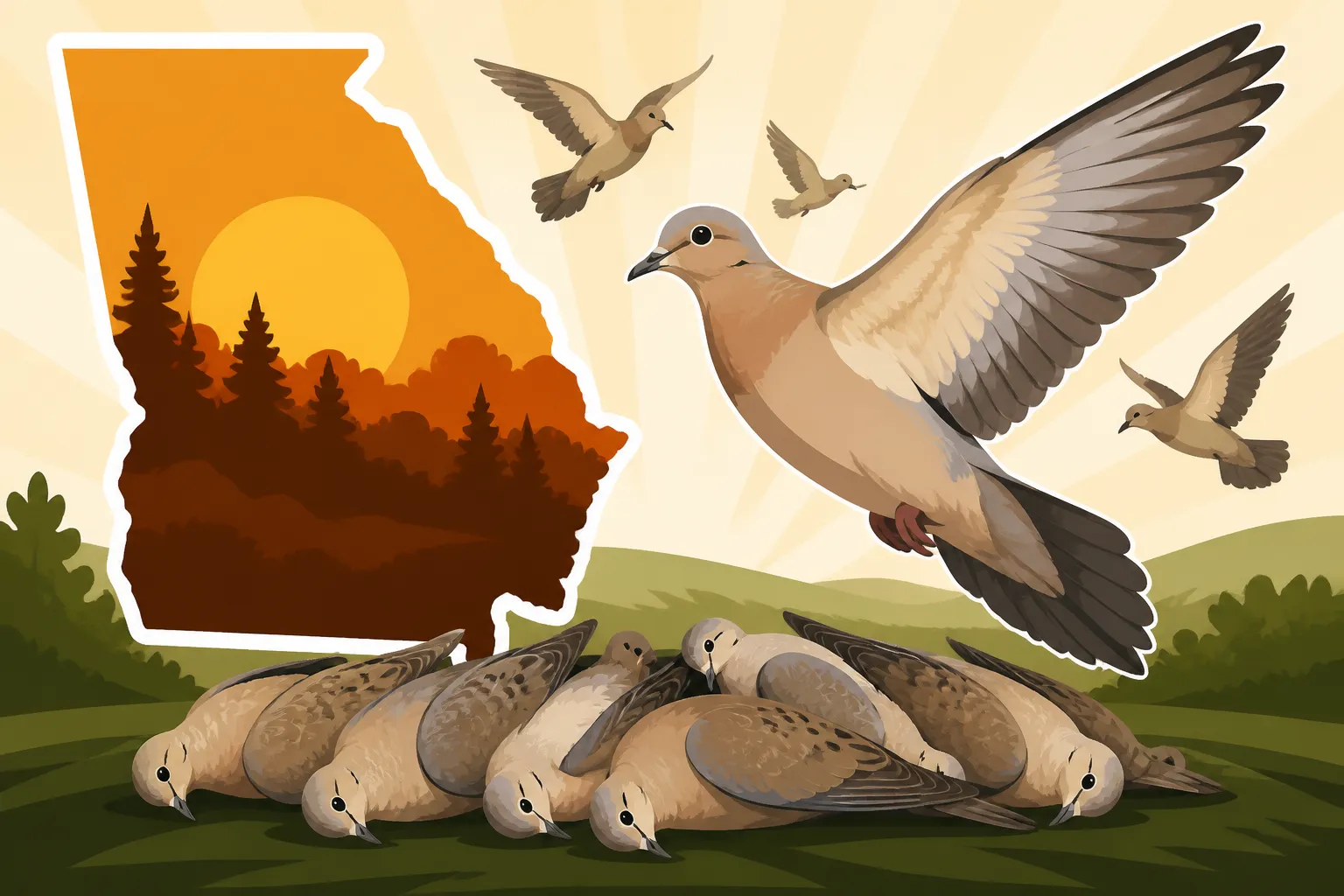
Georgia is a major destination for dove hunting, particularly during the early season. The state's diverse agricultural landscape and abundant natural food sources make it prime habitat for mourning doves. Looking at the trends in harvest numbers over the years gives us a window into the dynamics of this beloved game bird.
Overall Harvest Trends Over Time
Like any wildlife population, Georgia's dove harvest numbers tend to fluctuate from year to year. These aren't static figures; they ebb and flow based on a complex interplay of factors. Historically, Georgia has seen robust dove harvests, especially during the opening weekend of the first split. This initial rush often accounts for a significant portion of the total annual harvest, as hunters eagerly flock to fields after months of anticipation.
Factors influencing these trends include breeding success from the previous spring, which dictates the number of young birds entering the population, and the severity of winter weather further north, which can influence migration timing. A strong nesting season followed by favorable conditions can lead to higher local populations and, consequently, higher harvest numbers. Conversely, periods of prolonged drought, widespread disease outbreaks, or significant habitat alterations can lead to dips in harvest. The total number of hunters participating also plays a role; more hunters generally mean more birds harvested, assuming bird populations are stable.
While specific annual figures can vary, wildlife agencies aim for sustainable harvest levels. They monitor these trends closely to ensure that hunting pressure doesn't negatively impact the long-term health of the Georgia Mourning Dove Population Trends. Understanding these broader patterns helps ensure that future generations can enjoy the same incredible dove hunting opportunities we do today.
Regional Differences in Harvest Success
Georgia is a big state, and dove hunting success isn't uniform from the mountains to the coast. You'll find distinct regional variations that largely correlate with habitat, agricultural practices, and hunter density.
North Georgia: While less known for large-scale dove fields compared to other regions, North Georgia still offers decent opportunities, particularly on smaller private lands or some public tracts. Harvest numbers here might be lower on average simply due to less extensive agricultural areas dedicated to dove-attracting crops. Hunters might find success near isolated agricultural pockets or natural food sources, but it's often a more localized affair.
Piedmont Region: This central belt of Georgia, with its mix of rolling hills, pine forests, and expanding agriculture, often sees strong dove numbers. Many commercial dove fields are planted here, drawing in large crowds and contributing significantly to the statewide harvest. The presence of numerous farm operations means more diverse food sources, leading to consistent dove activity. Hunters in the Piedmont often experience good success, especially during the first few days of the season.
South Georgia Plantation Country & Coastal Plain: This region is often considered the heart of Georgia dove hunting. Vast agricultural lands, especially those dedicated to crops like corn, sunflowers, and millet, create ideal dove habitat. Plantation country, in particular, is renowned for its meticulously managed dove fields. Harvest numbers in these areas can be exceptionally high, particularly on well-maintained private lands. The sheer scale of suitable habitat and the availability of prime feeding areas attract and hold large numbers of doves, leading to some of the state's most memorable hunts.
When considering where to hunt, tools like GoHunt can be invaluable for identifying potential hotspots, especially on public lands where scouting might reveal promising agricultural fields or natural openings. These regional differences highlight the importance of scouting specific areas rather than relying on a statewide average for your personal expectations.
Factors Influencing Dove Harvest Success
Achieving a good dove harvest isn't just about showing up with a shotgun and a bucket. Many elements, from the vastness of the weather to the minutiae of your setup, play a critical role in determining your success in the field. Understanding these factors can drastically improve your odds.
Weather and Habitat Impact
Weather is arguably one of the most influential factors in dove hunting success. Doves are migratory birds, and their movements are highly sensitive to atmospheric conditions. Early season heat can concentrate birds around specific water sources, making them predictable targets. Conversely, cold fronts, especially those accompanied by strong northerly winds, can trigger significant migratory pushes, either bringing new birds into an area or pushing local birds out. Heavy rains can also scatter birds or make fields inaccessible, while prolonged drought can limit natural food and water, forcing doves to seek out managed plots.
Habitat, specifically food availability, is the cornerstone of successful dove hunting. Doves are primarily seed-eaters, and their presence in an area is almost entirely dictated by accessible food sources. Managed fields planted with sunflowers, corn, millet, wheat, or even certain varieties of natural weeds are magnets for doves. Fields that are harvested early or "bush-hogged" can create a smorgasbord of fallen seeds, attracting birds from miles around. Lack of these prime food sources, whether due to poor planting, early consumption, or adverse weather, will result in fewer birds and, consequently, lower harvest numbers. The health and abundance of preferred food sources directly correlate with the local dove population's density and the likelihood of a successful hunt. This is why Setting Up a Dove Field Before Opening Day is such a critical component for many landowners and hunt clubs.
Hunter Effort and Tactics
While bird numbers and habitat are crucial, hunter effort and tactics are what truly translate opportunity into harvest. It's not uncommon to see vastly different success rates among hunters on the same field, and often, the difference lies in preparation and execution.
Scouting is paramount. You can't just show up on opening morning and expect to be in the perfect spot. Successful hunters will spend time before the season observing flight patterns, identifying feeding areas, water holes, and roosting sites. They'll use tools like GoHunt to examine aerial photos and pinpoint potential funnels or pinch points where doves might fly consistently. Knowing where birds are entering and exiting a field, or which tree line they prefer to cross, can make all the difference.
Your chosen hunting tactics also matter immensely. Are you Working a Dove Field on Opening Day by sitting along an active flight path, or are you employing Pass-Shooting Doves Over a Water Hole during a dry spell? Decoy placement, camouflage, and even the type of shotgun shell you're using can all impact your retrieve-to-shot ratio. Hunters who understand dove behavior—their tendency to fly into the sun, their habit of circling before landing, or their wariness of static objects—can position themselves for better shots. Furthermore, knowing when to hunt the Hunting the Second Dove Split in October can provide excellent opportunities after the initial opening weekend pressure has subsided and new migratory birds move through. Often, the hunters who put in the extra legwork before and during the season are the ones who consistently bring home more birds.
Maximizing Your Dove Harvest in Georgia
So, you've got a handle on the data and the factors at play. Now, how do you take that knowledge and apply it to improve your own dove hunting experience in Georgia? It boils down to smart preparation, ethical considerations, and a deep respect for the resource.
Scouting and Preparation
Effective scouting is the bedrock of a successful dove hunt. Forget just rolling up to a field on opening morning; the birds have likely been there for weeks, and they know the lay of the land better than you do. Start your scouting several weeks before the season opens. Drive or walk around potential hunting areas, looking for birds feeding in fields, resting on power lines, or watering at ponds. Pay close attention to flight paths: where are they coming from, and where are they going? Doves are creatures of habit, and they'll often use the same flight corridors day after day.
Look for key elements:
- Food sources: Are there sunflowers, millet, wheat, or corn fields? Are they being harvested or cut in a way that makes seeds accessible?
- Water sources: Ponds, shallow creeks, or even muddy puddles can be dove magnets, especially during dry periods.
- Roosting cover: Dense pine trees or thick hardwoods nearby offer security. Doves will fly between feeding, watering, and roosting sites, creating predictable patterns.
Use online mapping tools, perhaps even something like GoHunt's mapping features, to identify land ownership and potential entry points if you're on public land. If you're hunting private land, ensure you have explicit permission. For public land, always check specific WMA regulations, as some areas may have unique rules or designated dove fields. The more you know about the birds' routine and the terrain, the better you can position yourself for a productive hunt.
Ethical Considerations and Bag Limits
While the pursuit of a good harvest is exciting, it's crucial to always prioritize ethical hunting practices and adhere strictly to regulations. Georgia has clear rules regarding Georgia Dove Season Bag Limit and daily limits, which are in place to ensure the sustainability of the dove population. Exceeding these limits is not only illegal but also harms the resource we all cherish. Always count your birds carefully and stop hunting once you reach your daily bag limit.
Another critical aspect is understanding Georgia Dove Field Baiting Rules. It is illegal to hunt doves over a baited field, which means placing out grain or other food to attract birds. This is a federal regulation, and violations carry significant penalties. Always ensure any field you hunt is legally prepared, meaning any agricultural practices are part of normal operations, or that specific planting and manipulation guidelines are followed for hunting purposes, without constituting baiting. If you're ever unsure about a field's legality, err on the side of caution and find another spot.
Finally, consider the safety of yourself and others. Wear appropriate blaze orange if required by state law (though typically not for doves in many scenarios, it's good to be aware of regulations for different game species) and always be aware of your shooting lanes and what's beyond your target. Recover all downed birds promptly and efficiently. Leaving crippled birds or unretrieved game is a disservice to the animal and the hunting community. By respecting the rules and the resource, you help ensure that dove hunting remains a cherished tradition for years to come.
Here's a quick look at some general factors impacting dove harvest in Georgia:
| Factor | Impact on Dove Harvest |
|---|---|
| Early Season Weather | Hot, dry conditions can concentrate birds around water, while heavy rains might scatter them or delay crop maturation, reducing prime food sources. |
| Food Availability | Abundant, readily accessible food (sunflowers, millet, corn, wheat) dramatically increases local dove populations. Poor crop years or early harvest can reduce numbers. |
| Water Sources | Critical, especially in dry periods. Doves need reliable water daily. Areas with limited water can concentrate birds, leading to higher harvest. |
| Roosting Cover | Nearby dense trees or pines provide essential roosting sites. Doves will travel between feeding, watering, and roosting areas, creating flight paths hunters can intercept. |
| Hunter Pressure | High pressure on opening day can scatter birds quickly, making subsequent hunts tougher. Birds become warier. |
| Scouting & Preparation | Pre-season scouting to identify active fields, flight paths, and water sources is paramount. Hunters who do their homework consistently have higher success rates. Tools like GoHunt can aid in identifying potential spots. |
| Timing of Splits | Success often dips after the initial rush, but later splits can offer good hunting, especially as migratory birds move through or local birds return to new food sources. |
Disclaimer
This article is for general informational purposes only and does not constitute professional advice. Laws, prices and regulations vary by location and change over time. Consult a qualified professional for guidance on your specific situation.