Where Georgia Gobblers Roost
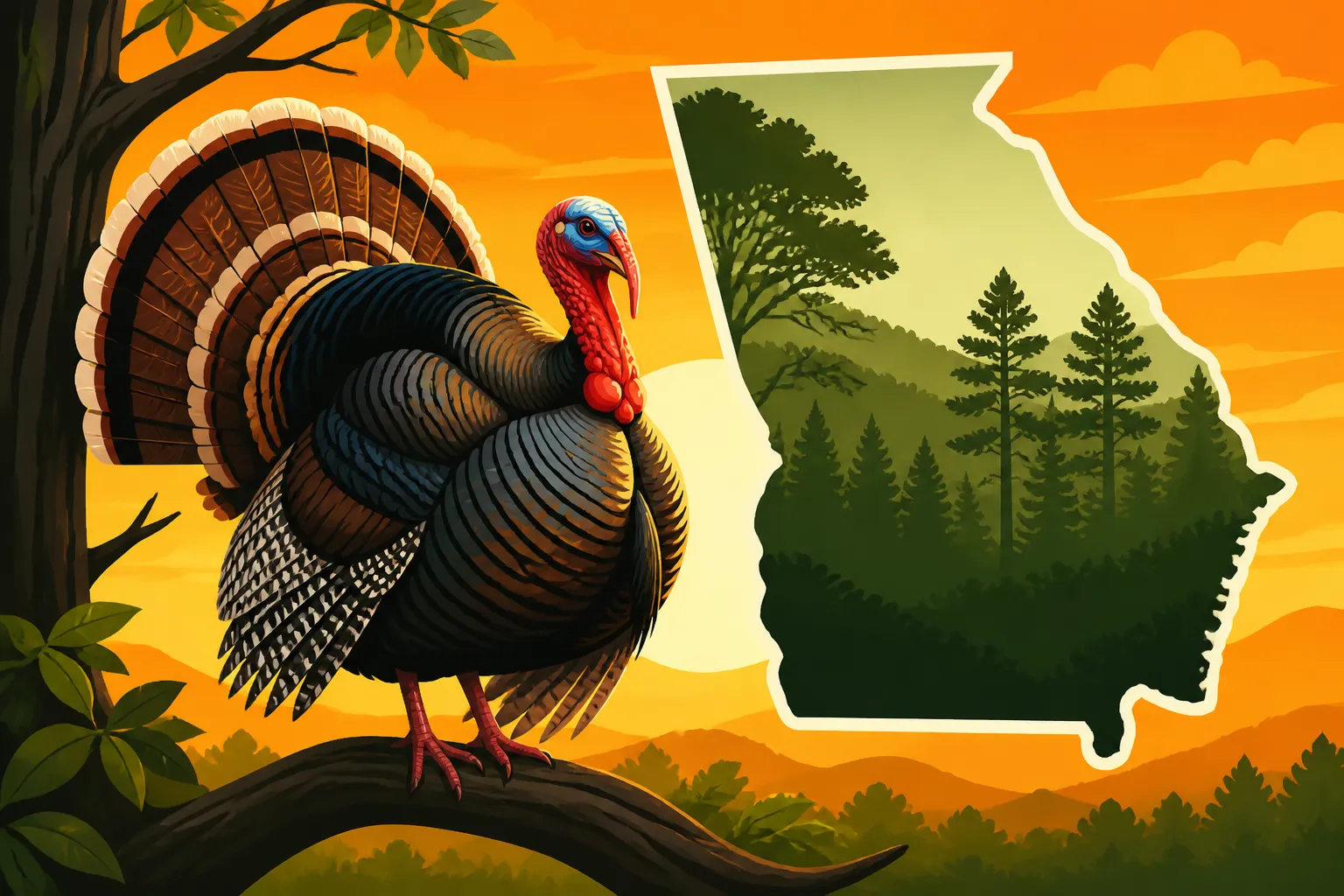
It’s a frustration many a Georgia turkey hunter knows all too well: you’re out there at dawn, full of anticipation, but you just can't seem to pinpoint where those gobblers are roosting. Knowing where turkeys spend the night is half the battle in setting yourself up for a successful morning hunt, and without that critical intel, you’re often just walking around hoping for a miracle. This comprehensive guide will walk you through understanding gobbler roosting behavior, identifying prime roosting habitats across Georgia’s diverse landscapes, and implementing effective scouting strategies to consistently locate those elusive birds.
The Science Behind the Gobbler Roost
Wild turkeys, especially mature gobblers, are creatures of habit and instinct, and their decision to roost in a particular spot isn't random. It’s a survival mechanism, a way to escape ground predators like coyotes, bobcats, and even feral hogs that might be lurking after dark. Understanding why they choose certain trees and locations is the first step in predicting where they'll be.
Safety First: Predator Avoidance and Vantage Points
When dusk approaches, turkeys seek out tall trees that offer a combination of security and a good vantage point. They don't just pick any old tree; they're looking for something that provides a clear line of sight to spot potential threats, both before and after fly-down. Often, these are the tallest trees in an area, or trees on a slight rise, giving them a commanding view. The higher they get, the safer they feel from ground-based dangers. Think about how exposed a turkey would be trying to sleep on the forest floor—it's just not an option for them.
They also prefer trees with strong, horizontal limbs that can comfortably support their weight. They'll often fly up to a lower branch first, then hop-step their way higher into the canopy until they find their preferred spot for the night. This ritual ensures they're well-settled and secure before darkness fully sets in. A common mistake hunters make is assuming turkeys roost low to the ground; while they might use a lower branch as a stepping stone, their ultimate goal is elevation and safety.
Thermal Regulation and Weather Protection
While safety is paramount, turkeys also consider comfort, especially when it comes to weather. Roosting trees offer a degree of protection from the elements. In colder weather, dense evergreens like pines can provide a bit of a windbreak and shelter from freezing rain. Conversely, on warm evenings, an open hardwood canopy might allow for better air circulation. Turkeys aren't just looking for a bedroom; they're looking for a shelter that will serve them through the night.
Moreover, dense canopy can shield them from a light drizzle or heavy dew. While they are hardy birds, minimizing exposure to constant dampness can contribute to their overall health and reduce the energy they expend trying to stay warm and dry. This means that after a heavy rain, you might find them favoring different, denser cover than on a clear, mild evening.
Decoding Georgia's Diverse Roosting Habitats
Georgia's landscape is incredibly varied, from the rugged mountains of the north to the sprawling pine plantations and swamps of the south. This diversity means that what constitutes a prime roosting site in one region might be completely different in another. You've got to think like a local turkey, wherever you're hunting.
Mountain Country Roosts
In the steep, unforgiving terrain of North Georgia, turkeys often seek out the tallest hardwoods along ridgelines or near creek bottoms. Hunting the North Georgia Mountain Bear Zone can give you an idea of the ruggedness we're talking about. These spots offer excellent visibility down into valleys and up opposite slopes, making it hard for predators to approach undetected. Look for mature oak, hickory, or poplar trees that tower above the surrounding canopy.
Sometimes, they'll roost on a bench or flat spot just below a major ridge, still giving them a commanding view. The key here is elevation and large, sturdy branches. They'll use the natural contours of the land to their advantage, often flying up from a lower elevation to a tree positioned on a rise. Don't be surprised to find them favoring trees that are somewhat isolated or on the very edge of a clear-cut or old logging road, providing that unobstructed view. Wind and Thermals on a Mountain Ridge are also critical factors for hunters to understand when approaching these areas.
Piedmont Farmland and Hardwood Roosts
The Piedmont region, characterized by rolling hills, mixed pine-hardwood forests, and agricultural fields, offers a different set of roosting options. Here, turkeys frequently choose mature hardwoods—oaks, poplars, and sycamores—that grow along creek bottoms or drainages. These trees often reach impressive heights and provide excellent cover within a riparian corridor. They also love to roost in isolated clumps of tall pines or hardwoods that stand sentinel in the middle of a large agricultural field, or on a field edge. Hunting Piedmont Farmland Deer often puts you in areas where turkeys also thrive.
These trees act like natural landmarks, providing easy navigation and familiar security. The height of the trees helps them survey the open fields for predators before flying down in the morning. A lone, massive oak in a pasture is a prime candidate. Farmers often leave these trees for shade, and turkeys certainly appreciate them for roosting. The consistency of these types of roosts makes them a little easier to pattern once you find them.
Coastal Plain and Swamp Roosts
Down in the Coastal Plain, especially in areas with extensive pine plantations or cypress swamps, roosting choices become a bit more unique. In pine country, turkeys will often use the tallest, most mature pine trees, particularly those near clearings, power lines, or along the edges of vast managed timber blocks. These pines offer sheer height and sturdy branches. In the wetter, swampier regions, look for ancient cypress, tupelo, or water oak trees that stand tall above the water or saturated ground. These massive trees provide an ideal sanctuary from alligators and other marsh predators. Hunting Georgia Swamp and River Bottom Deer will often lead you to these same types of big, old trees.
The water itself offers a protective barrier. A gobbler roosted over a cypress pond is virtually unapproachable by most ground predators. The key here is finding trees that are truly dominant in the landscape, often old-growth survivors that have withstood generations of logging or storms. These areas might require a bit more effort to access, but the reward of finding a consistently used roost can be huge. Where South Georgia Pine Flat Bucks Bed is another good read if you're exploring the general area.
Here's a quick comparison of typical roosting preferences by region:
| Georgia Region | Preferred Roost Trees | Key Terrain Features | Hunter Notes |
|---|---|---|---|
| North Mountains | Tall Oaks, Poplars, Hickories | Ridgelines, Benches, Creek Bottoms | Look for trees on high ground offering wide views. Thermals are critical for morning setup. Often more isolated birds. |
| Piedmont | Mature Oaks, Poplars, Sycamores, Tall Pines | Creek Drainages, Field Edges, Pastures | Lone trees in fields or along riparian corridors are common. Birds might be more patterned due to consistent habitat. |
| Coastal Plain | Tall Pines, Ancient Cypress, Tupelo, Water Oaks | Pine Plantations, Swamps, River Bottoms | Focus on the tallest trees near openings or over water. Be aware of dense undergrowth and potential water crossings. |
Strategic Scouting for Roosting Birds
Finding active roosts isn't about luck; it's about systematic scouting, keen observation, and knowing what to listen for. Whether you're weeks before the season or trying to locate a bird the evening before your hunt, a thoughtful approach pays dividends.
Pre-Season Scouting: Mapping Potential Hotspots
Before the season even begins, you can do a lot of legwork to narrow down potential roosting areas. Start with aerial maps, whether it's through a public land map or a specialized hunting app like GoHunt. Look for the features we've discussed: prominent ridgelines, major creek systems with mature timber, isolated stands of tall trees in open fields, or clusters of large trees within or adjacent to swamps. Scouting Georgia Public Land Before Season is an excellent resource for this.
Once you've identified these areas on the map, make a physical visit. Walk the terrain, looking for the specific types of trees turkeys prefer. Look for "turkey sign" on the ground: droppings, shed feathers, or scratch marks beneath likely roost trees. Turkeys often use the same roosting areas year after year, so finding old sign is a good indicator of potential future use. Don't forget to check under power lines or clear-cuts where they might be feeding, as roosts are often nearby.
Evening Reconnaissance: Listening for the Roost
The most effective way to locate a roosting gobbler is to be out in the woods around sundown. Turkeys will often gobble one or more times before flying up to their roost, and again a few times after they've settled in. This is your prime opportunity to pinpoint their location. Position yourself in a high-vantage area or an open field where sound travels well, and just listen.
Often, a shock gobble call (like an owl hooter or a crow call) can elicit a response, giving away their position. Be patient, and try calling from a few different spots if you don't hear anything initially. Once you hear a gobble, triangulate the sound. Pay attention to the direction and the perceived distance. Make a mental note, or even better, mark it on your GoHunt map. The goal isn't to get close and spook the bird; it’s to confirm a general location for the next morning. Remember, you're just listening, not trying to call them in.
Morning Confirmation: Fly-Down Intelligence
If you have a general idea of where a gobbler is roosted, you can refine your information by being in the area before dawn. As the sky lightens, turkeys will often gobble with increasing frequency before flying down. This is your chance to confirm their exact position and listen for the distinct "thump" of a turkey hitting the ground, or the sound of wingbeats as they fly down. Roost Hunting Georgia Gobblers details these tactics.
Again, use minimal calling during this phase, if any. Your primary objective is reconnaissance. Knowing exactly which direction they fly down, and if they're alone or with hens, is invaluable for planning your setup. Pay attention to whether they fly directly to a feeding area or linger near the roost. This information will dictate your approach for the actual hunt.
Tactics for Approaching Roosted Gobblers
Once you've successfully located a roosting gobbler, the real challenge begins: getting into a position to call him in without spooking him. This requires stealth, patience, and a good understanding of turkey behavior immediately after fly-down.
Stealthy Approaches and Setup Timing
The critical window is from before first light until the turkeys fly down. You need to move quietly and efficiently to your chosen setup location. Turkeys have incredible eyesight, even in low light, and their hearing is exceptional. Avoid making noise, breaking branches, or using a bright headlamp. Use the terrain to your advantage, slipping through depressions, behind thick cover, or along creek beds.
Your setup should be within reasonable calling distance – typically 75-150 yards from the roost, depending on the terrain and how aggressively you plan to call. This distance is close enough to be heard but far enough to avoid being easily seen or to spook them during fly-down. You want to be completely set up and motionless well before you expect the bird to fly down. Calling a Georgia Gobbler Off the Roost provides further insights into this critical time.
Decoy Placement and Calling Strategy
Decoy placement is crucial when hunting a roosted bird. If you're confident the gobbler will fly down into an open area, position your decoys where they're visible but not directly under the roost. Often, placing them 20-30 yards in front of your setup, facing you, can draw a gobbler into good gun range. A single hen decoy or a jake/hen combination can be very effective.
Your calling strategy should be adaptable. Start soft, with subtle tree yelps or soft clucks, just enough to let the gobbler know you're there as it starts to get light. Don't overcall. As the bird gobbles more aggressively, you can increase your call volume and intensity, mimicking an excited hen. If he's "hung up" on the roost, sometimes a bit more aggressive calling, or even a soft fly-down cackle, can entice him to hit the ground. Be patient; sometimes a gobbler will sit on the limb for a long time, trying to get the hen (you) to come to him. Knowing When Georgia Gobblers Go Quiet in May can also inform how aggressively you might need to call.
Reading the Bird After Fly-Down
Once the gobbler hits the ground, everything can change in an instant. He might come straight to your calls, or he might go silent and strut away with real hens. Pay close attention to his body language and gobbling patterns. If he's gobbling consistently and heading your way, stay still and let him come. If he's gobbling less and moving away, you might need to adjust your setup or try to cut him off.
Sometimes, after flying down, gobblers will work their way around obstacles, or pick up a group of real hens, making them harder to call in. If you find yourself in this situation, don't get discouraged. Sometimes the best move is to let them pass and try a "run-and-gun" approach later in the morning, or come back to the same area in the afternoon. Even if you don't connect, learning their fly-down patterns from a particular roost is invaluable for future hunts. Run-and-Gun Turkey Tactics on Public Land can be a great follow-up strategy if your morning roost hunt doesn't pan out.
Disclaimer
This article is for general informational purposes only and does not constitute professional advice. Laws, prices and regulations vary by location and change over time. Consult a qualified professional for guidance on your specific situation.