Best-Eating Game in Georgia
There's nothing quite like the satisfaction of sitting down to a meal that you've harvested yourself, especially when it comes to the incredible bounty of Georgia's wild places. But if you've ever heard someone grumble about "gamey" meat or had a less-than-stellar experience yourself, you know that not all wild game is created equal, and how you handle it makes all the difference. This guide is all about helping you understand which game species in Georgia offer the most delicious culinary experiences and, crucially, how to get the best possible flavor from your harvest.
The Unsung Delights of Georgia's Wild Game
For many folks, the idea of eating wild game conjures up images of tough, strong-flavored meat that needs heavy marinades to be palatable. While it's true that wild game can be different from what you buy at the grocery store, that "gamey" reputation often stems from improper field care, processing, or cooking methods, rather than the animal itself. Georgia is home to an incredible array of game, each offering its own unique flavor profile, and with the right approach, they can truly be the stars of your dinner table.
Dispelling the "Gamey" Myth
Let's be real: nobody wants to eat something that tastes like a dirty gym sock. The term "gamey" often gets thrown around when people describe meat that tastes overly strong, livery, or has an off-putting aroma. In many cases, this isn't inherent to the wild animal. Think about it – wild animals eat a natural, varied diet, get plenty of exercise, and aren't pumped full of artificial hormones or antibiotics. Their meat should taste clean, lean, and robust, reflecting their natural environment.
Often, what's perceived as "gamey" is actually the result of several factors that are entirely within the hunter's control. Things like slow cooling of the carcass, inadequate bleeding, leaving glands in the meat, or even simply the animal's stress level at the time of harvest can all contribute to undesirable flavors. The good news is, once you understand these factors, you can almost entirely eliminate that "gamey" taste and unlock the true, delicious potential of your harvest. It's about respecting the animal and understanding the biology of what makes good meat.
The Hunter's Role in Meat Quality
Your journey to a delicious meal begins the moment you pull the trigger or release an arrow. The ethical and responsible hunter understands that a quick, clean kill is paramount, not just for the animal's sake, but for the quality of the meat. An animal that is overly stressed or suffers a prolonged death can release stress hormones that negatively impact meat flavor and tenderness. This is why shot placement is so critical – it's about making a clean harvest that minimizes suffering and preserves the meat.
Beyond the shot, rapid field dressing and cooling are perhaps the most important steps. In Georgia's often warm climate, especially during early seasons, getting heat out of that carcass as quickly as possible is non-negotiable. I've seen too many otherwise perfect deer spoiled by being left to sit too long in the sun. This crucial initial care, combined with proper butchering and storage, is what elevates wild game from a potential disappointment to a culinary triumph. Every step, from the field to the freezer, contributes to the final taste. If you're serious about putting top-tier venison on your table, don't skimp on the post-harvest care.
A Culinary Tour of Georgia's Top Wild Game Species
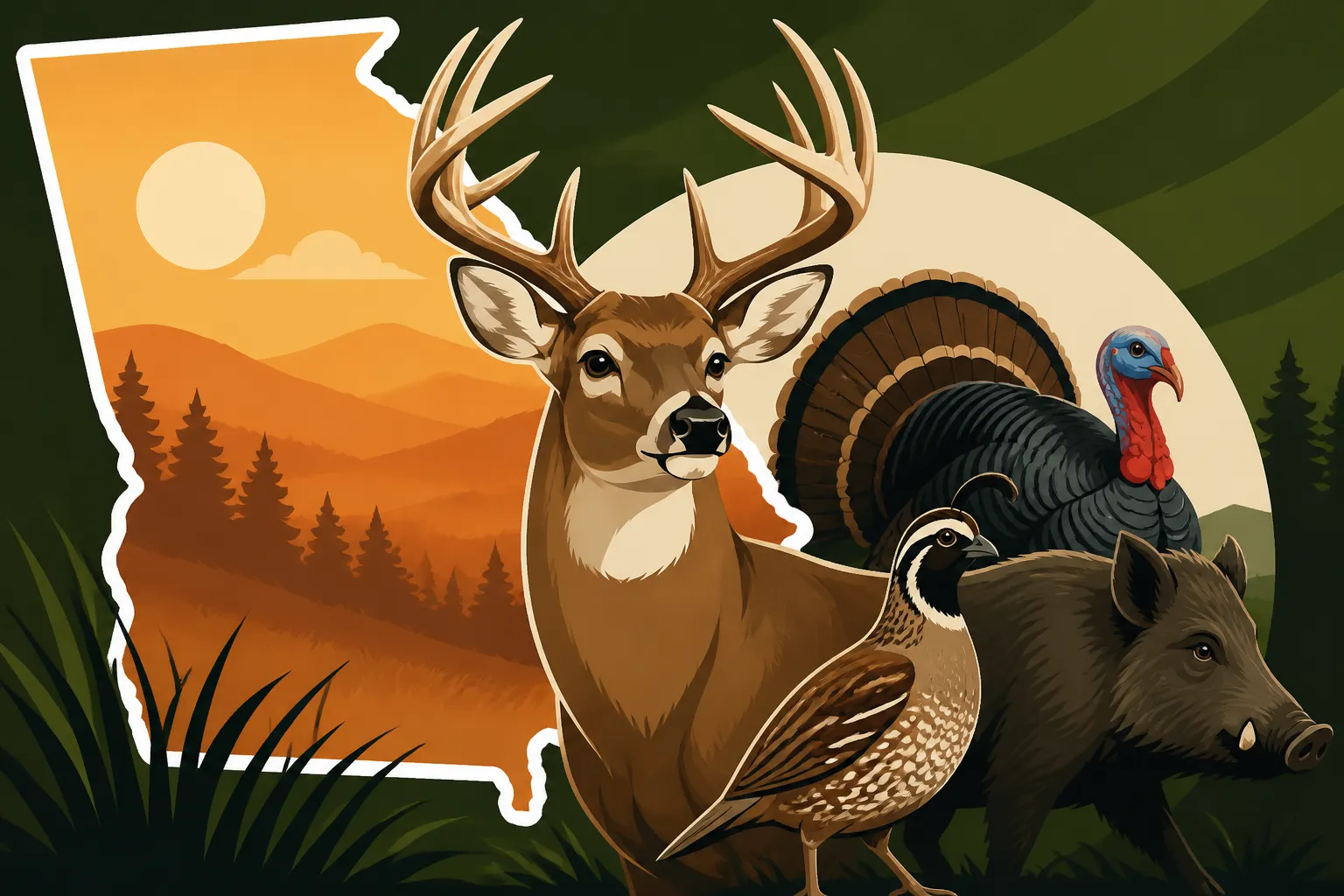
Georgia's diverse habitats support a wide range of game animals, each offering a distinct and delicious experience for the discerning palate. From the rolling hills of the Piedmont to the vast coastal plains and dense swamps, what an animal eats and where it lives will profoundly influence its flavor.
Whitetail Deer: The Versatile Venison
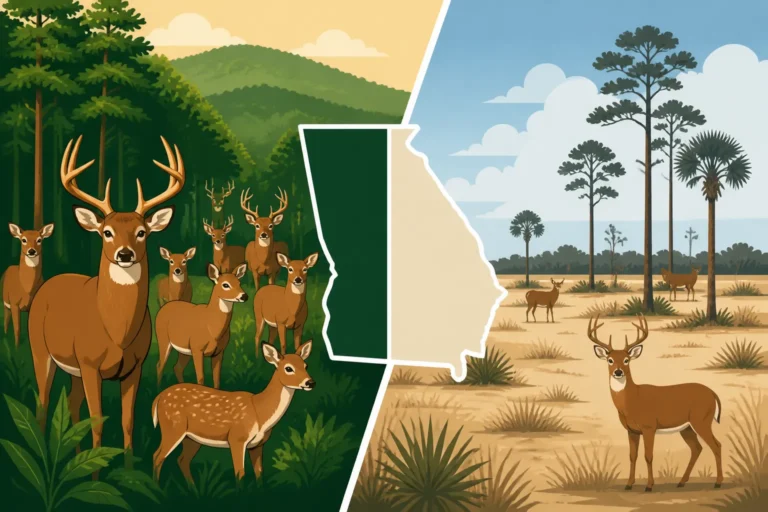
When most folks in Georgia think of wild game, venison is usually the first thing that comes to mind, and for good reason! A properly handled whitetail deer can provide some of the leanest, most flavorful red meat you'll ever taste. The flavor often reflects the deer's diet; deer feeding heavily on acorns or agricultural crops like peanuts or soybeans tend to have a milder, sweeter flavor than those that browse predominantly on woody forage in thick cover. This is particularly noticeable if you're hunting regions with diverse food sources, such as the agricultural lands of southwest Georgia.
Venison is incredibly versatile. The backstraps and tenderloins are prized for their tenderness, perfect for searing quickly or grilling. Roasts from the hindquarters can be slow-cooked to fork-tenderness, while ground venison, often mixed with a bit of pork fat, makes fantastic burgers, chili, and sausages. Remember, venison is lean, so avoid overcooking, especially the prime cuts. Many hunters find that Deer Meat Yield From a Georgia Buck can vary significantly based on the animal's size and condition, meaning more delicious cuts to experiment with in the kitchen.
Wild Turkey: A Lean, Flavorful Fowl
If you've ever savored a wild turkey breast, you know it's a world apart from anything you'll find in the grocery store. Wild turkeys are lean, muscular birds that spend their lives foraging in the woods, giving their meat a rich, slightly earthy, and incredibly robust flavor. The breast meat is often darker than domestic turkey, with a beautiful texture that holds up well to various cooking methods. I've found that big, old gobblers, especially those that have survived a few seasons, often have the deepest flavor, a testament to their wild existence.
The breast is, of course, the crown jewel, ideal for slicing into cutlets, pan-frying, or Cooking a Wild Turkey Breast whole on the grill after a good marinade. Don't overlook the legs and thighs, though! While tougher and more sinewy than the breast, they are packed with flavor and are fantastic slow-cooked, braised, or used for pulled turkey sandwiches. Just like venison, rapid cooling of the bird after the shot makes a huge difference in the final taste and tenderness.
Feral Hog: A Southern Specialty with Caution
Feral hogs are a true double-edged sword in Georgia. While they cause immense agricultural and ecological damage, they also provide an abundance of incredibly tasty wild pork. The flavor of feral hog meat can vary wildly, even more so than deer, depending on the hog's diet, age, and sex. A smaller, younger sow feeding in an acorn bottom or peanut field can provide some of the sweetest, most delicious pork imaginable, often likened to heritage breed pork.
However, larger boars, especially mature ones, can have a strong, musky flavor, particularly if they're actively breeding. This isn't always the case, but it's something to be aware of. It's also critical to remember that feral hogs can carry parasites like trichinosis, so all wild pork must be cooked thoroughly to a safe internal temperature. This isn't a suggestion; it's a hard rule for food safety. Despite the precautions, the reward of a perfectly cooked wild hog roast or sausage is well worth the effort. It's one of those uniquely Southern hunting experiences, especially since you can enjoy Feral Hog Hunting Year-Round in Georgia.
Upland Birds: Quail and Dove's Delicate Charm
For those who appreciate fine dining, Georgia's upland birds offer delicate and exquisite flavors that are hard to beat. Bobwhite quail, though their numbers have seen challenges, offer small, tender morsels of white meat with a mild, slightly sweet flavor. They are often pan-fried, grilled, or roasted whole, providing a true taste of Southern tradition. When you manage to put a few of these in the bag, it's a real treat.
Mourning doves, abundant throughout Georgia, provide another fantastic opportunity for the table. Their breast meat is dark, rich, and surprisingly tender, with a distinctly gamey, almost livery flavor that many connoisseurs adore. Doves are quick and easy to breast out in the field, making them a perfect choice for grilling wrapped in bacon, or making delicious little appetizers. Hunting a dove field on Dove Hunting Georgia Opening Weekend can lead to a fantastic feast.
Waterfowl: Rich Flavors from Georgia's Wetlands
Waterfowl hunting along Georgia's coast and in its vast swamps offers a unique culinary experience. Ducks, particularly dabbling ducks like mallards and wood ducks, tend to have richer, darker meat than upland birds. Their flavor profile depends heavily on their diet, with birds feeding on grains or nuts generally having a milder taste than those eating fish or invertebrates. Wood ducks, a popular Georgia species, offer a relatively mild and sought-after flavor among duck hunters.
Diving ducks and geese often have a stronger, more pronounced flavor due to their diet and higher fat content. This isn't a bad thing; it just requires different preparation. Many waterfowl hunters enjoy breasting out their birds and marinating them before quick searing or grilling. Slow cooking or smoking can also work wonders, breaking down tougher fibers and infusing the meat with flavor. When you're thinking about Georgia Waterfowl Hunting on Coast and Swamp, remember that the flavor of your harvest will be a direct reflection of their habitat.
Alligator: The Unexpected White Meat
While not traditionally seen as "game" in the same way as deer or turkey, alligator hunting is a managed season in Georgia, and for those lucky enough to draw a tag, it provides an utterly delicious and unique meat. Alligator tail meat is firm, white, and often compared to a cross between chicken and fish, but with its own distinct texture. It's incredibly lean and takes well to a variety of preparations.
The tail and jowl meat are the most commonly consumed parts, often fried, grilled, or used in stews and gumbos. Properly handled and cooked, alligator meat is mild, slightly sweet, and surprisingly tender. It's a fantastic conversation starter and a true taste of Georgia's wild side. If you're wondering how to prepare it, there are excellent resources on Cooking Georgia Alligator Tail Meat that can help you create a memorable meal.
From Field to Fork: Maximizing the Flavor of Your Harvest
The journey to the best-eating game in Georgia doesn't end when the animal hits the ground; in many ways, that's just the beginning. How you handle your harvest from the field to your kitchen is absolutely crucial for ensuring top-notch flavor and tenderness. Skipping critical steps here is a surefire way to end up with that "gamey" taste we're all trying to avoid.
Rapid Field Dressing and Cooling
This is, hands down, the most important step for meat quality, especially in Georgia's often warm climate. As soon as you've made a legal and ethical harvest, you need to get to work. Field Dressing a Deer in Warm Weather is not just about cleanliness; it's about rapidly removing the entrails to allow the carcass to cool internally. This prevents bacterial growth and the breakdown of muscle tissue, which can lead to off-flavors and spoilage.
Once field-dressed, get the animal cooled as quickly as possible. If you're on a public land hunt, you might be dragging it a good distance, but minimize exposure to direct sunlight. Get it to shade, prop open the body cavity, and if possible, use bags of ice placed inside the cavity for larger animals like deer or hogs. Even a few degrees drop in internal temperature can make a huge difference. For smaller game birds, get them on ice immediately. This rapid cooling halts the metabolic processes that degrade meat quality and ensures a clean, fresh taste. Using a robust app like GoHunt to scout access roads and retrieve points can significantly reduce the time your harvest spends in the heat.
Proper Aging and Butchering Techniques
After the initial cooling, the next critical phase is aging. Aging, particularly for larger animals like deer, allows enzymes in the meat to break down connective tissues, tenderizing the meat and often enhancing its flavor. While commercial butchers have walk-in coolers, home hunters can still age meat effectively. For deer, hanging a field-dressed, skinned carcass in a cool, clean environment (think 35-40 degrees Fahrenheit) for several days can work wonders. Be mindful of humidity to prevent a dry, crusty exterior. Aging Venison in Warm Weather requires careful attention to temperature control and hygiene, but the payoff in tenderness and flavor is immense.
Once aged, it's time for butchering. Precision here not only maximizes your yield but also removes unwanted elements. Carefully trim away all fat, fascia, and any bloodshot areas. Wild game fat, especially from deer and some hogs, can turn rancid quickly and contribute to a "gamey" flavor. For instance, Butchering a Deer at Camp requires attention to detail. Identifying and removing lymph nodes and any glands is also important. The goal is clean, lean muscle. If you're new to butchering, there are tons of online resources, or consider taking a class to learn proper techniques – it's an investment in your harvest.
Cooking Methods to Enhance Wild Flavors
Finally, we get to the kitchen! The way you cook wild game can either highlight its best qualities or ruin all your hard work. Because most wild game is lean, it tends to cook faster and can dry out quickly if overcooked. High-heat, quick-cooking methods like searing, grilling, or pan-frying are excellent for prime cuts like venison backstraps, turkey breast cutlets, or dove breasts. Aim for medium-rare on venison to keep it tender and juicy.
For tougher cuts, like venison roasts or hog shoulders, slow-cooking methods are your friend. Braising, stewing, smoking, or using a slow cooker will break down connective tissues, resulting in incredibly tender and flavorful meat. Don't be afraid to experiment with marinades, brines, and rubs that complement the natural flavors without overpowering them. Remember that bold flavors don't necessarily mean "gamey"; they mean robust and rich, which is a hallmark of truly wild, free-range animals.
Overlooked Gems and Practical Considerations
Sometimes, the best-eating game isn't always the most obvious. There are also important considerations beyond just the species that can greatly influence your dining experience.
Rabbit and Squirrel: Traditional Southern Fare
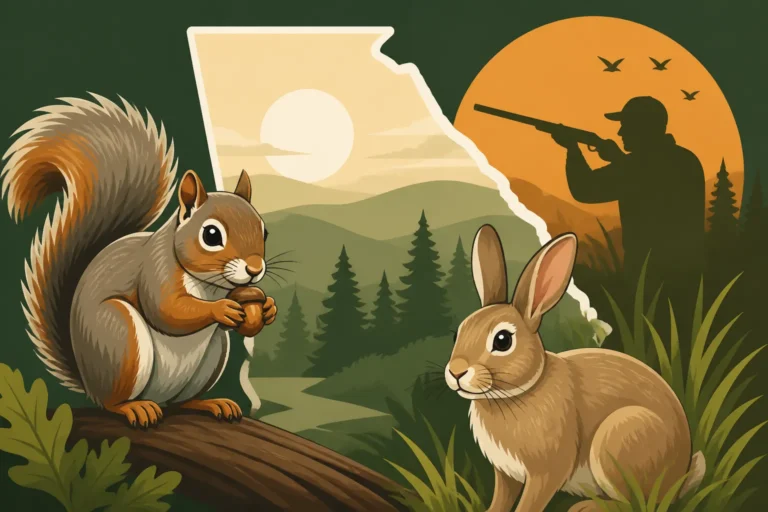
Let's not forget the smaller game that holds a special place in Southern culinary history: rabbits and squirrels. These often-overlooked animals provide delicious, lean meat that's a staple in many traditional country kitchens. Rabbit meat is mild and fine-grained, often compared to chicken, while squirrel meat is a bit darker and richer, reminiscent of a lean, dark-meat fowl. Both are incredibly versatile and excellent additions to stews, gumbos, or fried until golden brown.
These animals are abundant in Georgia's woodlands and fields, offering fantastic opportunities for year-round hunting or during their designated seasons. While they might not yield as much meat as a deer, the flavor is superb, and the hunting experience is often more accessible and less intense. If you're looking to diversify your wild game menu, don't pass up the chance to harvest a few cottontails or squirrels. They truly are some of Georgia's finest eating game.
The Impact of Diet and Habitat on Taste
I can't stress this enough: what an animal eats is paramount to its flavor. A deer that has been feasting on acorns in a hardwood bottom will often taste different from one that's been munching on pine browse or cultivated crops. The same goes for hogs—a hog rooted in a pecan orchard will taste different from one that lives in a dense swamp. This is part of the beauty and uniqueness of wild game; it reflects its environment.
When scouting for a hunt, particularly for species like deer or hogs, consider the available food sources. If you're targeting the best possible table fare, looking for areas rich in preferred foods like acorns, persimmons, muscadines, or agricultural crops can pay dividends. Using tools like GoHunt can help you identify these critical food sources on public and private lands, giving you a better chance at harvesting an animal that's been dining well. Understanding the habitat not only helps you find game but also gives you a heads-up on what kind of flavor profile to expect from your harvest. For instance, knowing the Late-Season Food Sources for Georgia Whitetails can inform both your hunting strategy and your culinary expectations.
Essential Food Safety for Wild Game
Food safety is paramount when consuming any wild game. Unlike commercially raised meat, which goes through rigorous inspection, wild game requires the hunter to take full responsibility for its safety. Beyond proper field dressing and cooling, consider these critical points:
- Temperature Control: Always keep game meat cool, ideally below 40 degrees Fahrenheit, from the moment of harvest until it's processed and stored in a freezer.
- Thorough Cooking: As mentioned with feral hogs, some wild animals can carry parasites or bacteria. Always cook wild game to the appropriate internal temperature. A meat thermometer is your best friend. For wild pork, this is especially critical.
- Cleanliness: Use clean knives, cutting boards, and gloves during field dressing and butchering. Sanitize all surfaces thoroughly afterwards.
- Storage: Vacuum sealing is excellent for freezing game meat, preventing freezer burn and preserving quality for longer.
- Inspection: If an animal appears sick, emaciated, or shows any signs of unusual lesions or abnormalities, it's best to pass on harvesting it or discard the meat.
By adhering to these food safety principles, you can enjoy the incredible bounty of Georgia's wild game with confidence and peace of mind. It’s all about respecting the animal, the land, and the food it provides.
Disclaimer
This article is for general informational purposes only and does not constitute professional advice. Laws, prices and regulations vary by location and change over time. Consult a qualified professional for guidance on your specific situation.