How Many Black Bears Georgia Has
It's easy to feel like you're seeing more and more black bears around Georgia these days, whether it's a fleeting glimpse in the mountains, a quick dart across a rural road, or even unfortunately, an encounter closer to suburban areas. This growing presence sparks a lot of questions for hunters and wildlife enthusiasts alike: just how many of these incredible animals are truly out there? This comprehensive guide will dive deep into Georgia's black bear population, exploring how wildlife managers estimate their numbers, where they thrive, and what these figures mean for the future of bear hunting in our state.
Understanding Georgia's Black Bear Population Estimates
Counting elusive, wide-ranging creatures like black bears isn't as simple as conducting a census, but Georgia's wildlife biologists work tirelessly to get the most accurate population estimates possible. When you consider how much dense forest, vast swamp, and sprawling wilderness our state holds, it becomes clear what a monumental task this is. The figures you hear are never exact down to the last cub, but they represent a scientifically derived understanding of the overall health and density of our bear populations.
The Challenges of Counting Bears
Imagine trying to count every squirrel in your backyard, let alone every bear across hundreds of thousands of acres. Black bears are naturally shy, often nocturnal, and incredibly adept at disappearing into thick cover. They also have huge home ranges, especially the males, which means they can cover vast distances and might be counted in multiple areas if not careful. This makes direct observation a non-starter for statewide estimates. Wildlife agencies rely on a combination of techniques, and each has its own set of challenges. It's a testament to the dedication of our wildlife professionals that we have any reliable numbers at all, especially when you think about the sheer wildness of places like the Okefenokee Swamp.
Methods for Estimating Bear Numbers
So, how do they do it? It's a fascinating mix of science and on-the-ground fieldwork. One common method involves marking and recapturing bears. Biologists will trap bears, often using culvert traps or snares, then tag them with ear tags, GPS collars, or even tattooing. After a period, they'll attempt to recapture bears in the same area. The ratio of marked to unmarked bears in the second capture gives them a statistical estimate of the total population. Another powerful tool is DNA analysis. Hair snares, where bears rub against a barbed wire scent station, can collect hair samples without ever having to physically capture the bear. DNA from these samples can identify individual bears, allowing biologists to track movements and estimate populations more accurately. This non-invasive method is a game-changer, especially in areas where trapping might be difficult or too disruptive. Additionally, things like harvest data, roadkill incidents, and public sightings all contribute to the overall picture, helping to fine-tune those crucial estimates. Understanding these methods is key to appreciating the official figures on How Many Georgia Black Bears There Are.
Georgia's Three Primary Bear Hunting Zones and Their Populations
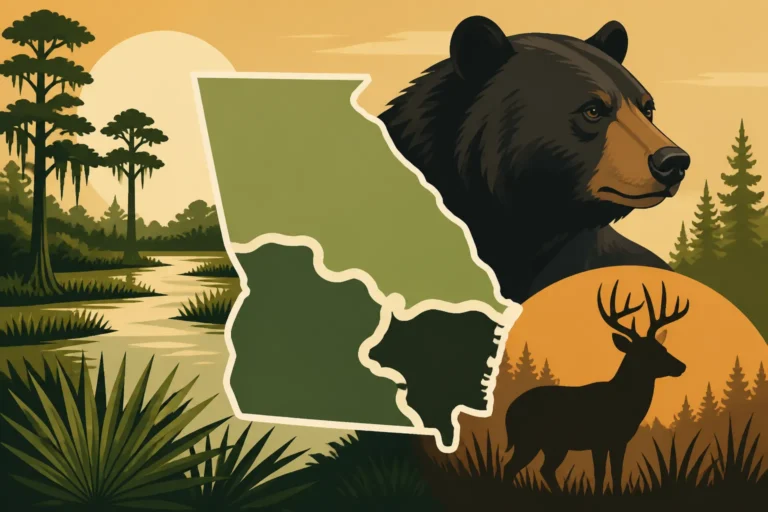
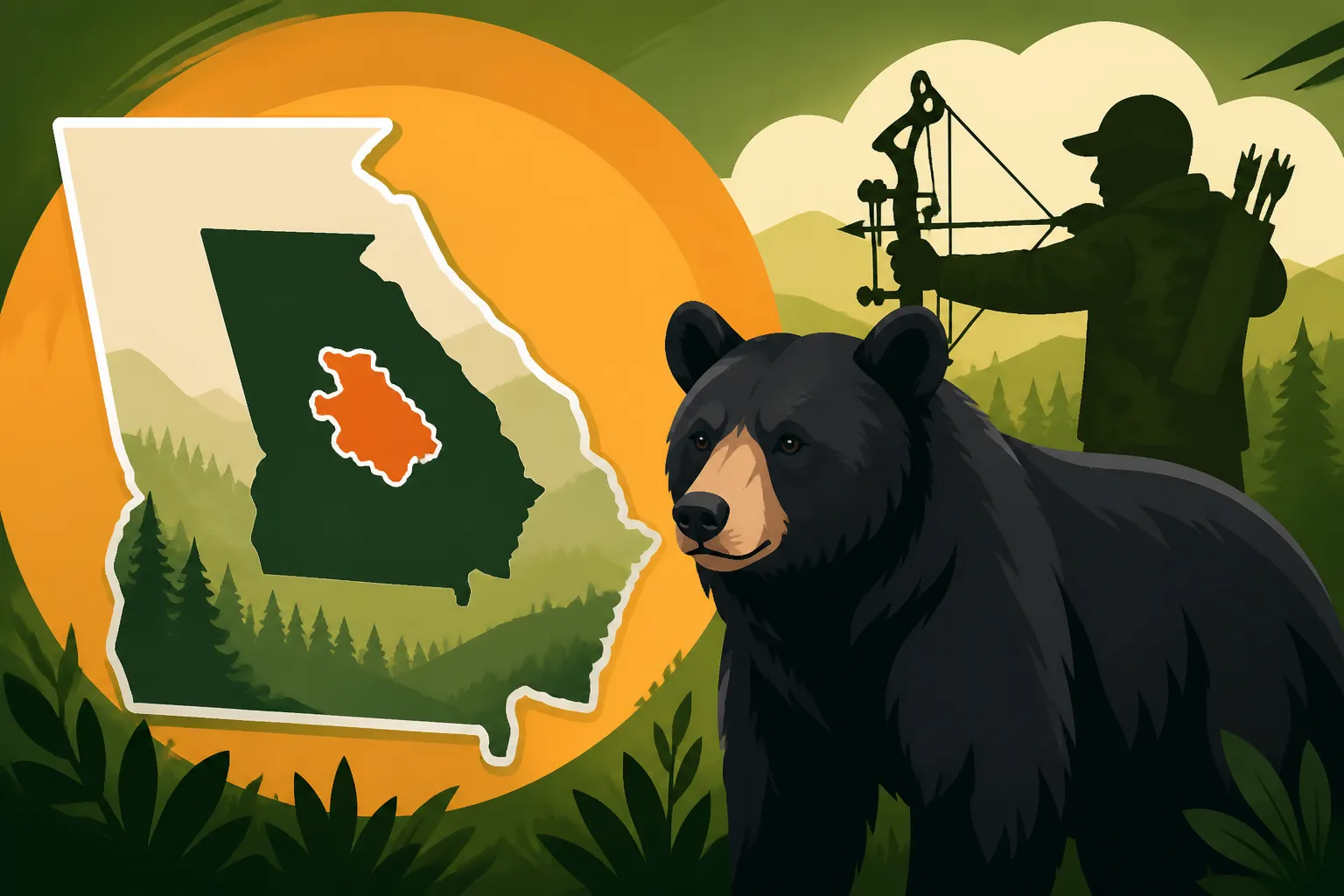
Georgia's black bear population isn't evenly spread across the state. Instead, it's concentrated in three distinct regions, which are also designated as official bear hunting zones. Each zone has its own unique habitat, population dynamics, and hunting opportunities. Understanding these zones is crucial for any hunter hoping to pursue a bear in Georgia, and it paints a clear picture of where these magnificent animals truly thrive. It's not just about the numbers, but the geography that shapes those numbers. You can learn more about the specifics of each zone's regulations in Georgia's Three Bear Hunting Zones.
The Northern Bear Zone: Mountain Stronghold
The Northern Bear Zone, encompassing much of Georgia's Blue Ridge Mountains and the Chattahoochee National Forest, is without a doubt the stronghold of the state's black bear population. This region provides vast expanses of uninterrupted forest, rugged terrain, and abundant natural food sources like acorns, berries, and insects. It's the kind of habitat where bears can truly be bears, with plenty of room to roam, den, and raise their cubs away from human disturbance. This extensive, contiguous habitat is a major reason Why the Northern Zone Holds the Most Bears. The population here is robust and well-established, representing the largest concentration of black bears in Georgia. Hunters here can expect challenging terrain but the reward of hunting in some of the state's most pristine wilderness. When planning a hunt here, tools like GoHunt can be invaluable for scouting and understanding the terrain before you even set foot in the mountains.
The Central Bear Zone: The Ocmulgee River Corridor
Moving south, we encounter the Central Bear Zone, primarily centered around the Ocmulgee River corridor and its surrounding bottomland hardwoods. This zone represents a much smaller and more isolated population compared to the northern mountains. The habitat here is characterized by river swamps, dense canebrakes, and interspersed agricultural lands. While it offers good cover and food, it's a more fragmented landscape, which limits the bear population's growth and expansion. Why the Ocmulgee Bear Population Stays Small is often attributed to this more limited and discontinuous habitat, as well as human population density in surrounding areas. Despite the smaller numbers, these bears are often large and elusive, providing a unique hunting challenge. Hunters pursuing bears in this zone often find themselves navigating dense river bottom thickets, a truly different experience than the mountain hunts.
The Southern Bear Zone: Altamaha and Okefenokee Swamps
The Southern Bear Zone comprises the vast, wild expanses of the Altamaha River drainage and the iconic Okefenokee Swamp. This region is home to another significant, though geographically distinct, bear population. These bears are adapted to life in the wetlands, often swimming between islands and utilizing cypress swamps, pine flatwoods, and dense pocosins for cover and forage. The sheer inaccessibility of much of this habitat helps protect the bears and allows them to thrive. The Altamaha and Okefenokee systems are incredibly rich in wildlife, and the bears here are a testament to that wildness. While access can be difficult, the hunting experience in these southern swamps is unlike any other in Georgia, offering a true wilderness adventure for those willing to brave the unique challenges of the marsh and cypress stands. For detailed information on specific hunts, looking into the Hunting the Altamaha and Okefenokee Bear Zone is a great next step.
Here's a quick look at Georgia's bear zones:
| Bear Zone | Primary Location | Estimated Population Trend | Typical Habitat | Hunting Opportunities |
|---|---|---|---|---|
| Northern Bear Zone | Blue Ridge Mountains, National Forest | Stable to Increasing | Extensive hardwood forests, mountainous terrain | Most consistent opportunities, challenging terrain |
| Central Bear Zone | Ocmulgee River Corridor | Stable | River swamps, bottomland hardwoods, fragmented land | Limited, unique challenges in dense cover |
| Southern Bear Zone | Altamaha River & Okefenokee Swamp | Stable to Increasing | Wetlands, cypress swamps, pine flatwoods, pocosins | Remote, challenging access, true wilderness experience |
Factors Influencing Georgia's Black Bear Numbers
Understanding just how many black bears roam our state isn't just about counting; it's about appreciating the complex interplay of factors that influence their populations. It's a dynamic system, and what happens in the woods, on our roads, and even in our suburban neighborhoods all plays a part in the overall health and size of Georgia's bear population. These aren't static numbers; they're constantly fluctuating based on a variety of ecological and human-related elements.
Habitat Health and Food Availability
Perhaps the most significant factor affecting bear populations is habitat. Black bears need large, contiguous tracts of forest with diverse food sources. In Georgia, this means healthy stands of oaks for acorns, berry-producing shrubs, and areas rich in insects and grubs. When a mast crop, like acorns, is particularly good, bears tend to be healthier, sows produce more cubs, and cub survival rates increase. Conversely, a poor mast year can lead to bears ranging wider in search of food, increasing human-bear conflicts and potentially impacting reproductive success. Maintaining large, healthy habitats, especially in the Northern Zone and around the major river systems like the Altamaha, is paramount. Efforts by the Georgia DNR and land management agencies to manage forests sustainably directly benefit bear populations. A hunter using a robust mapping platform like GoHunt can often identify these critical food source areas when scouting, giving them an edge in understanding bear movement patterns.
Human-Bear Interactions and Conflicts
As human populations expand and bears occasionally venture into developed areas, conflicts inevitably arise. Whether it's a bear raiding a garbage can, getting into bird feeders, or encountering pets, these interactions can have a negative impact on bear numbers. Road fatalities, unfortunately, are also a significant source of bear mortality, particularly as bears cross highways in search of new territory or food. While it's thrilling to see a bear in the wild, human encroachment into bear habitat and improper food storage can lead to nuisance behaviors, which sometimes result in bears having to be relocated or, in worst-case scenarios, euthanized. Education on Bear Encounters Around North Georgia Cabins is vital for residents and visitors to minimize these conflicts and help bears thrive. The more we understand how to coexist, the better off our bear populations will be.
Hunting Management and Regulations
Regulated hunting plays a critical role in managing Georgia's black bear population. Far from being a threat, carefully controlled hunting seasons, like those outlined in the Georgia Northern Bear Zone Season Rules, help maintain healthy bear numbers by balancing the population with available habitat and reducing human-bear conflicts. Biologists use harvest data, population estimates, and reproductive rates to set season lengths, bag limits, and specific hunting zones. This ensures that bears are not overharvested and that the population remains sustainable for future generations. For example, the Ocmulgee zone often has very limited hunting days, reflecting its smaller population and the need for more conservative management. Conversely, the more robust Northern Zone can support longer seasons. Hunters contribute valuable data through mandatory bear checking, which helps wildlife agencies monitor the population's health and make informed management decisions. This scientific approach ensures that hunting remains a tool for conservation, not depletion.
What Georgia's Black Bear Numbers Mean for Hunters
For those of us who love the challenge and tradition of bear hunting, understanding the population numbers is more than just a curiosity; it's essential for planning, participating, and appreciating the sport. Georgia's robust and growing black bear population, particularly in the northern and southern zones, translates to meaningful opportunities for hunters, but it also means a responsibility to hunt ethically and contribute to the ongoing conservation efforts.
Opportunities for Bear Hunters
The healthy state of Georgia's black bear population means that hunters have diverse opportunities across the state. Whether you're drawn to the rugged mountains, the dense river bottoms, or the vast cypress swamps, there's a bear hunting experience waiting for you. The Northern Zone, with its high bear density, offers perhaps the most consistent opportunities, though the terrain is physically demanding. You'll find yourself practicing Hunting Bears Over Natural Food in the Mountains, relying on scouting and patience. The Altamaha and Okefenokee areas provide truly remote wilderness hunts, a test of endurance and skill in challenging environments. Even the smaller Ocmulgee population provides a unique, highly sought-after hunt for those who draw a limited quota permit. This variety ensures that different hunting styles and preferences can be accommodated, making Georgia a fantastic state for bear enthusiasts. Keep an eye on the DNR's announcements for specific season dates and regulations for each zone, as these can be updated based on population health.
The Importance of Ethical Hunting and Conservation
With healthy bear populations comes the vital responsibility for ethical hunting and active participation in conservation. Every bear hunter in Georgia plays a direct role in maintaining these numbers. This includes strict adherence to all regulations, ensuring proper shot placement, and efficiently recovering any harvested animal. Mandatory checking of harvested bears is not just a rule; it's a critical component of data collection, helping biologists monitor population trends, age structures, and overall health. When you report your bear, you're directly contributing to the science that guides future management decisions. Beyond hunting, supporting wildlife conservation organizations and purchasing your licenses and stamps are fundamental ways to ensure that Georgia's black bear population continues to thrive for generations to come. Using resources like the Go Outdoors Georgia system for license purchases and checking regulations is a great habit that reinforces good conservation practices.
Future Outlook for Georgia's Black Bears
The outlook for Georgia's black bear population is generally positive. Continued sound management by the Georgia Department of Natural Resources, coupled with habitat preservation efforts and responsible hunting, should ensure that these incredible animals remain a vibrant part of our state's wildlife. We may continue to see some expansion of bear range, particularly into new areas as younger bears disperse from core populations. This could lead to more sightings, and potentially, more interactions with humans, emphasizing the need for ongoing education and conflict prevention. For hunters, this means that the tradition of bear hunting in Georgia is secure, provided we remain vigilant stewards of the land and its wildlife. Keep an eye on Georgia Bear Harvest Trends to stay informed about the ongoing health of the population and how management strategies are adapting. It's an exciting time to be a bear enthusiast in the Peach State!
Disclaimer
This article is for general informational purposes only and does not constitute professional advice. Laws, prices and regulations vary by location and change over time. Consult a qualified professional for guidance on your specific situation.