Georgia Deer Herd Size
Understanding the true size of Georgia's deer herd can feel like chasing a phantom. As hunters, we often wonder if deer numbers are up or down in our favorite spots, but getting a solid, statewide grasp on the population can be really tricky. This guide will walk you through how wildlife agencies estimate these elusive numbers, what those estimates mean for your hunting, and how Georgia's diverse landscapes influence where the deer truly thrive.
The Elusive Nature of Georgia's Deer Herd Numbers
When we talk about the "deer herd size" in Georgia, it's not like counting cattle in a pasture. There isn't a single, definitive number that the Georgia Department of Natural Resources (DNR) can just pull out and declare. The reality is far more complex, a dynamic picture constantly shifting with births, deaths, habitat changes, and even weather patterns. This fluidity makes it challenging, yet fascinating, to understand.
One of the biggest hurdles is the sheer scale and diversity of Georgia's landscape. From the rugged mountains of the north to the sprawling pine plantations and agricultural fields of the south, deer habitat varies wildly. A deer living in a suburban Atlanta green space has a vastly different experience, and therefore different population dynamics, than one in the vast tracts of the Oconee National Forest. Hunters often feel this firsthand; a fantastic deer season in one county might be followed by a tougher one just across the border, leading to a lot of speculation about overall numbers. What truly influences these populations are factors like the availability of quality food, the presence of predators, disease prevalence, and human development. Deer are incredibly adaptable creatures, but even they have limits. When you combine these biological factors with annual hunting pressure, you start to see why getting a precise count is a moving target. If you're keen to learn more about the species in general, our guide on White-Tailed Deer Across Georgia offers a comprehensive overview.
How Wildlife Biologists Track Deer Populations in Georgia
So, if counting every single deer isn't feasible, how do Georgia's wildlife biologists even begin to estimate the size and health of the herd? They rely on a combination of scientific methodologies and, crucially, data provided by hunters. It’s a bit like a detective solving a mystery with many clues rather than a single smoking gun.
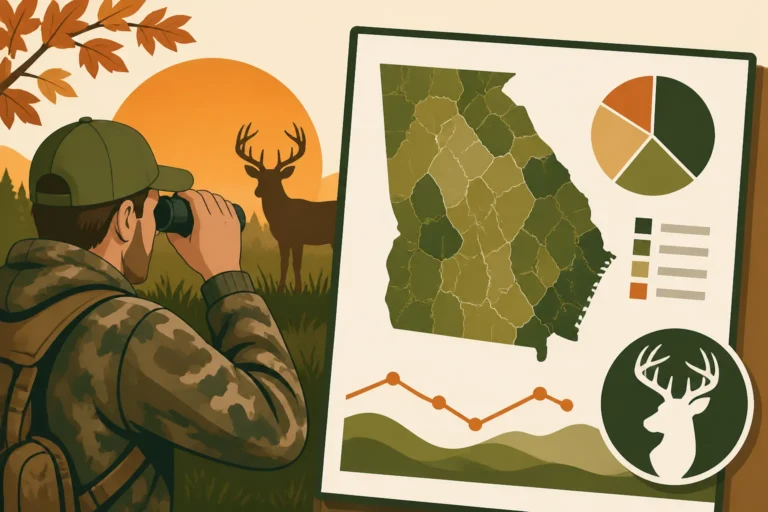
One of the primary tools is harvest data analysis. Every time a hunter checks in a deer through the Georgia Game Check system, that data point contributes to a larger picture. Biologists look at the total number of deer harvested, the sex and age ratios of those deer, and even antler measurements. If harvest numbers are consistently high in a particular area, it suggests a robust population. Conversely, declining harvest numbers can signal a need for closer examination. They also utilize biological samples from harvested deer, testing for overall health indicators and diseases like Chronic Wasting Disease (CWD).
Beyond harvest reports, the DNR employs other techniques. Spotlight surveys, conducted at night along predetermined routes, involve biologists shining spotlights into fields and woodlands to count deer. This provides a snapshot of deer density in specific areas. Infrared camera surveys are becoming increasingly popular, offering a less intrusive way to estimate populations and even buck-to-doe ratios over time. While not always used for broad, statewide estimates, these methods are invaluable for understanding localized populations and trends. Additionally, assessing fawn recruitment – the number of fawns that survive to become part of the adult population – is a critical indicator of herd health and future growth potential.
The insights gained from these methods are vital for setting season dates and bag limits. As hunters, our accurate and timely reporting of harvests is paramount. It’s not just a legal requirement; it's a direct contribution to sound wildlife management. If you're looking for more details on the DNR's methods, take a look at our article on How Georgia DNR Counts the Deer Herd. For those who like to keep their own detailed records and cross-reference with available public data, mapping and analytics tools like GoHunt can be incredibly helpful. These platforms allow you to overlay harvest data with topographical features, helping you understand patterns and make informed decisions about where and how to hunt. They can also help track your compliance with Georgia Deer Harvest Reporting Rules.
Regional Variations in Georgia Deer Density and What They Mean for Hunters
Georgia is a state of remarkable ecological diversity, and this diversity plays a massive role in where deer thrive and, consequently, where hunters find them. Thinking about a single statewide "deer herd size" can be misleading because the density of deer can vary dramatically from one region to another.
In the North Georgia Mountains, for instance, deer densities tend to be lower than in other parts of the state. This isn't necessarily a bad thing; it reflects the habitat. The mountainous terrain, vast tracts of national forest, and mixed hardwood forests generally provide less consistent, high-quality forage compared to agricultural lands. Deer here often have larger home ranges, and hunters frequently work harder for their opportunities. You might be still-hunting deep into thick timber, covering miles of rugged ground. However, these areas can produce mature, wary bucks that are a true trophy for mountain hunters. Understanding how deer move and feed in these more challenging landscapes is key.
Moving south into the Piedmont region, deer densities typically increase significantly. This area, characterized by rolling hills, mixed forests, and increasing agricultural patches, offers a richer mosaic of habitat. The presence of smaller farms, more suburban green spaces, and a blend of hardwoods and pine timber creates abundant food and cover. Deer in the Piedmont often have smaller home ranges and are more frequently encountered. Hunters in this region might focus on creek bottom funnels, field edges, and mixed timber stands. Understanding Piedmont Versus Coastal Plain Deer helps differentiate these two dominant landscapes. Public lands in the Piedmont, particularly Wildlife Management Areas (WMAs), can also hold strong populations, but often come with higher hunting pressure.
Further south, the Coastal Plain and Southwest Georgia boast some of the highest deer densities in the state. This region is a deer haven, with extensive agricultural operations (peanuts, corn, soybeans), vast pine plantations, and nutrient-rich soils that produce incredible forage. Deer here grow larger faster and often reach older ages, contributing to a robust population. The mild winters also aid fawn survival. Hunters in Southwest Georgia often experience excellent success, and this area is renowned for growing big bucks. Learning Why Southwest Georgia Grows Big Bucks can reveal even more about this prime habitat. However, even within this region, there are nuances – the deep swamps and river bottoms have their own unique challenges and deer behavior. For hunters planning trips to different parts of the state, using advanced mapping and scouting tools like GoHunt can provide invaluable insights into specific properties, showing land ownership, topographical features, and even satellite imagery to help identify potential hotspots based on these regional characteristics. It helps you understand the lay of the land before you even set foot on it.
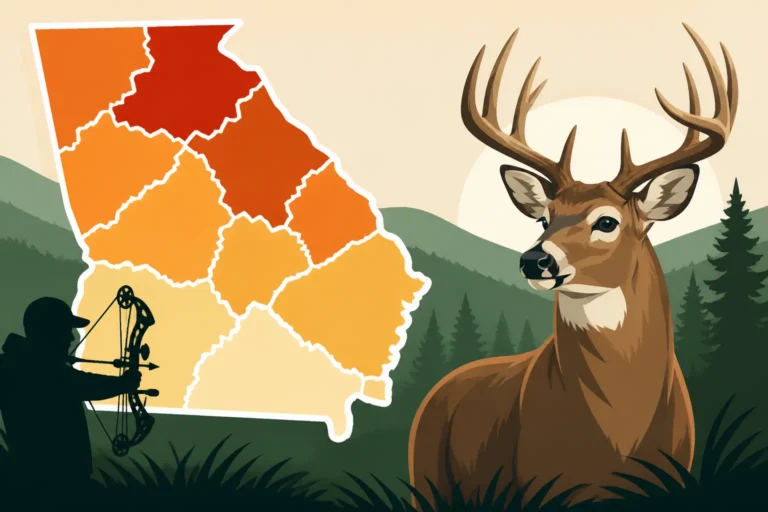
Here’s a quick overview of how deer density tends to vary across Georgia’s primary regions:
| Region | Typical Deer Density | Habitat Characteristics | Hunter Experience |
|---|---|---|---|
| North Georgia Mountains | Low to Moderate | Vast hardwoods, national forests, rugged terrain, lower agriculture | More challenging, larger home ranges, wary deer |
| Piedmont Region | Moderate to High | Mixed forests, agriculture, suburban interfaces, rolling hills | Good opportunities, varied habitat, medium pressure |
| Coastal Plain/Southwest | High | Extensive agriculture, pine plantations, rich soils, swamps | Excellent opportunities, high harvest rates, large bucks |
What Georgia's Deer Herd Size Means for Hunting Seasons and Management
The ongoing assessment of Georgia's deer herd size isn't just an academic exercise; it directly impacts how hunting seasons are structured and managed. Wildlife agencies use this information to ensure sustainable hunting opportunities while maintaining a healthy deer population.
For instance, if population estimates indicate a healthy, growing herd, the DNR might offer generous antlerless deer tags to help manage numbers, reduce crop damage, and balance the buck-to-doe ratio. Conversely, if localized populations are struggling, managers might reduce bag limits, shorten seasons, or implement other restrictions to allow the herd to rebound. This dynamic approach is why you see different bag limits across various parts of the state or even on specific WMAs. For example, understanding Georgia's Twelve-Deer Bag Limit is crucial, but knowing how to fill those antlerless tags is often dependent on local herd density.
The larger goal is to manage the herd for long-term health and hunter satisfaction. This means ensuring enough deer exist to provide ample hunting opportunities, but not so many that they overgraze habitat, become more susceptible to disease, or cause significant damage to agricultural crops and residential landscaping. Hunter success rates and feedback are also valuable inputs for wildlife managers. Your accurate reporting of successful harvests directly informs these decisions, as it's a key piece of the puzzle for understanding population trends and impacts. For more on what these numbers mean for you, check out our insights on Georgia Annual Deer Harvest.
Furthermore, emerging threats like Chronic Wasting Disease (CWD) play an increasingly significant role in herd management. While Georgia has taken proactive steps to monitor and manage for CWD, including establishing a Georgia Chronic Wasting Disease Management Area, understanding herd density is critical to mitigating its spread and impact. In areas where CWD is detected, managing herd size and movement becomes even more important. Hunters planning their seasons can use resources, potentially including detailed mapping tools like GoHunt, to review historical harvest data and understand where deer populations are thriving or where management efforts are being focused, allowing for a more strategic and successful hunt.
Disclaimer
This article is for general informational purposes only and does not constitute professional advice. Laws, prices and regulations vary by location and change over time. Consult a qualified professional for guidance on your specific situation.