Where Georgia’s Alligators Concentrate
The majestic American alligator is a true icon of the Southeast, and here in Georgia, these ancient reptiles command a healthy respect, whether you're admiring them from afar or navigating waters where they live. For many outdoor enthusiasts, understanding where these powerful creatures concentrate is essential, not just for safety and observation, but also for those interested in specific wildlife management or even the highly regulated hunting opportunities available. This guide will take a deep dive into the prime habitats and key areas across our state where you're most likely to encounter Georgia's thriving alligator population, giving you the insights needed to better appreciate and coexist with them.
Understanding Alligator Habitat in Georgia
Alligators are incredible survivors, perfectly adapted to the varied aquatic environments found across our state, particularly in the southern and coastal regions. Their preference for certain types of water bodies and surrounding landscapes dictates where they establish territories and raise their young. It's not just about having water; it's about the right kind of water with the right resources.
Ideal Environmental Conditions
Georgia's climate, with its long, hot summers and relatively mild winters, is perfectly suited for American alligators. They thrive in freshwater swamps, marshes, rivers, ponds, and even brackish water estuaries. What makes a particular spot "ideal" for an alligator? First and foremost, it needs a consistent water source that doesn't completely dry up during drought periods, offering both deep pockets for thermal regulation and shallower areas for basking and hunting. The water itself needs to be relatively slow-moving in many cases, providing calm areas for them to ambush prey and build nests. Think about those lazy, meandering blackwater rivers and vast, cypress-filled swamps—these are alligator paradises. The vegetation around these water bodies is also critical, providing cover for basking, nesting material, and shelter from the elements.
Dietary Needs and Prey Availability
An alligator's habitat isn't just a place to live; it's a giant pantry. The concentration of alligators in a particular area is directly tied to the abundance of their prey. These opportunistic predators have a diverse diet, consuming everything from fish, turtles, snakes, and birds to small mammals and even other alligators. Areas rich in aquatic life, like the vast marshlands or the intricate sloughs of a river system, naturally attract more alligators because the food chain is robust. For instance, a swamp teeming with various fish species, frogs, and wading birds will support a much larger alligator population than a clear, fast-moving stream with limited biodiversity. The availability of nesting sites near these food sources is also a huge factor, as female alligators need soft, damp earth and vegetation to construct their mounds, ensuring their hatchlings have immediate access to food upon emerging.
Major Alligator Strongholds: Coastal Plain Rivers and Swamps
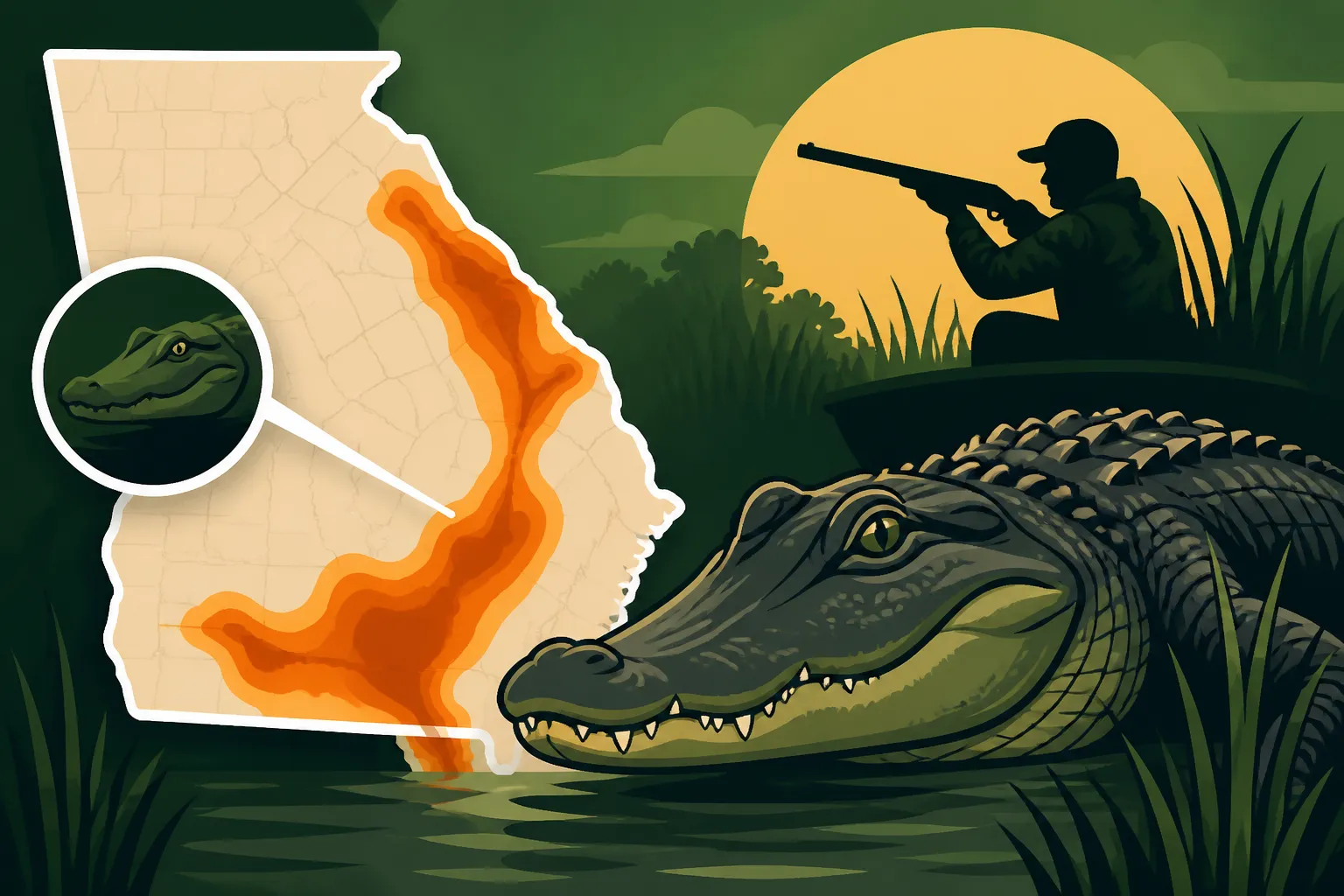
When you picture prime alligator country in Georgia, your mind should immediately drift to the vast, low-lying coastal plain and its network of rivers and expansive swamps. This is where the landscape truly caters to their needs, leading to the highest concentrations of these reptiles.
The Altamaha River Basin
Often referred to as Georgia's "Little Amazon," the Altamaha River system is arguably one of the state's most significant alligator strongholds. This massive river, formed by the confluence of the Oconee and Ocmulgee Rivers, meanders for miles through the coastal plain before emptying into the Atlantic Ocean. Its basin is a complex tapestry of main channels, oxbow lakes, sloughs, and vast bottomland swamps, particularly the massive Altamaha Wildlife Management Area. The sheer volume of water, coupled with a rich biodiversity, makes it an ideal environment. Here, alligators benefit from abundant fish populations, a myriad of waterfowl, and ample nesting grounds along the soft, muddy banks and within the dense swamp vegetation. Hunters keen on pursuing other game might even spot them while scouting for Hunting Ocmulgee River Corridor Deer in the region. The Altamaha's relatively unspoiled nature means less human disturbance in many areas, allowing alligator populations to flourish naturally. You'll find them consistently throughout the river system, from the upper reaches down to the brackish tidal marshes near the coast.
The Okefenokee Swamp
The legendary Okefenokee Swamp, one of North America's largest blackwater wetlands, is synonymous with alligators. This vast, mysterious wilderness, straddling the Georgia-Florida border, is perhaps the most famous alligator habitat in the entire state. Within its estimated 400,000 acres, you'll find an astonishing number of alligators, with estimates suggesting a population in the tens of thousands. The swamp's unique hydrology—a mosaic of open wet prairies, cypress forests, and dense hummocks—provides every conceivable resource an alligator could desire. From the sun-drenched "gator holes" that serve as crucial refuges during dry spells, to the endless supply of fish, frogs, and snakes, the Okefenokee is a veritable alligator factory. The sheer remoteness of much of the swamp also offers protection from human activity, allowing them to thrive largely undisturbed. Visitors to the Okefenokee National Wildlife Refuge will almost certainly encounter alligators, often basking along the edges of the waterways or even swimming openly across the "prairies." Understanding the unique challenges of Hunting the Okefenokee Swamp Region will also mean understanding its dominant reptilian residents.
Other Significant Coastal Rivers
While the Altamaha and Okefenokee get a lot of the spotlight, other major rivers flowing through Georgia's coastal plain also hold significant alligator populations. The Satilla River, known for its pristine blackwater and extensive adjacent wetlands, is another excellent example. It provides similar habitat to the Altamaha, with slow currents, deep pools, and plenty of cover. Similarly, the St. Marys River, which forms a portion of the Georgia-Florida border, is heavily populated with alligators, especially in its wider, swampier sections and backwaters. Even the Savannah River, particularly its lower tidal sections and associated swamps like the Savannah National Wildlife Refuge, harbors a healthy number of alligators. These rivers, along with numerous smaller creeks and canals that crisscross the flat terrain of the coastal plain, create an interconnected web of habitat where American Alligators in Georgia can move and proliferate. These waterways offer essential corridors for dispersal, allowing alligators to colonize new areas and maintain genetic diversity.
Specific Hotspots and Nuisance Areas
While the large river systems and swamps are undoubtedly the primary homes for Georgia's alligator population, these adaptable reptiles don't always stay confined to the wilderness. Their presence can extend into areas where humans are more concentrated, sometimes leading to unexpected encounters.
Suburban and Urban Encounters
It might surprise some, but alligators occasionally turn up in suburban and even urban environments, especially in the southern half of Georgia. This isn't because they prefer city life, but rather because many developed areas were once natural wetlands or are built adjacent to existing alligator habitat. Neighborhood ponds, golf course water features, drainage ditches, and retention ponds can become attractive to alligators seeking new territory or food sources. Young alligators, in particular, are known to disperse widely, and a small pond might seem like a promising new home until they realize the limitations. While these occurrences are less about "concentration" and more about "encroachment," they highlight the need for awareness even in seemingly domesticated landscapes. The Georgia Department of Natural Resources (DNR) receives numerous Georgia Alligator Nuisance Complaints each year stemming from these types of unexpected encounters.
Areas with High Human-Alligator Interaction
Certain areas, even within known alligator strongholds, experience higher rates of human-alligator interaction due to specific activities or landscape features. Boat ramps, fishing piers, and camping areas along alligator-rich rivers like the Altamaha or near the Okefenokee naturally become interface zones. When people fish and clean their catches at boat ramps, or leave scraps near campsites, it can unintentionally habituate alligators to human presence and associate it with food. This learned behavior is one of the primary drivers of nuisance alligator issues. Similarly, some of Georgia's smaller coastal islands that permit public access, like portions of Sapelo Island or Ossabaw Island, may see alligators in their freshwater sloughs or marshes. It’s a good idea to consult a resource like GoHunt to get the latest information on local regulations and common wildlife sightings before venturing into these popular outdoor recreation areas.
Factors Influencing Alligator Concentration
Alligator populations aren't static; their movements and concentrations can shift based on a variety of environmental and human-induced factors. Understanding these dynamics is crucial for both conservation and responsible interaction.
Water Levels and Drought
One of the most significant factors influencing where alligators concentrate is water level fluctuation, particularly during periods of drought. When swamps and rivers begin to dry out, alligators will seek refuge in the deepest available water sources. These "gator holes" become critical survival havens, and as water recedes, alligators will consolidate in these shrinking pockets. This concentration can make them easier to spot but also increases competition for food and space. Conversely, after heavy rains, when waterways are overflowing, alligators tend to disperse more widely across the flooded landscape, making them less concentrated in any single spot. This natural response to hydrological changes is a key part of their survival strategy, and knowing about it can help you predict their movements.
Temperature and Seasonal Movements
Temperature plays a vital role in alligator behavior and where they decide to hang out. As cold-blooded reptiles, alligators rely on external heat sources to regulate their body temperature. In cooler months, especially during winter, they become less active and may seek refuge in burrows (known as dens) or deep water, where temperatures are more stable. During these times, their concentration might be higher in these specific thermal refuges. As temperatures rise in spring and summer, alligators become much more active, basking frequently in the sun to warm up before hunting. This is when you're most likely to see them stretched out on banks or logs, trying to absorb as much heat as possible. Mating season, which typically occurs in late spring, also drives significant movement, with males actively seeking females, potentially leading to increased visibility and temporary concentrations in certain areas. Understanding these seasonal shifts is important for anyone planning to interact with these animals, whether for observation or during Georgia's specific Georgia Alligator Season Opening Date.
Human Impact and Habitat Alteration
Human activity can significantly impact where alligators live and thrive. Habitat alteration, such as wetland drainage for development, agricultural expansion, or construction of dams, can reduce or fragment alligator habitat, forcing populations into smaller, more confined areas or causing them to disperse into less suitable locations. On the flip side, the creation of artificial ponds, lakes, and reservoirs can sometimes create new habitats for alligators, drawing them into areas they might not have historically occupied. Poaching and unregulated hunting in the past significantly reduced alligator numbers, forcing them into deeper wilderness areas. However, with strong conservation efforts and regulated hunting programs, Georgia's alligator population has rebounded significantly. When considering areas for a Georgia Alligator Quota Hunt Rules, it's important to be aware of how human presence and historical land use might have shaped the current alligator distribution.
Safety and Coexistence with Georgia's Alligators
Living in a state with healthy alligator populations means understanding how to safely share their habitat. It's about respecting their space and making responsible choices to minimize conflict.
Responsible Boating and Recreation
When you're out enjoying Georgia's beautiful waterways, particularly in known alligator country, responsible behavior is paramount. Always be aware of your surroundings when boating, kayaking, or canoeing. Maintain a safe distance from alligators you encounter and never approach them, especially nesting females or hatchlings. If an alligator hisses or lunges, it's a clear warning that you are too close. Avoid swimming or allowing pets to swim in waters where alligators are known to live, especially during dawn, dusk, or night when alligators are most active. Small children and pets are particularly vulnerable targets. Similarly, avoid areas with dense vegetation along the water's edge, as these are prime basking and ambush spots. Resources like GoHunt can offer maps and additional information on areas where extra caution is advised due to wildlife activity.
What to Do in an Encounter
If you find yourself in an unexpected close encounter with an alligator, the best course of action is almost always to retreat slowly and calmly. Do not run, as this might trigger a chase response. Back away, keeping your eyes on the alligator, and put as much distance between you and the animal as possible. If an alligator becomes aggressive or charges, make as much noise as possible and try to appear large. Although rare, direct attacks on humans do occur, and usually happen when alligators associate people with food, often due to improper feeding by humans. Never feed an alligator, directly or indirectly. Discarded fish parts from cleaning stations or leaving pet food near water can lure alligators and lead to dangerous situations. This is also a crucial consideration when you are scouting for Hunting Georgia Black Bear Without Bait in shared habitats.
Reporting Nuisance Alligators
Not every alligator sighting requires intervention, but if an alligator becomes a nuisance, it's important to know when and how to report it. A nuisance alligator is generally defined as one that has lost its fear of humans, approaches people, basks near human activity, or exhibits aggressive behavior. If an alligator is simply minding its own business in its natural habitat, it should be left alone. However, if an alligator is posing a threat to people, pets, or livestock, or is in an unusual place like a swimming pool or garage, then you should contact the Georgia Department of Natural Resources (DNR) Wildlife Resources Division. They have trained professionals who can assess the situation and, if necessary, remove the alligator. Remember that alligator relocation is often not feasible, and nuisance animals frequently have to be humanely euthanized as a public safety measure. Understanding regulations around Landing an Alligator From a Small Boat also highlights the importance of respecting these powerful animals.
Alligator Population Dynamics and Management
Georgia's alligator population is robust, a testament to effective conservation and management practices. However, ongoing monitoring and adaptive strategies are essential to maintain a healthy balance between alligators and human activity.
Population Estimates and Trends
The Georgia Alligator Population Estimate is difficult to pinpoint with exact precision, but wildlife biologists agree that populations are thriving across their established range in Georgia. After severe declines in the mid-20th century due to unregulated hunting and habitat loss, alligators were listed as an endangered species. Thanks to strict protections, their numbers rebounded dramatically, leading to their removal from the endangered list in 1987. Today, Georgia manages its alligator population through regulated hunting and nuisance control programs. This balanced approach helps ensure the species remains healthy while also addressing potential conflicts with humans. Data collected from Georgia alligator nest surveys also provides valuable insights into reproductive success and population health, informing management decisions.
Regulated Hunting and Conservation
Georgia has a tightly regulated alligator hunting season, which is a vital part of the state's wildlife management strategy. This quota hunt, where a limited number of permits are issued, targets specific zones and helps manage population numbers in areas where alligators are abundant. Hunters interested in participating must apply for a quota hunt permit and, if successful, must adhere to strict rules regarding Minimum Legal Alligator Length in Georgia and methods of take. The revenue generated from these permits helps fund conservation efforts for alligators and other wildlife. It's important to distinguish between responsible, regulated hunting and poaching; the latter remains a serious crime that undermines conservation efforts and disrupts population health. For those considering participation, researching current rules and applying for permits via the official Go Outdoors Georgia site is the only legal pathway.
The Importance of Education and Awareness
Ultimately, the best way to coexist with Georgia's alligators is through education and awareness. Understanding their natural behavior, their preferred habitats, and the factors that influence their movements helps prevent negative interactions. Programs that educate the public, especially those living or recreating in alligator country, are crucial. Knowing how to properly dispose of fish remains, avoiding feeding wildlife, and keeping pets on a leash near water are simple yet effective ways to prevent alligators from associating humans with food, thereby reducing the likelihood of nuisance situations. By respecting these ancient reptiles and their vital role in Georgia's ecosystems, we can ensure their continued presence for generations to come.
| Alligator Concentration Region | Primary Habitat Type | Key Rivers/Swamps | Characteristics | Human Interaction Level |
|---|---|---|---|---|
| Coastal Plain | Blackwater Rivers, Swamps | Altamaha, Satilla, St. Marys, Savannah | Abundant food, dense cover, stable water levels | Moderate to High |
| Okefenokee Swamp | Vast Blackwater Wetland | Okefenokee Swamp | Remote wilderness, high population density | Controlled |
| Piedmont Fringe | Lakes, Reservoirs, Large Ponds | Lake Seminole, Lake Blackshear | Less common, often linked to established bodies | Low to Moderate |
| Urban/Suburban | Retention Ponds, Golf Courses | Scattered throughout South GA | Often transient, higher nuisance potential | High (potential) |
Disclaimer
The information provided in this guide is for general informational purposes only and is not a substitute for official regulations, professional advice, or personal responsibility. Hunting regulations, wildlife behavior, and environmental conditions can change rapidly. Always consult the latest Georgia Department of Natural Resources (DNR) guidelines, secure appropriate licenses and permits, and prioritize safety when engaging in any outdoor activities in Georgia's wild spaces.