Georgia Deer Harvest Records
Understanding Georgia’s vast and dynamic deer population can feel like trying to solve a puzzle with a thousand pieces. As hunters, we want to know where the deer are, how healthy the herd is, and ultimately, how to improve our chances afield. This comprehensive guide will dive deep into Georgia's deer harvest records, explaining what they mean, how they're collected, and most importantly, how you can use this invaluable data to become a more informed and successful hunter.
Understanding Georgia's Deer Harvest Reporting System
For anyone who’s ever filled out a harvest report after a successful hunt in Georgia, it might seem like just another piece of paperwork. But let me tell you, that simple act is the bedrock of intelligent wildlife management in our state. Without every single hunter doing their part, the Georgia Department of Natural Resources (DNR) would be flying blind, making decisions based on guesses instead of solid facts.
The Importance of Accurate Reporting
Think about it: when you report your deer, you're not just telling the state you harvested an animal. You're contributing crucial data points that, when compiled with thousands of other reports, paint a detailed picture of the health and distribution of Georgia's white-tailed deer herd. This information helps wildlife biologists track population trends, understand local deer densities, and even identify potential disease outbreaks before they become widespread. It’s a real, tangible way that every hunter directly impacts the future of hunting in our state.
If reporting sounds like a chore, consider the alternative: poorly managed deer populations. Without accurate data, the DNR wouldn't know if a county's deer numbers were declining, requiring reduced bag limits, or if they were exploding, potentially leading to increased crop damage and deer-vehicle collisions, and necessitating more liberal harvest opportunities. Your report directly influences critical decisions like setting season dates, adjusting bag limits like the generous Georgia's Twelve-Deer Bag Limit, and allocating resources for habitat improvement projects. It's a collective effort, and your contribution truly matters.
Ultimately, the collective impact of individual hunter reports creates a powerful dataset. This data allows the state to manage the deer herd sustainably, ensuring there are healthy populations for generations to come. It’s about more than just numbers; it’s about responsible stewardship and preserving the hunting heritage we all cherish. When we all pitch in with our accurate reports, we're building a stronger foundation for Georgia deer hunting.
How to Report Your Deer Harvest in Georgia
Reporting your deer harvest in Georgia is a pretty straightforward process, but it’s easy to make mistakes if you’re not paying attention. Once you’ve successfully harvested a deer, the Georgia DNR requires you to report it through their Georgia Game Check system within 72 hours. You can do this easily online through their website, via a dedicated mobile app that's pretty user-friendly, or by calling a toll-free number. Each method aims to be convenient, but having your license number and the specific details of your harvest ready makes it a breeze.
One of the most common pitfalls hunters face is simply forgetting to report within that 72-hour window, especially if you’re out on a multi-day trip or just riding high on the excitement of the hunt. Another frequent error is selecting the wrong county or incorrectly identifying whether the deer was taken on private land or a Wildlife Management Area (WMA). These details are critical for accurate data collection, as they help the DNR pinpoint localized population dynamics. Always double-check your information before submitting to ensure your valuable data isn't skewed. You can find all the specific requirements and steps detailed in the Georgia Deer Harvest Reporting Rules.
When you go to report, you'll need to provide several key pieces of information. This includes your customer ID (from your hunting license), the date of the harvest, the county where the deer was taken, and the sex of the animal. For antlered bucks, you'll also need to count the number of points on both antlers. This level of detail helps biologists not only track overall population numbers but also understand age structure within the herd, which is vital for assessing herd health and future management strategies. Keeping good notes immediately after the harvest, perhaps even a quick photo of the antlers, can save you a headache later.
Deciphering Georgia's Annual Harvest Reports
Georgia's annual deer harvest reports can seem like a dense collection of statistics, but once you learn to read them, they offer a fascinating look into the health and trends of our state's deer population. These reports are more than just raw numbers; they tell a story about hunting pressure, habitat conditions, and the effectiveness of current wildlife management strategies. Understanding these metrics empowers you to make more informed decisions about where and how you hunt.
Key Metrics in the Harvest Data
When you look at the reports, you'll consistently see figures for "total harvest," which is pretty self-explanatory – every deer reported in a given season. But then it breaks down further into "buck harvest" and "doe harvest." These distinctions are incredibly significant. A high buck harvest relative to doe harvest, especially year after year, might indicate an imbalance in the herd's sex ratio, which can impact breeding success. Conversely, a strong doe harvest in areas with high populations is often a sign of effective population control, which is essential for maintaining a healthy and balanced herd.
Beyond simple counts, wildlife biologists also analyze metrics like harvest per unit area, often expressed as deer per square mile. This gives a much clearer picture of deer density in specific regions or counties. For example, if you see a county reporting a high total harvest but a low harvest per square mile, it might suggest a larger geographic area with scattered deer, rather than a concentrated population. These figures are crucial for identifying areas where deer populations might be thriving, or conversely, where they might be struggling and need conservation attention.
Lastly, don't overlook success rates and participation numbers. Success rates—the percentage of hunters who successfully harvest a deer—can tell you a lot about the ease of hunting in a particular season or region. If success rates dip, it could be due to tougher hunting conditions, lower deer numbers, or increased hunting pressure. Participation numbers, on the other hand, reveal how many hunters are actually out in the woods. These numbers help the DNR understand the overall economic impact of hunting and can sometimes correlate with hunting pressure, especially on public lands.
Regional Differences in Harvest Trends
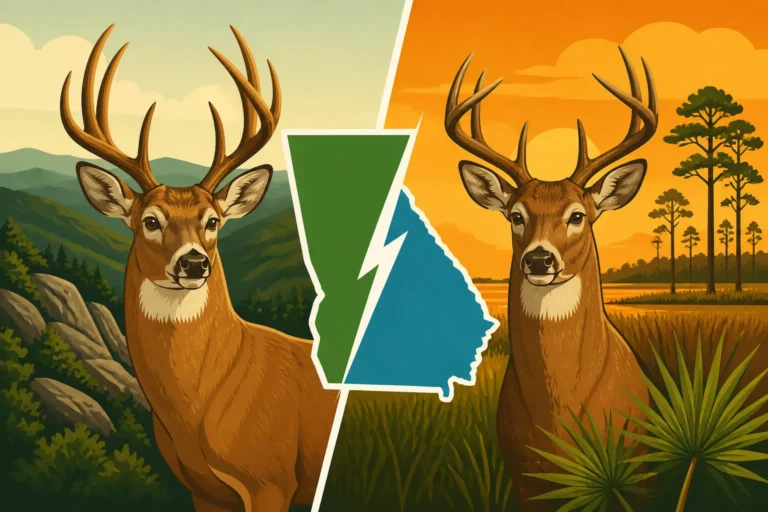
Georgia is a diverse state, from the rugged mountains of the north to the sprawling pine forests and agricultural fields of the south. It stands to reason that deer harvest trends vary dramatically across these regions, reflecting differences in habitat, land use, and hunting culture. What works in one part of the state might not hold true in another, and harvest reports highlight these distinctions clearly.
In the North Georgia mountains, for instance, you'll often see lower overall harvest numbers compared to other regions. This isn't necessarily because there are fewer deer, but rather due to the challenging terrain, dense cover, and often lower deer densities per square mile. Hunters here might work harder for fewer deer, but the quality of the hunting experience is often unparalleled. The focus might be more on larger, more mature bucks that are harder to come by, and the total Deer Density by Georgia Region can be quite a bit different than the Piedmont.
Contrast that with the Coastal Plain and Southwest Georgia, where expansive agricultural fields and managed timberlands provide abundant food sources. Here, you'll frequently see higher total harvest numbers, particularly for does. This region often has higher deer densities and more liberal antlerless harvest opportunities to manage large populations that can impact crops. You might even notice the influence of the Georgia's Chronic Wasting Disease Management Area in certain counties, where harvest and testing protocols are different due to CWD concerns, potentially affecting the numbers. The harvest data reveals these regional management priorities and ecological realities.
The Piedmont region, often characterized by a mix of suburban sprawl, mixed hardwoods, and smaller agricultural plots, presents its own unique harvest profile. Deer populations can be robust, especially around urban edges where hunting pressure is often lower. Harvests here might show a balance between bucks and does, reflecting a healthy, growing population adapting to human presence. Understanding these regional nuances in harvest data is crucial for any hunter hoping to maximize their success, whether they're chasing mountain bucks or chasing down does in a South Georgia peanut field.
What Harvest Records Tell Us About Deer Population Health
Harvest records are much more than just a tally of animals taken. For wildlife biologists and seasoned hunters, they serve as a vital diagnostic tool, offering profound insights into the overall health, dynamics, and future trajectory of Georgia’s deer population. By carefully analyzing these numbers, we can understand if a herd is thriving, struggling, or simply maintaining a sustainable balance.
Tracking Population Growth and Decline
One of the primary uses of consistent harvest data is tracking long-term population trends. When you look at the total harvest numbers over several years, coupled with other indicators like fawn recruitment rates (how many fawns survive to adulthood), you can start to see patterns of growth or decline. A sustained increase in harvest numbers, without a corresponding increase in hunter effort, often suggests a growing deer population. Conversely, a steady decrease can signal a decline, prompting wildlife managers to investigate potential causes like disease, habitat loss, or over-harvest. This is how the DNR crafts the official Georgia Deer Population Estimate each year.
The role of antlerless harvest is particularly important in managing herd size. In areas with high deer densities, increasing the doe harvest helps to control population growth, prevent overbrowsing of habitat, and ensure the remaining deer have ample food resources, leading to healthier animals. On the other hand, if doe harvest is too low in an area with a booming population, it can lead to an imbalanced buck-to-doe ratio and potentially smaller, less healthy deer due to competition for resources. The Georgia's Twelve-Deer Bag Limit for antlerless deer in some areas reflects this need for population control.
Recognizing red flags in harvest data is crucial for proactive management. A sudden, unexplained drop in harvest numbers in a specific county, for instance, might trigger an investigation into potential EHD (Epizootic Hemorrhagic Disease) outbreaks, severe weather impacts, or localized habitat degradation. These early warnings, gleaned directly from hunter reports, allow the DNR to respond quickly, implementing targeted management strategies to mitigate problems and protect the herd. It’s a true partnership between hunters and wildlife managers.
Understanding Age Structure and Antler Quality
Beyond just population numbers, harvest data can offer intriguing clues about the age structure of the buck population and, by extension, the overall antler quality. While specific age data isn't collected from every harvested deer, the ratio of antlered bucks to antlerless deer, and even trends in average antler points reported, can paint a picture. If reports show a high percentage of young bucks (e.g., spike or four-point yearlings) being harvested, it suggests a younger age structure within the buck herd, meaning fewer bucks are surviving to older age classes where they can develop larger antlers.
Harvest regulations play a significant role in shaping this age structure. For example, some states implement antler point restrictions to protect younger bucks and allow them to mature. While Georgia doesn't have statewide antler point restrictions, managing doe harvests helps balance the herd, which in turn can lead to improved nutrition for bucks and better antler development. Hunters often aspire to see an increase in older, more mature bucks, and consistent harvest records over time are the best way to track if this goal is being achieved. That’s why areas like Why Southwest Georgia Grows Big Bucks are highly sought after—they often have the combination of genetics, nutrition, and age structure that allows bucks to reach their full potential.
Ultimately, the goal of many management programs, often supported by harvest data, is to foster a healthier and more natural age structure within the deer herd. This means having a good mix of age classes, including a decent proportion of older bucks. While the ultimate size of a buck’s rack is influenced by genetics, age, and nutrition, harvest data helps us understand if bucks are living long enough to express that potential. It's not just about Boone and Crockett scores, but about a robust and resilient deer population.
Top Performing Counties and Record-Setting Bucks
Every hunter dreams of that one memorable hunt, whether it's for a freezer full of venison or a truly impressive trophy. When it comes to Georgia deer, certain counties consistently rise to the top of harvest reports, year after year, offering excellent opportunities. Beyond just quantity, Georgia also boasts a rich history of producing incredible, record-book bucks that inspire awe and fuel our passion for the hunt.
Counties Consistently Producing High Harvests
If you're looking at where to spend your hunting efforts, the annual harvest reports from the Georgia DNR are a fantastic resource. While deer are found in all 159 counties, some consistently stand out for their sheer volume of harvested deer. Historically, counties in the fertile agricultural belt of the Coastal Plain, such as Burke, Laurens, and Washington counties, frequently appear at the top of the list for total deer harvested. These areas benefit from a potent combination of abundant food sources from farming operations, extensive private landholdings, and ideal habitat that allows deer populations to thrive.
What makes these areas so productive for deer hunting? It's often a blend of factors: vast tracts of private land where deer can mature with less pressure, diverse habitats ranging from dense woods to open fields, and proactive land management practices by landowners focused on wildlife. Hunters in these "hotspot" counties often have access to leases or private land, but even public lands within or near these zones can benefit from the healthy surrounding deer populations. This kind of data can be a real game-changer when you're planning your season, helping you decide Which Georgia County Kills the Most Deer and where your efforts might be best spent.
Understanding these high-performing counties isn't just about picking a spot; it's about learning what makes them tick. By studying the characteristics of these areas—the types of crops, timber management, and pressure dynamics—you can apply similar scouting principles to other counties or public lands that might share those traits. Whether you're seeking high-volume opportunities for venison or targeting a mature buck in an area known for strong genetics and nutrition, these consistent performers offer a roadmap to potential success.
Georgia's Record Book and Notable Harvests
Beyond the sheer numbers of deer harvested, Georgia has a proud tradition of producing truly magnificent, record-book bucks. The state maintains its own Georgia Deer Record Book, recognizing hunters who harvest exceptional animals through fair chase methods. These aren't just big deer; they often represent the pinnacle of a lifetime of hunting dedication, combined with ideal conditions that allow bucks to reach their genetic potential for antler growth. These records inspire hunters, showing what's possible in the Georgia woods and cementing the legacy of some truly incredible animals.
The stories behind some of Georgia's most famous or largest deer are legendary among local hunters. Imagine the heart-pounding moments, the careful stalking, and the precise shot that brought down a buck with an incredible rack. These tales often involve specific regions or counties that consistently produce Georgia Boone and Crockett Whitetails, like parts of the Piedmont and Coastal Plain known for rich soils and agricultural abundance. It's a testament to both the quality of Georgia's deer herd and the skill and patience of its hunters. These aren't just trophies; they're symbols of respect for the animal and the hunting tradition.
If you're fortunate enough to harvest a buck that you believe could qualify for the Georgia Record Book, or even the more prestigious Boone and Crockett or Pope and Young record books, there's a process to get it officially scored and recognized. This usually involves contacting a certified scorer who can accurately measure your deer’s antlers according to the established criteria. The pride that comes with having your trophy recognized, knowing it stands among the best in the state's history, is an unforgettable part of the hunting experience. It's a way to honor the animal and your accomplishment, linking your hunting story to the broader narrative of Georgia Deer Record Book history.
Practical Applications for the Georgia Hunter
Alright, we’ve talked a lot about numbers, reports, and populations. But how does all this data actually translate into boots-on-the-ground success for you, the Georgia hunter? The real magic happens when you take these insights and weave them into your personal hunting strategy, becoming a more effective and ethical participant in our state’s rich hunting heritage.
Using Data to Inform Your Hunting Strategy
Harvest data isn't just for biologists; it's a powerful tool in your scouting arsenal. Before the season even begins, you can dive into county-level harvest reports, regional trends, and even specific WMA reports to pinpoint areas that show consistent activity or a desirable buck-to-doe ratio. For instance, if you see a particular county consistently reporting a high number of mature bucks, it might be worth focusing your scouting efforts there. Similarly, if a WMA has a history of high hunter pressure but declining harvest, you might decide to look for less-pressured areas.
This kind of information allows you to adjust your tactics proactively. If data suggests a healthy, but perhaps slightly overpopulated, herd with a high doe count in your hunting area, you might focus on filling those antlerless tags early in the season to contribute to population management. Conversely, if a region shows a lower overall harvest but a higher percentage of older bucks, your strategy might shift to more selective hunting, focusing on quality over quantity. Understanding the Georgia Deer Season Structure Explained in your specific county, combined with harvest data, can help you maximize your opportunities.
Leveraging these insights is where modern tools really shine. Platforms like GoHunt provide valuable compiled data, often with interactive maps and historical trends, making it easier to visualize where deer populations are strong or where particular types of deer are being harvested. You can overlay this data with your personal scouting information—like recent trail camera photos, observed food sources, or fresh sign—to make incredibly informed decisions about stand placement, target animals, and even the best times to hunt. It's about combining broad-scale trends with hyper-local observations for a truly optimized hunting plan.
Contributing to Conservation Through Informed Participation
Beyond personal success, understanding Georgia's deer harvest records reinforces your role as a conservationist. Accurate and timely reporting isn't just a regulatory requirement; it’s a critical act of stewardship. Every deer you report provides a piece of the puzzle that helps state agencies manage the herd effectively, ensuring that future generations have ample opportunities to pursue deer in Georgia. It empowers you to be an active, informed participant in the ongoing health of our wildlife resources, rather than just a consumer.
The ethical responsibility of hunters extends beyond fair chase and clean kills; it includes understanding the health of the herd you're hunting. By staying informed about harvest data, population trends, and local conditions, you can make responsible decisions in the field. This might mean deciding to pass on a young buck in an area where older age classes are scarce or prioritizing antlerless harvest where populations are high. Your choices, guided by data, directly contribute to a balanced ecosystem and a healthier deer herd for all.
Ultimately, an engaged hunter, armed with knowledge from robust harvest records, becomes a better steward of Georgia's deer population. You move from simply hunting in Georgia to actively participating in the management of Georgia's natural resources. This level of informed participation strengthens the hunting community's voice in conservation efforts, highlights our commitment to responsible wildlife management, and helps ensure that the tradition of deer hunting in our beautiful state remains strong and vibrant for many years to come.
| Region | Average Annual Buck Harvest (Estimate) | Average Annual Doe Harvest (Estimate) | Typical Antler Point Range for Harvested Bucks | Key Influencing Factors |
|---|---|---|---|---|
| North Georgia Mountains | 10,000 – 15,000 | 8,000 – 12,000 | 4-8 points, often smaller due to terrain | Challenging terrain, lower deer density, less agriculture, more mature timber |
| Piedmont | 35,000 – 45,000 | 30,000 – 40,000 | 6-8 points, good potential for mature bucks | Mix of suburban, hardwoods, agriculture, healthy deer populations, moderate pressure |
| Coastal Plain | 40,000 – 50,000 | 50,000 – 65,000 | 6-10 points, strong potential for larger bucks | Abundant agriculture (peanuts, corn), managed pine, high deer density, longer growing seasons |
Disclaimer
Please note that hunting regulations, season dates, and reporting requirements in Georgia can change. Always consult the most current Georgia Department of Natural Resources (DNR) official regulations and publications before heading afield. This guide is intended for informational purposes only and does not supersede official legal requirements.