Can You Hunt Hogs Over Bait in Georgia?
If you're a hunter in Georgia, the question of whether you can hunt feral hogs over bait is probably one you've wrestled with more than once. It’s a completely understandable confusion, especially given how destructive these animals are and how much misinformation floats around about their regulations. Hunters are always looking for effective ways to manage the burgeoning hog population, and baiting seems like a logical solution. This guide is here to untangle the complexities, walk you through the precise rules and regulations in Georgia, and equip you with the knowledge to either use bait legally and effectively or understand why it might not be an option for your hunt.
The Legal Landscape of Hog Baiting in Georgia
Navigating hunting regulations can feel like trying to find your way through a thick pine forest without a compass. It’s even trickier when it comes to species like feral hogs, which are often classified differently than traditional game animals. In Georgia, the rules around baiting for hogs have some important nuances that every hunter needs to understand to stay on the right side of the law.
Understanding Georgia's General Baiting Rules
First and foremost, it's crucial to understand Georgia's general stance on baiting. For most traditional game animals like white-tailed deer and black bears, baiting is strictly prohibited statewide. This means you cannot place any food, salt, minerals, or other attractants to lure these animals for the purpose of hunting them. The Georgia Department of Natural Resources (DNR) takes these rules very seriously, and violations can lead to hefty fines, confiscation of equipment, and loss of hunting privileges. The intent behind these rules is to maintain fair chase principles and prevent an unfair advantage over these species, ensuring populations are managed ethically.
However, feral hogs are a different beast entirely. They are not considered a game animal in Georgia; rather, they are classified as an invasive, destructive pest species. This distinction is absolutely key. Because of the widespread agricultural and environmental damage they cause across the state, the Georgia DNR has implemented far more lenient rules regarding their take. This classification allows for a broader range of control methods, and that’s where baiting comes into play for these prolific creatures.
Specific Regulations for Feral Hog Baiting
Now, let's get down to the specifics: Can you hunt hogs over bait in Georgia? The short answer is yes, but with a critical caveat concerning where you are hunting.
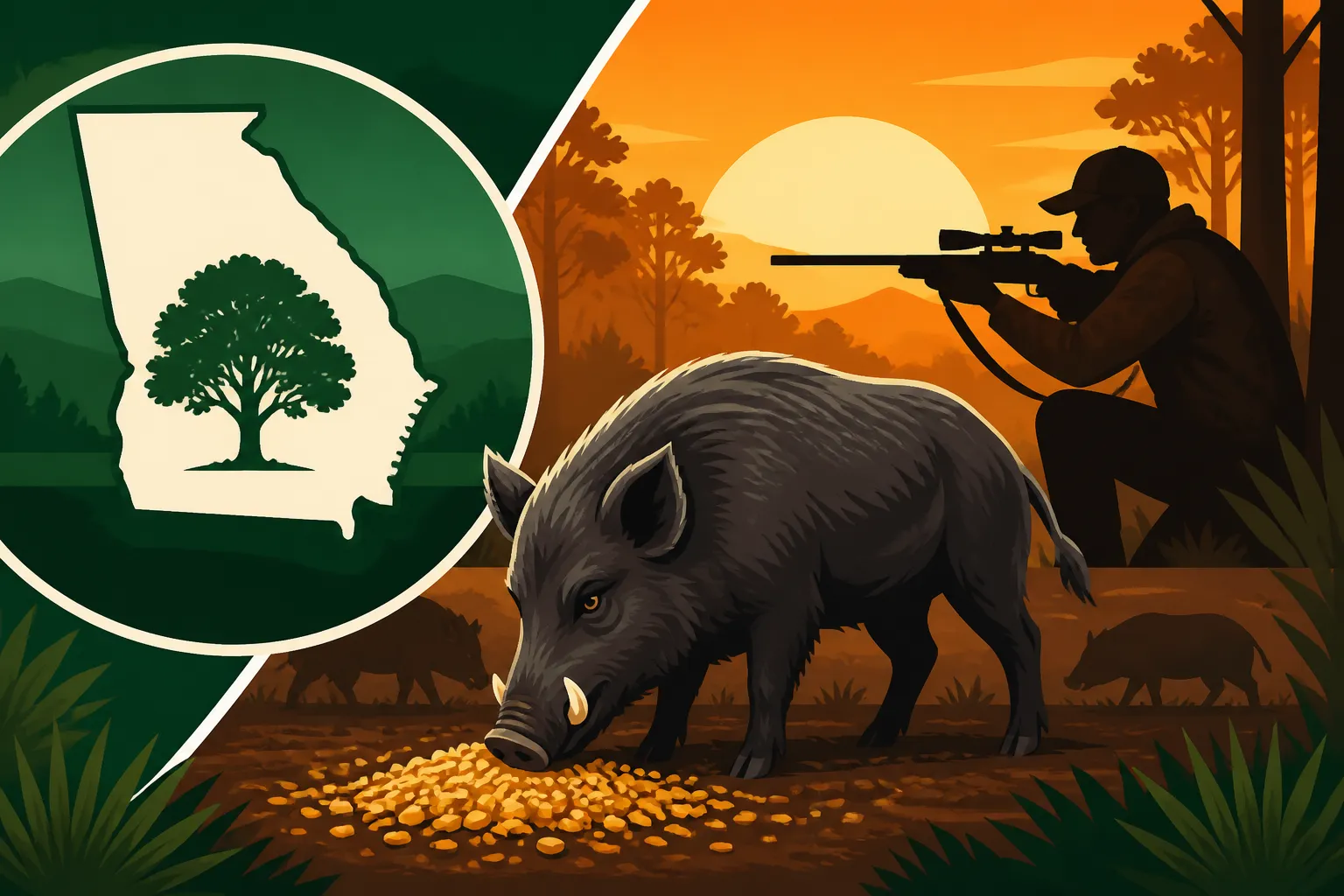
On private land, you are generally permitted to bait for feral hogs. This means if you own land, or have explicit permission to hunt on private property, you can legally place bait to attract and hunt wild hogs. There are no closed seasons, no bag limits, and no time-of-day restrictions for hunting feral hogs on private land in Georgia. This level of flexibility is a direct response to the ecological and economic havoc these animals wreak on crops, forests, and native wildlife habitats. It offers landowners and hunters a valuable tool in the ongoing battle against these destructive invaders. If you’re ever unsure about the broader framework, a quick review of the official Georgia Feral Hog Regulations will confirm these points.
However, the rules change drastically when you step onto public land. On Georgia Wildlife Management Areas (WMAs), National Forests (like the Chattahoochee-Oconee National Forest), and other state or federally managed public lands, baiting for feral hogs is almost universally prohibited. These public lands are managed under stricter guidelines designed to conserve natural resources and provide fair chase opportunities for all hunters. Introducing bait on these properties not only violates the spirit of fair chase but also has the potential to alter the behavior and movement patterns of other wildlife, conflicting with broader conservation goals. Always, and I mean always, check the specific regulations for any WMA or public hunting area before heading out. Ignorance of the law is not an excuse, and game wardens patrol these areas regularly. Tools like the Georgia Outdoors App or mapping services such as GoHunt can be invaluable for pinpointing property lines and knowing exactly where you stand, literally and legally.
Breaking these rules, particularly on public land, can result in significant penalties. You could face citations, fines that often run into the hundreds or even thousands of dollars, and the potential suspension of your hunting license. It's simply not worth the risk. Stick to private land for your baiting efforts, or explore other methods when hunting public access areas like those outlined in a guide on Georgia Public Hunting Land or Georgia Wildlife Management Areas.
Why Baiting for Hogs is a Game-Changer and Sometimes a Headache
Feral hogs are notorious for their intelligence and adaptability, making them incredibly challenging to hunt consistently. This is where baiting, when done legally, can significantly level the playing field. Yet, like any hunting strategy, it comes with its own set of unique advantages and disadvantages that hunters should weigh carefully.
The Benefits of Using Bait for Feral Hogs
For many hunters struggling with a hog problem, baiting feels like a silver bullet, and for good reason. One of the primary benefits is its ability to concentrate hogs in a specific, predictable area. Instead of endlessly tracking nomadic sounders, bait allows you to draw them to a location where you can set up for an ambush. This drastically increases your success rates, especially if you're trying to make a serious dent in a local population. When hogs have a reliable food source, they will return to it, sometimes daily, allowing you to establish patterns and plan your hunts effectively.
Furthermore, baiting can be an incredibly efficient way to mitigate the significant agricultural Damage Feral Hogs Cause Georgia Farms. Farmers who are losing entire fields of crops to rooting hogs often find baiting and subsequent hunting to be one of the most immediate and impactful control measures. By concentrating them away from vulnerable crops, you can protect your livelihood while still managing the population.
Bait sites also lend themselves well to utilizing modern hunting technologies. Night hunting, where legal on private land, becomes much more effective with a bait pile. Hogs are largely nocturnal, and by baiting, you can capitalize on their natural nighttime activity. Using thermal or night vision optics, as discussed in Thermal Hunting Georgia Hogs at Night, can turn a sporadic bait site visit into a successful harvest, especially when trying to remove multiple hogs from a sounder. This focused approach allows for selective harvesting or the complete removal of an entire group, which is vital for population control.
Potential Drawbacks and Challenges
While the allure of easy hog hunting over bait is strong, it's not without its headaches. The biggest challenge, and a frequent frustration, is the attraction of non-target species. Deer, raccoons, bears, and even turkeys will readily visit a corn pile. This can create several problems, from depleting your expensive bait before the hogs arrive to drawing game animals into an area where they might be illegally harvested by someone not paying attention. It also disrupts the natural movement patterns of these animals, potentially making them more habituated to human activity.
Cost and time are also significant factors. Maintaining a consistent bait site requires a regular investment in feed, which isn't cheap, especially if you're going through hundreds of pounds of corn or commercial attractants weekly. It also demands a time commitment for replenishing bait, checking trail cameras, and managing the site. If you're not consistent, the hogs will simply move on to a more reliable food source, wasting your efforts.
Hogs are smart. If a bait site is pressured too heavily or hunted too frequently, they can become "bait-shy." This means they'll either stop visiting the site altogether or become extremely wary, only showing up under the cover of the darkest night or when they perceive absolutely no threat. This makes them even harder to hunt and can undo weeks of diligent baiting work.
Finally, there's the concern of disease transmission. High-traffic bait sites can become hotspots for the spread of diseases among feral hogs, and potentially to other wildlife. While diseases like pseudorabies don't typically affect humans, understanding these risks is part of responsible wildlife management.
Setting Up a Successful Bait Station for Hogs
If you've decided that baiting is the right strategy for your private land hog management, the next step is to execute it effectively. It's not as simple as dumping a bag of corn; thoughtful placement, consistent maintenance, and smart monitoring are the keys to success.
Choosing the Right Location and Bait
Location, location, location! Just like real estate, where you place your bait site makes all the difference. Look for areas that offer a combination of cover, water, and existing travel corridors. Hogs love thick cover – dense briar patches, grown-up clear-cuts, or river bottom swamps – where they can feel secure. Placing bait along the edges of these cover areas, especially near natural funnels or trails they already use, will maximize your chances. Consider prevailing wind directions; you want the scent of your bait to carry into areas where hogs might be rooting or bedding, and you want your approach and stand setup to keep your scent away from the site. Using an app like GoHunt to scout aerial maps and mark potential sites, noting prevailing winds and escape routes, can give you a significant advantage.
When it comes to bait, corn is king. It's readily available, relatively inexpensive in bulk, and hogs absolutely love it. For an extra kick, many hunters opt for fermented corn. To ferment corn, simply place it in a sealed container (like a 5-gallon bucket with a lid) with water and a packet of yeast, then let it sit for a few days to a week. The fermentation process creates a strong, sour odor that can draw hogs from a much greater distance than dry corn alone. Other effective baits include sweet feed, stale donuts, discarded produce, or commercial hog attractants designed to replicate strong food smells.
You can apply bait in various ways. A simple pile on the ground works, but hogs will root it out quickly. Spreading it out can keep them occupied longer. Automatic feeders can be set to dispense small amounts at specific times, ensuring a consistent supply and potentially reducing visits from non-target species. Drip feeders, which slowly release liquid attractants, also work well, especially when establishing a new site. For a more intensive approach, especially if you're considering trapping, understanding how to effectively execute Baiting a Feral Hog Trap Site can provide valuable insights into baiting strategies.
Effective Strategies and Monitoring
Consistency is paramount. Once you start baiting, you need to commit to replenishing the bait regularly. Hogs will quickly learn if a food source is unreliable and move on. Start with a generous amount to get their attention, and then maintain it. You're trying to establish a routine that they can rely on.
Trail cameras are your best friends when running a bait site. Place cameras strategically to monitor activity without disturbing the area. They will tell you when hogs are visiting, how many, what size they are, and, crucially, their entry and exit routes. This intel is invaluable for planning your hunt. Are they coming in primarily at night? Are they showing up just before dawn? Knowing their patterns helps you decide when and how to set up your ambush. Remember, even with the ability to hunt Feral Hog Hunting Year-Round in Georgia, timing your visits to the bait site is crucial for success.
A common mistake is overhunting a bait site. If you hunt it too often or put too much pressure on the hogs, they will become nocturnal, wary, or simply abandon the site. After a successful harvest, it's often wise to let the site rest for a few days or even a week to allow the hogs to regain their confidence.
Finally, consider how baiting can integrate with other hog control methods. While baiting is great for attracting hogs, it’s not always the only answer. For instance, once you've located a sounder using bait, you might transition to Running Dogs on Georgia Feral Hogs in a nearby thicket to push them out or use still-hunting tactics around the bait site. You can also hunt hogs effectively Hunting Hogs Alongside Any Other Georgia Season for deer or turkey, as long as you adhere to all regulations for each species.
| Factor | Private Land Baiting (Hogs) | Public Land Baiting (Hogs) |
|---|---|---|
| Legality | Generally Permitted | Generally Prohibited |
| Season Limits | None | N/A (due to prohibition) |
| Bag Limits | None | N/A (due to prohibition) |
| Target Species | Hogs (primary focus) | N/A (cannot bait) |
| Risk to Other Game | High (deer, bear attraction) | N/A (illegal on public) |
| Monitoring Needs | High (trail cameras, visits) | N/A |
| Cost & Effort | Significant | N/A |
Ethical Considerations and Best Practices
While feral hogs are a nuisance, and regulations allow for aggressive control, approaching any hunting activity with a strong ethical compass is essential. Responsible baiting practices not only benefit you as a hunter but also contribute to healthier wildlife populations and a positive perception of hunting.
Minimizing Impact on Other Wildlife
When setting up a bait site, even though your primary goal is hog control, you have a responsibility to minimize negative impacts on other wildlife. As mentioned, deer and bears are notorious for visiting bait piles. To reduce the chances of attracting them, consider the placement of your bait away from known deer bedding areas, major travel corridors for deer, or historical bear foraging grounds if possible. While it's hard to avoid entirely, making conscious decisions about placement can help.
Using feeders that are more hog-specific can also reduce spillage and attraction to smaller animals. Some feeders are designed to be triggered by the weight of a hog, making them harder for deer or raccoons to access. Understanding the local habits of deer and bears will help you make informed choices. If you notice persistent deer activity at your hog bait site, it might be worth moving it or trying a different type of attractant. Additionally, always be aware of the legal implications; if another game animal is illegally taken at a bait site because it was attracted there, the responsibility still falls on the hunter. Tools like GoHunt can help you scout the habitat types around your chosen location, giving you a better understanding of what other species might frequent the area.
Responsible Baiting and Harvest
The primary reason Georgia allows hog baiting on private land is the sheer scale of the hog problem. Understanding Why Feral Hogs Spread So Fast in Georgia – their incredible reproductive rates and adaptability – underscores the need for effective population control. Therefore, when you hunt over bait, strive to make the most of the opportunity. If a sounder comes in, try to harvest multiple hogs. Removing as many as possible is the most impactful way to control their numbers on your property.
After a successful harvest, proper carcass disposal is crucial. Hogs carry diseases, and simply leaving carcasses where other animals can feed on them can contribute to disease spread. If possible, bury carcasses deeply or remove them to a designated disposal site. This is especially important for larger sounders.
While Georgia does not typically require reporting of feral hog harvests on private land, it’s good practice to understand all reporting requirements for other game. Being a responsible hunter means staying informed on all aspects of wildlife management. Embrace the opportunity that hog baiting presents, not just as a hunting experience, but as a vital part of managing Georgia's diverse ecosystems. It's a challenging task, but with the right knowledge and commitment, you can make a real difference.
Disclaimer
Please remember that hunting regulations can change. Always consult the most current Georgia Department of Natural Resources (DNR) rules and regulations before engaging in any hunting activities. This guide is for informational purposes only and should not be considered legal advice.