Georgia Disabled Hunter Permit Options
Hunting in Georgia should be an enriching experience for everyone, but let's be honest, for hunters with disabilities, it can feel like navigating a maze of restrictions and physical barriers. The frustration of wanting to get out there and enjoy the outdoors, only to be met with challenges that seem insurmountable, is a very real one. This guide is here to cut through the confusion, offering a comprehensive look at the specific permit options available in Georgia to ensure that disabled hunters can continue to pursue their passion with the support and accommodations they deserve.
Understanding Georgia's Commitment to Accessible Hunting
For many years, the idea of hunting was largely centered around physical prowess and navigating rugged terrain. But thankfully, perspectives have evolved. Georgia, like many other states, has recognized the importance of making the outdoors accessible to all its citizens, including those living with disabilities. It’s not just about providing a piece of paper; it’s about acknowledging that the spirit of hunting, the connection to nature, and the thrill of the chase, shouldn’t be exclusive.
The Spirit Behind Disability Permits
At its heart, the provision of disabled hunter permits in Georgia is about inclusion and equity. It’s about ensuring that a physical limitation doesn't automatically become a barrier to participating in a cherished tradition. Think about it: someone who uses a wheelchair might struggle immensely with trekking deep into a swamp or climbing a conventional tree stand. These permits are designed to offer practical solutions, like allowing the use of certain vehicles where others might be restricted, or offering special access to facilities. The goal isn't to give an unfair advantage, but to level the playing field, making it possible for individuals to safely and effectively hunt within their capabilities. It’s a validation of the intrinsic desire to be out there, experiencing the wild, regardless of physical challenges.
General Eligibility Requirements
While specific permits have their own detailed criteria, there are some overarching principles that guide eligibility for disabled hunter permits in Georgia. Generally, applicants must demonstrate a significant and permanent physical impairment that substantially limits one or more major life activities, particularly mobility. This isn't just a simple declaration; it usually requires official documentation. You'll typically need a certified statement from a licensed physician, often on a specific form provided by the Georgia Department of Natural Resources (DNR), detailing the nature and extent of the disability. The state needs to understand the specific limitations to ensure the appropriate accommodations are granted. It's crucial to distinguish between a temporary injury, which typically wouldn't qualify, and a long-term or permanent condition that genuinely impacts one's ability to hunt under standard regulations.
Navigating Specific Disabled Hunter Permit Options
Georgia offers a few distinct pathways for hunters with disabilities, each tailored to different needs and circumstances. It’s important to understand these nuances to apply for the permit that best suits your situation and helps you get back in the woods or on the water.
Mobility-Impaired Hunter Permits
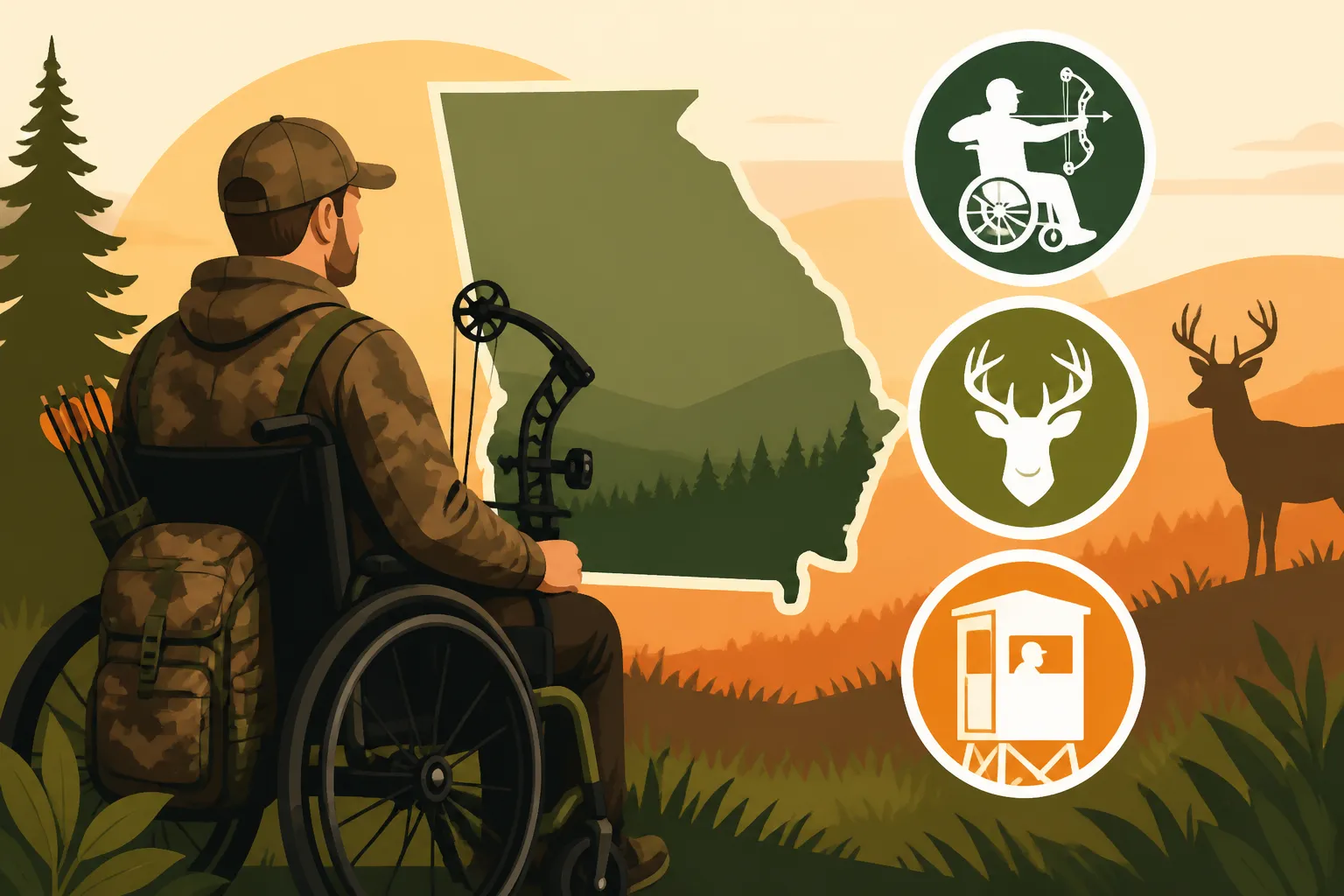
One of the most impactful permits for many disabled hunters is the Mobility-Impaired Hunter Permit. This permit is specifically designed for individuals whose physical mobility is significantly limited, making it difficult or impossible to hunt under standard conditions. What does this mean in practice? It might allow you to shoot from a standing vehicle (non-moving, of course) or use an ATV in designated areas where such activities are normally prohibited. Imagine the difference this can make for someone who struggles to walk long distances or navigate uneven terrain. It opens up opportunities to access hunting grounds that would otherwise be out of reach, making deer drives or setting up a ground blind much more feasible.
To qualify for this permit, you'll need a statement from your physician confirming a permanent physical disability that severely impairs your mobility. This typically involves conditions such as paralysis, amputation, or severe orthopedic conditions. The application process will require detailed medical certification, often on a Georgia DNR form, to ensure that the accommodation is truly necessary and appropriately applied. Once approved, knowing you can legally utilize these accommodations can transform your hunting experience, giving you the freedom to explore more of Georgia's diverse hunting landscapes. You can find more information about these kinds of access points when you're Scouting Georgia Public Land Before Season.
Permanent Disability Hunting & Fishing Licenses
Beyond specific hunting accommodations, Georgia also offers a Permanent Disability Hunting & Fishing License. This license is a significant benefit, often consolidating the necessary permissions for both hunting and fishing into one convenient, and often reduced-cost or free, package. This means if you have a recognized permanent disability, you may be eligible for a lifetime license that covers all your basic hunting and fishing needs without needing annual renewals or separate purchases. It's a huge relief for many, as it removes the recurring administrative burden and cost.
The eligibility for this license often aligns with the state's definitions for various public assistance programs or other recognized permanent disabilities. This could include being certified as permanently and totally disabled by the Social Security Administration, being a permanently disabled veteran, or meeting other state-specific criteria for permanent disability. The application process will require providing proof of your disability status, often through official award letters or certifications. It’s a wonderful way for the state to support its citizens who have faced life-altering challenges, ensuring they can still enjoy the natural resources Georgia has to offer. Checking out Georgia Resident Hunting License Options can provide a broader context of how these special licenses fit into the overall licensing structure.
Other Special Accommodations for Disabled Hunters
While the Mobility-Impaired Hunter Permit and the Permanent Disability Hunting & Fishing License are the primary offerings, Georgia DNR continually evaluates needs and may provide other considerations or special managed hunts for individuals with disabilities. For instance, specific Wildlife Management Areas (WMAs) might have designated accessible hunting blinds or trails. These aren't always statewide permits but rather site-specific accommodations that enhance accessibility. It's always a good idea to check the regulations for individual WMAs you plan to visit, or contact the WMA manager directly, to inquire about any specialized facilities or rules in place.
For youth hunters with disabilities, there are often provisions that align with general Georgia Youth Deer Hunt Rules while also incorporating the necessary accommodations. Furthermore, the DNR may occasionally host special quota hunts or managed hunts specifically for hunters with disabilities, providing a supportive environment and often enhanced opportunities. These events are fantastic ways to connect with other hunters and benefit from tailored setups. Staying informed through the Georgia DNR website or newsletters is key to learning about these periodic opportunities.
The Application Process and What to Expect
Applying for a special permit or license can sometimes feel daunting, especially with medical documentation involved. But Georgia has streamlined the process as much as possible to make it user-friendly.
Step-by-Step Guide to Applying
First things first, gather your medical documentation. This is the cornerstone of your application. You’ll need a statement from your licensed physician attesting to your permanent disability and its impact on your mobility or other hunting-related activities. The Georgia DNR website usually provides specific forms that your doctor needs to complete, ensuring all necessary information is captured. Make sure your doctor fills out every section accurately and legibly.
Once you have your medical certification, you'll need to complete the specific application form for the permit you're seeking. These forms can usually be downloaded directly from the Georgia DNR website. Pay close attention to all instructions. You'll likely need to provide personal identification details, contact information, and your Georgia customer ID if you already have one. For many licenses, you can start the process online through the GoHunt system, which is Georgia’s integrated wildlife management portal. While GoHunt helps with general license purchases, for disability permits, you'll often need to submit physical documentation. Double-check if the application can be submitted electronically with scanned documents, or if a mailed submission is required. Always keep copies of everything you submit for your records. This is also where you might get your Georgia Big Game License Requirements sorted if you don't already have them.
Required Documentation and Certifications
To reiterate, the most critical piece of your application will be the certified medical documentation. For the Mobility-Impaired Hunter Permit, this is a specific form signed by a physician. For the Permanent Disability Hunting & Fishing License, it could be a physician's statement or official letters from agencies like the Social Security Administration or the Department of Veterans Affairs. Ensure these documents clearly state the nature of your disability, its permanence, and how it impacts your ability to perform tasks relevant to hunting. The clearer and more complete your documentation, the smoother the approval process will be. Any ambiguities or missing information can lead to delays or even denial, requiring you to resubmit or appeal.
Renewals, Appeals, and Maintaining Your Permit
A Permanent Disability Hunting & Fishing License, once issued, typically doesn't require annual renewal, which is one of its biggest advantages. However, other specialized permits, like the Mobility-Impaired Hunter Permit, might have renewal requirements or expiration dates, so always check the specifics on the permit itself or with the DNR. It's your responsibility to know when your permit expires and to initiate any renewal processes well in advance.
If your application is denied, don't despair! There's usually an appeals process. The denial letter should outline the reasons for the denial and how to appeal the decision. This might involve submitting additional documentation, clarifying existing information, or even a formal hearing. Understanding what led to the denial is crucial for a successful appeal. Remember, once you have your permit, it's vital to carry it with you while hunting, just as you would your regular hunting license, and to strictly adhere to all its terms and conditions.
| Permit Type | Key Benefit | Eligibility | Required Documentation (Examples) | Renewal |
|---|---|---|---|---|
| Mobility-Impaired Hunter Permit | Allows specific accommodations (e.g., shooting from stationary vehicle, ATV use in designated areas) | Permanent physical disability severely impairing mobility | Physician's certified statement on DNR form | Check specific permit, may require periodic renewal |
| Permanent Disability Hunting & Fishing License | Lifetime hunting & fishing privileges, often reduced/free | Certified permanent and total disability (e.g., SSA, VA) | Official award letter (SSA, VA), or physician's statement | Generally no renewal (lifetime) |
Making the Most of Your Accessible Hunting Opportunities
Once you have your permits in hand, the real fun begins: planning your hunt! Having these accommodations doesn't just grant permission; it empowers you to actively participate and enjoy the Georgia wilderness.
Scouting and Preparing for a Successful Hunt
Having a Mobility-Impaired Hunter Permit means you can often access areas that are otherwise off-limits to vehicles. This significantly expands your scouting opportunities. Don't just show up on opening day; use mapping tools like the Georgia Outdoors App or services like GoHunt with its detailed land features to identify accessible public lands, designated WMA roads, or powerline cuts. Look for areas with easier terrain access, or where you can utilize your vehicle or ATV to get closer to prime hunting spots. Call WMA offices ahead of time to inquire about specific accessible blinds, trails, or any temporary closures. A little pre-season legwork can make a huge difference in your success and enjoyment. Consider where you might position a ground blind, as these are often more accessible than tree stands, especially if you're exploring Using a Ground Blind on Georgia Public Land.
Ethics, Safety, and Staying Legal
Even with special accommodations, all other state and federal hunting regulations still apply. This includes bag limits, season dates, blaze orange requirements, and firearm safety. It's critical to be thoroughly familiar with the Georgia Deer Season Structure Explained and other species-specific rules. The permits offer accommodations, not exemptions from ethical hunting practices or safety protocols. In fact, safety becomes even more paramount. If you're utilizing an ATV, ensure it's well-maintained and you're operating it safely and within designated areas. Always let someone know where you're going and when you expect to return. As a disabled hunter, you're an ambassador for accessibility in the outdoors; conducting yourself with the utmost respect for wildlife and regulations helps ensure these valuable programs continue.
Community and Resources
You don't have to navigate this journey alone. There are numerous organizations dedicated to supporting disabled hunters. Programs like the National Wild Turkey Federation’s Wheelin’ Sportsmen offer guided hunts and accessible opportunities, creating a supportive community. Look for local hunting clubs or conservation groups that might have adaptive equipment or knowledge about accessible hunting spots. Connecting with other hunters who have similar experiences can provide invaluable tips, camaraderie, and a sense of shared purpose. Online forums and social media groups can also be excellent resources for information and support. Remember, the goal is to enjoy the hunt, and a strong community can make that experience even richer. Knowing about Georgia WMA Access Stamp Requirement is also important for many public land opportunities.
Disclaimer
Please note that hunting regulations, license requirements, and permit options are subject to change by the Georgia Department of Natural Resources (DNR). While every effort has been made to provide accurate and up-to-date information, it is always the hunter's responsibility to consult the most current Georgia hunting regulations pamphlet or the official Georgia DNR website before participating in any hunting activities. This guide is for informational purposes only and does not constitute legal advice.