When CWD Was First Found in Georgia
The news of Chronic Wasting Disease (CWD) arriving in Georgia has sent ripples of concern through the hunting community, leaving many of us with questions about its discovery, implications, and what we need to do. It’s a somber topic, but understanding exactly when and how CWD was first detected here is crucial for every deer hunter in the state. This comprehensive guide aims to shed light on that pivotal moment, outlining the timeline, the immediate response, and what it means for our beloved deer herd.
The Initial Discovery and Confirmation Timeline
The unfortunate reality is that Chronic Wasting Disease (CWD) officially made its unwelcome debut in Georgia relatively recently, shattering a long-held status as one of the few states in the Southeast without a confirmed case. For years, hunters and wildlife managers alike had hoped our state would remain untouched, but the inevitable arrived. The first confirmed case of CWD in Georgia was announced by the Georgia Department of Natural Resources (DNR) in November 2023. This single discovery triggered a cascade of immediate actions and heightened awareness among the state's wildlife agencies and hunting public.
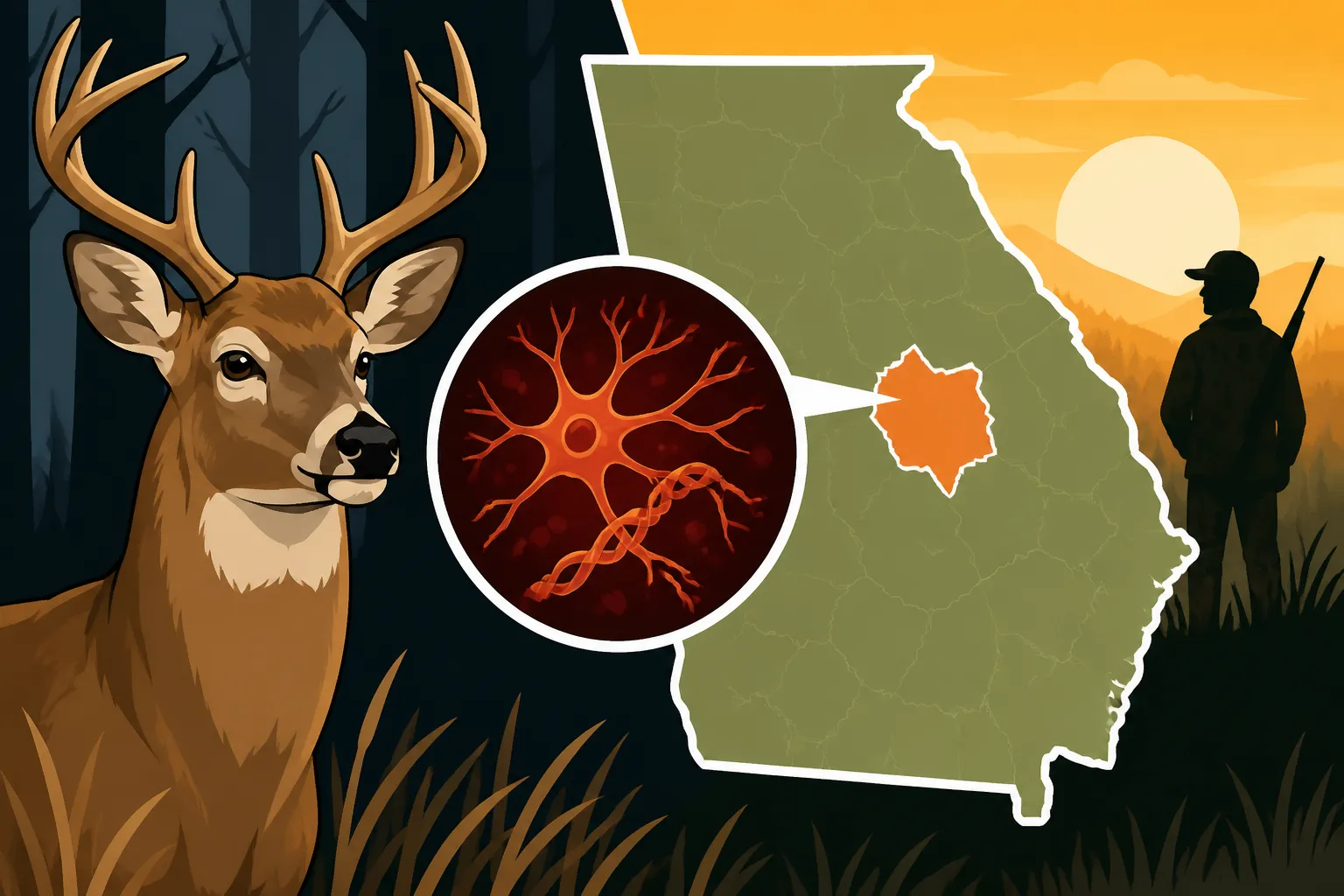
The deer that tested positive was harvested in Baker County, located in the southwestern part of Georgia. This particular region, known for its rich agricultural lands and significant deer populations, became the epicenter of Georgia's CWD response. The positive test result didn't come from a hunter voluntarily submitting a sample, but rather from a deer that was discovered dead, showing signs consistent with the disease. This underscores the importance of reporting sick or unusually acting deer to the DNR, as it can be a critical first line of defense in detecting and monitoring such diseases. The process involved samples being sent to specialized laboratories for confirmation, a protocol that ensures accuracy and avoids false positives before any public announcement is made.
The Immediate Aftermath and Response
Upon the confirmation of CWD in Baker County, the Georgia Department of Natural Resources wasted no time in implementing a comprehensive strategy to contain and manage the disease. The primary goal was, and remains, to prevent its spread to other parts of the state and to mitigate its impact on Georgia's healthy deer population. This initial response involved several key actions that directly affected hunters and landowners in the affected areas. Understanding these measures is vital for anyone who hunts within or near these zones.
Establishing a Chronic Wasting Disease Management Area
One of the most immediate and significant steps taken was the establishment of a Chronic Wasting Disease Management Area (CMA). This area isn't just a casual designation; it comes with specific, legally binding regulations designed to control the movement of deer carcasses and parts, thereby limiting the potential for disease transmission. Initially, the CMA encompassed a tight radius around the positive case, but after careful consideration and further sampling, the area was officially designated to include Baker, Dougherty, Early, and Mitchell counties. These counties now fall under a different set of rules for deer hunting, harvesting, and carcass handling than the rest of the state. For hunters using resources like GoHunt to scout and plan, it's crucial to cross-reference their chosen hunting grounds with the official DNR CWD map to ensure compliance with these new boundaries.
Within these CMA counties, regulations were put in place regarding the transportation of deer carcasses. Hunters who harvest a deer in one of these counties are generally restricted from moving the whole carcass out of the CMA. Certain parts, like deboned meat, clean antlers, and hides, are typically allowed to be transported, but the parts most likely to carry the prion (brain, spinal cord, lymph nodes) must either remain within the CMA or be disposed of safely at designated sites. This directly affects processing venison and preparing it for transport home, especially for hunters traveling from outside the region. Detailed information on Georgia Carcass Movement Restrictions is regularly updated by the DNR and is something every hunter needs to internalize.
Enhanced Surveillance and Mandatory Testing
Following the initial detection, the DNR ramped up its surveillance efforts, especially within and around the newly formed CMA. This involves increased sampling of harvested deer during hunting season and testing deer found dead or exhibiting symptoms. For hunters in the CMA, this often means mandatory CWD testing for deer harvested within the zone. This isn't just a recommendation; it's a requirement to help wildlife biologists understand the prevalence and geographic distribution of the disease. Hunters are typically directed to specific sampling stations or drop-off points where trained personnel collect tissue samples. The process is designed to be as straightforward as possible, recognizing that hunters have limited time after a successful harvest.
The purpose of this enhanced testing, as detailed in Georgia CWD Testing for Hunters, is two-fold. Firstly, it helps to monitor the extent of the disease and identify any further positive cases, which is critical for refining management strategies. Secondly, it provides valuable data to assess the long-term trends of CWD within the infected population. Hunters should be prepared for these requirements, ensuring they know the locations of their nearest sampling stations and the procedures for submitting their deer. It's a collective effort, and hunter participation is absolutely vital for the success of these surveillance programs.
| Action Taken | Description | Impact on Hunters |
|---|---|---|
| CMA Establishment | Designation of Baker, Dougherty, Early, and Mitchell counties as a Chronic Wasting Disease Management Area. This restricts carcass movement. | Hunters in these counties must be aware of and adhere to new rules for carcass transport and disposal. |
| Carcass Movement Restrictions | Whole deer carcasses harvested within the CMA cannot leave the zone. Only deboned meat, cleaned skulls, antlers, and hides are exempt. | Requires hunters to process deer within the CMA or utilize approved processing facilities. |
| Mandatory Testing | All deer harvested within the CMA during specified periods must be submitted for CWD testing at designated collection sites. | Hunters must participate in mandatory testing, locating drop-off points and following submission protocols. |
| Increased Surveillance | Intensified monitoring of deer health across the state, with a focus on the CMA, including sampling roadkill and symptomatic animals. | Hunters are encouraged to report sick or unusually behaving deer immediately to the DNR. Awareness of symptoms is critical. |
| Public Education Campaigns | Extensive outreach through DNR websites, social media, and local events to inform hunters and the public about CWD, its risks, and required actions. | Hunters need to actively seek out and stay informed on current regulations and guidelines, which are frequently updated. Check resources like the Go Outdoors Georgia website or the GoHunt app for localized updates. |
Understanding Chronic Wasting Disease Itself
Even with the news being quite fresh for Georgia, it’s important to remember that CWD isn't new to North America. It's a serious neurological disease affecting deer, elk, moose, and reindeer, and it belongs to a family of diseases known as transmissible spongiform encephalopathies (TSEs), similar to "mad cow disease" in cattle. The agent responsible for CWD is a misfolded protein called a prion, not a virus or bacteria. This makes it incredibly resilient and difficult to eradicate from the environment.
How CWD Spreads and Its Effects on Deer
CWD prions spread primarily through direct animal-to-animal contact, but also through indirect contact with contaminated environments. This means an infected deer can shed prions through saliva, urine, and feces. These prions can then persist in the soil for years, contaminating plants and water sources, creating a long-term reservoir of infection. Imagine a deer with CWD repeatedly visiting a well-used scrape or a common water hole; it's essentially leaving behind invisible landmines for other deer. This environmental persistence is why CWD is such a challenging disease to manage once it takes hold.
When a deer contracts CWD, the prions slowly accumulate in its brain and other nervous tissues, causing progressive damage. The incubation period can be quite long, often 18-24 months, meaning a deer can be infected and spreading the disease long before it shows any outward signs. As the disease progresses, infected deer typically exhibit a range of neurological symptoms. These can include drastic weight loss (hence "wasting" disease), stumbling, tremors, listlessness, excessive drooling, and an overall blank stare. They might also appear abnormally thirsty or urinate more frequently. Eventually, these symptoms lead to death. It's a slow, cruel decline, and a heartbreaking sight for anyone who values the health of our wildlife. The impact of CWD on the overall Georgia Deer Population Estimate could be significant over time, making early detection and containment critical.
Human Health Considerations and Game Meat
One of the most frequently asked questions, and understandably so, is about the risk of CWD to human health. The Centers for Disease Control and Prevention (CDC) and other public health organizations currently advise that there have been no documented cases of CWD transmission to humans. However, out of an abundance of caution, they recommend that people avoid consuming meat from CWD-positive animals. This recommendation is based on the theoretical risk and the fact that other prion diseases have crossed species barriers.
For Georgia hunters, this means adhering to the guidelines set forth by the DNR. If you're hunting in a CWD-affected area, it's wise to get your deer tested, especially if you plan to consume the meat. Organizations like GoHunt provide valuable mapping and regulatory updates that can keep you informed on where these testing protocols apply. The DNR also offers guidance on Handling Venison From a CWD Management Area to ensure that if a deer tests positive, the meat is properly disposed of, preventing any potential, albeit unproven, risk. It's always better to err on the side of caution when it comes to health and safety, both for ourselves and our families.
Living with CWD: Hunter Responsibilities and Future Outlook
The discovery of CWD in Georgia changes the landscape for deer hunting in our state permanently. It’s no longer a distant problem; it’s on our doorstep. This new reality places a greater emphasis on hunter responsibility and cooperation with wildlife agencies. While it’s certainly disheartening, it doesn't mean the end of hunting as we know it, but it does mean adapting to new protocols and contributing to the solution.
Best Practices for Hunters in CWD Areas
For hunters operating within or near Georgia's CWD Management Area, several best practices are now more important than ever:
- Stay Informed: Regulations and scientific understanding of CWD can evolve. Regularly check the Georgia DNR's Wildlife Resources Division website for the latest updates on the CMA boundaries, testing requirements, and carcass disposal protocols. This information can also often be found aggregated on reputable hunting apps like GoHunt, which strives to provide up-to-date local regulations.
- Report Sick Deer: If you encounter a deer that appears sick, emaciated, or is acting abnormally, do not approach it. Instead, immediately contact your local DNR office or Game Warden. This is a critical step in early detection and preventing further spread.
- Mandatory Testing Compliance: If you harvest a deer in a mandatory testing zone, make sure you comply with all requirements for submitting samples. Your participation is invaluable to the state's surveillance efforts.
- Proper Carcass Disposal: Understand and follow the rules for disposing of deer carcasses harvested within the CMA. This usually means leaving the high-risk parts (brain, spinal cord) in the county of harvest or at designated collection sites. Avoid illegally dumping carcasses, as this can inadvertently spread the disease.
- Clean Equipment: Always clean your hunting equipment, including knives, saws, and processing tools, thoroughly after handling a deer, especially if hunting in a CWD area. While prions are incredibly hardy, good hygiene is always a good practice.
- Avoid Baiting: While Georgia allows baiting in some areas, in CWD management areas, congregating deer around a bait site can increase nose-to-nose contact, potentially facilitating prion transmission. Consider alternatives like improving natural forage or planting food plots outside CWD areas to draw deer.
- Know Your Regulations: Familiarize yourself with the Georgia Deer Season Structure Explained and specific rules for your hunting zone. This includes understanding the impact of CWD on aspects like Georgia Antlerless Deer Tag Rules if management efforts aim to reduce deer density in affected areas.
The Long-Term Outlook for Georgia's Deer and Hunting
The arrival of CWD is a long-term challenge, not a short-term crisis. There is no vaccine or cure for CWD, and managing it primarily involves strategies to limit its spread and reduce its prevalence in infected populations. This might mean localized increases in antlerless deer harvests in CMA counties to manage herd density, as well as continued, intensive surveillance. The DNR will be closely monitoring metrics such as How Many Georgia Deer Have Tested CWD-Positive over time to assess the effectiveness of their strategies.
For hunters, this means a new era of vigilance. Scouting practices, for example, will need to incorporate CWD awareness. When you're Scouting Georgia Public Land Before Season, you'll not only be looking for prime deer sign but also keeping an eye out for anything that looks like a sick deer. Our traditions of hunting and enjoying venison will continue, but with an added layer of informed caution and responsibility. It's a reminder that we, as hunters, are vital stewards of our natural resources, and our actions directly impact the health of Georgia's magnificent white-tailed deer population. The collective effort of the hunting community will be key to navigating this challenge and protecting the future of Georgia hunting.
Disclaimer
The information provided in this guide is for general informational purposes only and does not constitute legal advice or official DNR regulations. Hunting laws and regulations, especially concerning Chronic Wasting Disease, can change rapidly. Always consult the most current Georgia Department of Natural Resources (DNR) Wildlife Resources Division official publications and website for the precise and up-to-date rules and regulations before engaging in any hunting activities.