Georgia Southern Zone Bear Weekend Dates
Hunting in Georgia can sometimes feel like navigating a dense thicket of regulations and varying season dates, especially when you're targeting a unique opportunity like bear hunting in the Southern Zone. It’s a frustrating reality for many hunters, trying to pin down those exact, fleeting moments to pursue a trophy or fill the freezer. This guide aims to clear up the confusion surrounding the Georgia Southern Zone bear weekend dates, helping you understand when and why these opportunities exist, and how to make the most of them.
Decoding Georgia's Southern Bear Zone Schedule
When it comes to bear hunting in Georgia, not all zones are created equal, and the Southern Zone is perhaps the most distinctive. Unlike the more expansive seasons in the North Georgia mountains, the southern part of the state offers a very limited, highly specific opportunity for bear hunters. Missing these narrow windows means waiting another year, so understanding the schedule is absolutely critical.
The Specificity of the Southern Bear Zone
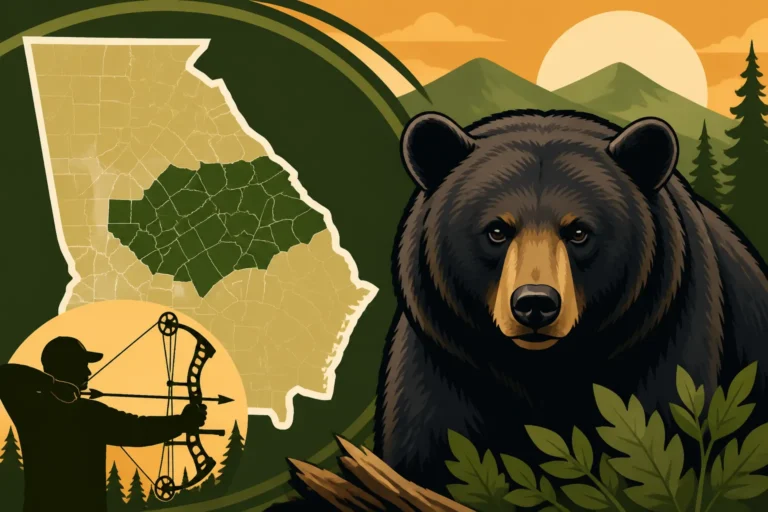
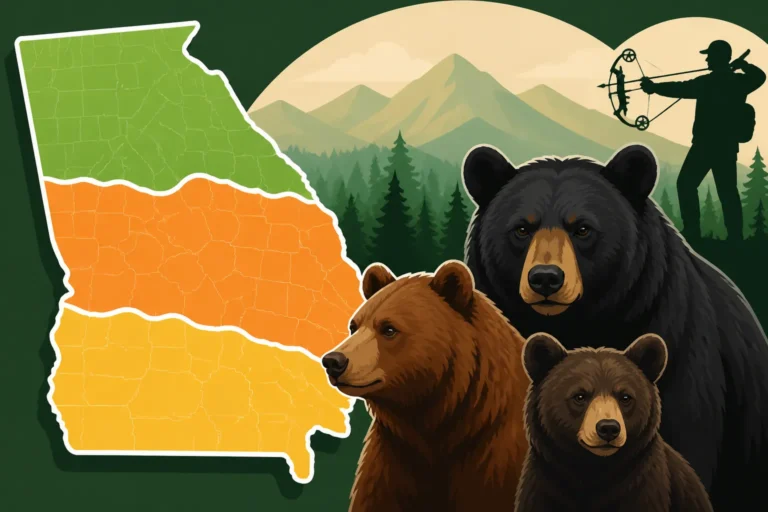
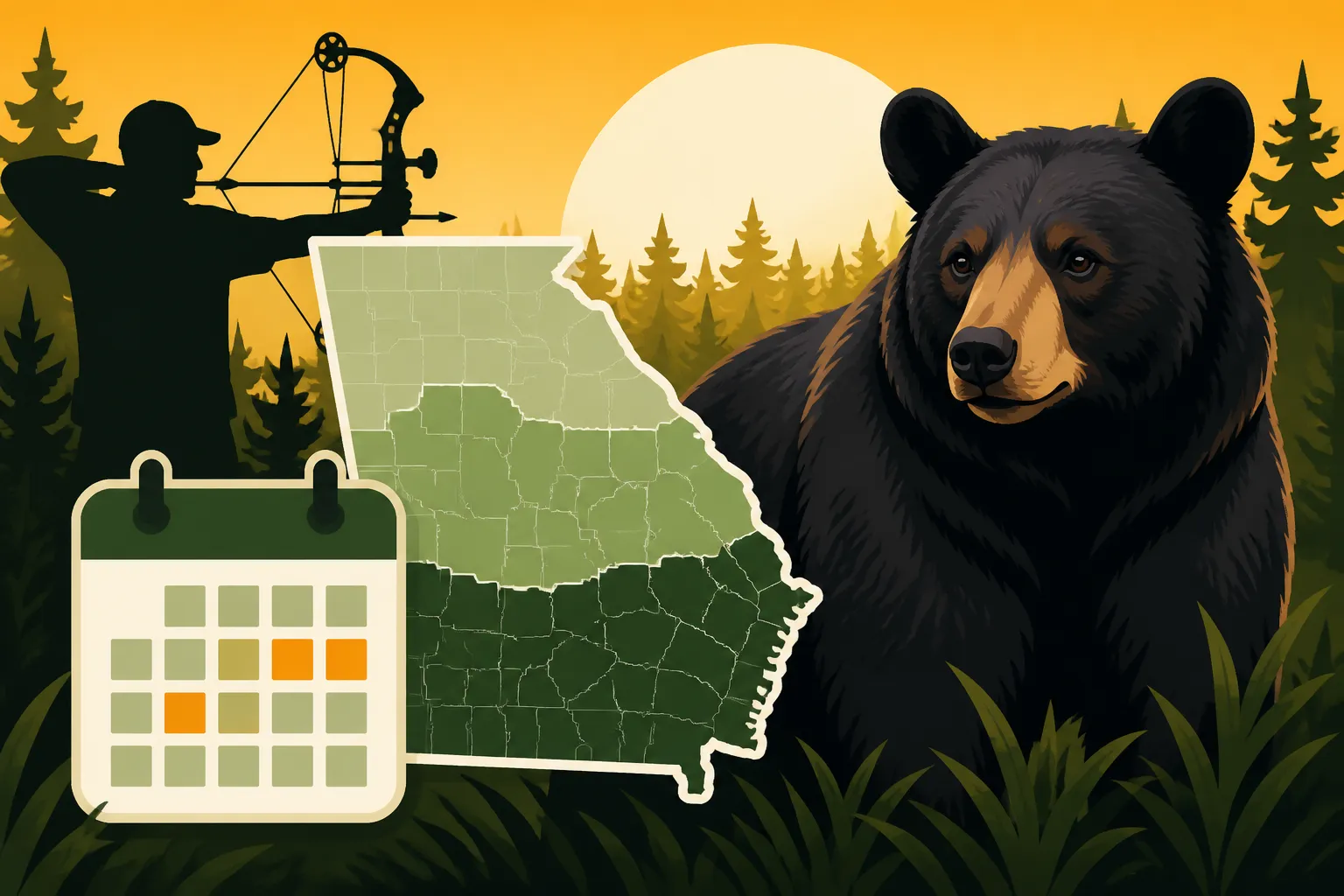
The Georgia Southern Bear Zone encompasses a distinct collection of counties, primarily in the southeastern portion of the state, characterized by vast swamps, pine plantations, and agricultural lands. Historically, these bear populations have been smaller and more isolated than their mountain counterparts. This means that the Georgia Department of Natural Resources (DNR) manages them with an extremely conservative approach, leading to very short, controlled hunting seasons. The core counties typically included are Wayne, Brantley, Charlton, Clinch, Echols, Ware, Lowndes, Lanier, Atkinson, and Berrien. It's a stark contrast to the liberal seasons found in the Northern Zone, which often span several weeks for both archery and firearms. Understanding the nuances of Georgia's Three Bear Hunting Zones is key to appreciating this localized approach.
Annual Weekend Dates for the Southern Zone Hunt
For those eager to hunt bears in Georgia's Southern Zone, the season is almost exclusively confined to a couple of specific weekends, generally falling in late October or early November. These aren't continuous weeks or even an entire month; they are precisely designated Saturday-Sunday blocks. For instance, in recent years, the hunt might take place on the last weekend of October and the first weekend of November. This precise timing is crucial for herd management, allowing for a controlled harvest without over-pressuring a more vulnerable population. It's imperative that hunters consult the current year's Georgia DNR hunting regulations annually for the exact dates, as they can shift slightly. Relying on last year's calendar will almost certainly lead to disappointment. The "weekend only" rule also means your planning must be meticulous, maximizing every minute of daylight during those two precious days.
Why Such Limited Access? Understanding the Southern Zone's Purpose
Many hunters, especially those new to the state or used to longer seasons elsewhere, might scratch their heads at the highly restrictive nature of the Southern Zone bear hunt. It's not designed to be a wide-open opportunity but rather a carefully managed program with specific goals.
Population Management in the Coastal Plain
The bear population in Georgia's Coastal Plain and swamp ecosystems, while growing, remains smaller and more spread out compared to the robust numbers found in the Appalachian foothills. These bears exist in more fragmented habitats, often utilizing vast tracts of private timberland and remote swamp systems. The goal of the DNR is to allow for a limited, sustainable harvest while simultaneously ensuring the continued growth and health of this unique population. This is a delicate balance, and restricting the season to a few weekends helps prevent localized overharvesting. The overall Georgia's Black Bear Population data clearly illustrates the regional differences in density and distribution that inform these management decisions.
Habitat Challenges and Bear Movement
The habitat itself plays a significant role in why the Southern Zone is managed so conservatively. Unlike the abundant mast crops and dense forests of the North Georgia mountains, the coastal plain offers a different set of challenges. Bears here often rely on palmetto berries, gallberries, acorns from scattered oak hammocks, and sometimes even agricultural crops. Their movements can be highly correlated with these food sources and the availability of dense, almost impenetrable cover within the vast cypress and tupelo swamps, like those found around the Okefenokee. Hunting the Okefenokee Swamp Region can be particularly challenging due to the terrain. This makes pinpointing bear activity more difficult and requires bears to cover larger home ranges. The limited season helps manage pressure in these sensitive and often privately owned habitats, where human disturbance can have a greater impact on bear behavior.
Preparing for a Southern Zone Bear Hunt
Successfully navigating a Southern Zone bear hunt requires more than just showing up on the right weekend. It demands diligent preparation, an understanding of the unique environment, and the right gear.
Essential Planning and Regulation Checks
Before you even think about packing your gear, the absolute first step is to confirm the current year's regulations. The Georgia DNR website is your primary source, but handy apps and platforms like GoHunt can also offer up-to-date information and crucial mapping tools. You'll need a valid Georgia hunting license, a big game license, and a specific bear tag. This isn't a "one-size-fits-all" scenario, so don't assume your deer tags cover bear. You can usually purchase your licenses online through Go Outdoors Georgia or at authorized license vendors. It's also wise to check if a What the Resident Sportsman License Bundles Together package might benefit you if you hunt multiple species. Pay close attention to legal firearms, ammunition restrictions, and the specific hunting hours, which are typically daylight hours, but always double-check.
Scouting and Strategy for Limited Window Hunting
Given the incredibly short season, pre-season scouting becomes paramount. Bears in the Southern Zone are often shy and utilize thick cover, making traditional spot-and-stalk tactics difficult. Focus your scouting efforts on identifying key food sources – ripening acorns, palmetto berry patches, or even agricultural fields like corn or peanuts that might border swamp edges. Look for fresh sign: scat, tracks, large claw marks on trees where bears have rubbed or climbed, and disturbed ground around feeding areas.
Since the hunting window is so limited, your stand placement needs to be strategic, focusing on pinch points, travel corridors between feeding and bedding areas, or along the edges of dense swamp lines. Tools like the Georgia Outdoors app or GoHunt are incredibly valuable for pouring over aerial maps, identifying potential funnels, and understanding property boundaries, especially if you're hunting public land or a large private lease. Think about how bears will move from the safety of the swamp to food sources. For deeper insights into finding promising spots, consider tactics discussed in Scouting Georgia Public Land Before Season.
Gear Considerations for Swamp and Coastal Plain
Hunting in South Georgia during late October or early November can still mean warm, humid conditions. You’ll need lightweight, breathable clothing layers. However, the biggest gear consideration for the Southern Zone is footwear. Snake boots or durable, waterproof rubber boots are essential for traversing wet, often snake-infested terrain. The dense undergrowth and swampy conditions mean you'll be doing a lot of walking, potentially through water or thick mud.
For optics, a good pair of binoculars (8x or 10x) will help you pick apart dense cover for any movement. A reliable rifle in a caliber suitable for bear, such as a .30-06, .308, or even a .270, is a solid choice. Ensure your rifle is zeroed and you are proficient with it, as shot opportunities might be fleeting. Carrying a quality rangefinder is also beneficial. Don't forget bug repellent, as mosquitoes and other biting insects can still be active. For a deeper dive into appropriate equipment, check out our guide on Bear Hunting Gear in Georgia. GoHunt's mapping features can also help you mark potential game trails or food sources you find during scouting.
After the Harvest: Reporting and Handling
Success in the Southern Zone is a memorable achievement, but your responsibilities don't end when the bear hits the ground. Proper reporting and handling are crucial for both legal compliance and meat preservation.
Mandatory Harvest Reporting
Georgia law mandates that all harvested bears must be reported to the DNR. This is a critical step in wildlife management, allowing biologists to track harvest numbers and maintain healthy populations. You typically need to report your bear within 24-48 hours, often sooner, using the Georgia Game Check system. This can be done online via the Go Outdoors Georgia website, through the official mobile app, or by calling a designated phone number. While physical check stations used to be more common, many areas now rely on digital reporting. Be sure to confirm the exact reporting requirements for the Southern Zone when you check the annual regulations. Understanding Georgia Bear Checking Requirements ensures you stay compliant.
Field Dressing and Meat Care in Warm Weather
South Georgia's warmth, even in late fall, can be challenging for preserving game meat. Bear meat, especially, benefits from rapid cooling. As soon as possible after the shot, begin field dressing the bear. Remove the entrails to allow the carcass to cool down internally. If you're hunting a significant distance from your vehicle, consider methods for breaking down the animal into smaller, more manageable pieces for transport, or even the "gutless" method to quickly get the hide off and separate the meat.
Having large game bags to protect the meat from flies and dirt is a must. Transport the meat in coolers packed with ice immediately. Never leave a bear carcass to sit in warm temperatures for extended periods, as it can spoil quickly. This attention to detail ensures that your hard-earned harvest is high-quality table fare. For more comprehensive advice on this crucial step, read our guide on Handling a Bear After the Shot. Remember, preserving the quality of the meat is just as important as the hunt itself.
Georgia Southern Bear Zone Weekend Dates Overview
To help visualize the typical structure, here's a general overview. Always confirm specific dates with the Georgia DNR annually.
| Feature | Description |
|---|---|
| Zone Name | Southern Bear Zone |
| Primary Counties | Wayne, Brantley, Charlton, Clinch, Echols, Ware, Lowndes, Lanier, Atkinson, Berrien (always check DNR for current list) |
| Season Structure | Extremely limited; typically two non-consecutive weekends |
| Typical Timing | Late October / Early November (Specific dates vary annually) |
| Weapon Types | Generally firearms and archery legal during these specific weekends (confirm regulations) |
| Bag Limit | Usually one bear per hunter per season, often with specific size or sex restrictions in some zones (confirm all details for the Southern Zone) |
| License Required | Valid Georgia Hunting License, Big Game License, and Bear Tag (Georgia Bear Tag Cost) |
| Reporting | Mandatory reporting through Georgia Game Check system within 24-48 hours of harvest |
| Purpose | Conservative population management due to smaller, more fragmented bear populations in the coastal plain |
Disclaimer
Please be aware that hunting regulations, season dates, and license requirements are subject to change. Always consult the official Georgia Department of Natural Resources (DNR) website or their current hunting regulations guide for the most accurate and up-to-date information before planning any hunt. This article is intended for informational purposes only and should not be considered a substitute for official legal guidance.