Georgia Northern Zone Bear Archery Dates
It can be incredibly frustrating to keep up with Georgia's hunting regulations, especially when it comes to specific seasons and zones for elusive game like black bears. Many of us have spent countless hours poring over the DNR website, trying to nail down precise dates for our hunts. If you're an archery enthusiast with your sights set on a North Georgia bruin, getting those exact Northern Zone bear archery dates pinned down is your first, most critical step. This guide is dedicated to helping you understand exactly when you can hit the woods with your bow for bear in the mountains, and what you need to know to make the most of that limited window.
Understanding Georgia's Northern Bear Zone Archery Season Dates
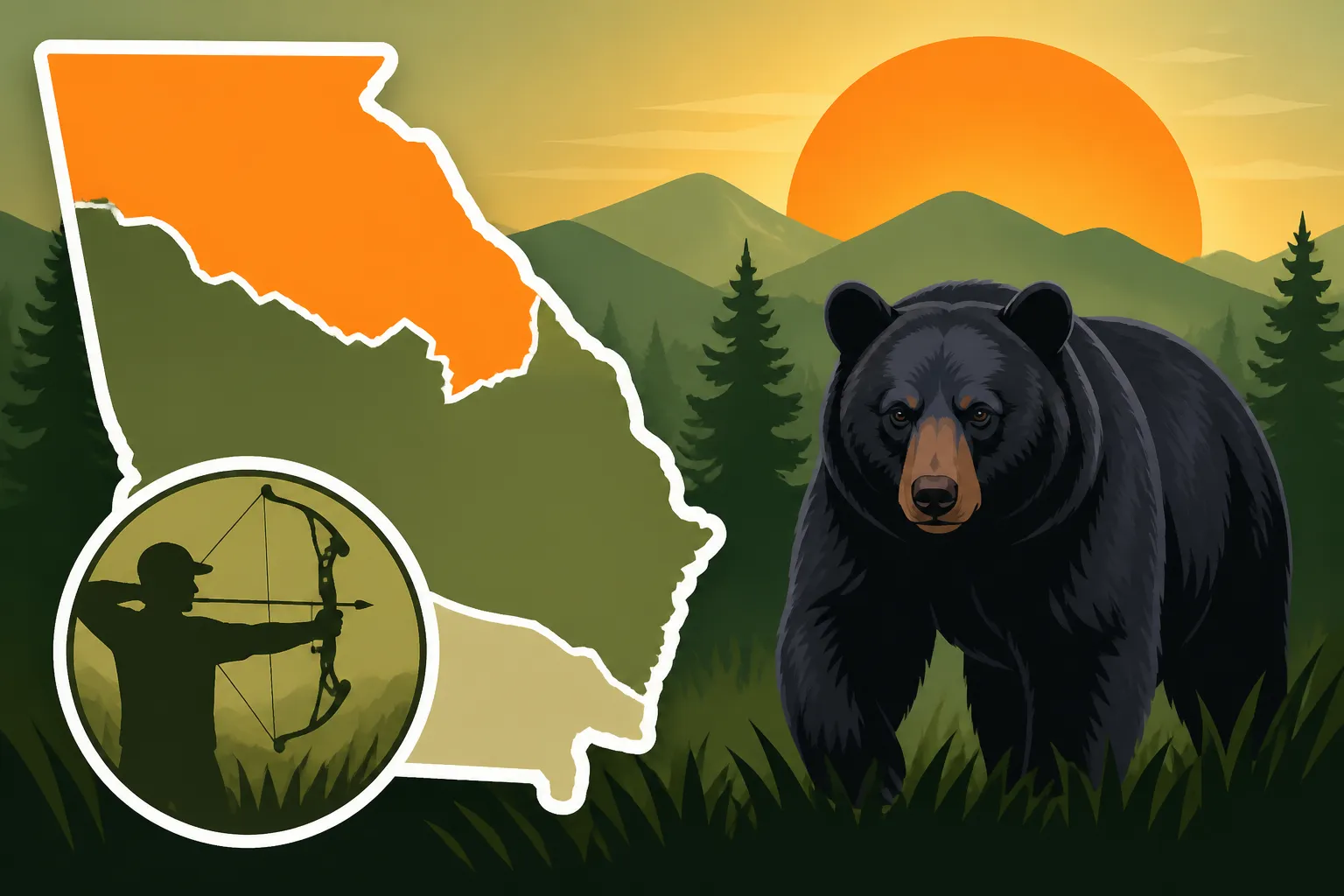
The Northern Bear Zone in Georgia encompasses some of the state's most rugged and beautiful terrain, primarily within the Chattahoochee National Forest. It's also where the vast majority of Georgia's black bear population resides. Naturally, this makes it a prime target for bear hunters. However, unlike deer season which can feel like it stretches on forever, the bear archery season in this zone is a much shorter, more concentrated affair, demanding meticulous planning and attention to the specific dates.
Key Opening and Closing Dates for Archery
For those dedicated bowhunters eyeing a black bear in Georgia's mountains, the archery-only season in the Northern Zone typically opens in early to mid-September and runs for a concentrated period. While the exact calendar dates can shift slightly year-to-year based on the Georgia Department of Natural Resources (DNR) Wildlife Resources Division's annual proclamations, you can generally expect a window in September. For example, in the recent past, these dates have often been set for roughly two to three weeks, sometimes starting around the second Saturday of September and concluding in the final week of the month.
It's absolutely critical to understand that these dates are not static. You simply cannot rely on last year's calendar. Before you even think about stringing your bow or packing your gear, you need to consult the current year's Georgia Hunting Seasons and Regulations guidebook, which is usually available by late summer. The Georgia DNR website is your absolute best friend here, or you can pick up a physical copy wherever hunting licenses are sold. Missing an update could mean your hunt is illegal, or you miss out entirely. This is why tools that provide real-time regulation updates, like the GoHunt app or website, can be incredibly helpful for double-checking everything before you head out.
This specific, early archery window provides a unique opportunity. The leaves are still largely on the trees, the temperatures are often still warm, and bears are actively feeding, preparing for their winter slumber. It's a challenging hunt, requiring a good understanding of bear behavior and habitat use during this particular time of year. Don't underestimate the physical demands of navigating the steep terrain of the mountains, especially in early fall conditions.
Why the Archery Season is Unique in the Mountains
The archery-only segment of the Northern Zone bear season stands apart from the later primitive weapons and firearms seasons for several key reasons. First and foremost, it’s a period of reduced hunter pressure. While the mountain WMAs will still see bowhunters, the sheer volume of hunters that pour into the woods during the firearms season is considerably lower. This can translate to more undisturbed bears and a quieter hunting experience, which is paramount when trying to get within bow range of a wary bruin.
Hunting bears with a bow demands a level of stealth and precision that's simply different from firearms. You're aiming for much closer encounters, often within 20-30 yards, requiring impeccable woodsmanship and patience. This early season also means bears are likely still on their summer feeding patterns, focused on soft mast like berries (blackberries, blueberries, grapes) and early hard mast like acorns if they've started dropping. Understanding these food sources and finding them in the vastness of the Chattahoochee National Forest is key to locating bears. For more insights on this, check out our guide on Hunting Bears Over Natural Food in the Mountains.
Furthermore, the environment itself is unique during this early archery window. As we covered in our discussions on Warm-Weather Clothing for Georgia Hunters, you're often dealing with significant heat and humidity, especially in the valleys, even in September. This impacts not only your comfort but also how scent carries and how long a downed bear can safely be left before processing. It's a physically demanding hunt in conditions that can range from muggy mornings to surprisingly cool evenings at higher elevations. Being prepared for these variations is crucial for both success and safety.
Navigating Regulations and Preparation for the Archery Hunt
Going bear hunting in Georgia's Northern Zone isn't as simple as just grabbing your bow and heading to the woods. There's a specific set of regulations and preparation steps you absolutely need to follow to ensure a legal and ethical hunt. Overlooking any detail could lead to a ruined trip or, worse, legal trouble.
Essential Licenses and Bear Tags
Before you even step foot in the woods during the Northern Zone archery season, you need to ensure all your paperwork is in order. This starts with the fundamental Georgia hunting license. Depending on whether you're a resident or non-resident, and what other game you plan to pursue, your options might vary. Generally, you'll need a valid basic hunting license, a Big Game license, and a specific Bear Hunting Harvest Record. The Harvest Record is often included with a Big Game license, but always verify. You can purchase all these through the Georgia DNR's Go Outdoors Georgia platform, either online or through authorized license vendors.
It’s crucial to understand that even with a Big Game license, you still need to report your bear harvest. Georgia employs a Game Check system, and reporting your kill promptly is a non-negotiable requirement. While there isn't a separate "bear tag" that you physically attach to the animal in the same way some states do for deer, the Harvest Record serves a similar purpose by documenting your take. Make sure you understand the rules for checking your bear, which are often different from deer. For detailed information on costs, you can refer to our article on Georgia Bear Tag Cost. Always confirm the specific requirements for the current season, as rules can sometimes change. Some hunters find using mapping and regulation apps, like GoHunt, particularly helpful for keeping track of their licensing and harvest reporting while afield.
Beyond the general hunting and big game licenses, if you plan to hunt on any of Georgia's Wildlife Management Areas (WMAs) in the Northern Zone, you'll also need a WMA license or a Georgia GORP (Georgia Outdoor Recreational Pass) in addition to your other licenses. Many of the prime bear habitats are on public lands within these WMAs, so this is an often-overlooked but essential requirement. You can find more information about this by looking at our guide on the Georgia WMA Access Stamp Requirement.
Gear Considerations for Early Season Bear Archery
Successful archery bear hunting in the North Georgia mountains demands specialized gear, tailored to the unique conditions of early fall and the nature of the quarry. Your clothing needs to be lightweight, breathable, and capable of wicking moisture, given the warm and often humid September days. Layering is still wise, as mornings at higher elevations can be cool, but prepare for temperatures to rise quickly once the sun is up. Investing in good quality snake boots is also a smart move, as you’ll be traversing dense undergrowth where encounters with venomous snakes are possible, especially with the warm weather.
For your archery setup, precision and power are paramount. Make sure your bow is tuned, your broadheads are razor-sharp, and you’ve practiced extensively at varying distances and angles that mimic real hunting scenarios. Bear hide, fat, and bone are formidable, so a well-tuned setup capable of delivering maximum kinetic energy is vital for a clean, ethical harvest. For a broader look at what to bring, consider our comprehensive guide on Bear Hunting Gear in Georgia. This will cover everything from your weapon choice to the essentials for field dressing.
Optics are another critical component, especially in the dense woods and varied terrain of the Northern Zone. While you won't be glassing vast open fields, quality binoculars (8x or 10x) are invaluable for spotting bears in thick cover, evaluating their size, and confirming shot opportunities. A rangefinder is also non-negotiable for accurate shot placement. When hunting in low light conditions, such as dawn and dusk, the performance of your optics can make or break an opportunity. To help you choose wisely, check out our insights on Optics for Georgia Mountains and Swamp. Don't forget bug spray, as mosquitoes, ticks, and gnats can be relentless in the early season, making an already challenging hunt even more difficult.
Strategies and Expectations for Northern Zone Archery Hunters
Hunting black bears with archery gear in the North Georgia mountains is a truly immersive experience that pushes your woodsmanship and patience to the limit. It's not a numbers game, and success rates can be lower than other hunting pursuits. However, the reward of harvesting a bear under these conditions is immense.
Scouting and Bear Behavior During Archery Season
Effective scouting is the bedrock of any successful bear hunt, and it's even more critical for archery in the Northern Zone. Bears are highly food-driven, and their movements in September will largely revolve around available forage. During this early season, look for areas with abundant soft mast, like wild grapes, black gum berries, and any lingering blueberries or blackberries. As September progresses, bears will shift their focus to hard mast if acorns have started to drop. White oak acorns are typically preferred first, but they'll hit red oak varieties as well. Knowing your oaks and other mast-producing trees is a huge advantage.
When scouting, don't just look for food sources; look for sign. Bear scat, claw marks on trees, overturned rocks, and well-worn trails are all indicators of bear activity. Focus on saddles, benches, and creek bottoms where bears travel between feeding and bedding areas. These natural funnels can be excellent spots for stand placement. Trail cameras, strategically placed near these food sources or travel corridors, can provide invaluable intelligence on bear presence, patterns, and even individual bear characteristics. For a deeper dive into scouting techniques, read our article on Scouting Georgia Public Land Before Season. This early archery season also often precedes the peak rut for deer, so while bucks are starting to move more, bears are still very much focused on packing on calories.
The sheer size of the Northern Zone, with large portions falling within the Chattahoochee-Oconee National Forest Hunting, means you need a plan for covering ground effectively. Digital mapping tools, like those found on the GoHunt platform or similar apps, can be incredibly useful for marking sign, identifying potential travel routes, and locating remote public land access points. Remember, bears are intelligent and elusive animals; they will often avoid areas with heavy human activity. Focusing your scouting efforts on less accessible areas, where hunting pressure might be lower, can significantly increase your chances.
Managing Expectations and Ethical Hunting
Let's be realistic: bowhunting a black bear in the North Georgia mountains is tough. The success rates, especially for those pursuing public land bears, are not high. It requires patience, persistence, and often, a bit of luck. Go into it with the understanding that you might not harvest a bear, but you'll certainly gain invaluable experience in woodsmanship and appreciate the wild beauty of Georgia's mountains. Our article on Hunting the North Georgia Mountain Bear Zone goes into more detail about what to expect from the landscape and the hunt itself.
When you do get an opportunity, shot placement is absolutely paramount. Black bears are incredibly tough animals, and a poorly placed shot can lead to a long, difficult, and potentially unsuccessful recovery. Study bear anatomy and understand where the vital areas are. Aim for the classic "double lung" shot, just behind the shoulder. Because of their heavy fat layer and fur, bears can often run a surprising distance even with a lethal hit. After the shot, give the bear plenty of time – at least 30-60 minutes, and often longer if the shot wasn't ideal – before beginning your track. If you're unsure, or the blood trail is sparse, back out and come back with help, especially if you're on Georgia Public Hunting Land.
Ethical hunting also extends to how you handle your harvest. Given the warm September temperatures, rapid field dressing and cooling of the meat are critical to prevent spoilage. Have a plan for getting the bear out of the woods, whether that means quartering it in the field, having a game cart, or relying on a team of strong friends. The mountains are unforgiving, and dragging a whole bear can be an monumental task. Your responsibility doesn't end until that meat is safely processed and cared for.
Northern Zone Bear Season Dates and Characteristics
To give you a clearer picture, here's a table summarizing the typical structure of the Northern Zone bear season. Always remember to verify current dates with the Georgia DNR.
| Season Type | Typical Timeframe | Weapon Restrictions | Key Characteristics | Hunting Pressure |
|---|---|---|---|---|
| Archery-Only | Mid-September (e.g., Sept 9-24) | Vertical Bow, Crossbow | Stealth-focused, warmer weather, bears on summer/early fall food. Best for focused, patient hunters. | Moderate |
| Primitive Weapons | Mid-October (short window) | Muzzleloader, Archery | Cooler weather, leaves changing. Bears may be shifting to hard mast. A good alternative to archery or firearms. | Moderate to High |
| Firearms Statewide | Late Oct – Early Nov | Rifles, Shotguns, Archery | Most popular season, highest pressure. Bears preparing for denning. | Very High |
Note: The specific dates for each season can vary annually. Always consult the official Georgia DNR regulations for the current hunting year.
Disclaimer
Hunting regulations, season dates, and license requirements are subject to change. Always consult the official Georgia Department of Natural Resources (DNR) Wildlife Resources Division website or current year's hunting regulations guidebook before planning any hunt. This guide is for informational purposes only and does not constitute legal advice. It is the hunter's responsibility to know and follow all applicable laws and regulations.