Georgia Turkey Season Closing Date
It’s a bittersweet feeling, isn’t it? That moment when you realize the vibrant, challenging, and utterly addictive Georgia spring turkey season is drawing to a close. After weeks of early mornings, strategic setups, and the heart-stopping thrill of a gobbler sounding off, the reality sets in: the curtain is about to fall. For many, this brings a mix of frustration and urgency, wondering how to make the most of those dwindling opportunities, or simply confirming the exact date their last chance to tag a bird evaporates. This guide is here to clarify Georgia's turkey season closing dates, delve into the reasons behind them, and offer some real-world advice for those final days in the woods.
Understanding Georgia's Turkey Season End Dates
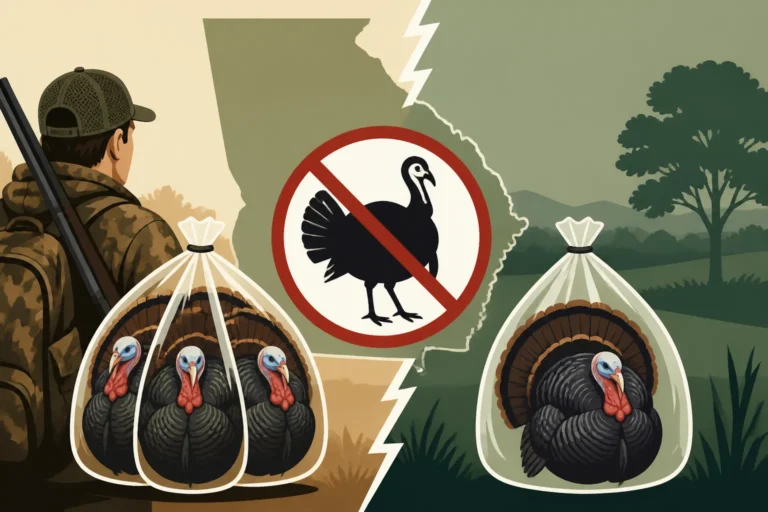
Georgia's turkey season structure can sometimes feel a little like trying to untangle a gobbler's track through thick palmettos – it's clear if you know what to look for, but easily confusing if you don't. The most crucial distinction to remember when it comes to the closing date revolves around whether you’re hunting private land or public land. This isn't just a minor detail; it’s the difference between a legal harvest and an unwelcome conversation with a game warden.
Private Land Closures
For hunters primarily pursuing turkeys on private property, whether that's your own acreage, a friend's farm, or a leased tract, the season typically runs a bit longer than on public land. This longer season on private land is a historical and practical aspect of Georgia's wildlife management, aiming to provide more recreational opportunities where hunting pressure can be more easily controlled by landowners.
The private-land season generally concludes in mid-May. For example, in recent years, you'd find the season ending around May 15th. This gives private-land hunters a solid six to seven weeks of chasing birds, often extending well past when public land opportunities have dried up. This additional time can be a real blessing, especially when dealing with late-breeding hens or gobblers that have become notoriously quiet after weeks of pressure. You might still catch a bird slipping up in that final week, particularly if you've been doing your scouting and understand the local bird movements. The feeling of tagging a bird on the last day is truly special, a testament to perseverance. You can check the specific statewide private land closing date each year in the official Georgia hunting regulations guide or through the Go Outdoors Georgia app, which is a fantastic resource for all your licensing and regulation needs.
Public Land Closures
Now, if you're like many of us who rely on Georgia's extensive Wildlife Management Areas (WMAs) or other public lands for your turkey hunting fix, you'll need to pay even closer attention. The public land season generally wraps up earlier than private land, often at the beginning of May. For instance, you might see a closing date around May 1st for most public areas. This earlier closure is a critical management tool, designed to reduce pressure on public land turkey populations, which often face more intense hunting activity due to their accessibility.
Furthermore, it's not always a uniform closing date across all public lands. Some WMAs might have even more restrictive season lengths, often dictated by specific local turkey population dynamics or habitat management goals. This is why always checking the specific WMA regulations is non-negotiable. Don't assume that if one WMA closes on May 1st, they all do. A quick check of the WMA's specific rules on the Georgia Department of Natural Resources website or within the Go Outdoors Georgia app will save you a lot of heartache and potential legal trouble. Knowing the exact date for your chosen WMA is just as important as knowing the statewide private land opener, if not more so, since public land typically sees much higher hunter traffic. This is especially true if you're trying Hunting the Georgia Public-Land Turkey Opener and need to plan your final pushes.
Here’s a quick overview of the typical season closing dates to keep in mind:
| Land Type | Typical Opening Date (Approx.) | Typical Closing Date (Approx.) | Notes |
|---|---|---|---|
| Private Land | Mid-March | Mid-May | Statewide, check specific year for exact dates |
| Public Land | Early April | Early May | Varies by WMA; always check specific WMA regulations |
Dates are approximations; always consult current Georgia hunting regulations.
Why the Season Ends When It Does: Biology and Management
The setting of turkey season dates isn't arbitrary; it's a careful balance struck by wildlife biologists and managers to ensure healthy, sustainable turkey populations while still providing ample recreational opportunities for hunters. The closing dates, in particular, are tied directly to the biological cycles of wild turkeys in Georgia.
Protecting Reproduction and Poult Survival
The primary reason for ending the spring turkey season, especially on public lands, is to protect the reproductive success of the turkey population. By mid-to-late May, most hens are either already nesting or have hatched their clutches and are busy raising poults. Continuing the season too late into this period would increase the chances of disturbing nesting hens or even inadvertently harvesting hens, which is illegal and detrimental to future turkey numbers. Hens are the backbone of any turkey population, and their protection during the most critical period of reproduction is paramount.
Biologists closely monitor poult-to-hen ratios and overall turkey population trends. If these numbers show declines, regulations, including season length, are often adjusted. For example, Georgia has seen adjustments to its turkey bag limit in recent years, partly in response to declining turkey populations in some areas. This proactive management helps ensure that future generations of hunters will still have vibrant populations to pursue. It's a long-term vision, even if it means cutting a few days off our hunting season now.
Balancing Hunter Opportunity and Conservation
Wildlife agencies like the Georgia Department of Natural Resources (DNR) are constantly walking a tightrope between providing adequate hunting opportunities and ensuring the long-term health of game species. A longer season might make hunters happy in the short term, but if it leads to overharvest or significant disturbance during critical breeding phases, it could have severe negative consequences for the population.
The earlier closing on public lands reflects the understanding that these areas generally experience higher hunting pressure. More hunters in the woods, especially towards the latter part of the season, means more potential disturbance and a higher chance of impacts on the birds. By shortening the season on public lands, the DNR can mitigate some of this pressure, giving the turkeys a crucial reprieve during their most vulnerable time. It's about ensuring that those big, beautiful gobblers you chase today are still strutting their stuff years down the road, and that the hens have every chance to successfully raise their broods. This careful balancing act also influenced decisions like Why Georgia Cut the Turkey Bag Limit to further aid conservation efforts.
Navigating the Late Season: Tactics as Time Runs Out
As the season winds down, turkey hunting transforms. The aggressive gobblers of opening week have often been pressured, hens are more committed to nesting, and the woods feel quieter. This doesn't mean your chances are over, but it definitely means you need to adjust your approach. Those final weeks can be incredibly rewarding for patient and adaptable hunters.
Adjusting Calling Strategies
Early season gobblers often come barreling in to a well-placed series of yelps and cutts. By late season, things are different. Hens are often on nests, meaning gobblers are actively seeking the few remaining available hens. However, these gobblers have also likely heard every trick in the book by now and might be more wary. Aggressive calling can sometimes spook a bird that's been educated, or simply ignored if he's already with hens.
My advice for late-season calling is to tone it down. Focus on soft, subtle sounds – quiet tree yelps, soft clucks, and purrs. The goal is to pique a gobbler's curiosity, making him think he's hearing a shy, lonely hen, rather than a demanding one. If he gobbles, try not to immediately hammer him with more calls. Let him think about it. If he doesn't respond, wait 15-20 minutes, then try another soft series. Sometimes, a well-timed "lost hen" scenario can work, but it needs to sound genuine and not overdone. Remember, by late April and early May, especially on public land, When Georgia Gobblers Go Quiet in May, so subtlety is key.
Scouting for Late-Season Roosts and Strut Zones
With less responsive gobblers, visual scouting and understanding turkey movement patterns become even more crucial. Instead of relying solely on calling them in from afar, focus on intercepting them. This means finding out where they're roosting and, more importantly, where they're strutting once they hit the ground.
Late-season gobblers often have established strut zones, areas where they'll repeatedly display for hens or just out of habit. These can be open ridges, logging roads, field edges, or even clearings within the timber. Look for fresh tracks, wing drags, and droppings. Setting up near these areas before daylight or waiting until late morning when gobblers might be alone and looking for company can be highly effective. Early morning scouting for Roost Hunting Georgia Gobblers can give you a significant advantage, helping you pinpoint exactly where to set up for a morning ambush. Using a mapping app like GoHunt during the off-season to mark potential strut zones or historical roost locations can give you a huge leg up when those last few days arrive.
Making the Most of Limited Opportunities
The late season often tests a hunter's patience and persistence. You might not hear as many gobblers, and the ones you do hear might be "henned up" or reluctant to commit. This is where a run-and-gun approach, carefully executed, can pay off. Don't be afraid to cover ground if a spot isn't producing. Slip quietly through the woods, stopping frequently to listen. Use terrain features to your advantage, moving from ridge to ridge or along creek bottoms, trying to strike a bird.
When you do hear a distant gobble, assess the situation. Is it a lone bird? Is it on private land adjacent to public? Often, these late-season gobblers are looking for that one last hen before the season closes. If you can get close undetected and offer a realistic, subtle serenade, you might just coax him into range. Remember to use terrain, cover, and subtle movements to your advantage. For those who hunt different habitats, adapting to Turkey Tactics for Piedmont Field Edges will vary greatly from hunting dense swamp bottoms, but the core principle of adapting your approach remains.
Staying Legal and Ethical Until the Last Minute
Even as the clock winds down on the turkey season, it's absolutely paramount to adhere to all regulations and maintain ethical hunting practices. The last few days can sometimes bring out a desperate mindset, but responsible hunting means respecting the rules and the resource, no matter how badly you want to fill your tag.
Checking Local Regulations
As mentioned, public lands often have different closing dates than private lands. Before you head out for those final hunts, double-check the specific regulations for the area you plan to hunt. If you're on a WMA, pull up the WMA-specific rules. Don't rely on last year's knowledge or hearsay. Regulations can change, and you don't want to accidentally violate a rule in pursuit of a late-season gobbler. This also includes verifying bag limits; while Georgia has a season limit, daily limits still apply. Knowing these nuances helps you avoid issues and ensures you are hunting responsibly. This diligence is especially important if you participate in Run-and-Gun Turkey Tactics on Public Land, where moving quickly between areas requires constant awareness of local rules.
Respecting Private Land Boundaries
This is a big one, especially in Georgia where public and private lands often abut each other. As the season nears its end, you might hear gobblers on adjacent private property. It's incredibly tempting to push the boundary, but don't do it. Trespassing is illegal, unethical, and gives all hunters a bad name. Always know exactly where you are, whether you're using a GPS unit, a phone app like GoHunt, or simply relying on good old-fashioned map and compass skills.
If a bird flies down on private land, you cannot pursue it unless you have explicit permission from the landowner. If you accidentally wound a bird that crosses onto private land, you must secure permission before attempting to retrieve it. This respect for private property is fundamental to the hunting heritage and crucial for maintaining good relationships between landowners and the hunting community. Violating these boundaries can lead to severe penalties and loss of hunting privileges.
Beyond the Closing Date: Post-Season Activities
Just because the season closes doesn't mean your engagement with wild turkeys has to end. The post-season is a crucial time for reflection, preparation, and continued learning, ensuring you're ready and even more successful for the next year.
Scouting for Next Year
The end of one season is the beginning of scouting for the next. Once the leaves are fully out and the woods are quieter from hunting pressure, it’s a great time to walk your hunting areas without a gun in hand. Look for historical strut zones, potential roost trees, and travel corridors that birds use. Areas with good bugging habitat for poults, such as open pine stands with recent burns or clearcuts, are great places to check for future activity. You might even spot hens with poults, giving you an idea of nesting success in your area. This kind of off-season recon, sometimes referred to as "summer scouting," can reveal patterns and locations you missed during the intensity of the season. Think about Scouting Georgia Public Land Before Season but extend that concept right through the summer.
Gear Maintenance and Reflection
Once you've hung up your turkey vest for the year, take the time to properly clean and store all your gear. Tune up your shotgun, service your calls, and inspect your boots and clothing for wear and tear. This not only extends the life of your equipment but also ensures everything is in top shape when opening day rolls around again next spring.
More importantly, take some time to reflect on your season. What worked? What didn't? What did you learn about turkey behavior in your specific hunting grounds? Did your calling need refinement? Were your setups effective? Every season, successful or not, offers valuable lessons. Jot down notes, review maps, and think about how you can improve for next year. Perhaps you need to refine your decoy setup, or practice your soft calls more often. This reflective practice is what turns a good hunter into a great one, always learning and evolving their approach. Consider how your Turkey Decoys That Work on Pressured Birds performed and if any adjustments are needed.
Ultimately, the Georgia turkey season closing date marks the end of a thrilling chapter each year, but it’s never truly the end of the journey for a dedicated turkey hunter. It’s simply a transition, a time to rest, reflect, and begin preparing anew for the gobblers of seasons to come.
Disclaimer
Please note that hunting regulations, including season dates and bag limits, can change annually. It is the responsibility of every hunter to consult the most current Georgia Department of Natural Resources (DNR) hunting regulations guide or visit the official Georgia Wildlife Resources Division website before heading into the field. This article provides general information and should not be considered a substitute for official legal guidelines.