Which Counties Sit Inside Georgia’s CMA
It's an unfortunate reality that diseases can impact our beloved wild game, and for those of us who spend our autumns and winters in the Georgia woods, Chronic Wasting Disease (CWD) has become a serious concern. The fear of this devastating neurological disease spreading through our deer population, and the confusion around the rules designed to contain it, can add an unwelcome layer of stress to our hunting season. This comprehensive guide aims to clear up any confusion you might have about Georgia's CWD Management Area (CMA), detailing exactly which counties are included and what regulations hunters need to follow to protect our state's deer herd.
Understanding Chronic Wasting Disease in Georgia
Chronic Wasting Disease is a serious, always-fatal neurological disease that affects deer, elk, moose, and reindeer. It's caused by abnormal proteins called prions, which slowly damage the brains of infected animals. For years, Georgia hunters watched nervously as CWD spread through neighboring states, holding our breath, hoping it wouldn't reach our abundant whitetail population. Unfortunately, that changed, and now we're all playing a crucial role in managing its spread.
What CWD Is and Why It Matters to Hunters
Imagine a deer that's slowly wasting away, losing weight, exhibiting unusual behavior, and eventually succumbing to an incurable disease. That's the tragic reality of CWD. It's a disease that can spread through direct animal-to-animal contact, but also indirectly through contaminated environments, such as soil where infected animals have left behind bodily fluids. For hunters, the stakes are incredibly high. A widespread CWD infection could devastate deer populations, leading to reduced hunting opportunities, changes in season structures, and a fundamental shift in how we manage and enjoy our deer resources. The long incubation period means an animal can be infected for years before showing symptoms, making early detection and containment critical. It's not just about the numbers; it's about the health of the herd we cherish.
The Initial Discovery and Response in Georgia
The news many of us dreaded finally broke in September 2023 when the Georgia Department of Natural Resources (DNR) confirmed the state's first-ever case of CWD. This wasn't some distant problem anymore; it was here, right in our own backyard. The initial detection, which was critical to understanding How CWD Reached South Georgia, came from a hunter-harvested deer in Randolph County during the 2023-2024 deer season. This single positive test immediately triggered a cascade of well-established protocols designed to identify the extent of the infection and implement containment measures. It was a sobering moment for the hunting community, but also a testament to the vigilance of our wildlife agencies and hunters who participated in voluntary testing. This initial case, marking Georgia's First Confirmed CWD Case, was a wake-up call that required immediate and decisive action.
Georgia's Proactive Approach to Disease Management
Following that first confirmed case, the Georgia DNR, in conjunction with the U.S. Department of Agriculture (USDA), wasted no time in establishing a CWD Management Area, or CMA. This wasn't a knee-jerk reaction but a carefully planned strategy based on years of research and lessons learned from other states. The goal was twofold: to aggressively monitor and test deer within a specific radius of the infected animal to gauge prevalence, and to implement strict regulations to prevent the physical movement of potentially infected carcasses or parts to other areas of the state. It's a collaborative effort that relies heavily on hunter cooperation. The DNR launched an extensive outreach campaign to inform hunters about the new rules and the importance of their role in slowing or stopping the spread of CWD. This proactive stance is essential to protecting the future of White-Tailed Deer Across Georgia.
Pinpointing Georgia's CWD Management Area (CMA) Counties
When CWD was confirmed, one of the first and most critical steps was to define the geographical boundaries of the CWD Management Area. This wasn't an arbitrary line on a map but a scientifically determined zone based on the potential spread of the disease from the initial positive case. For hunters, knowing these boundaries is paramount to ensuring compliance with the new regulations.
The Four Core Counties Affected
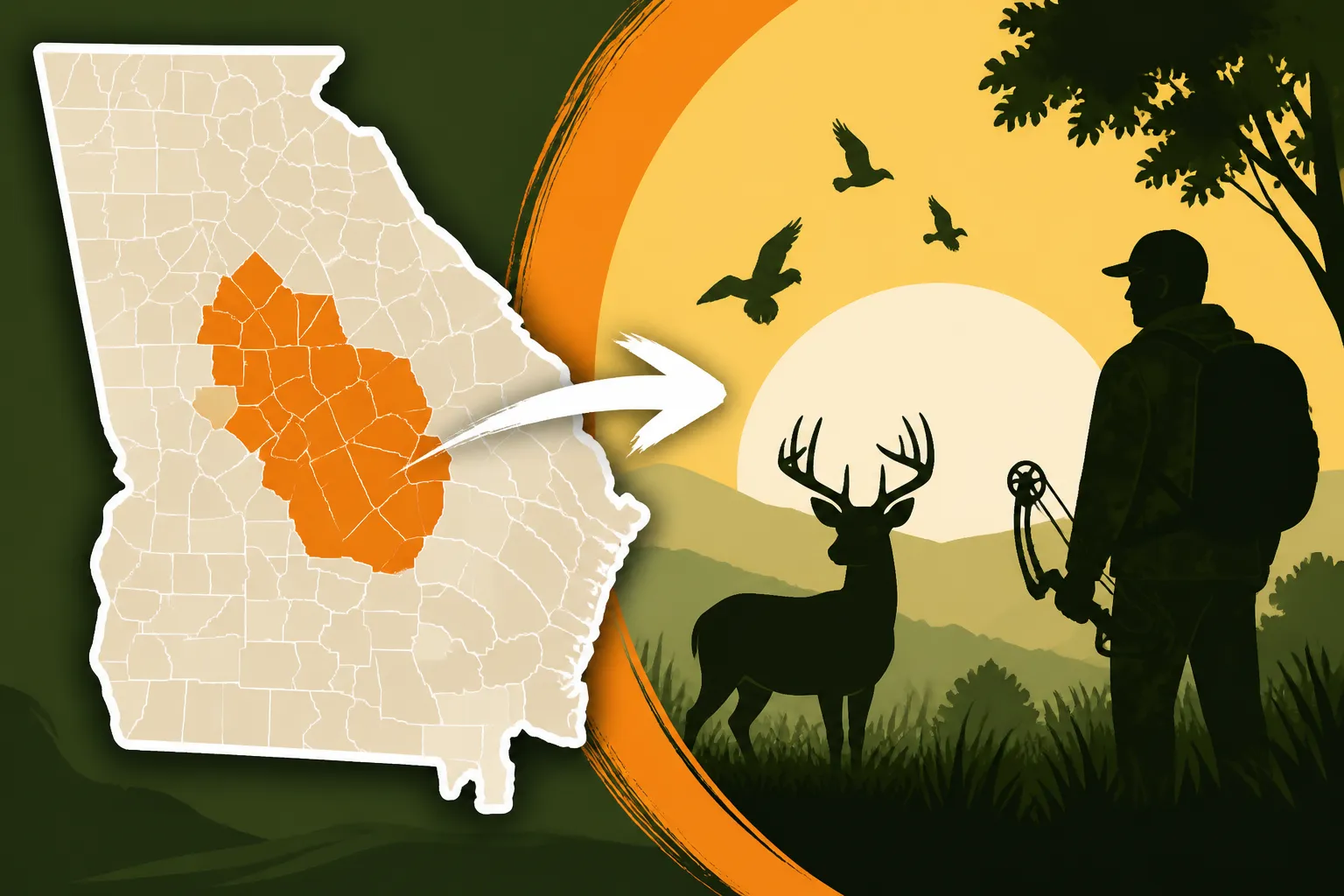
Based on the initial detection in Randolph County and the subsequent epidemiological investigation, the Georgia DNR officially designated four counties as the core of the CWD Management Area. These are the counties where the most stringent rules apply and where intense surveillance efforts are concentrated. The four counties that sit inside the CWD zone are Randolph County, Early County, Calhoun County, and Terrell County. If you hunt in any part of these counties, it is absolutely crucial that you understand and adhere to all CWD regulations. While the initial positive deer was in Randolph, the proximity and historical deer movement patterns in the region led to the inclusion of its neighbors to create a robust management zone. These counties represent a vital frontline in Georgia's battle against CWD.
How the Five-Mile Radius Was Established
The CWD Management Area isn't just about full county lines; it's about proximity to the known infection. The DNR established the CMA by drawing a five-mile radius around the location where the initial CWD-positive deer was harvested. This radius serves as a critical buffer zone, encompassing the areas with the highest risk of immediate CWD exposure and potential spread. The decision for Why Georgia Used a Five-Mile CWD Radius is rooted in scientific data regarding deer movement patterns and the typical dispersal of prions in the environment. While the regulations then extend to encompass the entire four identified counties, this initial five-mile hotspot was the basis for the core containment strategy. It highlights the precise nature of disease management efforts, focusing resources where they are most needed.
Checking Your Hunting Location Against the CMA Map
It's easy to get confused about specific property lines or whether a certain corner of a county falls within the CMA. Thankfully, the Georgia DNR has provided excellent resources to help hunters navigate these new boundaries. You can use tools like the Georgia Outdoors App, a fantastic resource for Scouting With the Georgia Outdoors App, which often includes layers showing CWD management zones. Alternatively, the official GoHunt website and DNR mapping tools provide detailed, up-to-date maps of the CMA. Before you head out, especially if you're hunting near the edges of Randolph, Early, Calhoun, or Terrell counties, take a few moments to double-check your exact location. Knowledge is power here, and confirming your position within or outside the CMA means you'll be fully prepared to comply with regulations like Mandatory Testing Inside Georgia's CMA or carcass transport restrictions. No one wants an unexpected headache after a successful hunt, so a quick check with the Using the Georgia Outdoors Map Tool can save you a lot of trouble.
Rules and Regulations Inside the CWD Management Area
Hunting inside the CMA is a bit different than hunting elsewhere in Georgia. These specific rules are designed to minimize the risk of CWD spreading further, and every hunter needs to understand and follow them without exception. Compliance isn't just a suggestion; it's a critical part of protecting our deer herd.
Mandatory CWD Testing for Harvested Deer
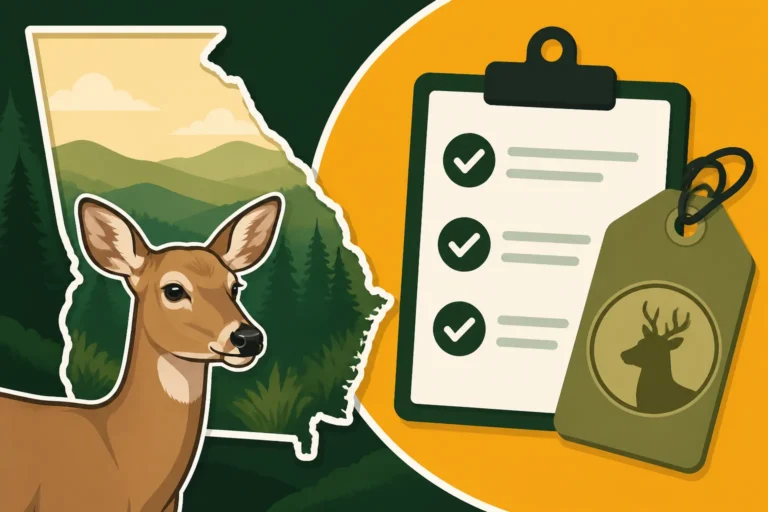
One of the most significant changes for hunters in the CMA is the requirement for mandatory CWD testing. Any deer harvested within the boundaries of Randolph, Early, Calhoun, or Terrell counties must be submitted for CWD testing. This isn't optional; it's a non-negotiable step to help the DNR monitor Georgia CWD Prevalence in the Management Area and track any potential spread. After you harvest a deer in one of these counties, you are required to report your harvest via Georgia Game Check, and then take the animal's head to a designated sampling station. The process is straightforward, but it adds an extra layer of responsibility. The DNR has established multiple convenient drop-off points, and they often provide clear instructions online on how to properly submit your sample. This mandatory testing is the backbone of Georgia's surveillance strategy, giving wildlife biologists the data they need to assess the disease status of the herd.
Carcass Movement Restrictions
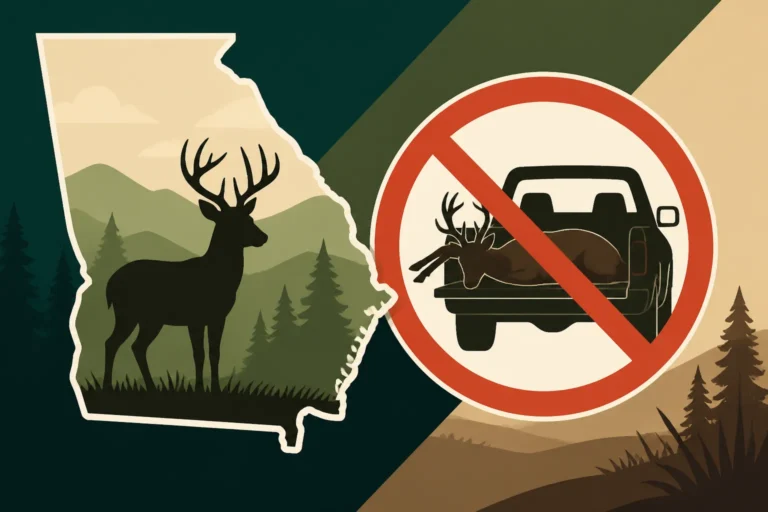
Perhaps the most impactful regulation for many hunters, especially those traveling from outside the CMA, is the strict limitation on moving deer carcasses. To prevent the physical transportation of CWD prions to uninfected areas, there are specific rules about what parts of a deer can be moved out of the CMA. Essentially, whole deer carcasses are not allowed to leave the CWD Management Area. However, certain parts are permitted: deboned meat, antlers (with no soft tissue attached), cleaned skulls (with no brain or spinal cord tissue), hides (with no head attached), and finished taxidermy mounts. This means if you harvest a deer in the CMA, you'll need to process it extensively before leaving the area, or utilize local processors who are aware of the regulations. Understanding Georgia Carcass Movement Restrictions is paramount, as violating these rules, even unintentionally, can lead to serious penalties and, more importantly, put other deer herds at risk.
Understanding Baiting and Feeding Prohibitions
Another critical aspect of CWD management within the designated counties is the prohibition on baiting and supplemental feeding of deer. The reason for this rule is simple: concentrated deer at bait sites or feeders increase direct nose-to-nose contact, which is a primary way CWD can spread between animals. It also concentrates prions in the soil, creating a long-term source of infection. Therefore, within Randolph, Early, Calhoun, and Terrell counties, the use of bait, mineral licks, or any other form of supplemental feeding for deer is strictly forbidden. This rule aligns with broader CWD prevention strategies seen in many states, emphasizing the importance of reducing unnatural congregations of deer. Hunters and landowners in these areas must adjust their practices to comply with this vital regulation, ensuring they are not inadvertently contributing to the disease's spread.
Practical Implications for Hunters in the CMA
Navigating the CWD Management Area requires more than just knowing the rules; it demands practical adjustments to your hunting routine. From where you get your deer tested to how you plan your post-harvest activities, preparedness is key.
Locating CWD Sampling Stations
Once you've successfully harvested a deer within the CMA, your next step is to get it tested. The Georgia DNR has established a network of CWD sampling stations strategically placed within and around the affected counties to make this process as convenient as possible. These might include self-service drop-off coolers at various locations like WMAs, ranger stations, or local businesses, as well as manned stations during peak hunting days. Before you head out, make sure you know the closest sampling station to your hunting spot and their operating hours. The DNR website and the Georgia Outdoors App are excellent resources for Finding a Georgia CWD Sampling Location. You'll need to follow specific instructions for preparing the head for submission, usually involving removing the cape and attaching a harvest tag. Having this information locked down beforehand will save you time and hassle, especially if you harvest a deer late in the day.
Planning Your Hunt Around Carcass Rules
The carcass movement restrictions mean you can't just throw a whole deer in the back of your truck and drive it home if "home" is outside the CMA. This requires some careful planning, especially for those who hunt in the CMA but live elsewhere. Consider bringing adequate supplies for field dressing and boning out your deer on site. Many hunters opt for the "gutless method" to remove all meat from the bone, leaving the skeletal structure behind. You'll need durable game bags and coolers to transport the deboned meat. Alternatively, research local processors within the CMA who are equipped to handle and process deer according to the regulations, ensuring that only permissible parts leave the area. For hunters thinking about a European mount or full shoulder mount, you'll need to clean the skull thoroughly, removing all brain and spinal cord tissue, before it can cross CMA boundaries. Understanding these rules helps you manage Handling Venison From a CWD Management Area safely and legally.
Dealing with Potential CWD Positive Results
It's a scenario no hunter wants to face: getting a call that the deer you harvested tested positive for CWD. While it's a tough pill to swallow, knowing what happens next can help manage the situation. If your deer tests positive, the DNR will contact you directly. They will provide guidance on safe handling and disposal of any remaining carcass parts you might still have. It's important to remember that the Centers for Disease Control and Prevention (CDC) recommends against consuming meat from CWD-positive animals. The good news is that very few deer tested thus far in Georgia have shown CWD, and the chances of your specific deer being positive are still very low. However, being prepared for this possibility is part of being a responsible hunter in a CWD-affected area. The DNR's primary goal is to provide accurate information and support to hunters, ensuring public safety and disease containment.
Beyond the CMA: Statewide Efforts and Hunter Responsibility
While the CWD Management Area is the hot zone, the fight against CWD is a statewide effort. Every hunter, regardless of where they hunt in Georgia, has a role to play in protecting our deer and ensuring the long-term health of our wildlife.
| CMA County | Mandatory Testing? | Carcass Movement Rules | Baiting/Feeding Prohibited? |
|---|---|---|---|
| Randolph | Yes | Whole carcass cannot leave CMA. Deboned meat, cleaned skulls/antlers, hides, and taxidermy mounts allowed. | Yes |
| Early | Yes | Whole carcass cannot leave CMA. Deboned meat, cleaned skulls/antlers, hides, and taxidermy mounts allowed. | Yes |
| Calhoun | Yes | Whole carcass cannot leave CMA. Deboned meat, cleaned skulls/antlers, hides, and taxidermy mounts allowed. | Yes |
| Terrell | Yes | Whole carcass cannot leave CMA. Deboned meat, cleaned skulls/antlers, hides, and taxidermy mounts allowed. | Yes |
| Outside CMA | No (Voluntary) | No state-level restrictions, but it is always best practice to process deer near the kill site and dispose of carcass parts properly. Avoid moving brain/spinal cord material unnecessarily. | No (Check local ordinances) |
Ongoing Monitoring and Surveillance Efforts
Even outside the defined CMA, the Georgia DNR isn't sitting idly by. They maintain robust Georgia Wildlife Disease Monitoring programs across the state, conducting voluntary CWD testing during hunting season and monitoring for any signs of the disease. This broader surveillance is crucial for early detection should CWD ever spread beyond its current known boundaries. Wildlife biologists collect samples from road-killed deer, opportunistic harvests, and through partnerships with taxidermists and processors. This continuous vigilance allows the state to quickly identify new outbreaks and adapt management strategies as needed. As hunters, participating in voluntary testing programs, even if not strictly required in your county, provides invaluable data that helps protect the resource for everyone.
Reporting Sick Deer
You are the eyes and ears of the woods. Hunters spend more time observing deer in their natural habitat than almost anyone else, making them vital partners in disease surveillance. If you ever observe a deer that appears sick or is exhibiting unusual behavior—such as extreme emaciation, stumbling, drooling excessively, or showing no fear of humans—it's imperative to report it to the Georgia DNR immediately. Do not approach or handle the animal. Timely reporting allows wildlife officials to investigate and collect samples, which can be critical for early detection of CWD or other diseases. This simple act of being observant and knowing when to make a call is a powerful contribution to Reporting a Sick Animal in Georgia and protecting our herd.
Best Practices for All Hunters
Even if you never step foot in a CWD Management Area, there are still best practices that every hunter should adopt to minimize the risk of spreading CWD. First and foremost, always process your deer in the field or at home, and dispose of carcass waste responsibly. This means double-bagging and placing it in a landfill, or burying it deeply on the property where the deer was harvested, rather than leaving it exposed in the woods where other animals can access it. Avoid placing mineral licks or feeding deer, as these activities can concentrate animals and facilitate disease transmission. If you hunt out of state, be extremely careful not to bring any prohibited deer parts back into Georgia. Utilize resources like the GoHunt platform to stay updated on the latest regulations and disease information. By being diligent, informed, and responsible, we can all contribute to keeping CWD contained and ensuring healthy deer populations for generations of Georgia hunters.
Disclaimer
The information provided in this guide is for general informational purposes only and is subject to change. Hunting regulations, including those related to Chronic Wasting Disease, are regularly updated by the Georgia Department of Natural Resources. Always consult the official Georgia DNR hunting regulations and specific county ordinances before engaging in any hunting activities. Hunters are responsible for knowing and adhering to all current laws and regulations.