Jump-Shooting Georgia Beaver Ponds for Wood Ducks
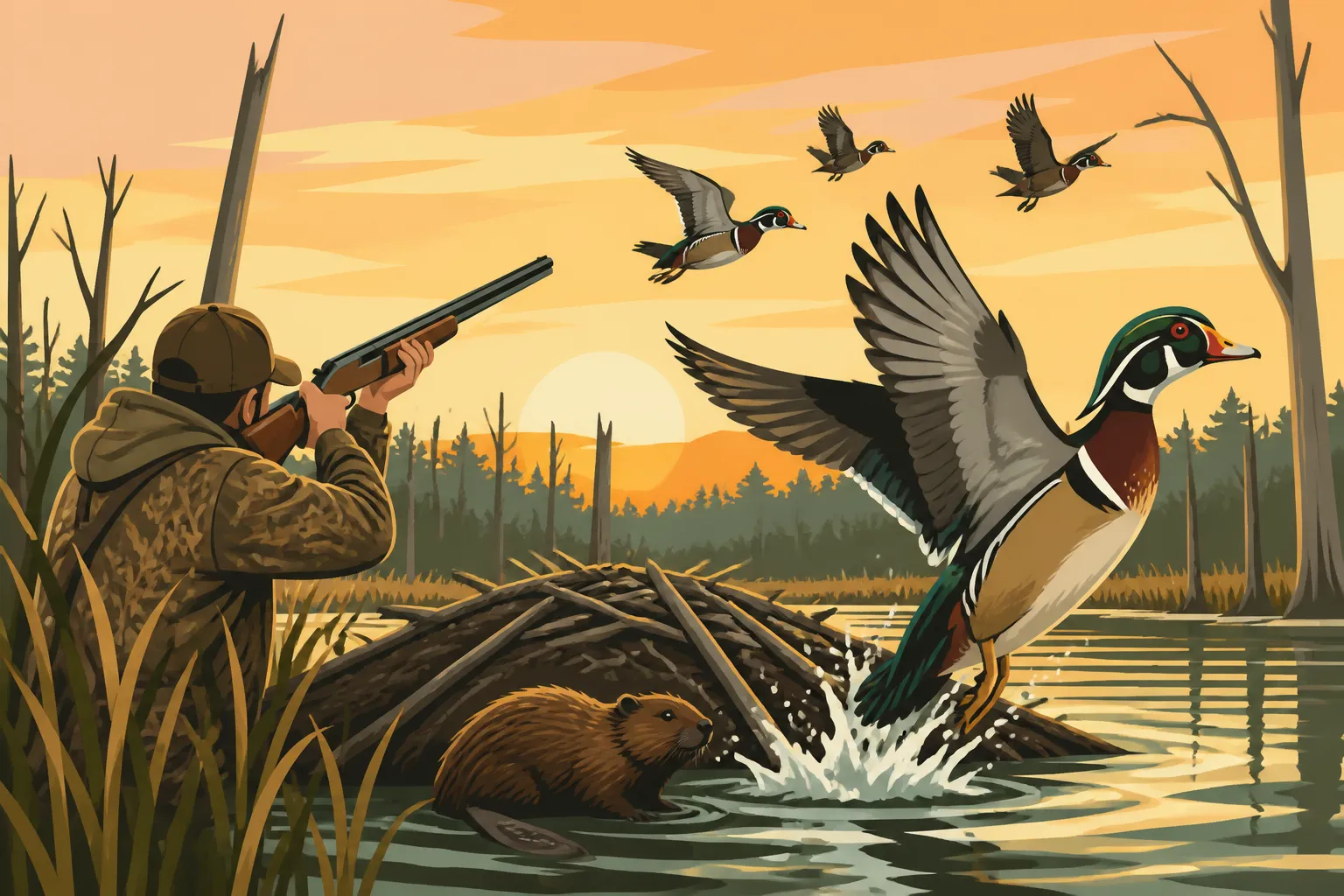
There's nothing quite like the rush of a flock of wood ducks erupting from a hidden beaver pond, their squealing calls echoing through the damp Georgia woods. But let's be honest, hunting these beautiful, fast-flying birds can feel like a game of hide-and-seek where the ducks always win. If you've spent countless hours in a blind, hoping a few stragglers might commit to your decoys, only to be left with empty skies, you know the frustration. Sometimes, you need a more active approach, one that leans into the wild, unpredictable nature of these birds. This guide is dedicated to a thrilling and often highly effective method: jump-shooting Georgia's countless beaver ponds for wood ducks, transforming those frustrating waits into adrenaline-pumping encounters.
Understanding the Elusive Wood Duck and Its Preferred Beaver Pond Habitat
Before you can effectively hunt wood ducks, you've got to understand them. These aren't your typical field-loafing mallards or big-water divers. Wood ducks, with their stunning iridescent plumage, are creatures of the timber and the swamp. They thrive in flooded woodlands, slow-moving creeks, and especially, the rich, sheltered ecosystems that beaver ponds create. If you want to dive deeper into the general habitat these birds favor, check out our guide on Wood Ducks in Georgia Swamps.
Why Beaver Ponds Are Wood Duck Magnets
Think of a beaver pond as a wood duck's five-star resort. Beavers, those industrious little engineers, create perfect habitat by damming up creeks and small rivers. This floods timber, creating shallow water areas full of submerged woody debris and standing dead trees. What does this mean for wood ducks?
First, it means food, glorious food. The stagnant or slow-moving water in these ponds provides an abundance of acorns, duckweed, aquatic insects, and small invertebrates – all prime wood duck groceries. They especially love acorns, and if you find a beaver pond with oak trees around it, you're likely sitting on a gold mine. Second, these ponds offer incredible cover. The tangled branches and dense shoreline vegetation provide excellent protection from predators, both aerial and terrestrial. When a wood duck needs to escape, it can zip through the timber faster than almost any other waterfowl. Lastly, the shallow, often stagnant water makes these areas ideal loafing and roosting spots, particularly in the evening after a day of feeding. It’s common for a whole flock to settle into a quiet pond, making it a perfect target for an early morning or late afternoon jump-shoot.
Identifying Active Beaver Ponds
You can’t just walk up to any old flooded timber and expect to find wood ducks. You need active beaver ponds, or at least ponds that show consistent wood duck use. Scouting is paramount here. Look for fresh beaver sign: shiny, recently cut saplings with tell-tale chisel marks, fresh mud on the dam, or a well-maintained lodge. If the dam is breached or overgrown, the pond might not be holding much water, making it less attractive to ducks.
Beyond beaver activity, look for direct wood duck evidence. This can be tougher to spot, but keep an eye out for droppings on logs or stumps (small, dark, and often tubular). Listen, too. Wood ducks have a distinctive, high-pitched "woo-eek" call, and the hens often make a long, descending "oooo-eeeek" alarm call. Hearing these sounds during scouting trips, especially at dawn or dusk, is a sure sign you're onto a good spot. You can even use mapping apps like GoHunt to scout aerial images for potential beaver activity – look for the tell-tale "pie slices" of open water and the linear features of a dam.
Essential Gear for Navigating and Hunting Beaver Ponds
Jump-shooting beaver ponds isn't like sitting in a dry field blind. It's often wet, muddy, and physically demanding. Having the right gear isn't just about comfort; it's about safety and success.
Your Shotgun and Ammunition Choice
For jump-shooting wood ducks in the tight confines of a beaver pond, you need a fast-swinging shotgun that points naturally. A 12-gauge or 20-gauge pump or semi-automatic with a shorter barrel (26 inches or less) is ideal. Wood ducks burst out of cover quickly and often at close range, so a fast-handling gun is crucial. An improved cylinder or modified choke is usually perfect, providing enough spread for close shots without blowing patterns too wide. If you're curious about other shotgun options suitable for Georgia, our guide on Shotguns for Georgia Quail and Dove has some excellent insights that can apply here.
When it comes to ammunition, remember that federal regulations require non-toxic shot for all waterfowl hunting. Steel shot is the most common and affordable option, but bismuth or tungsten-alloy alternatives offer superior performance, especially at longer ranges, though they come at a higher cost. For wood ducks, a smaller shot size like #4 or #6 steel is often preferred. These birds aren't massive, and the higher pellet count of smaller shot increases your chances of connecting with these agile fliers. Always carry enough shells, as follow-up shots are common, and you don't want to run out mid-hunt.
Waders, Boots, and Protective Clothing
This is where the rubber literally meets the road, or rather, the muck. Good quality, durable waders are non-negotiable for beaver pond hunting. You'll be wading through knee-deep (or sometimes waist-deep) water, pushing through thick vegetation, and navigating tricky, uneven bottoms. Neoprene waders offer warmth and durability, while breathable chest waders are excellent for warmer early-season hunts. Look for models with reinforced knees and sturdy boots. Beyond keeping you dry, waders provide a crucial layer of protection against submerged branches and, importantly in Georgia, snakes. For more on protecting yourself in wet environments, you might find our insights on Waders for Georgia Tidal Marsh Hunting helpful, even though it focuses on coastal areas.
Layering your clothing is also key. Georgia weather can be fickle, especially during waterfowl season. Start with moisture-wicking base layers, add insulating layers as needed, and top it off with waterproof and windproof outerwear. Camouflage is beneficial, but breaking up your outline is more important than specific patterns when you're moving through dense cover. Don't forget a waterproof hat and gloves, especially in cooler weather.
Navigation and Safety Gear
You'll be venturing into remote, often dense areas. A reliable GPS unit or a mapping app like GoHunt on your smartphone is absolutely essential. Mark your entry point, potential hotspots, and any tricky terrain features like deep holes or thick briar patches. GoHunt often has detailed public land boundaries, which is critical if you're hunting shared resources. For broader tips on mapping, check out Scouting With the Georgia Outdoors App.
Beyond navigation, a small, waterproof first-aid kit, a headlamp for pre-dawn entries or post-dusk exits, and a game strap or waterfowl vest to comfortably carry harvested birds are important. A whistle can be a lifesaver if you get disoriented or need to signal a hunting partner. And never, ever forget your Georgia hunting license, migratory bird stamp (HIP certification), and federal duck stamp – these are legal requirements you can often manage through the Go Outdoors Georgia website or app.
Mastering the Art of Jump-Shooting Beaver Ponds
Jump-shooting is an active hunting method that requires stealth, quick reflexes, and a keen eye for subtle signs. It’s less about waiting and more about strategically moving through prime habitat.
Scouting and Approach Tactics
Your success begins long before you even pull the trigger. Effective scouting is paramount. Use aerial photos on GoHunt or similar apps to identify potential beaver ponds. Look for areas with a good mix of timber, water, and proximity to agricultural fields (another food source). Once you've identified a promising pond, walk the perimeter before hunting. Look for tracks, droppings, and fresh beaver activity as discussed earlier. Note potential entry points that offer good cover and an approach that puts the wind in your face, or at least across you. The less noise and scent you leave behind, the better.
When you're ready to hunt, your approach needs to be incredibly stealthy. Wood ducks have excellent eyesight and hearing. Move slowly, deliberately, and quietly. Use available cover—thick brush, tall grass, standing timber—to break up your silhouette. If hunting with a partner, communicate silently through hand signals. Decide on a path that allows you to cover the most likely loafing areas without revealing yourselves too early. Often, approaching from a corner or downwind side can give you an advantage, as the ducks might flush away from you but into an area where your partner is waiting.
Working the Pond and Flushing Strategies
Once you're at the pond's edge, it's time to start working it systematically. Don't just charge in; observe first. Look for any ducks loafing on logs or hidden in the reeds. Sometimes, you can sneak close enough for a shot before they even know you're there. If you don't spot any, begin to slowly, methodically walk the perimeter or wade through the shallow edges. You're trying to surprise them.
The key to successful jump-shooting is anticipating where the birds will be and where they'll go. Wood ducks typically flush vertically, then level off and zip through the timber. Be ready for sudden explosions of ducks from just a few yards away. Keep your gun mounted and ready to swing. If hunting with a partner, split up slightly, with one person pushing and the other positioned to intercept ducks flushing from a different angle. You might flush a single bird, a pair, or sometimes, a whole flock. The thrill of multiple birds taking wing at once is what makes this method so addictive. Remember, a valid Georgia Migratory Bird Certification is required for hunting these birds.
Shooting, Retrieving, and Ethical Considerations
When ducks flush, your reaction time needs to be instantaneous. Take a quick, instinctive shot, focusing on the bird's head and neck. Because the shots are often close and in thick cover, you might only get one or two opportunities before the birds vanish. Don't waste time trying to lead them like you would open-field pheasants; these are fast-moving, close-quarters targets. For more on general waterfowl shooting tips, see Pass-Shooting Georgia Wood Ducks.
Retrieving downed birds in a beaver pond can be challenging. The dense vegetation and submerged timber can make it nearly impossible to find a bird without a good retriever. If you have a well-trained dog, this is where they truly shine. If not, mark the exact spot where the bird fell with extreme precision, using a natural landmark or even a floating marker you carry. Losing a downed bird is not only disheartening but also unethical. Always strive for clean kills and efficient retrieval.
Maximizing Your Success and Staying Legal on Georgia's Waterways
Hunting wood ducks on beaver ponds offers incredible rewards, but it also comes with responsibilities and legal obligations. Staying informed and ethical is crucial.
Understanding Georgia's Waterfowl Regulations
Navigating Georgia's hunting regulations can sometimes feel like a full-time job. Before you even head out, ensure your licenses are in order. You'll need a valid Georgia hunting license, a Georgia Waterfowl & Migratory Bird Stamp (which includes your HIP certification), and a Federal Duck Stamp. These can typically be purchased online through the Georgia Department of Natural Resources website or on apps like GoHunt, which often integrates licensing services. Remember to be aware of the specific Georgia Duck Zone Boundaries if they apply to your hunting area, although wood ducks are fairly ubiquitous.
Additionally, always know the current daily and possession limits for wood ducks, as these can change year to year based on population surveys. Misidentifying birds in a fast-flushing scenario is a real concern, so make sure you're confident in your wood duck identification skills. Only non-toxic shot is allowed for all waterfowl hunting, regardless of whether you're on public or private land. Disregarding these rules can lead to hefty fines and loss of hunting privileges, so take the time to read the Georgia DNR hunting regulations thoroughly before each season.
Respecting the Resource and Other Hunters
Jump-shooting beaver ponds, while exhilarating, can be disruptive to other hunters in the area. If you're on public land, be mindful of where others might be hunting, especially if they are set up with decoys. The noise and commotion of jump-shooting can push birds out of an entire area. Using a tool like GoHunt can sometimes help you identify areas with less reported hunting pressure. If you encounter another hunter, a friendly wave and a respectful distance go a long way.
Ethical considerations extend to the resource itself. While wood ducks can be abundant, over-pressuring a small beaver pond can quickly make the birds abandon it. If you have a particularly good day on a pond, consider giving it a rest for a few days or even a week to allow new birds to move in. This ensures sustainable hunting opportunities for everyone and maintains the quality of the hunting experience. If you ever come across a sick or injured animal while out hunting, it's important to know the steps for Reporting a Sick Animal in Georgia to help wildlife officials monitor disease spread.
Weather, Water Levels, and Timing
The success of your jump-shooting adventure is heavily influenced by external factors. Weather conditions play a huge role. Overcast, drizzly days can be fantastic, as wood ducks tend to fly lower and are less prone to high-flying escapes. Strong winds can also help by masking your approach and concentrating birds in sheltered areas. However, extremely cold weather can freeze over ponds, making them inaccessible or forcing ducks to larger, open water.
Water levels are equally critical. Too much rain can flood areas far beyond the beaver pond, spreading ducks out and making them harder to find. Conversely, droughts can dry up ponds, leaving little habitat. Ideal conditions usually involve stable water levels following a period of moderate rainfall.
Finally, timing your hunt within the season matters. Early in the season, local birds might be more abundant. As the season progresses, migratory wood ducks from further north will pass through Georgia. Our guide on Georgia Waterfowl Migration Timing can give you a better idea of when to expect those transient birds. Generally, the first hour after legal shooting light and the last hour before legal shooting light are the prime times to find ducks on a pond, as they are either heading to or from their roosting spots.
| Item | Description | Importance (1-5, 5=Critical) |
|---|---|---|
| Shotgun | 12 or 20 gauge, 26-inch barrel or less, Improved/Modified choke | 5 |
| Non-toxic Shot | #4 or #6 steel/bismuth/tungsten, higher pellet count | 5 |
| Chest Waders | Durable, puncture-resistant, with good boots, snake protection | 5 |
| Hunting License & Stamps | GA Hunting License, GA Waterfowl/Migratory Bird Stamp, Federal Duck Stamp | 5 |
| GPS/Mapping App | (e.g., GoHunt) For navigation, property lines, marking hotspots | 4 |
| Bug Spray/Thermacell | Essential for comfort, especially in warmer months | 4 |
| Headlamp | For safe entry/exit in low light | 3 |
| Waterproof Game Bag/Vest | To carry harvested birds comfortably and cleanly | 3 |
| Small First Aid Kit | For minor cuts, scrapes, or snake bites | 3 |
| Water Bottle/Snacks | Stay hydrated and energized during active hunting | 2 |
| Whistle | For signaling partners or in emergencies | 2 |
Disclaimer
Hunting is an inherently dangerous activity. Always prioritize safety, adhere to all local, state, and federal regulations, and practice responsible firearm handling. The information provided in this guide is for informational purposes only and should not replace proper hunter education or professional guidance. Be aware of your surroundings, understand the limitations of your gear, and never hunt alone without informing someone of your plans and expected return time. Always confirm current regulations with the Georgia Department of Natural Resources before heading afield.