Hunting the Public-Land Turkey Opener in April
You’ve spent months dreaming of it, bought your new calls, patterned your shotgun, and practiced your set-ups. Then, opening morning of Georgia's public-land turkey season arrives in April, and you're faced with reality: crowded parking lots, quiet gobblers, and the daunting task of finding a bird that hasn't already been educated by a dozen other hunters. It’s a challenge that can test the patience of even the most seasoned hunter. This guide is here to walk you through navigating those frustrations, offering practical strategies and a realistic approach to finding success on Georgia's public hunting grounds when the season kicks off.
Understanding the Unique Challenges of Georgia's Public-Land Turkey Opener
Hunting public land is a different beast altogether, especially when chasing wary wild turkeys. Unlike private land where you might control access and pressure, public areas are a free-for-all, and that brings a specific set of hurdles.
Navigating Crowds and Pressure
Let's be honest, you're not going to be alone out there on opening day. That’s a tough pill to swallow when you're craving solitude and the pure experience of the spring woods. Parking areas fill up fast, and you might hear other hunters' calls long before you hear a gobbler. This can be incredibly frustrating. Imagine hiking deep into a promising bottomland, only to hear a distant box call that sounds suspiciously like the one you just put away. This pressure changes everything. Birds quickly learn to associate human presence with danger, making them wary of calls and less likely to break from their routine. They might hold up longer on the roost, fly down silently, or even just drift off in the opposite direction from any perceived threat.
To counter this, you need a different mindset. Instead of aiming for the closest, most obvious spots, think about where others aren't going. This often means walking further, finding obscure access points, or utilizing terrain features like steep ravines or thick creek bottoms that deter casual hunters. Understanding the Georgia Public Land Hunting Hours can also help you plan when to get in and out, avoiding peak traffic times as much as possible, though on opening day, expect folks to be out there at all legal hours.
The Mood of April Gobblers
The romanticized image of a gobbler hammering at every call right off the roost, strutting into gun range, is often exactly that: an image. While some birds might be fired up, especially in the first week or two of April, many public-land gobblers quickly become quiet and cautious. They've likely heard every call in the book, seen decoys, and encountered more than a few hunters trying to slip in close. This means their natural exuberance for gobbling might be tempered by survival instincts.
Weather plays a huge role too. A cold front or a drizzly morning can shut them up just as effectively as hunter pressure. You might not hear a single gobble all morning, leading to serious self-doubt. Did you do something wrong? Is there even a bird here? This can be incredibly demoralizing. The key here is not to get discouraged. Just because a bird isn't gobbling doesn't mean he's not there, or that he won't respond to a well-placed, subtle call. It simply means you have to rely more on your woodsmanship, scouting, and patience, rather than just waiting for an aggressive response.
Pre-Season Intelligence: Your Edge on Georgia Public Land
In the world of public-land turkey hunting, preparation isn't just helpful, it's absolutely critical. You can't just show up on opening day and expect to magically find birds. The more you know about the terrain and the birds before you even step foot in the woods, the better your chances of success.
Deciphering Maps and Aerial Imagery
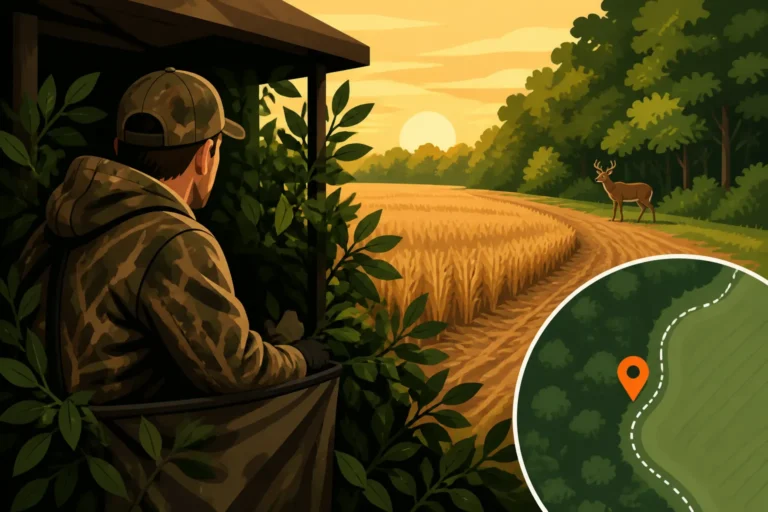
Before you even tie your boots, you should be pouring over maps and aerial photographs. Tools like the Scouting With the Georgia Outdoors App or specialized platforms like GoHunt are invaluable for this. Look for key features that influence turkey movement: ridge lines, saddles, creek bottoms, mature timber, clear-cuts, and open fields. Think about how turkeys might travel between these areas.
Specifically, try to identify potential roosting areas – often mature pines or hardwoods near water sources or along ridge lines. Pin these spots on your GoHunt app. Look for natural funnels where birds might be concentrated, like narrow strips of timber between fields, or pinch points along a creek. Pay close attention to access points: where are the main roads, and are there any less obvious logging trails or old paths that might get you away from the crowds? Identifying these remote entry points can be a game-changer for avoiding that morning rush. Topographical maps can reveal subtle elevation changes that might not seem important but can dictate a bird's travel path or where sound carries best.
Boots-on-the-Ground Reconnaissance
As good as digital maps are, nothing beats getting your feet on the ground. Even a limited amount of pre-season scouting can provide crucial insights that a map simply can’t. Go for a walk a few weeks before the season, or even the weekend before, ideally during mid-day when birds are less likely to be on the roost or actively breeding. Look for physical sign: tracks in muddy creek beds, dusting bowls (shallow depressions where turkeys dust themselves), strut marks (drag marks from a gobbler's wingtips), and droppings. Fresh sign tells you birds are actively using the area.
Beyond visual cues, listen. Go to your chosen public land a few mornings before the season and just sit, listening for distant gobblers. This is the absolute best way to pinpoint actual roost trees or general roosting areas. Don't call, just listen. You'll get a feel for how vocal the birds are, which directions they come from, and where they tend to fly down. These listening sessions can confirm your map-based theories and give you an undeniable edge when the alarm clock goes off on opening day. Remember, even a single confirmed gobble in a secluded area is worth more than a dozen map pins.
Strategic Tactics for Opening Day Success on Public Ground
The alarm clock blares long before the sun even thinks about rising. This is where your pre-season intel, combined with smart on-the-ground tactics, really pays off.
The Art of the Early Morning Roost Set-Up
On public land, getting to your spot early, and I mean early, is non-negotiable. You want to be set up and ready long before legal shooting light, before any other hunters, and ideally before the birds even stir on the roost. The goal is to move silently and stealthily to a position within earshot of a potential roost, but far enough away not to spook the birds. Often, about 100-150 yards from the anticipated roost site is a good starting point, depending on terrain and visibility. You want to be in an ambush point that forces the bird to come into range without feeling threatened.
Once you hear those first tentative tree calls or, even better, a thundering gobble, resist the urge to immediately blast out calls. Start with soft, subtle tree yelps and clucks. Mimic the quiet conversations hens have on the roost. If a bird gobbles hard, acknowledge it with another soft call, but don't overdo it. You're trying to pique his interest, not challenge him or make him think a hen is running toward him. Choose a set-up location with good cover against a large tree, like a Setting Up Against a Big Pine, offering a clear shooting lane in the direction you expect the gobbler to approach. Patience is paramount here; let the morning unfold naturally, and be prepared for him to fly down silently or take his time.
Calling Strategies for Pressured Birds
Public land turkeys hear it all, especially on opening day. That means aggressive, loud calling can often do more harm than good. Instead, think "less is more." Start with soft clucks and purrs, perhaps a few light yelps. Gauge the bird's response. Is he gobbling hard? Does he sound like he's moving your way? Or is he silent, seemingly ignoring you?
If he's hot, you can increase the intensity slightly, but never mimic a hen running to him. Instead, sound like a hen that's comfortable and waiting. A few clucks, a short yelp sequence, then silence. Let him wonder. If he goes quiet or starts drifting away, try a subtle fly-down cackle to simulate a hen hitting the ground. The key is to be realistic and varied. Carry different calls – slate, box, diaphragm – and practice making various sounds. Sometimes a soft series of calls with a friction call is exactly what a hung-up gobbler needs to hear. Don't be afraid to try some basic calls like a fly-down cackle or a soft yelp to get a response, but then let the bird make the next move. If you're struggling, consider the advice found in Calling a Georgia Gobbler Off the Roost.
Run-and-Gun When Birds Go Quiet
It happens to everyone: you've set up perfectly, called softly, and the bird just sails off in the opposite direction or goes completely silent after fly-down. Don't sit there for hours staring at the same patch of woods! That's a recipe for frustration and wasted time. This is where a run-and-gun strategy comes into play, especially on larger WMAs.
After an hour or so of no activity, or if you know the bird has moved on, pick up your gear and move. Don't just wander aimlessly; consult your GoHunt map or the Georgia Outdoors app. Target new areas you've scouted, like another ridge line, a different creek bottom, or a secluded field edge. Move silently and efficiently, stopping every 150-200 yards to call. Use a locator call, like an owl or crow call, to try and elicit a shock gobble. Sometimes a bird that's silent to hen calls will gobble at a perceived territorial intruder. If you get a response, quickly assess the situation and set up. The beauty of the run-and-gun is that it allows you to cover more ground and find that one receptive gobbler others have walked past or given up on. For more detailed advice, check out Run-and-Gun Turkey Tactics on Public Land.
Adapting to Pressure and Post-Roost Behavior
The early morning rush is over, birds have flown down, and the woods might seem to have gone silent. This is often when many hunters pack it in, leaving the field open for those who understand how turkeys behave in the mid-morning and are willing to adapt.
Mid-Morning Movements and Food Sources
After the initial roosting and breeding period, gobblers often move to specific areas for feeding, dusting, or regrouping with other toms or hens. On public land, these mid-morning patterns can be your best bet for success. Don't assume the woods are dead just because the gobbling has stopped. Turkeys are still out there.
Focus your attention on areas with known food sources. This could be open fields that are starting to green up with clover or native grasses, especially in areas like the Georgia Piedmont, or areas with soft mast crops left over from the previous fall. Creek bottoms and swamp edges are also excellent places to find turkeys scratching for insects or grit. Look for subtle terrain features like old logging roads or clear-cut edges that provide both food and cover. Set up near these transition areas and try soft calls every 15-20 minutes. Sometimes, a gobbler will simply walk into your set-up while he's on his way to feed, even if he hasn't responded to your calls directly. This patient, observant approach can pay dividends when others are back at camp. Consider strategies discussed in Turkey Tactics for Piedmont Field Edges for greater success.
Dealing with Other Hunters and Safety
One of the biggest frustrations and safety concerns on public land is encountering other hunters. On opening day, it's almost guaranteed. Beyond the annoyance of having your hunt disturbed, there's a critical safety aspect. Always assume any movement or sound you hear is another hunter until proven otherwise.
When you're walking, especially when moving between spots, make yourself visible. While not always legally required for turkey hunting, wearing some blaze orange or blaze pink on your person (like a hat or vest) while moving can be a smart move, and understanding Georgia Blaze Orange Requirements is essential for all hunters. Once you set up to call, you can remove it. Never stalk a gobbling bird; instead, try to get ahead of him and set up an ambush. If you hear another hunter calling or moving in your direction, make your presence known clearly and vocally. A simple "Hunter! Over here!" can prevent a dangerous situation. Remember, everyone is out there for the same reason, and communication and courtesy go a long way in ensuring a safe experience.
Here’s a quick overview of how different scouting methods stack up for public land turkey hunting:
| Scouting Method | Key Benefits | Potential Drawbacks | Best Application |
|---|---|---|---|
| GoHunt Mapping App | Efficiently identify terrain, access points, and features; mark waypoints. | Requires subscription; doesn't show fresh sign. | Initial planning; finding remote access; large WMA navigation. |
| Boots-on-the-Ground Recon | Confirms current turkey presence, finds fresh sign, reveals hidden terrain features. | Time-consuming; risk of bumping birds; limited to daylight. | Verifying map intel; locating roost trees; assessing hunting pressure. |
| Pre-Dawn Listening Sessions | Pinpoints exact roost locations and bird activity; assesses gobbling intensity. | Weather-dependent; requires early mornings; can spook birds if too close. | Confirming roosts; understanding travel patterns; evaluating bird mood. |
Patience and Persistence Through the Day
The temptation to give up when things are tough is real. The sun is getting high, the gobblers are quiet, and you haven't heard a peep in hours. But public-land hunting often rewards the persistent. Turkeys have long days, and their behavior shifts. A bird that was silent at 9 AM might gobble hard at 1 PM after regrouping with his buddies or hens have left him.
Don't be afraid to take a break, eat a snack, and then get back to it. Relocate to a completely new area, perhaps one you've scouted but haven't hunted yet. Focus on those mid-day food sources or areas of dense cover where a gobbler might be loafing. Sometimes, just changing your perspective, your calling sequence, or your location is all it takes to trigger a response. If you've been sitting in open hardwoods, try a thick pine plantation. If you’ve been aggressive, go quiet. Understanding When Georgia Gobblers Go Quiet in May can also give you insight into how birds behave as the season progresses, which often starts to show hints in mid-April. Keep believing there's a bird out there, and eventually, your persistence might just pay off with a hard-earned public-land gobbler.
Disclaimer
Hunting is an inherently dangerous activity. Always follow all local, state, and federal hunting regulations. Ensure you have the proper licenses and permits. Prioritize safety by wearing appropriate blaze orange or pink when required or prudent, using proper firearm handling techniques, and being aware of your surroundings and other hunters. The information provided here is for educational purposes and should not replace professional safety instruction or official Georgia Department of Natural Resources guidelines.