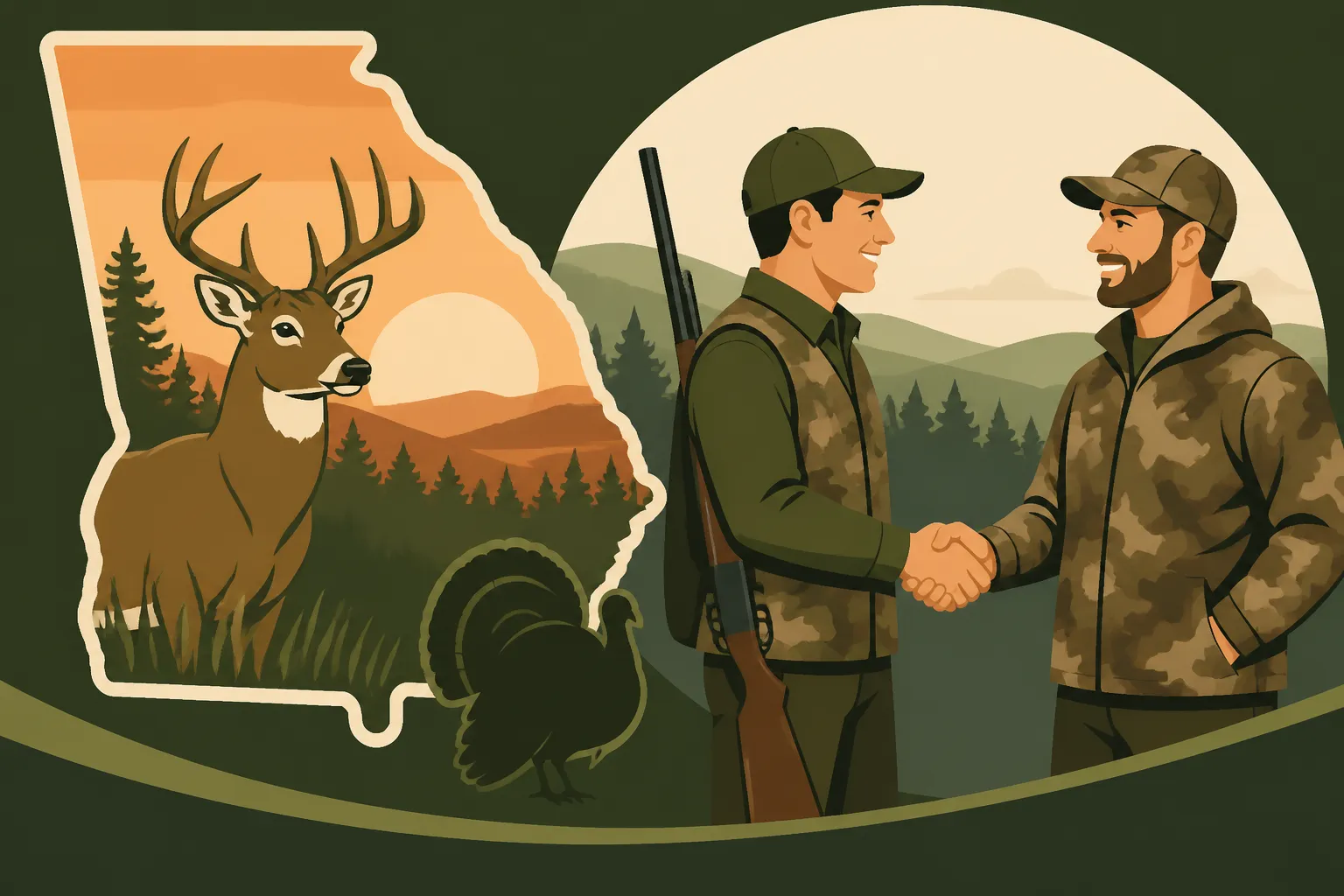
Joining a Georgia Hunting Club
Finding the right place to hunt in Georgia can often feel like an uphill battle, especially when private land access seems impossible and public land is overflowing with pressure. For many hunters, the solution to this perennial problem lies in joining a Georgia hunting club, and this guide will walk you through everything you need to know, from understanding what they offer to successfully becoming a member.
Understanding Georgia Hunting Clubs
The idea of a "hunting club" might bring up images of sprawling, manicured plantations for some, or perhaps a rustic cabin with a few buddies for others. In Georgia, hunting clubs cover a vast spectrum, but they all share a common thread: shared access to private land for hunting. This shared model helps distribute the cost and responsibility of managing prime hunting ground, making it accessible to individuals who might not otherwise have such opportunities.
What Exactly Is a Hunting Club?
At its core, a Georgia hunting club is typically a group of hunters who pool their resources to lease or own a tract of private land for the exclusive use of its members. This land can range from a few hundred acres to several thousand, often spanning diverse habitats like pine plantations, hardwood bottoms, or agricultural fields. The club structure usually involves a set of bylaws, annual dues, and a designated leadership (like a club president or board) responsible for managing the lease, maintaining facilities, and enforcing rules.
Imagine the frustration of spending countless hours scouting public land, only to arrive opening morning and find every prime spot already occupied. A hunting club offers a sanctuary from this. It provides a consistent, dedicated piece of ground where you know who else is hunting, what the rules are, and that your efforts in scouting and habitat improvement directly benefit your hunting experience. It's about investing in a shared experience and a common goal: better hunting opportunities.
The Allure of Joining a Club
Why do so many Georgia hunters gravitate towards clubs? The appeal is multi-faceted. Primarily, it's about reliable access to quality hunting land. Instead of constantly searching for new spots or battling crowds on a Georgia Wildlife Management Areas, club members have a familiar territory that they can get to know intimately. This consistent access often leads to better hunting success, as members can implement long-term strategies like planting food plots, managing deer browse, or thinning timber.
Beyond the practical hunting advantages, there's a strong social component. Hunting clubs foster camaraderie, allowing members to share stories, knowledge, and experiences around a campfire or in a shared camp house. This can be particularly appealing for solo hunters looking to connect with like-minded individuals, or for families wanting to introduce younger generations to hunting in a supportive environment. Think of the shared meals after a successful hunt, the collective effort in tracking a deer, or the mentorship exchanged between seasoned veterans and newcomers. It builds a real sense of community.
Different Types of Georgia Hunting Clubs
Just like there are different types of hunters, there are different types of hunting clubs. Knowing the distinctions can help you narrow down your search.
- Deer-Centric Clubs: These are by far the most common in Georgia. They focus primarily on deer hunting, often with specific rules regarding antler restrictions, harvest quotas, and food plot management. Many will also allow turkey hunting during the spring season.
- Multi-Species Clubs: Some clubs offer opportunities for a wider range of game, including deer, turkey, Feral Hog Hunting Year-Round in Georgia, and sometimes small game like Squirrel Hunting Georgia Bottomland Hardwoods or Rabbit Hunting Georgia Fencerows. These clubs tend to have larger tracts of diverse habitat.
- Family-Oriented Clubs: These clubs emphasize a family-friendly atmosphere, often with amenities like cabins, communal kitchens, and rules designed to accommodate younger hunters. They prioritize safety and creating lasting memories for all ages.
- Trophy-Focused Clubs: At the other end of the spectrum, some clubs are strictly dedicated to quality deer management, often imposing strict age or antler requirements for bucks. These usually come with higher dues and a serious commitment from members to pass on younger deer, with the goal of increasing the chances of taking a Georgia Boone and Crockett Whitetail.
- "Bare Bones" Lease Groups: These are often informal groups of friends or acquaintances who simply split the cost of a lease. They might not have formal bylaws or a shared camp, relying instead on individual responsibility and mutual respect. This can be a great, lower-cost entry point if you already have a trusted group.
Understanding these different types will help you seek out a club that aligns with your personal hunting goals and values.
Finding the Right Hunting Club for You
The quest to join a hunting club can sometimes feel like trying to find a needle in a haystack, especially if you're new to an area or don't have existing connections. But with a strategic approach, you can significantly improve your chances of finding a great fit.
Online Resources and Forums
In today's digital age, the internet is often the first stop for hunters seeking club membership. There are several avenues to explore:
- Dedicated Hunting Club Websites: Many clubs, especially larger, more established ones, will have their own websites advertising membership openings. A simple web search for "Georgia hunting clubs" or "hunting leases Georgia" can yield results.
- Online Hunting Forums and Social Media Groups: Platforms like Facebook have numerous Georgia hunting groups where leases and club openings are frequently posted. Similarly, regional or statewide hunting forums often have dedicated sections for club recruitment. These can be goldmines for information, but always exercise caution and do your due diligence before committing to anything. Look for groups that emphasize conservation, good sportsmanship, and responsible hunting.
- Listing Services: Some websites specialize in listing hunting leases and club memberships. While some may require a subscription, they can consolidate many opportunities in one place. These can be particularly useful for identifying Georgia Hunting Lease Prices Per Acre and comparing different offerings.
When browsing online, pay close attention to the details provided: location, acreage, game species, club size, amenities, and especially the stated cost. Even if a listing doesn't explicitly mention the fee, it's good to get a general idea of the Georgia Hunting Club Dues and Costs you might encounter.
Networking and Word of Mouth
While online resources are great, there's still immense power in old-fashioned networking. Many of the best club opportunities are found through personal connections.
- Talk to Fellow Hunters: Strike up conversations at local sporting goods stores, gun ranges, or even while Scouting Georgia Public Land Before Season. You'd be surprised how often someone knows someone who knows someone with a club opening.
- Visit Local Hunting Expos and Events: Georgia hosts several outdoor and hunting shows throughout the year. These events are fantastic for meeting club members, lease managers, and even landowners directly. You can get a feel for a club's culture and ask questions face-to-face.
- Ask About Getting Private Land Permission in Georgia: Even if you're initially looking for a hunting club, don't overlook the possibility of gaining permission on smaller private tracts. Sometimes, these connections can lead to introductions to local hunting clubs that might not advertise widely.
When you network, be genuine, express your interest, and share a bit about your own hunting philosophy. Clubs are often looking for members who will be a good cultural fit, not just someone who can pay the dues.
Vetting a Potential Club
Finding a club that looks good online or through a friend is just the first step. You need to thoroughly vet any potential club before joining. This is a significant investment of your time and money, so treat it seriously.
- Ask for a Tour: Never join a club sight unseen. Insist on a tour of the property. Pay attention to the access roads, the layout of the land, any existing food plots, stands, or blinds, and the overall condition of the camp facilities (if any). This is where tools like onX Hunt can be invaluable, allowing you to quickly visualize property lines, topo maps, and even historical satellite imagery of the club's lease. Use it to understand the terrain and assess potential hunting spots.
- Meet Existing Members: If possible, meet a few current members. Talk to them about their experiences, the club's dynamics, and any unwritten rules or expectations. Ask about turnover rates – a club with high member turnover might be a red flag.
- Review the Bylaws and Rules: This is crucial. Get a copy of the club's bylaws, rules, and regulations. Understand the harvest limits, guest policies, work day requirements, and any other stipulations. Make sure these align with your hunting style and expectations. For example, some clubs have very specific rules about Georgia Legal Firearms for Deer Hunting or crossbow use.
- Inquire About Management Practices: If deer management is important to you, ask about the club's history and plans. Do they conduct deer surveys? Do they have a plan for maintaining habitat? Are they serious about growing quality bucks?
- Understand Financial Transparency: Ensure you understand exactly what your dues cover and how the club's finances are managed. Are there any hidden fees or additional assessments?
Remember, this is a two-way street. You're not just trying to get in; you're also trying to determine if the club is the right fit for you. Don't be afraid to ask tough questions.
What to Expect When You Join
So, you've found a promising club, vetted it, and decided to take the plunge. Congratulations! But what does actual membership entail? It's more than just showing up and hunting. It's about becoming part of a community and contributing to the shared success of the club.
Membership Dues and Costs
The financial commitment is often the biggest consideration for prospective members. Georgia Hunting Club Dues and Costs can vary wildly depending on several factors:
- Acreage and Quality of Land: Larger, higher-quality tracts with good game populations typically command higher prices.
- Location: Clubs in prime hunting areas, or those close to major population centers, might have higher demand and thus higher dues.
- Amenities: Clubs with extensive amenities like cabins, processing facilities, established food plots, or heavy equipment for land management will naturally have higher operating costs and thus higher dues.
- Number of Members: The total cost of the lease and operating expenses is divided among the members. Smaller clubs with fewer members might have higher individual dues, assuming similar land quality.
When considering costs, remember to factor in more than just the annual dues. There might be:
- Initiation Fees: Some clubs charge a one-time fee to join.
- Work Day Requirements: Many clubs expect members to contribute labor to maintain the property, build stands, plant food plots, or clear trails. While not a direct cash cost, your time is valuable.
- Shared Expenses: Beyond dues, there might be collective expenses for things like planting materials, fertilizer, corn for feeders, or camp supplies.
Always get a clear breakdown of all potential costs upfront. It prevents misunderstandings and ensures you can budget appropriately.
Club Rules and Expectations
Every hunting club operates under a set of rules designed to ensure safety, fair play, and the long-term health of the game population and the property. These rules can cover a wide range of topics:
- Harvest Limits and Deer Management: Expect specific rules on the number of deer you can harvest, often stricter than statewide limits. Many clubs have antler restrictions (e.g., minimum beam length or spread) to promote buck maturity. You might need to report your harvests to the club, not just through Reporting a Deer Through Georgia Game Check.
- Stand Placement and Usage: Clubs often regulate where and how stands can be placed, especially on shared properties. Some clubs assign specific stand locations; others allow members to place stands within certain zones. Rules around Treestand Setups in North Georgia Mountains or Hanging a Stand on a Mountain Saddle are common.
- Guest Policies: Bringing guests can be a privilege, not a right. Clubs usually have strict rules on who can be a guest, how often, and if they can hunt or just observe. There might be a daily guest fee.
- Camp Rules: If there's a shared camp house or facilities, expect rules regarding cleanliness, noise, shared resources, and respect for other members' property.
- Vehicle Access: Regulations on where ATVs or trucks can be driven on the property are common to prevent excessive wear and tear or disturbance to game.
- Work Days: As mentioned, many clubs require members to participate in scheduled work days for maintenance and habitat improvement. This is often seen as a crucial part of membership and a way to build camaraderie.
It's vital to read and understand these rules completely. Non-compliance can lead to fines, suspension of hunting privileges, or even expulsion from the club. Be a good club citizen.
The Social Dynamics of Club Hunting
Joining a hunting club isn't just about the land; it's about the people. The social dynamics can make or break your experience.
- Camaraderie and Fellowship: For many, the social aspect is as important as the hunting itself. Sharing stories, meals, and the highs and lows of the season builds strong bonds. You'll likely learn new tactics, whether it's Rattling and Grunting in Georgia or Still-Hunting South Georgia Pine Flats, from more experienced members.
- Shared Work and Responsibility: Club members typically share the workload. This means pitching in on workdays, helping with property maintenance, and looking out for the club's best interests. This shared responsibility can be incredibly rewarding.
- Conflict Resolution: Like any group of people, conflicts can arise – perhaps over a perceived violation of rules, a shared stand, or differing opinions on management. A well-run club will have clear procedures for conflict resolution, usually involving the club leadership. Being mature and respectful in these situations is key.
- Mentorship and Learning: Hunting clubs can be incredible learning environments. Younger or less experienced hunters can benefit immensely from the wisdom and guidance of seasoned veterans. It's a chance to refine your skills, whether it's Blood Trailing After Dark in Georgia or understanding Wind and Thermals on a Mountain Ridge.
The best clubs are those with a positive, respectful, and cooperative atmosphere. Seek out a club where you feel you can contribute and thrive.
| Feature | Basic Lease Group (Friends) | Typical Deer Club | Premier Trophy Club |
|---|---|---|---|
| Land Size | Smaller (100-500 acres) | Medium (500-2000 acres) | Large (1000+ acres) |
| Amenities | Minimal (basic camp, no power) | Moderate (camp, power, water) | Extensive (lodge, processing, equipment) |
| Dues Structure | Simple split of lease cost | Annual dues, possible workdays | Higher annual dues, initiation fees, strict work requirements |
| Game Focus | Deer, maybe turkey | Deer, turkey, hogs | Trophy deer primarily |
| Rules Enforcement | Informal, by agreement | Formal bylaws, club officers | Strict bylaws, strong enforcement |
| Social Aspect | Close friends | Community, shared activities | Structured, often competitive |
| Land Management | Basic food plots, feeder areas | Active habitat management, some QDM | Intensive QDM, professional management |
| Commitment | Moderate personal commitment | High commitment, work days | Very high, year-round involvement |
Pros and Cons of Hunting Club Membership
Deciding whether to join a hunting club is a personal choice, and it's helpful to weigh the benefits against the potential drawbacks. There's no one-size-fits-all answer, but understanding these points can guide your decision.
The Benefits of a Hunting Club
The advantages of hunting club membership are often significant for many Georgia hunters.
- Exclusive Access to Quality Land: This is arguably the biggest draw. You get dedicated access to private land that is often well-managed for hunting. This means less competition than public land, and a better chance at consistent success. You won't be constantly wondering Hunting Pressure on Georgia Public Land.
- Improved Game Management: Many clubs actively manage their land for game, particularly deer. This can include planting food plots, implementing QDM (Quality Deer Management) practices like antler restrictions, and controlling predator populations. This often translates to healthier herds and bigger bucks.
- Enhanced Hunting Opportunities: With private land and less pressure, you might have more opportunities to scout, hang stands, and hunt during various seasons. This could include Bowhunting Georgia's Early Archery Season or Georgia's Long Firearms Deer Season.
- Camaraderie and Shared Experience: Hunting with a group of like-minded individuals can be incredibly rewarding. It fosters friendships, provides opportunities for shared meals and stories, and creates a supportive community. You'll likely form deep connections, much like those found in Georgia Deer Camp Traditions.
- Cost Sharing: Leasing prime hunting land on your own can be prohibitively expensive. By joining a club, you share the financial burden, making quality hunting ground more affordable.
- Learning and Mentorship: Clubs are excellent places to learn. You can pick up new skills, tactics, and insights from more experienced hunters, or even mentor newer members yourself.
- Convenience and Amenities: Many clubs offer amenities like camp houses, processing areas, and maintained trails, making your hunting trips more comfortable and efficient. Having a known place to stay and process game simplifies logistics.
The sheer reliability of having a consistent, private piece of land to hunt is often enough to convince many to join a club.
Potential Drawbacks to Consider
However, hunting clubs aren't without their downsides, and it's important to be realistic about these before committing.
- Cost: While costs are shared, annual dues can still be substantial, especially for well-managed clubs with good amenities. This is a recurring expense you'll need to budget for.
- Rules and Restrictions: Every club has rules, and some can be quite restrictive. If you prefer to hunt completely on your own terms, with no limits on guests or harvest, a club might feel stifling. You might find rules around Why Georgia Caps Antlered Bucks at Two even more stringent in a club.
- Social Dynamics and Conflict: Dealing with other personalities is part of any group activity. Disagreements over rules, stand locations, hunting pressure, or camp etiquette can arise. If you prefer solitude, the social aspect might feel like a burden.
- Work Requirements: Many clubs require participation in work days. While necessary for property maintenance, these can take away from your personal time and feel like an obligation.
- Limited Flexibility: You're tied to one piece of property and its rules. If you enjoy exploring new areas or hunting different types of terrain frequently, a club might feel restrictive.
- Commitment: Membership is usually an annual commitment. If your life circumstances change or you decide the club isn't a good fit, you might be out a significant sum of money.
- Mismanagement or Poor Leadership: A club's success hinges heavily on its leadership. Poor management, lack of transparency, or ineffective enforcement of rules can quickly sour the experience for all members.
Ultimately, the decision to join a Georgia hunting club depends on your personal priorities, budget, and hunting style. For many, the benefits of consistent access to quality land and the camaraderie of fellow hunters far outweigh the costs and potential restrictions. Take your time, do your research, and find a club that truly feels like home in the Georgia woods.
Disclaimer
This article is for general informational purposes only and does not constitute professional advice. Laws, prices and regulations vary by location and change over time. Consult a qualified professional for guidance on your specific situation.