Georgia Area Closures in Season
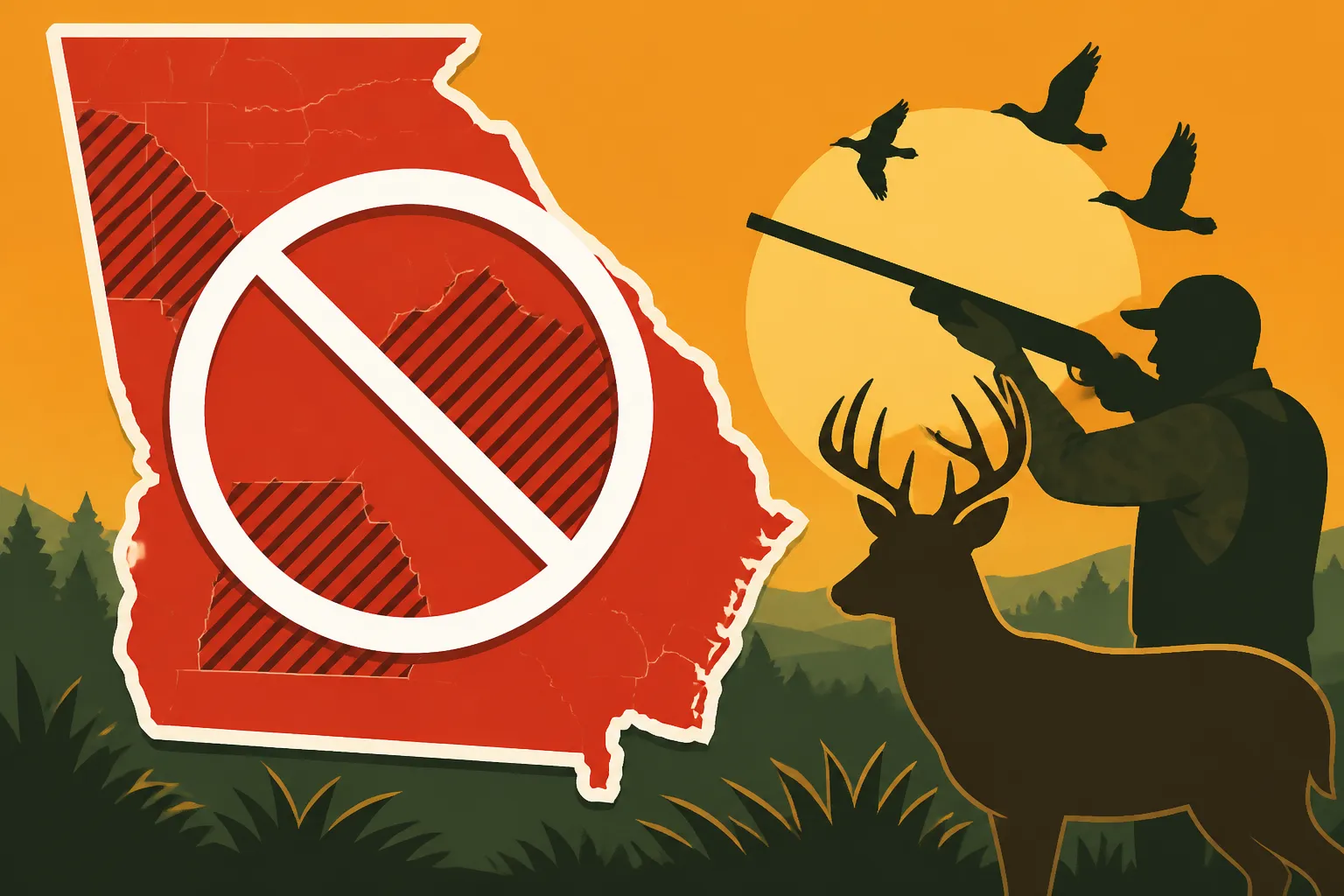
There's nothing quite as disheartening as meticulously planning a hunting trip in Georgia, driving for hours, only to be met with a "CLOSED" sign at your intended destination. It's a gut punch that can derail your entire season, leaving you scrambling for an alternative or, worse, heading home empty-handed. This guide is all about helping you understand the various types of Georgia area closures that can happen during hunting season and, most importantly, how to stay informed so you can avoid those unwelcome surprises and keep your hunting plans on track.
Why Hunting Areas Close in Georgia
It might feel like a personal affront when your favorite hunting ground is suddenly off-limits, but these closures are rarely arbitrary. They're typically implemented for very specific and important reasons, often falling under the umbrella of responsible land and wildlife management, or public safety. Understanding the "why" behind these closures can help you anticipate them and appreciate their necessity, even when they inconvenience your plans.
Habitat Management and Prescribed Burns
One of the most common reasons for temporary closures, especially in South Georgia's pine flats and portions of the Piedmont, is for habitat management through prescribed burns. Fire, when used properly, is a natural and vital tool for maintaining healthy ecosystems in many parts of Georgia. It helps to reduce fuel loads, preventing catastrophic wildfires, and promotes the growth of beneficial understory vegetation that provides food and cover for deer, quail, turkeys, and other game species. Without fire, many of Georgia's native habitats, particularly longleaf pine ecosystems, would degrade, leading to a decline in wildlife populations.
These burns require specific weather conditions – just the right amount of humidity, wind speed, and direction – to be executed safely and effectively. Because these windows can be unpredictable, closures for prescribed burns are often announced with relatively short notice. A small, controlled burn might only close a portion of a Wildlife Management Area (WMA) for a day or two, while a larger burn might shut down entire sections for longer. While it's a temporary inconvenience, these burns are critical for the long-term health of the habitat and the game animals we pursue. Knowing that a Prescribed Burns and Georgia Hunting Closures event might be on the horizon helps hunters understand the bigger picture.
Wildlife Management and Quota Hunts
Another primary reason for closures revolves around wildlife management objectives, particularly for certain species or in specific areas. Georgia's Department of Natural Resources (DNR) actively manages game populations to ensure their health and sustainability. Sometimes, this involves implementing specialized quota hunts, often for deer, turkey, or alligator, on specific tracts of public land. These hunts are designed to control harvest pressure, collect biological data, or provide unique hunting opportunities that might otherwise lead to overcrowding or overharvest if open to all hunters.
When a WMA or a specific section of a national forest is designated for a quota hunt, it means general public access, including hunting, is typically restricted to only those drawn for the permit. This ensures a quality hunting experience for permit holders and allows biologists to closely monitor the impact of hunting on the local wildlife population. These closures are usually announced well in advance, often when the application period opens, giving hunters ample time to adjust their plans or apply for the quota hunt themselves. Information on Georgia Quota Hunt Application Window is vital for those interested in these opportunities.
Public Safety Concerns
Beyond habitat and wildlife, public safety is always a paramount concern that can lead to area closures. This could be due to a variety of factors, from hazardous weather conditions like flooding or ice storms that make roads impassable or hunting unsafe, to ongoing law enforcement operations, military training exercises on adjacent lands, or even search and rescue efforts. While less common, industrial activity such as logging operations or road construction can also pose significant risks to public use, especially in remote areas of national forests or larger WMAs.
Sometimes, highly anticipated events, even non-hunting related ones, might lead to temporary closures or restricted access. For instance, a large festival, a public race, or even forestry equipment staging areas might temporarily impact access points or entire zones that hunters typically use. Land managers have a responsibility to ensure the safety of all public land users, and if an activity presents a clear and present danger to hunters, a closure is the necessary course of action. These closures are usually well-marked with signs, and warnings are often disseminated through official channels.
Types of Georgia Area Closures You Might Encounter
Georgia's diverse landscape means a variety of land management practices and, consequently, different reasons for closures. From the mountains to the coast, hunters need to be aware of the specific types of closures that can affect their plans, whether they're targeting deer in the Piedmont or ducks in a coastal marsh.
Temporary Closures for Prescribed Burns
As mentioned, prescribed burns are a significant factor, particularly in areas dominated by pine timber. These aren't just small brush fires; they are carefully planned ecological tools. When a burn is scheduled, the designated area will be closed to all public entry, not just hunting. This closure typically lasts for the duration of the burn and sometimes for a day or two afterward, depending on residual smoke, smoldering materials, and the need for mop-up operations. It's crucial for hunter safety to avoid these areas entirely, as visibility can be severely reduced by smoke, and there are inherent dangers from falling trees or hot spots.
The challenge with burn closures is their often short-notice nature. Weather patterns can shift rapidly, forcing land managers to seize opportune windows. This means a WMA that was open on Friday might be closed by Monday morning for a burn. Therefore, it's always wise to check current conditions immediately before heading out, especially if you know the area employs a fire management strategy. These closures might affect a small section or an entire management unit, depending on the scale of the burn.
Specific Period Quota Hunt Closures
Many of Georgia's prime Georgia Wildlife Management Areas and some National Forest lands implement quota hunts for popular species like deer and turkey. During these specific hunt periods, public access, including general hunting or even scouting, is often restricted to only those hunters who were successfully drawn for a permit. This system is designed to distribute hunting pressure, manage animal populations effectively, and ensure a higher quality experience for the hunters participating.
These closures are typically well-advertised months in advance, coinciding with the quota hunt application process. When planning your season, always consult the Georgia DNR hunting regulations summary for the WMAs or public lands you intend to hunt. It will clearly list any quota hunt dates and corresponding closures for general access. For example, a particular WMA might be open for general archery deer hunting, but then close for a week in October for a special primitive weapons quota hunt, and then reopen for general firearms. Missing this detail can lead to a wasted trip.
Special Events and Non-Hunting Uses
Public lands aren't solely for hunting; they often serve multiple purposes, from recreation to resource extraction. Occasionally, these other uses can lead to temporary closures that impact hunters. This could involve anything from large-scale timber harvesting operations, where heavy machinery and falling trees make an area unsafe, to organized recreational events like trail races, equestrian events, or even scientific research projects that require an area to be undisturbed.
These closures might be less common than those for burns or quota hunts, but they can still crop up unexpectedly. Timber operations, in particular, can be extensive, sometimes closing large sections of a National Forest or WMA for weeks or months at a time. While land managers try to minimize impact on hunting seasons, safety remains the priority. Always keep an eye out for posted signs at access points, which will clearly state the reason and duration of any special event or operational closure.
Timber Operations and Road Closures
Beyond habitat management, commercial timber harvesting is a significant activity on both National Forests and some WMAs in Georgia. These operations involve heavy machinery, felling trees, and hauling logs, all of which create hazardous conditions for public access. Consequently, areas undergoing active logging are frequently closed to all public entry, often for extended periods. Roads leading into these areas might also be temporarily or permanently closed to prevent access and ensure safety.
These closures can be frustrating, especially if a recently clear-cut area or a thinned pine stand was your planned hunting spot. Deer often gravitate to the fresh browse in new clear-cuts. It's not uncommon for a logging operation to close an area just before or during hunting season. Information regarding these closures might be posted at forest entrances or on specific WMA maps. Always check with the relevant land management agency or consult their online resources for updates before heading out, especially if your hunting plans involve areas known for timber production.
Staying Informed: Your Best Defense Against Unexpected Closures
The key to avoiding the frustration of an unexpected closure is proactive information gathering. You can't control when an area might close, but you can certainly control how prepared you are for it. There are several reliable sources available to Georgia hunters to help them stay up-to-date.
Official Georgia DNR Resources
The Georgia Department of Natural Resources (DNR), specifically the Wildlife Resources Division, is your primary and most authoritative source for information regarding hunting regulations, season dates, and public land closures. Their website is a treasure trove of information, including comprehensive WMA guides, National Forest regulations, and statewide hunting summaries. Before every season, and certainly before any trip to public land, you should make it a habit to check the DNR's official online resources.
Specifically look for sections dedicated to WMA regulations and news updates. Many WMAs have their own dedicated pages with specific closure announcements, often listing prescribed burns, timber sales, or special hunt dates. It's also wise to sign up for any email newsletters or alerts offered by the DNR, as this is often how immediate updates on unexpected closures, such as those due to severe weather, are disseminated. Don't just skim; read carefully to understand all the specific rules for your chosen hunting area, including any Georgia Public Land Hunting Hours or special restrictions.
Leveraging Mapping Apps and Technology
In today's digital age, mapping applications have become indispensable tools for hunters, offering detailed insights into land ownership, boundaries, and, increasingly, real-time information. Platforms like onX Hunt and GoHunt provide an incredible advantage by layering public land boundaries, WMA outlines, and often, specific administrative zones. While they might not always have real-time closure updates for every single prescribed burn or localized hazard, they are invaluable for identifying the type of land you're on and understanding its general regulations.
Many of these apps now integrate with official sources or allow users to report observations, indirectly helping with closure awareness. For example, if you're planning a trip to the Chattahoochee-Oconee National Forest Hunting, you can use onX Hunt to see the forest boundaries, roads, and even some internal trails. While scouting, if you notice closure signs, you can mark them in your app. Furthermore, these apps often link directly to the state's wildlife agency sites, making it easier to jump from your map to the official word. Regularly checking the layers on your preferred mapping app, especially those showing onX Layers for Georgia Land Status, can provide crucial context for any official closure announcements.
Local Ranger Stations and WMA Offices
Sometimes, the most reliable and up-to-the-minute information comes from the people on the ground: the local ranger station or the WMA office itself. These individuals are directly involved in managing the land and are often the first to know about impending burns, road closures, or other temporary access restrictions. Before embarking on a long drive, especially to a more remote or less frequently visited public land area, a quick phone call to the specific WMA office or National Forest Ranger District office can save you a lot of grief.
These offices are typically open during regular business hours, so plan your calls accordingly. They can provide granular details that might not be immediately available online, such as the exact timing of a burn, which specific roads are closed, or the current conditions of access points. They are also excellent resources for general knowledge about the area, offering tips on Scouting Georgia Public Land Before Season or insight into where Hunting Pressure on Georgia Public Land might be lighter. Don't underestimate the value of direct communication with the boots-on-the-ground staff.
Navigating Closures on Specific Land Types
Georgia offers a variety of public hunting opportunities, each with its own management structure and, consequently, its own set of rules and potential closure scenarios. Understanding these distinctions is crucial for effective planning.
Wildlife Management Areas (WMAs)
Georgia's WMAs are intensively managed properties specifically for wildlife conservation and public recreation, including hunting. Because of this focused management, WMAs tend to have the most dynamic and specific regulations and closures. They frequently implement quota hunts, have strict rules regarding access times, vehicle use, and even what species can be hunted on certain dates. Prescribed burns are also a common management tool on WMAs to enhance habitat.
It is absolutely essential to consult the specific WMA regulations for any WMA you plan to hunt. These regulations are typically found on the Georgia DNR website and are often posted at WMA entrances. Don't assume the rules for one WMA apply to another, even if they're geographically close. Closures due to timber operations or road maintenance are also quite common on WMAs. Always check the DNR website's WMA-specific pages or call the WMA office for the most current information before heading out. Using the Georgia Outdoors Map Tool can help you pinpoint specific WMA boundaries and regulations.
National Forests Chattahoochee-Oconee
The Chattahoochee-Oconee National Forests offer vast tracts of hunting land, primarily in North Georgia (Chattahoochee) and the Central Piedmont (Oconee). While these lands are less intensively managed for hunting on a day-to-day basis than WMAs, they still experience closures. Prescribed burns are prevalent, especially in the pine forests of the Oconee National Forest, and large-scale timber harvesting operations can shut down significant areas for extended periods.
Unlike WMAs, general hunting seasons on National Forest lands often align with statewide seasons, but it's important to remember that they are still subject to temporary closures for various reasons. Flooding can close forest roads in lower elevations, and severe weather can make travel dangerous. Checking the U.S. Forest Service website for the specific Ranger District you plan to hunt, or calling their local office, is the best way to get updates on road conditions, active logging sites, or burn schedules. Keep in mind that Camping Rules on Georgia National Forest Land and Treestand Rules on Georgia Public Land can also vary, so always review those before setting up.
Voluntary Public Access VPA Lands
Georgia's Voluntary Public Access (VPA) program is a fantastic initiative where private landowners open their property to public hunting and fishing in exchange for an incentive. These lands offer diverse hunting opportunities, but they come with unique considerations regarding access and potential closures. Because they are private lands, landowners retain significant control, and access rules can be more specific and sometimes change with less notice than on state or federal lands.
The specific terms of access for each VPA parcel are outlined in the agreements between the DNR and the landowner. This might include restrictions on hunting certain species, specific dates, or even parking locations. While full closures for an entire season are rare, temporary closures might occur if the landowner needs to conduct agricultural operations, has family events, or faces other unforeseen circumstances. Always verify the rules for a VPA property through the Georgia DNR's VPA program information, which usually includes maps and specific regulations for each tract. Never assume access based on past visits, and respect all posted signs.
Private Land with Permission
Hunting on private land with permission is often seen as the most reliable option, as you have a direct relationship with the landowner. However, even private land can effectively "close" to you if that permission is revoked or if the landowner has specific restrictions. This isn't a formal "closure" by a state agency, but it certainly affects your hunting access. Reasons could range from the landowner deciding to hunt the property themselves, selling the land, agricultural operations that make hunting unsafe, or concerns about liability.
The best defense here is clear, consistent communication with the landowner. Always confirm your permission before each season, and ideally, before each visit. Understand any specific rules they have regarding entry, parking, hours, or what you can hunt. While it's not a formal closure, losing access to a trusted private spot can be just as impactful as a public land closure. Remember, What Georgia Trespass Law Requires means you must have permission, and this permission can be withdrawn at any time.
Planning Around Anticipated Closures
While some closures are unavoidable and unpredictable, many can be anticipated and factored into your hunting strategy. A little foresight and flexibility can go a long way in ensuring a successful season, even if your first choice of location becomes temporarily unavailable.
Pre-Season Scouting for Contingency Spots
One of the most effective ways to mitigate the impact of closures is to develop a deep understanding of multiple hunting locations, not just one or two favorites. Before the season even begins, dedicate time to Scouting Georgia Public Land Before Season in various WMAs, National Forest tracts, and VPA parcels within a reasonable driving distance. This isn't just about finding deer sign; it's about understanding the lay of the land, potential access points, and the general character of different areas.
Having three or four solid backup locations means that if your primary spot is closed due to a burn or quota hunt, you already have alternative game plans ready to go. Think about different habitat types too – if your favorite pine flat WMA is burning, maybe you have a public river bottom or a piece of national forest mountain ground as a contingency. This multi-faceted approach transforms a potential trip-killing closure into a minor adjustment to your plans.
Flexibility and Backup Plans
The Georgia hunter who succeeds consistently is often the one who is most adaptable. If you're a deer hunter, this might mean having gear for both treestand hunting and still-hunting, or knowing how to use a ground blind effectively. If a specific area is closed, don't let it ruin your entire weekend. Be prepared to pivot. This might involve driving to a different WMA, exploring a lesser-known tract of Public Hunting Land in Georgia, or shifting your focus to small game for the day.
Your backup plan shouldn't just be about where to go, but also what to do. If a WMA is closed for a deer quota hunt, perhaps you can use that time to scout another area, practice your calling, or refresh your knowledge of game regulations. Even having a list of smaller, less-pressured public land tracts like those discussed in Finding Ground That Sees Fewer Hunters can be a lifesaver when your main plan falls through. The ability to be flexible mentally and logistically is a hunter's superpower in the face of unexpected closures.
Understanding Historical Closure Patterns
While no one can predict the future with 100% accuracy, land managers often follow similar patterns year after year. For example, if a particular WMA consistently conducts prescribed burns in late September, it's wise to assume that this might be a possibility again. Similarly, quota hunt dates for specific WMAs usually occur around the same time each season. By reviewing past regulations summaries and WMA news archives, you can often identify these historical patterns.
This historical data can inform your early season planning. If you know a favorite area tends to have an archery quota hunt in mid-October, you might plan your trips there for early archery season or after that quota hunt concludes. While these patterns are not guarantees, they provide a valuable framework for anticipating potential closures and scheduling your hunts accordingly. This also applies to understanding seasonal flooding patterns in river bottoms or peak timber harvest times in certain forest areas.
What to Do When You Arrive at a Closed Area
Despite all your best efforts to stay informed and plan ahead, there might still be that one time you arrive at your chosen hunting spot to find it unexpectedly closed. It's frustrating, no doubt, but your reaction in that moment is critical.
Respecting Posted Signs and Regulations
The absolute first and most important thing to do when encountering a closed area is to respect the posted signs and regulations. Do not attempt to sneak in, drive around barriers, or disregard "No Entry" warnings. These closures are in place for valid reasons, whether it's for public safety, ongoing management operations, or to ensure fair chase for a specific hunt. Ignoring these signs can lead to serious consequences, including fines, loss of hunting privileges, and even criminal charges for trespassing.
Always assume that signs are current and accurate. While a sign might seem vague or inconveniently placed, it's there for a purpose. Turning around and seeking an alternative, however frustrating, is always the correct course of action. Remember, you are a representative of the hunting community, and your actions reflect on all of us. Adhering to closures is not just about following the law; it's about ethical behavior and respecting the land and its management.
Having a Backup Plan in Place
This circles back to the importance of flexibility. If you've done your homework and have those contingency spots identified, finding a closed gate doesn't have to ruin your day. Pull out your maps – either paper or digital like onX Hunt or GoHunt – and quickly identify the nearest alternative public land. It might be a different WMA, a different section of the National Forest, or a VPA tract you've scouted.
While it might mean a bit more driving or a slightly different kind of hunt than you originally envisioned, having a backup plan allows you to quickly pivot and make the most of your time afield. This is where your pre-season scouting really pays off. Even if the backup isn't your ideal spot, a day of hunting in a secondary location is always better than a day spent staring at a locked gate. Having multiple options, even for specific game like described in Best Georgia Ground for Public Land Deer or Best Georgia Ground for Public Land Turkey, makes you a more resilient hunter.
Reporting Issues or Seeking Clarification
If you encounter a situation where a closure seems unclear, a sign is vandalized, or you suspect something is amiss (like someone violating a closure), it's appropriate to report it. However, the correct way to do this is to contact the relevant land management agency – the Georgia DNR or the U.S. Forest Service – rather than attempting to enforce it yourself or getting into confrontations.
Note down the location, date, and any specific details you observe. Then, once you are in an area with cell service or back home, make a phone call to the appropriate office. They can clarify the closure, address any discrepancies, or investigate potential violations. Your cooperation helps land managers maintain safe and accessible hunting opportunities for everyone.
Common Georgia Area Closure Questions
Are closures always posted with signs?
Ideally, yes. For most official closures, such as those for quota hunts, prescribed burns, or long-term timber operations on public land, signs should be posted at all major access points. However, sometimes signs can be removed, vandalized, or simply not seen if you're entering from a less-traveled trail. This is why checking online resources and calling ahead is crucial, as you can't always rely solely on physical signage. For very short-notice events like sudden weather hazards, signs might be delayed.
How far in advance are closures typically announced?
This varies significantly. Quota hunt closures are announced many months in advance, often when the application period opens. Prescribed burn closures can be very short notice, sometimes only a day or two, because they depend heavily on precise weather conditions. Timber operations might have announcements a few weeks out, but again, schedules can shift. Always consider closures for prescribed burns and sudden weather as potentially very short-notice events.
What if I'm already in a closed area when it's announced?
If you are already in a public hunting area and a new closure is announced (e.g., for an unforeseen prescribed burn that begins later that day), land managers will usually make efforts to notify hunters, sometimes by patrolling or contacting vehicles in parking areas. In such a scenario, you should safely and promptly exit the area. Always have an exit plan and stay aware of your surroundings. If you are ever unsure, contacting the local WMA office or ranger station for clarification is the best course of action.
Can private land owners close access even if I have permission?
Yes, absolutely. Permission to hunt on private land is a privilege, not a right, and it can be revoked at any time by the landowner. While a landowner might typically grant you access, they could temporarily or permanently restrict it for a variety of reasons, such as agricultural activities, selling the property, or simply changing their mind. It's always best to have clear communication and reconfirm permission before each hunting season or major trip.
Is there a central map of all current Georgia hunting closures?
While the Georgia DNR website is the best centralized resource, there isn't one single "live" map that perfectly overlays all potential closures (prescribed burns, timber operations, quota hunts, etc.) in real-time across every land type. You'll often need to consult the WMA-specific pages, National Forest news releases, and potentially use mapping apps like onX Hunt in conjunction with official announcements. The DNR's "Go Outdoors Georgia" platform is a strong starting point for official information, but aggregating all potential temporary closures still requires diligence.
| Closure Type | Typical Cause | Notification Period | Primary Check Point | Example Impact |
|---|---|---|---|---|
| Prescribed Burn | Habitat management, wildfire prevention | Short-notice (1-7 days) | DNR WMA pages, Forest Service, local offices | Specific WMA section or entire WMA closed 1-3 days |
| Quota Hunt | Wildlife management, harvest control | Long-term (months) | DNR hunting regs, quota hunt application site | General hunting prohibited for permit holders only |
| Timber Operation | Resource extraction, forest health | Medium (weeks-months) | Forest Service, DNR WMA pages, local offices | Large areas or specific roads closed for weeks/months |
| Severe Weather/Flooding | Public safety, impassable access | Very short (hours-days) | Local news, DNR alerts, Forest Service | Road closures, entire areas temporarily unsafe |
| Special Event/Other Use | Recreation, research, military activity | Variable | DNR, Forest Service, local offices | Specific areas or trails closed for defined period |
Disclaimer
This article is for general informational purposes only and does not constitute professional advice. Laws, prices and regulations vary by location and change over time. Consult a qualified professional for guidance on your specific situation.