Asking a Georgia Farmer for Permission
It’s a tale as old as time for Georgia hunters: you dream of that perfect stand, a place where deer move unpressured, turkeys gobble freely, and you don’t have to fight a crowd just to get to your spot. But the reality for many is often crowded public land, or the daunting prospect of high-priced hunting leases. This guide is all about helping you bridge that gap, showing you how to respectfully and effectively approach Georgia farmers and landowners to gain access to private hunting grounds, turning those dreams of unpressured land into a reality.
The Mindset Shift: From Asking to Offering Value
When you think about asking a farmer for permission, your mind might immediately jump to the idea of begging or imposing. You might feel like you're asking for a handout, and that can be uncomfortable for everyone involved. But here's the crucial mindset shift you need to make: you're not just asking for something; you're looking to build a mutually beneficial relationship. Farmers often face challenges that hunters can help solve, and by understanding their perspective, you can frame your request as an offer of value rather than a simple plea.
Understanding the Farmer's Perspective
Imagine being a Georgia farmer, pouring your sweat and capital into crops or livestock. Your land is your livelihood, and you probably have a lot on your mind. So, when a stranger approaches about hunting, their first thoughts aren't usually about the thrill of the chase. They're often concerned about practical matters. What are those concerns? Well, for starters, crop damage from deer and feral hogs can be devastating. A herd of deer can wipe out a significant portion of a soybean field, and hogs can root up acres overnight, ruining planted fields or damaging pastures. Crop Damage Hogs Cause in South Georgia is a very real problem that keeps many farmers up at night.
Beyond direct damage, farmers worry about liability if someone gets hurt on their property. They also care deeply about trespassers who might cause damage, leave gates open, or disrespect their land. Trust is paramount. They need to know that anyone they allow on their property is responsible, safe, and will treat their land as if it were their own. They might have specific ideas about what they want hunted, or when, or how, and they want someone who will listen and adhere to those guidelines. A farmer's land isn't just a place; it's a legacy, a business, and a home. Respecting that understanding is the first step in earning their trust.
Researching the Land and the Farmer
Before you even think about knocking on a door, do your homework. This isn't about being creepy; it's about being prepared and showing that you've put in the effort. Start by identifying potential properties. Drive around rural areas in Georgia where you see good habitat and farmland – especially areas near public lands or known game corridors. Look for signs of deer or hog activity: rub lines on fence posts, tracks in ditches, or rooting in fields.
Once you’ve spotted a promising parcel, technology can be your best friend. Tools like onX Hunt or GoHunt allow you to identify property lines, landowner names, and often even contact information. You can use these apps to scout aerial photos, looking for likely bedding areas, food sources, and travel corridors. Seeing that a property has standing crops, dense timber, or creek bottoms can give you valuable insight into what kind of hunting opportunity it presents and, more importantly, what issues the farmer might be facing. For instance, if you see a field bordered by thick woods, you can reasonably assume deer might be impacting their crops. If you see a lot of open land with limited cover, you might be thinking about Coyote Calling in Georgia Farm Country as another service you could offer. Understanding the lay of the land will help you tailor your conversation and demonstrate your seriousness.
Making the Approach: Politeness, Preparation, and Professionalism
Alright, you’ve done your homework, you understand the farmer’s perspective, and you’re ready to make contact. This stage is all about presentation and communication. How you approach them, what you say, and how you carry yourself will make a huge difference in whether you get that coveted "yes." Remember, first impressions are lasting, and you want to convey that you are a responsible, trustworthy individual.
The Initial Contact
Timing is everything. Never approach a farmer during planting season, harvest season, or when they’re obviously busy with farm tasks. Their attention will be elsewhere, and you'll come across as inconsiderate. Instead, pick a time when they might be less stressed – perhaps on a weekend afternoon, or during a slower period of the agricultural year. Early spring or late summer, before hunting season ramps up, can be good options.
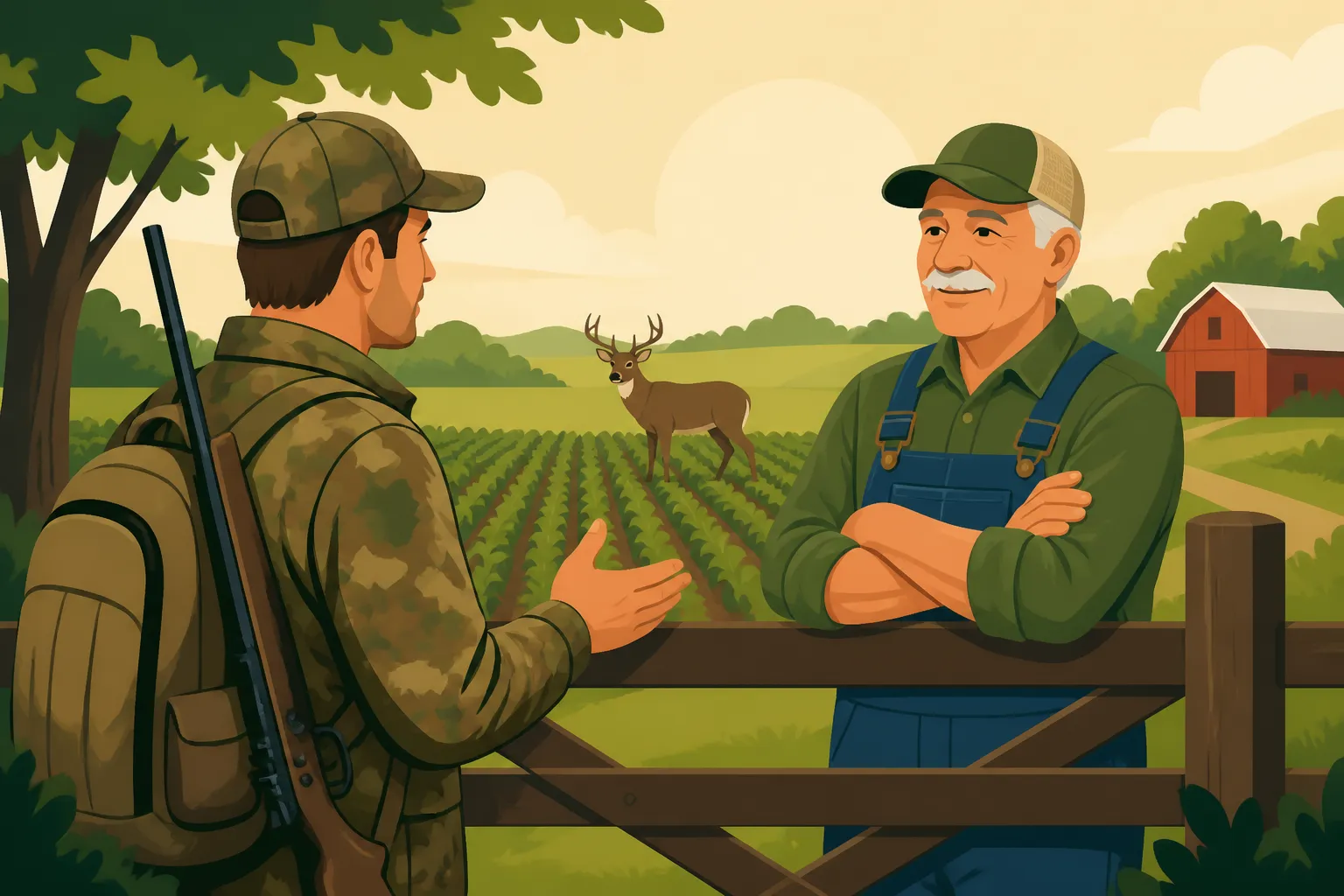
Dress respectfully. You don't need a suit and tie, but clean, casual clothes are far better than dirty work clothes or full camo. You want to look presentable and professional, not like you just rolled out of the woods. A clean truck or car helps too. When you pull up, don't just march right to the door. Observe what's happening. If they're out in the yard, approach calmly. If they're on a tractor, wait until they stop for a break. Start with a friendly, polite greeting. Introduce yourself by name, state where you're from (keeping it brief), and tell them why you’ve stopped by – something like, "Good afternoon, my name is [Your Name], and I was hoping to speak with you for a few minutes about your land, if you have a moment." Be prepared for them to be busy or even a little wary; many people approach farmers for various reasons, and not all of them are good. Respect their time, and if they say now isn't good, politely ask if there's a better time to come back.
Crafting Your Pitch
Once you have their attention, keep your pitch concise and focused. Start by acknowledging their concerns and showing you understand their property is their livelihood. "Sir/Ma'am, I notice you have some beautiful fields here, and I imagine deer can be quite a nuisance to your crops. I was wondering if you ever allow respectful hunters on your property to help manage the deer population?" This immediately frames your request as a solution to a problem they might have.
Be ready to offer specifics. Mention that you're a safe, ethical hunter who carries all the necessary Georgia Hunting Licenses and What They Cost and understands Georgia Hunter Education Requirements. Tell them you're interested in Filling Ten Antlerless Tags in a Season to help reduce herd numbers, or if you've seen hog sign, offer to help with Hunting Feral Hogs Year-Round in Georgia. If you're targeting deer, emphasize that you're not just looking for a trophy buck, but genuinely want to help with herd management.
Bring a simple, one-page liability waiver form that you've had drafted (you can find templates online or consult an attorney). This shows you're serious and addressing one of their main concerns. Also, offer references – other landowners you've hunted for, or even personal references who can vouch for your character. Having your ID handy, and perhaps a copy of your hunting license, further solidifies your credibility. Be prepared to talk about your hunting methods: whether you use a treestand, ground blind, or still-hunt. Assure them you will always communicate when you'll be on their property and that you'll respect their routines.
Addressing Concerns and Building Trust
Even with the perfect pitch, a "no" is always a possibility. Don't take it personally. Thank them for their time and leave them with your contact information. Sometimes, a "no" today can become a "yes" next year if you leave a good impression. Many landowners have had bad experiences with hunters in the past, and it takes time to rebuild trust.
If they express concerns, listen carefully and address them directly. Are they worried about gates being left open? "I always double-check gates and can even install a lock if you'd like, just for my access." Worried about liability? "I have a personal liability policy, and I've brought a waiver for you to look over." Concerned about shooting near their house or livestock? "I'm very aware of safety zones and would only hunt areas far from your residence or any animals." The key is to be open, honest, and willing to work with them to mitigate any worries. Building trust is an ongoing process, and the initial conversation is just the beginning. Even if you don't get permission right away, a polite, respectful interaction might pave the way for a future opportunity.
Cultivating the Relationship: Being a Valued Guest
Getting permission is a huge victory, but it's really just the start of a journey. The real work begins once you have access. Your goal now is to not just be a hunter, but to become a valued guest, someone the landowner trusts and even enjoys having around. This is how you secure long-term access and potentially open doors to other opportunities.
Following Through on Your Promises
Everything you said during your pitch? Now you have to deliver. If you promised to check in before every hunt, do it. A quick text or phone call saying, "Hey, I'm heading out to the back forty this evening, just wanted to let you know," goes a long way. If you said you'd help with the deer problem, make an honest effort to harvest deer, especially antlerless ones. When you do harvest an animal, share some of the venison if they're open to it. A fresh backstrap or some ground venison is a tangible way to say "thank you" and show the fruit of your efforts.
Go the extra mile. If you see a fence post down, ask if you can fix it. If you notice a gate struggling, offer to oil it. After a hunt, take a few minutes to pick up any trash you might find, even if it's not yours. Leave the property better than you found it. This isn't just about hunting; it's about being a good neighbor and showing genuine respect for their property and their hard work. Many hunters get permission, hunt a few times, and then disappear. Be the hunter who stays in touch, offers help, and is consistent in their communication.
Respecting Boundaries and Rules
Every landowner will have their own set of rules and expectations, and it's your job to know them and adhere to them strictly. Did they say no guests without prior approval? Then don't bring your buddy for a Deer Drives With Three or Four Hunters unless you've cleared it first. Did they ask you to stay out of a particular field because it's planted? Don't even think about setting up a stand near it. Understanding Georgia Posted Land Rules is also crucial, as boundaries are not always obvious.
This includes common courtesies:
- Driving: Stick to established roads and trails. Drive slowly, especially if there's livestock or children around. Close gates behind you, every single time.
- Time: Respect their hours. Don't show up before daylight if they prefer you wait until sunrise, or stay too late if they want you off the property by dark. Georgia Public Land Hunting Hours are one thing, but private land often has its own rhythm.
- Harvests: Report your harvest promptly, both to the state via Reporting a Deer Through Georgia Game Check and to the landowner. This shows transparency and confirms you're helping with their goals.
- Communication: If something unexpected happens – you get a flat tire, you jump a deer off their property, you can't find a downed animal – communicate immediately. Don't hide issues. Honesty builds trust.
Offering Ongoing Help
The relationship doesn't have to end when hunting season does. Staying in touch throughout the year can solidify your position as a trusted friend and resource. Offer to check on their property when they're away, especially during stormy weather. If you have relevant skills, offer to help with general farm maintenance, like fixing a leaky faucet or clearing brush.
For instance, many farmers struggle with predator control, particularly coyotes. If you're skilled at Coyote Calling in Georgia Farm Country, offer to help thin out predators during the off-season. This adds another layer of value and keeps you on their mind in a positive way. A small gift around the holidays – a gift basket, a homemade pie, or a gift certificate to a local store – is another thoughtful gesture that can reinforce your appreciation. Remember, the goal is to be someone they genuinely like having around, not just a seasonal visitor. Building these long-term relationships ensures you'll have quality hunting land for years to come and demonstrates what a truly responsible Georgia hunter looks like.
Public Land vs. Private Land with Permission: A Comparison
Choosing where to hunt often comes down to accessibility, quality, and experience. While Georgia offers fantastic public hunting opportunities, securing permission on private land, especially from farmers, can provide unique benefits. Here's a quick look at how they stack up.
| Feature | Public Land (WMAs, National Forests) | Private Land (with Farmer's Permission) |
|---|---|---|
| Hunting Pressure | Often high, especially on opening weekends. | Generally low, if you're the sole permitted hunter. |
| Game Quality/Quantity | Varies greatly; can be pressured, wary animals. | Potentially higher, less pressured game. |
| Access & Convenience | Open access during season, but might require long walks, specific permits like a Georgia WMA Access Stamp Requirement. | Restricted access by permission, often closer to home, less travel. |
| Rules & Regulations | Strict state-wide and WMA-specific rules apply. | State rules apply, plus landowner's specific rules. |
| Habitat Management | Managed by state/federal agencies, can be unpredictable. | Often well-managed for agriculture, creating excellent edge habitat for game. |
| Flexibility | Limited flexibility; set seasons, bag limits, etc. | More flexibility in methods, target species (e.g., hogs), and sometimes season dates with landowner approval. |
| Relationship Building | Minimal personal connection with land managers. | Opportunity to build strong, lasting relationships. |
| Cost | License and WMA stamp fees. | Potentially free, in exchange for value/help. |
| Competition for Spots | High, especially for prime locations. | Minimal to none, once permission is secured. |
While public land hunting offers vast opportunities to explore Chattahoochee-Oconee National Forest Hunting or Hunting the Okefenokee Swamp Region, the ability to build a personal connection and offer value to a landowner often leads to a more consistent and rewarding hunting experience. It's a different kind of hunting, one built on mutual respect and genuine relationship.
Disclaimer
This article is for general informational purposes only and does not constitute professional advice. Laws, prices and regulations vary by location and change over time. Consult a qualified professional for guidance on your specific situation.