Rain Gear for a Georgia Downpour
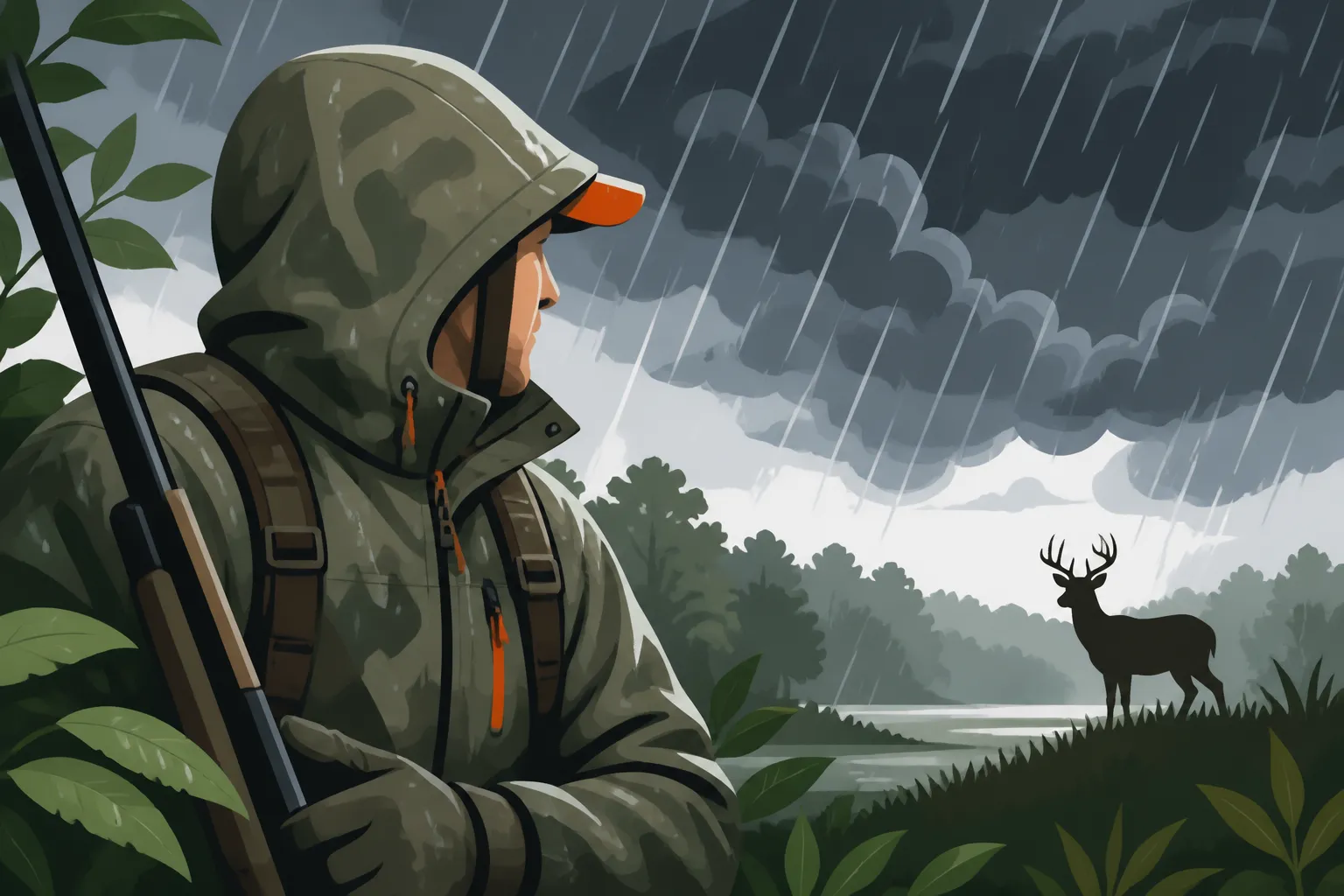
There's nothing quite like the crushing disappointment of a promising Georgia hunt being utterly derailed by a sudden, relentless downpour. One minute you're scouting a promising creek bottom, feeling that crisp morning chill, and the next, the skies open up, drenching you to the bone and sending shivers down your spine. Getting wet and cold not only makes you miserable and threatens your health but also sends every whitetail and gobbler scattering, effectively ending your hunt. This guide is dedicated to helping Georgia hunters understand the unique challenges of our state's weather and choose the absolute best rain gear to stay dry, comfortable, and in the game, no matter what Mother Nature throws your way.
Understanding Georgia's Rain: More Than Just a Drizzle
Georgia weather can be fickle, to say the least. It’s not just a matter of checking the forecast and hoping for the best; you need to anticipate the worst and be prepared. Our rain isn't always the gentle, consistent kind you might find further north. Here, it often comes with a vengeance, and the humidity plays a cruel trick on your gear.
The Humidity Factor
Anyone who's spent a summer, or even a spring or fall, day in Georgia knows about the humidity. It’s thick, palpable, and it permeates everything. This constant moisture in the air has a significant impact on how rain gear performs and how quickly you can recover from getting wet. Imagine sitting in a stand in early archery season, the air so thick you can almost taste it. A shower moves in, and even if your outer shell keeps the water out, the moisture from your own body can build up inside, leaving you feeling clammy and damp.
The real kicker comes after the rain stops. In a drier climate, damp clothes might air out relatively quickly, given a chance. In Georgia, however, that persistent humidity means that once your gear gets wet – even just from internal condensation – it stays wet. Trying to dry out your boots or jacket in a tent or cabin with 80% humidity is like trying to dry a sponge in a swimming pool. This makes choosing truly breathable and quick-drying layers, in addition to your waterproof outer shell, absolutely essential. Without them, you're fighting a losing battle against your own sweat and the ambient moisture, which can quickly lead to chills once the exertion stops.
Sudden, Intense Downpours
Georgia isn't shy about its rain. While we certainly get those days of light, all-day drizzles, we're just as, if not more, prone to sudden, violent thunderstorms that seem to appear out of nowhere. One minute the sun is shining, the next it's biblical. These pop-up storms can dump inches of rain in a short amount of time, testing the limits of even the best rain gear.
Beyond the quick, localized storms, we also deal with prolonged weather fronts that can settle in for days, bringing with them a relentless, soaking rain that turns creek bottoms into rivers and trails into mud slicks. These aren't conditions where a lightweight, "water-resistant" shell will cut it. You need gear that is genuinely waterproof, with robust construction and features designed to withstand sustained exposure to heavy precipitation. Thinking you can tough it out with a thin, cheap poncho is a mistake many hunters make, only to find themselves shivering in their truck, dreaming of a hot shower, long before legal shooting light is over. This requires a level of preparedness that goes beyond just checking the forecast; it means having a system that can handle anything from a brief squall to an all-day deluge, allowing you to stay focused on the hunt.
Essential Features of Quality Rain Gear for Georgia
When you're facing down a Georgia gully washer, your rain gear is your last line of defense. Knowing what to look for in terms of technology and construction can make all the difference between a productive hunt and a miserable slog back to the truck.
Waterproofing Technologies: What to Look For
The term "waterproof" gets thrown around a lot, but not all waterproof claims are created equal. For serious hunting in Georgia, you need true waterproof performance, not just something that will shrug off a light sprinkle. This usually comes down to two main components: a durable waterproof membrane or coating, and fully sealed seams.
Most high-performance rain gear utilizes a waterproof, breathable membrane, like what you might find advertised by a company focused on technical outerwear. This membrane is a microscopically porous layer laminated to the fabric. The pores are too small for liquid water droplets to pass through, but large enough for water vapor (your sweat) to escape. This is the gold standard for keeping external water out while allowing internal moisture to escape. Cheaper alternatives often use a waterproof coating, which is typically less breathable and can break down over time, but still offers a barrier. Additionally, a Durable Water Repellent (DWR) finish is applied to the outer fabric, causing water to bead up and roll off. This prevents the face fabric from becoming saturated, which helps the underlying membrane breathe better and keeps the garment lighter.
However, even the best membrane is useless if water can seep through the stitching. This is where fully taped seams come in. Every stitch hole, where the needle penetrates the fabric, creates a potential leak point. Quality rain gear will have all seams – jacket, pants, and sometimes even pockets – sealed with a waterproof tape on the inside. If a garment says "critically taped seams," it means only the most exposed seams are sealed, which might be okay for light rain but won't stand up to a true Georgia soaking. Always look for "fully taped seams" to ensure maximum protection.
Breathability: Staying Dry from the Inside Out
Getting wet from the outside in is bad enough, but many hunters experience the equally frustrating problem of getting wet from the inside out due to their own perspiration. This is where breathability becomes critically important, especially when you're actively hiking through the woods or making a long stalk in Georgia's often warm and humid conditions.
Breathable membranes work by allowing water vapor to pass through, but not liquid water. This vapor transfer helps regulate your body temperature and prevents that clammy, sticky feeling. Without adequate breathability, your sweat gets trapped inside the rain gear, saturating your base layers and causing you to become cold once you stop moving. Imagine climbing a steep ridge in the Chattahoochee National Forest on a rainy day; if your rain jacket isn't breathing, you'll be soaked with sweat by the time you reach your stand. Good rain gear will often incorporate additional features to aid breathability, such as pit zips (zippers under the arms) and mesh-lined pockets that can be opened for venting without completely exposing you to the elements. For active hunters, a highly breathable rain suit is often worth the investment, as it directly impacts your comfort and ability to stay in the field longer. It's a key factor that even expert resources like GoHunt emphasize for successful hunting in variable conditions.
Durability and Quietness: Built for the Woods
Hunting gear isn't just about staying dry; it's about being effective in the field. This means your rain gear needs to be durable enough to withstand the abuse of the woods and quiet enough not to spook game. There’s nothing worse than having excellent waterproofing only to have your jacket shredded by briars on the first outing, or sounding like a plastic bag factory whenever you move.
Look for fabrics that are designed for rugged use. Many quality rain garments use ripstop nylon or polyester, which are woven in a way that prevents small tears from spreading. Reinforced panels in high-wear areas like the shoulders (for carrying a pack or rifle), elbows, and knees are also a huge plus, especially if you anticipate kneeling or crawling. Remember that Georgia woods can be thick with thorns, fallen branches, and abrasive surfaces.
Equally important is quietness. While a cheap PVC poncho might keep you dry, it often crinkles and rustles with every movement, broadcasting your presence to every deer and turkey within earshot. Premium hunting rain gear typically uses softer, brushed fabrics on the exterior to minimize noise. These materials absorb sound rather than reflecting it. Sometimes this means a slight trade-off in ultimate packability, but for active hunting where stealth is key, it’s a non-negotiable feature. Imagine trying to make a final move on a gobbler in the rain if your jacket sounds like a trash bag. The best gear balances robust protection with silent operation, allowing you to focus on the hunt without worrying about giving yourself away.
Layering Strategies for Georgia Rain
Effective rain gear isn't just about the outer shell; it's about a complete system of layers that work together to manage moisture and temperature. This is especially true in Georgia, where temperatures can swing wildly even within a single day, and humidity is a constant companion.
The Base Layer: Managing Moisture First
Your base layer is the foundation of your entire clothing system, and its role is crucial even when rain is in the forecast. While your outer shell is designed to keep external moisture out, your base layer's primary job is to manage the moisture your body produces internally – your sweat. If your base layer becomes saturated with sweat, it loses its insulating properties, and you'll quickly get cold and uncomfortable, regardless of how waterproof your outer shell is.
For Georgia hunting, especially during those warm early archery seasons or even in a spring turkey downpour, steer clear of cotton. Cotton absorbs moisture like a sponge and holds onto it, making you feel cold and clammy once you stop moving. Instead, opt for synthetic materials like polyester or natural fibers like merino wool. These materials excel at wicking moisture away from your skin, transferring it to the next layer where it can evaporate or be pushed through the breathable membrane of your rain gear. Even if your rain jacket gets overwhelmed in an extreme downpour or you work up a sweat on a long hike, a good base layer will keep you from feeling instantly chilled. This foundational layer is vital for overall comfort and temperature regulation, making it a non-negotiable part of your rain-ready kit. For more on this, check out Lightweight Layering for Warm-Weather Sits.
Mid-Layers for Insulation or Regulation
The mid-layer's role is primarily insulation, but in Georgia's often variable climate, it also serves as a critical temperature regulator. The beauty of a good layering system is its adaptability, allowing you to add or shed warmth as conditions dictate, which is key when hunting through a rainy day that might start cool but warm up significantly.
On a colder rainy day, perhaps during the late firearms season or a chilly January sit, a fleece jacket or a lightweight puffy jacket made with synthetic insulation can provide essential warmth. This layer traps air, creating an insulating barrier against the cold. If you're going to be sitting still in a blind or a stand, this added warmth is invaluable. However, in warmer rain, particularly during spring turkey season or early fall deer hunts, you might choose to skip a traditional mid-layer entirely, relying solely on your base layer and outer shell. This prevents overheating and excessive sweating, which, as we've discussed, can make you wet from the inside out. The ability to quickly put on or take off a mid-layer allows you to adapt to changing temperatures and activity levels without compromising your dryness or comfort. Having a flexible system, where your mid-layer can be easily packed away, is especially important when you might be trekking through varied terrain, from dense pine plantations to Hunting Georgia Swamp and River Bottom Deer.
The Outer Shell: Your Rain Barrier
This is the star of the show, your primary defense against external moisture. Your outer shell, comprised of a waterproof jacket and pants, is what physically sheds the rain and protects all the layers beneath it. Its design and fit are paramount to its effectiveness within your layering system.
When choosing an outer shell, think about how it will fit over your other layers. It should be roomy enough to accommodate a base layer and a mid-layer (if needed) without feeling tight or restricting movement. However, it shouldn't be so baggy that it creates excess fabric that can catch on branches or rustle loudly. Look for a jacket with an adjustable hood that can cinch down around your face, move with your head to maintain peripheral vision, and ideally fit over a cap. Cuffs should be adjustable (velcro or elastic) to seal out water and prevent it from running down your arms, especially when you raise them. A longer cut in the back of the jacket is also a thoughtful feature, providing extra coverage when you're bending over or sitting on a wet surface.
For pants, full-length side zippers are a game-changer. They allow you to easily pull your rain pants on or off over your boots without having to take them off – a huge convenience when a sudden shower hits or stops. Reinforced seats and knees are also a wise investment, as these areas tend to take the most abuse and pressure, especially when you're sitting on damp ground or kneeling to tend to game. Ultimately, your outer shell needs to be a robust, well-fitting barrier that keeps every drop of rain out, allowing your carefully chosen inner layers to do their job of managing your body's moisture and warmth. Without a dependable outer shell, the rest of your layering strategy is undermined.
Practical Rain Gear Considerations for Georgia Hunters
Beyond the technical specs and layering philosophy, there are many practical considerations that can make or break your experience with rain gear in the Georgia woods. These details often come from real-world experience and understanding the unique demands of hunting here.
Jackets: Hoods, Pockets, and Fit
When you’re out in a Georgia downpour, the effectiveness of your rain jacket goes beyond just its waterproof membrane. The details matter, and a well-designed jacket can significantly enhance your comfort and ability to stay focused on the hunt.
First, let's talk about the hood. A good hood is adjustable in multiple ways – you should be able to cinch it around your face to keep rain out of your eyes and off your neck, and it should have a drawcord or elastic on the back to pull it back so it moves with your head, maintaining your peripheral vision. A hood that doesn't move with your head will block your view, which is dangerous and impractical in the woods. Look for one that also has a small brim to help shed water.
Pockets are another key feature. Are they easily accessible even when wearing a backpack or a chest rig? Are they truly waterproof, with storm flaps or waterproof zippers, to protect your phone, license, or calls? There's nothing worse than pulling out a soggy map or a water-logged cell phone when you need it most. Many hunters find external chest pockets or internal pockets particularly useful as they are less likely to be obstructed by a pack.
Finally, consider the fit. We’ve touched on it with layering, but it bears repeating: your jacket should allow for a full range of motion without binding or feeling restrictive. Can you draw your bow, shoulder your rifle, or climb into a stand without feeling hampered? A longer cut in the torso and especially the back is beneficial, providing more coverage when bending over or sitting. These seem like small details, but when you're trying to stay concealed and comfortable in adverse weather, they make a world of difference.
Pants: Full Zips and Durability
Your lower half is just as susceptible to getting soaked, and rain pants need to be just as robust and practical as your jacket. One feature, in particular, stands out for Georgia hunters: full-length side zippers.
Imagine you're still-hunting a pine flat, and a sudden thunderhead rolls in. With full-length side zippers, you can pull your rain pants on over your boots and outer pants in seconds, without having to stop, sit down, and awkwardly wrestle your footwear off. This not only saves time but also keeps you drier, as you're not exposing your lower layers or yourself to the elements for longer than necessary. The same convenience applies when the rain stops and you want to shed the outer layer quickly.
Beyond the zippers, durability in rain pants is crucial. Your legs are constantly moving through brush, over logs, and against rough terrain. Look for reinforced knees and seat areas. Whether you're taking a knee to glass a distant field edge or sitting on a damp log while waiting for the morning to break, these reinforced sections will prevent wear and tear and provide an extra layer of protection against moisture. The fabric itself should be quiet, avoiding that swishy sound as you walk, which can be particularly disruptive when trying to move stealthily through the Georgia woods.
Beyond Jackets and Pants: Head, Hands, and Feet
Often, hunters focus solely on the jacket and pants, forgetting that rain can find its way into every nook and cranny. For complete protection in a Georgia downpour, you need to extend your waterproof considerations to your head, hands, and feet.
Starting with your head, while your jacket hood provides significant protection, a waterproof hat with a brim (like a baseball cap or a wide-brimmed rain hat) worn underneath can add an extra layer of defense, keeping rain out of your face and off your glasses.
For your hands, waterproof gloves are a must, especially if the temperatures drop. Cold, wet hands quickly become numb and useless, making it difficult to operate firearms, tie knots, or even hold a bow. Look for gloves that offer dexterity, as bulky waterproof gloves can hinder your ability to shoot accurately or manipulate calls. Many hunting-specific gloves offer a waterproof membrane while maintaining some feel.
And then there are your feet. Nothing ends a hunt faster than cold, soggy feet. Rubber Boots for Swamp Walking are an absolute necessity for hunting in many parts of Georgia, particularly in bottomlands, creek swamps, or during wet weather. Ensure your boots are truly waterproof and tall enough to handle any standing water you might encounter. Pair them with moisture-wicking socks (again, no cotton!) to help manage any internal moisture. Even if your rain pants are fantastic, water can often run down your legs and into your boots if you don't have proper footwear. By addressing these often-overlooked areas, you create a comprehensive rain defense system that keeps you comfortable and functional from head to toe.
Care and Maintenance for Longevity
Investing in quality rain gear is only half the battle; properly caring for it ensures it performs season after season, especially in Georgia's humid climate where mildew can be a real problem. Neglecting your gear will quickly lead to diminished performance and a shorter lifespan.
First, always follow the manufacturer's washing instructions. Most technical rain gear should be washed with specific technical washes designed to clean without stripping the DWR finish or clogging the membrane. Avoid harsh detergents, fabric softeners, and bleach, as these can damage the waterproof membrane and impair breathability. After washing, often a gentle tumble dry on low heat can help reactivate the DWR finish.
Over time, even the best DWR will wear off, especially in high-abrasion areas. When you notice water no longer beading up and rolling off your jacket or pants, but rather soaking into the face fabric (a phenomenon called "wetting out"), it's time to reapply a DWR treatment. These come in spray-on or wash-in forms and are readily available at outdoor retailers. Re-applying DWR regularly helps the garment breathe better and prevents it from becoming heavy and cold.
Finally, and crucially for Georgia, proper storage is key. Never stuff wet or even damp rain gear into a bag or closet. Always allow it to air dry completely in a well-ventilated area before storing. If stored damp, it will quickly develop mildew, which not only smells terrible but can also damage the waterproof membrane and fabric. Hang it up, spread it out, and let it breathe. Periodically checking your gear for signs of wear, especially on seams and high-stress points, will allow you to address issues before they compromise your next rainy-day hunt. Resources like GoHunt often provide detailed guides on maintaining specialized hunting apparel, which can be invaluable for prolonging the life of your gear.
| Feature / Type | Emergency Poncho (Disposable) | Lightweight Packable (Coated Nylon) | Technical Waterproof/Breathable (Membrane) | Heavy-Duty Hunting (Reinforced Membrane) |
|---|---|---|---|---|
| Waterproofing | Basic, often leaks, for light showers | Good for moderate rain, can wet out eventually | Excellent, keeps water out reliably | Superior, designed for sustained heavy rain |
| Breathability | Very Poor (sweat quickly builds up) | Limited, can get clammy with exertion | Good to Excellent, manages sweat well | Good, often with venting options |
| Durability | Very Low (single-use, tears easily) | Low to Moderate, can tear in brush | Moderate, decent for general use | High, reinforced for briars and tough use |
| Quietness | Poor (noisy, crinkly plastic) | Variable (can be noisy or moderately quiet) | Good (softer fabrics) | Excellent (brushed, quiet fabrics) |
| Weight/Packability | Very Light/Extremely Compact | Light/Very Compact | Moderate/Compact | Moderate to Heavy/Less Compact |
| Best For | Unexpected sprinkles, desperate situations | Fast-moving hunts, mild rain, backup | Active hunting in variable conditions | All-day sits, heavy rain, thick cover |
| Georgia Use Case | Emergency kit, one-time use | Early season, fast scouts | Most deer and turkey hunts, general use | Late season, deep swamp hunts, sitting |
Disclaimer
This article is for general informational purposes only and does not constitute professional advice. Laws, prices and regulations vary by location and change over time. Consult a qualified professional for guidance on your specific situation.