Suwannee Canal Recreation Area Access
Trying to navigate the unique and often challenging landscape of the Suwannee Canal Recreation Area for hunting can feel like deciphering an ancient map with half the details smudged. Many hunters are drawn to the allure of the Okefenokee's wild fringe but are left scratching their heads about where to go, what's allowed, and how to even get their boots on the ground—or in this case, their boat in the water. This comprehensive guide will break down everything you need to know about accessing and hunting this distinctive Georgia treasure, ensuring you're prepared for a successful and safe adventure.
Understanding the Suwannee Canal Recreation Area: More Than Just a Pretty Picture
The Suwannee Canal Recreation Area isn't just another pretty spot on the map; it's a vital gateway to one of Georgia's most iconic and wild places, the Okefenokee Swamp. For those of us who live for the thrill of the hunt, understanding its unique characteristics is the first step to unlocking its potential.
What is the Suwannee Canal Recreation Area?
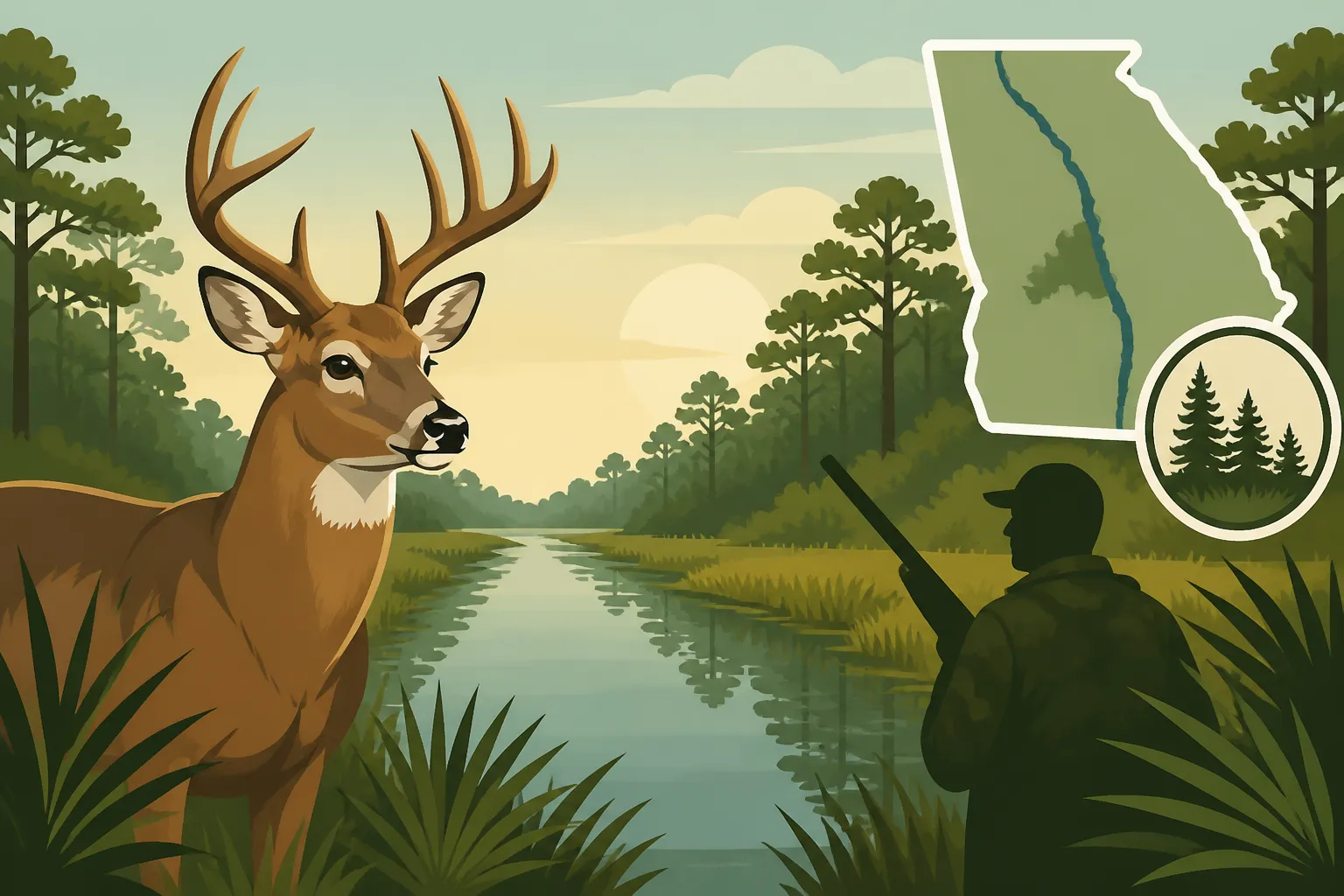
Nestled on the eastern edge of the vast Okefenokee National Wildlife Refuge, the Suwannee Canal Recreation Area serves as a primary access point to the "Land of the Trembling Earth." It's managed primarily for public recreation, including boating, fishing, and wildlife observation, but for the discerning hunter, it's also a crucial piece of the puzzle for accessing surrounding hunting opportunities. The area itself is characterized by its namesake, the historic Suwannee Canal, which winds deep into the swamp, along with various feeder canals, cypress stands, and pine islands. It’s a place where the air hangs thick with humidity, the cypress trees drip with Spanish moss, and the sounds of the swamp are constant companions.
While the canal itself offers a distinct environment, the surrounding landscape quickly transitions into the dense, wild habitats that make the Okefenokee region so famous. This mosaic of ecosystems provides cover and sustenance for a variety of game animals, making it a highly attractive destination for those willing to embrace its challenges. Hunters often find themselves navigating narrow waterways and pushing through thick palmetto and titi thickets, far from the well-trodden paths of typical hunting grounds.
Why Hunters Care: The Okefenokee Connection
The primary draw for hunters to the Suwannee Canal Recreation Area isn't necessarily the area itself, but rather its unparalleled access to the fringes and adjacent lands of the Okefenokee Swamp. This region is renowned for its robust populations of white-tailed deer and, perhaps even more famously, its abundant feral hogs. These animals thrive in the dense cover and rich food sources provided by the swamp environment, often growing to impressive sizes. Hunting the Okefenokee Swamp Region is a truly unique experience, and the Suwannee Canal is often your ticket in.
The connectivity of the swamp means that wildlife frequently moves between the refuge proper and the surrounding public and private lands, utilizing the network of sloughs, islands, and uplands for feeding, bedding, and breeding. Hunters who master navigating the Suwannee Canal area often gain an edge in understanding these movement patterns, predicting where deer and hogs might be traveling or bedding down after high water. It's not just about what's in the recreation area, but what the recreation area connects you to.
Navigating the Unique Environment
Successfully hunting near the Suwannee Canal Recreation Area demands a deep appreciation for its unique hydrological and ecological characteristics. This isn't your typical pine plantation hunt; here, water dictates everything. Water levels can fluctuate dramatically depending on rainfall, making certain areas accessible one day and impassable the next. Shallow-draft boats, like jon boats or even canoes and kayaks, are often essential, especially if you plan to venture off the main canal into smaller sloughs.
The vegetation is incredibly dense, a mix of cypress, tupelo, blackgum, and a nearly impenetrable understory of titi and palmetto. This provides excellent cover for game but makes still-hunting or tracking a monumental task. Understanding how to read the landscape, even when much of it is underfoot, is crucial. Look for subtle rises, drier hammocks, and the less dense edges where animals might funnel through. Hunting Georgia Swamp and River Bottom Deer demands these specific skills and a robust understanding of the environment.
Permits, Regulations, and the Paperwork Maze
Before you even think about loading your rifle or stringing your bow, you need to understand the permits and regulations governing hunting in and around the Suwannee Canal Recreation Area. This isn't a place where you can just show up; proper authorization and adherence to specific rules are paramount to avoid issues with wildlife authorities.
Getting Your Suwannee Canal Access Permit
While the Suwannee Canal Recreation Area itself is primarily for non-consumptive recreation, accessing certain adjacent hunting areas, especially within the greater Okefenokee National Wildlife Refuge system, often requires special permits in addition to your standard Georgia hunting license. These are typically quota hunts or specific limited-entry permits designed to manage hunter numbers and ensure a quality experience while protecting the delicate ecosystem. You'll often apply through the Georgia Department of Natural Resources (DNR) system, keeping an eye on application deadlines. Applying for an Alligator Quota Permit is one example of a highly sought-after permit for the Okefenokee region, which often uses the Suwannee Canal as an access point.
It's crucial to check the specific regulations for the area you intend to hunt. Information is usually available on the Georgia DNR website, and it's updated annually. Don't rely on old pamphlets or hearsay; verify everything before you plan your trip. Some hunts might require a physical permit to be carried, others might be digital. Always ensure you have proof of your permit and identification on hand, as you will likely encounter wildlife officers patrolling these areas.
Specific Hunting Regulations Within the Area
When hunting in designated areas around the Suwannee Canal, general Georgia hunting regulations apply, but there are often additional, site-specific rules you must follow. These can include restrictions on weapon types, hunting hours, specific season dates that differ from statewide dates, and bag limits. For instance, some areas might be archery-only, or certain firearms might be prohibited due to safety concerns given the high public use of the main canal itself.
Understanding the why behind these regulations can help you appreciate their importance. Many of these rules are in place to minimize conflict between different user groups—hunters, kayakers, bird watchers—and to protect the unique wildlife of the Okefenokee. It's not just about avoiding a fine; it's about being a responsible conservationist. Always check for specific signage at access points or on the DNR's official online resources. Georgia Deer Season Structure Explained provides a good baseline, but remember, refuge-specific rules often overlay statewide regulations.
Understanding Restricted Zones and No-Go Areas
One of the most critical aspects of hunting near the Suwannee Canal is knowing where you cannot hunt. The recreation area itself, including the main canal and its immediate banks, is generally off-limits to hunting to ensure public safety and preserve its recreational purpose. Beyond that, there are often designated wilderness areas, research zones, or areas with high visitor traffic that are explicitly closed to hunting. Violating these restricted zones can lead to severe penalties, including fines, loss of hunting privileges, and even confiscation of gear.
It's imperative to consult detailed maps and boundary descriptions provided by the Georgia DNR or the U.S. Fish and Wildlife Service, which manages the Okefenokee Refuge. Mapping applications like onX Hunt or GoHunt can be invaluable tools for identifying these boundaries, showing property lines and restricted areas right on your phone or GPS device. Always double-check your position, especially in dense cover where visibility is limited and it's easy to become disoriented. A few steps in the wrong direction can quickly turn a legal hunt into an illegal one.
Strategic Access Points and How to Use Them
Accessing the remote areas around the Suwannee Canal for hunting is a challenge that requires careful planning and the right tools. Simply showing up with a truck and a shotgun won't cut it here; you need a strategy to get into the prime hunting grounds.
Primary Entry Points and Boat Ramps
The main entry point for the Suwannee Canal Recreation Area is often through the primary refuge entrance, typically found on the east side of the Okefenokee. Here, you'll usually find designated parking and a boat ramp suitable for launching small to medium-sized boats. These ramps are your lifeline for reaching deeper into the swamp's network of waterways. Larger, heavier vessels might find these ramps unsuitable, especially during periods of low water, so knowing your boat's draft is key.
Once launched, the main canal itself acts like a highway, providing a relatively clear path through the otherwise impenetrable swamp. However, speed limits and no-wake zones are common to protect the banks, wildlife, and other users. Adhering to these rules isn't just about avoiding a ticket; it's about respecting the shared resource and preserving the peace for everyone. Many hunters prefer to use these main entry points as a jumping-off point, then transition to smaller, less conspicuous methods to reach their ultimate hunting spots.
Foot and Small Craft Access
While larger boats get you down the main canal, the real hunting gems often lie beyond, requiring foot travel or smaller craft. Kayaks, canoes, and even small johnboats with mud motors are invaluable for navigating the narrow sloughs and shallow-water areas where larger vessels cannot go. These smaller craft allow for stealthy approaches, minimizing disturbance to wildlife and other hunters. The ability to silently paddle into a cypress stand at dawn can make all the difference when targeting wary deer or hogs.
For those truly adventurous, foot access is possible, but it's incredibly demanding. Expect to wade through knee-deep (or deeper) water, push through thick brush, and contend with the swamp's relentless insects and humidity. Finding Ground Others Walk Past is a concept that truly applies here; the harder it is to get to, the less pressure the game typically sees. However, this level of access requires extreme physical fitness, meticulous navigation, and a strong safety plan, as getting lost or injured in the Okefenokee can quickly become life-threatening.
Minimizing Impact and Respecting the Environment
Hunting in a sensitive ecosystem like the Okefenokee, especially one with heavy recreational use, comes with a significant responsibility to minimize your impact. The "Leave No Trace" principles are not just suggestions here; they are essential for preserving the area for future generations and maintaining public access for hunting. This means packing out everything you pack in, including spent shell casings, food wrappers, and any trash. Avoid disturbing vegetation unnecessarily and stick to established trails or waterways where possible.
Using mapping tools like GoHunt or Scouting With the Georgia Outdoors App can help you plan routes that are efficient and minimize unnecessary disturbance. Be mindful of your noise levels, especially when approaching your hunting spot. The tranquility of the swamp is part of its allure, and respecting that benefits both wildlife and fellow outdoor enthusiasts. Remember that your actions reflect on all hunters, and responsible behavior helps ensure that hunting opportunities in places like the Suwannee Canal Recreation Area continue to exist.
Hunting Opportunities and What to Expect
Hunting around the Suwannee Canal Recreation Area offers a truly wild experience, but it's an environment that demands specific strategies and a resilient mindset. The challenges are numerous, but so are the rewards for those who adapt.
Target Species: Deer, Hogs, and More
The primary targets for hunters in the Okefenokee fringe accessed via the Suwannee Canal are white-tailed deer and feral hogs. Deer in this region tend to be more elusive than in agricultural areas, favoring the dense cover and often moving subtly through the thickets. They utilize the small islands and slightly elevated hammocks for bedding, especially during high water. White-Tailed Deer Across Georgia notes their adaptability, and nowhere is that more evident than in the swamp. Hunters here need keen eyes and patience, often relying on small openings and funnels between cypress stands.
Feral hogs, on the other hand, are abundant and can be found almost everywhere. They root through the soft earth, wallow in the mud, and often travel in large sounders. Hog hunting is particularly popular because there are often liberal or no closed seasons, allowing year-round opportunities. Feral Hog Hunting Year-Round in Georgia is a reality in this part of the state, and the Suwannee Canal provides some excellent access to where they roam. While deer often require stealth and precision, hogs can sometimes be patterned by their destructive rooting or approached using scent control and quiet movement. Alligators are also present and sometimes hunted under strict quota regulations, offering a different kind of challenge for a select few.
Hunting Challenges Unique to the Suwannee Canal
Hunting in and around the Suwannee Canal is not for the faint of heart. The environment presents a unique set of challenges that can test even the most experienced hunter. First and foremost, the water. Variable water levels can make access unpredictable, changing daily and altering animal movement patterns. Areas that were dry and walkable one week might be flooded the next. This means scouting and adaptability are crucial.
The cover is incredibly thick. Visibility can be severely limited, making long shots rare and requiring close-quarters hunting. Tracking wounded game can be a nightmare in the dense undergrowth and murky water. Heat and humidity are constants for much of the hunting season, making long hikes or prolonged sits physically taxing. And of course, the insects. Mosquitoes, gnats, and horseflies are relentless, especially during the warmer months, necessitating robust bug protection. Bug Protection for Early Archery Season is not just an advisory here; it’s an absolute necessity.
Scouting and Planning Your Hunt
Effective scouting is paramount for success around the Suwannee Canal. This means much more than just a quick drive-by. You'll need to study maps extensively, looking for subtle elevation changes, drainage patterns, and potential travel corridors between islands and uplands. Satellite imagery from apps like onX Hunt or GoHunt can reveal hidden sloughs, old logging roads, or clearings that might not be visible from the ground. Look for patterns in water flow and areas where game might be pushed during high water or concentrate during low water.
Pre-season trips, even if just for a day of exploring by boat or on foot, can provide invaluable intelligence. Look for fresh sign: hog rooting, deer tracks, rubs, and scrapes. Pay attention to water levels and how they affect access points and potential hunting spots. Use trail cameras (where permitted) to monitor game activity. Planning your hunt also means having backup plans for different water levels or unexpected weather. It's about anticipating the swamp's moods and being ready to adjust your strategy. Reading Aerial Photos for Piedmont Deer concepts apply equally to understanding swamp terrain, just with more water.
Essential Gear for Suwannee Canal Hunting
Hunting in the unique environment of the Suwannee Canal demands a specialized gear list that goes beyond the basics. The wrong equipment can quickly turn a challenging hunt into a miserable, or even dangerous, ordeal.
Boats and Motors: The Lifeline of Swamp Hunting
For most hunters accessing the deeper regions near the Suwannee Canal, a boat isn't just convenient, it's essential. Shallow-draft jon boats are incredibly popular due to their stability, open space, and ability to navigate tight quarters. Paired with an outboard motor, they can cover significant distances on the main canal. However, when venturing into shallower sloughs or areas thick with vegetation, a specialized mud motor often becomes indispensable. These motors are designed to push through mud and aquatic plants, where a traditional propeller would get fouled. Airboats, while noisy, offer unparalleled access over virtually any surface, wet or dry, but are subject to strict regulations and often require special permits due to their impact.
Choosing the right boat depends heavily on your intended hunting style and the specific areas you plan to access. Consider the boat's capacity for gear and game, its stability for navigating uneven water, and its durability to withstand bumps and scrapes from submerged obstacles. Remember that larger boats often require more powerful engines, which means more fuel and heavier loads.
| Boat Type | Pros | Cons | Ideal Use |
|---|---|---|---|
| Jon Boat | Stable, versatile, good capacity | Limited in very shallow or mucky water | Main canal travel, accessible sloughs |
| Canoe/Kayak | Silent, lightweight, shallow draft | Limited capacity, slower, less stable | Stealthy access to narrow sloughs, short trips |
| Mud Boat | Excellent in shallow/mucky water | Slower on open water, can be loud | Reaching remote, vegetated backwaters |
| Airboat | Unparalleled access over any surface | Very noisy, expensive, high impact | Specialized, regulated access to vast, shallow areas |
Navigational Tools and Communication
Getting lost in the vast, labyrinthine swamp around the Okefenokee is a very real danger. Reliable navigational tools are non-negotiable. A high-quality GPS unit or a robust hunting app like onX Hunt or GoHunt on your smartphone is crucial. Ensure your chosen device has detailed topographical maps and satellite imagery. Downloading offline maps is absolutely essential, as cell service is non-existent in much of the area. Marking your access points, potential hunting spots, and any hazards (like submerged logs or tricky channels) on your map before you go is a smart move.
Beyond navigation, reliable communication is vital for safety. A satellite messenger or satellite phone should be considered mandatory, especially if you're hunting alone or venturing deep into remote areas. These devices allow you to send emergency messages even without cell service. Don't rely solely on your phone; bring a power bank to keep it charged, but have a dedicated satellite device for true emergencies. GPS Units Versus Phone Apps discusses the pros and cons of each, but for the Suwannee Canal, redundancy is key.
Clothing and Protection for the Extreme Environment
The Suwannee Canal environment is harsh, and your clothing and personal protection need to reflect that. Snake boots are an absolute must. Rattlesnakes and cottonmouths are common, and a bite in a remote area could be catastrophic. Choose boots that are comfortable for walking and wading, and provide solid protection up to your knees. Snake Boots for Georgia Swamp Ground is a worthwhile read to ensure you make the right choice.
Layering is important, even in warmer weather, as temperatures can fluctuate. Opt for moisture-wicking materials that dry quickly. Durable, brush-resistant clothing is also critical for pushing through thick vegetation. And as mentioned, bring serious bug protection. Head nets, permethrin-treated clothing, and a reliable insect repellent containing DEET or picaridin are non-negotiable. Finally, a good quality rain suit is essential; pop-up thunderstorms are frequent and can drench you in minutes, leading to discomfort or even hypothermia if not properly prepared.
Safety, Preparation, and Emergency Planning
The wilderness around the Suwannee Canal Recreation Area is beautiful, but it can also be unforgiving. Prioritizing safety, thorough preparation, and having a solid emergency plan are paramount for any hunting trip into this unique landscape.
Understanding the Risks: Gators, Snakes, and Isolation
Hunting in the Okefenokee region brings you into close contact with some formidable wildlife and challenging conditions. American alligators are a dominant presence, and while usually shy, they can be dangerous if provoked, especially during nesting season or if they've been fed. Always be aware of your surroundings, especially near water. American Alligators in Georgia provides great insights into these ancient reptiles. Snakes, particularly venomous species like cottonmouths and rattlesnakes, are abundant. Always watch where you step and reach, and wear appropriate protective footwear.
Beyond wildlife, the sheer isolation of the swamp is a significant risk. Getting lost is easy in the featureless cypress stands and dense thickets. An injury in a remote area, far from immediate help, can quickly escalate into a life-threatening situation. Being aware of these inherent risks isn't about fostering fear, but about cultivating a healthy respect for the environment and prompting responsible preparation.
Emergency Procedures and What to Carry
Given the risks, a comprehensive emergency plan is vital. Always tell someone exactly where you are going, your planned route, when you expect to return, and what to do if they don't hear from you. Carry a well-stocked first-aid kit that includes items for snakebite (though professional medical care is the priority), severe cuts, and allergic reactions. A tourniquet and compression bandages could be life-saving.
Beyond medical supplies, carry items for self-rescue: a whistle, a signaling mirror, a reliable headlamp with extra batteries, fire-starting materials, and enough water and high-energy snacks for at least an extra day. A sharp knife or multi-tool is also essential. If you have a satellite communication device, know how to use it to send an SOS. Practicing basic wilderness survival skills, like building a shelter or purifying water, might sound extreme, but they could save your life in a real emergency.
Respecting Other Users and Wildlife
The Suwannee Canal Recreation Area is a multi-use environment, drawing a diverse crowd of kayakers, bird watchers, anglers, and photographers. Hunters share this space, and fostering a respectful relationship with other users is crucial. Be mindful of your presence: avoid loud noises, visible cleaning of game near public access points, or actions that might disturb others' enjoyment of the wilderness. Your actions contribute to the overall perception of hunters.
Similarly, respect the wildlife beyond your target species. Avoid disturbing nests, dens, or non-game animals. Follow all regulations regarding carcass disposal to prevent the spread of disease and minimize attracting scavengers to public areas. Be a good steward of the land. This approach not only ensures a more pleasant experience for everyone but also helps to secure the future of hunting access in these precious wild places. It's about being a conservationist first and a hunter second, understanding that we are privileged to pursue game in such a unique corner of Georgia.
Disclaimer
This article is for general informational purposes only and does not constitute professional advice. Laws, prices and regulations vary by location and change over time. Consult a qualified professional for guidance on your specific situation.