Where Georgia Turkeys Are Densest
Georgia wild turkey habitats, including Piedmont farmland and South Georgia river bottoms along the Altamaha and Flint rivers.
Know what you’re after.
Big game, small game, upland birds, and waterfowl — identification, behavior, rut and migration timing, and how each species moves through the season.
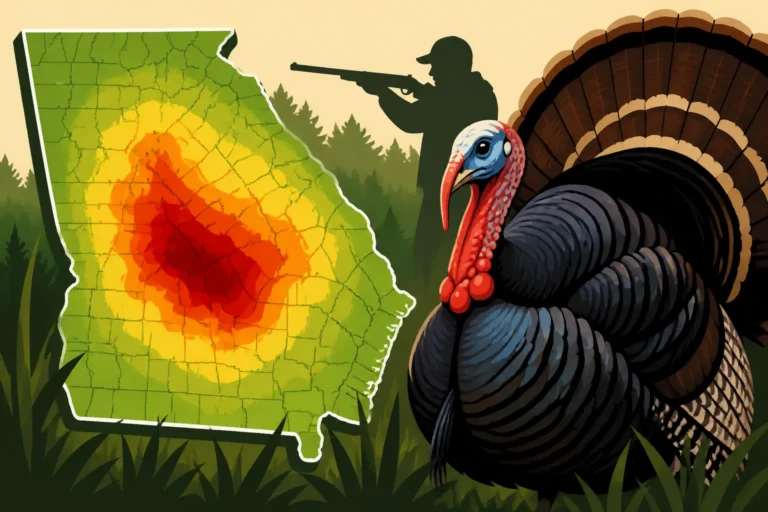
Georgia wild turkey habitats, including Piedmont farmland and South Georgia river bottoms along the Altamaha and Flint rivers.
Georgia spring turkey harvest numbers help hunters analyze statewide population health, success rates, and mandatory Georgia Game Check data.
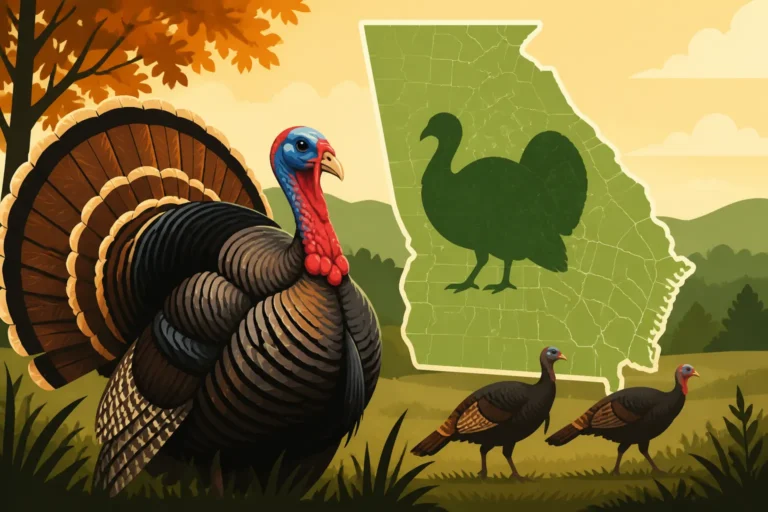
Georgia wild turkey population estimates help the Department of Natural Resources set hunting regulations and manage habitats.
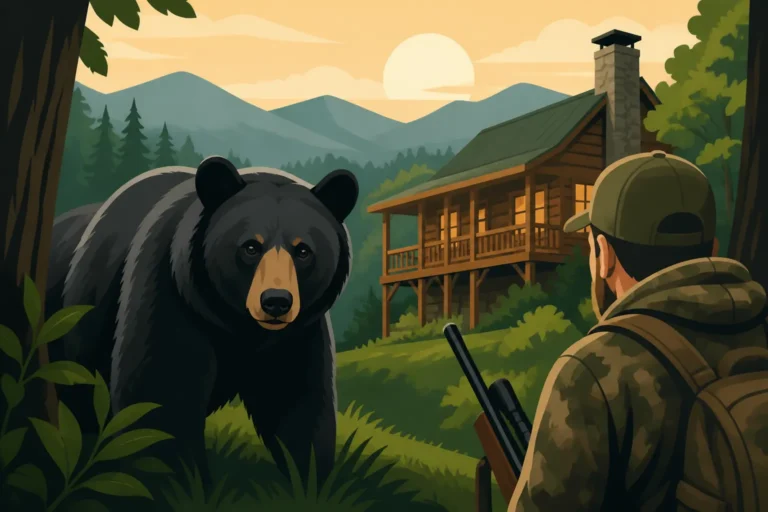
North Georgia black bear encounters near rental cabins and methods for securing food sources to prevent property damage.
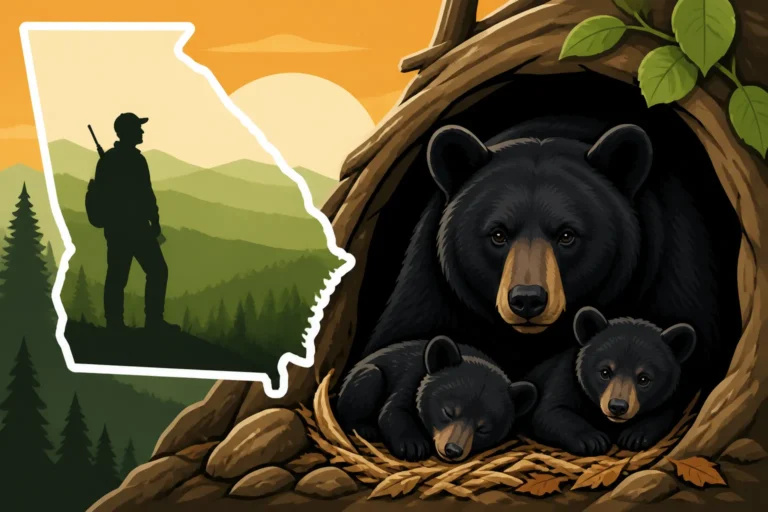
Georgia black bear denning behavior involves winter energy conservation, decreased heart rates, and safe birth environments.

Georgia black bear weights vary by sex, with adult females ranging from 120 to 250 pounds and males reaching 400 pounds.
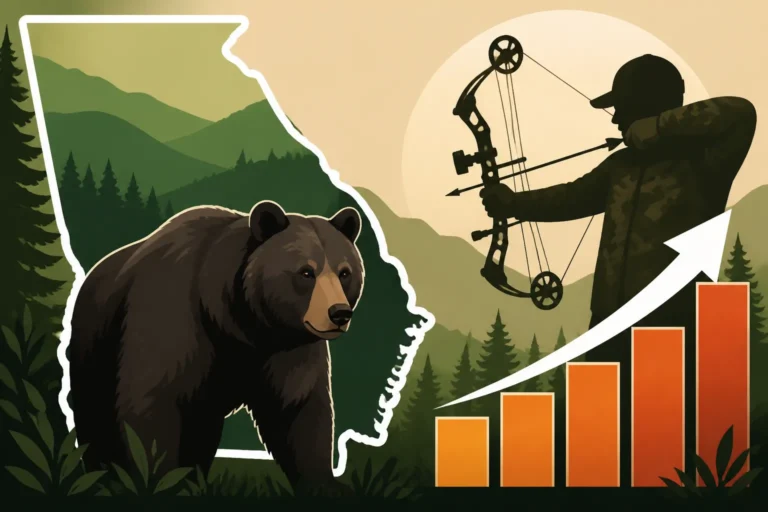
Georgia black bear harvest numbers explain population health, wildlife management strategies, and regional hunting trends.

Georgia black bear population growth and urban sprawl explain recent sightings in Cobb, Gwinnett, Roswell, and Marietta.
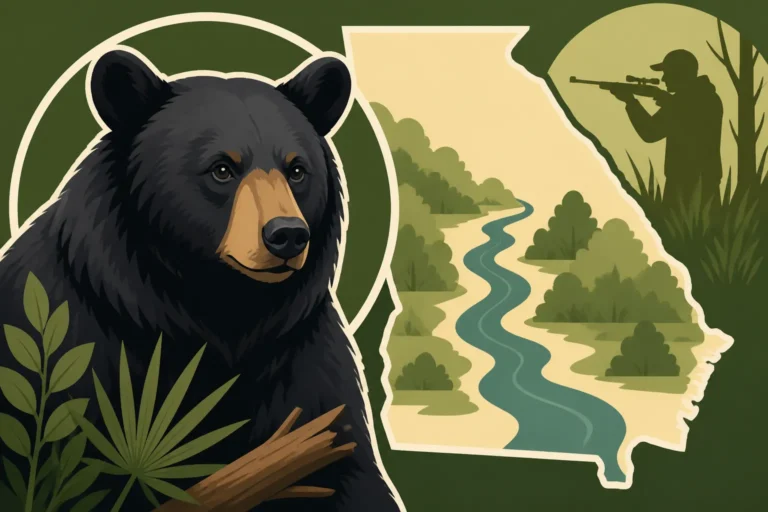
Historical habitat fragmentation, farming, and geographic limitations explain why central Georgia bears remain notably smaller in numbers.
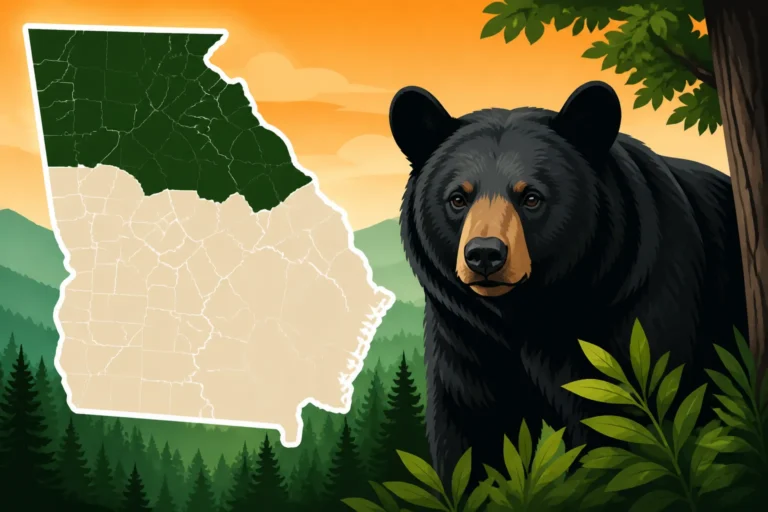
Georgia black bear populations thrive in the Northern Zone due to unbroken mountain forests and abundant seasonal food sources.