Why Alligator Nuisance Calls Rise in Summer
Georgia alligator nuisance calls increase in summer because warmer temperatures drive mating, nesting, and higher reptile activity.
Know what you’re after.
Big game, small game, upland birds, and waterfowl — identification, behavior, rut and migration timing, and how each species moves through the season.
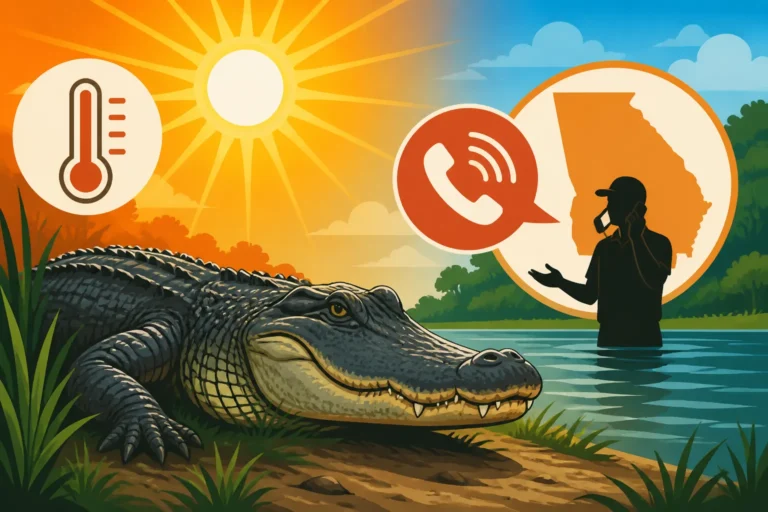
Georgia alligator nuisance calls increase in summer because warmer temperatures drive mating, nesting, and higher reptile activity.
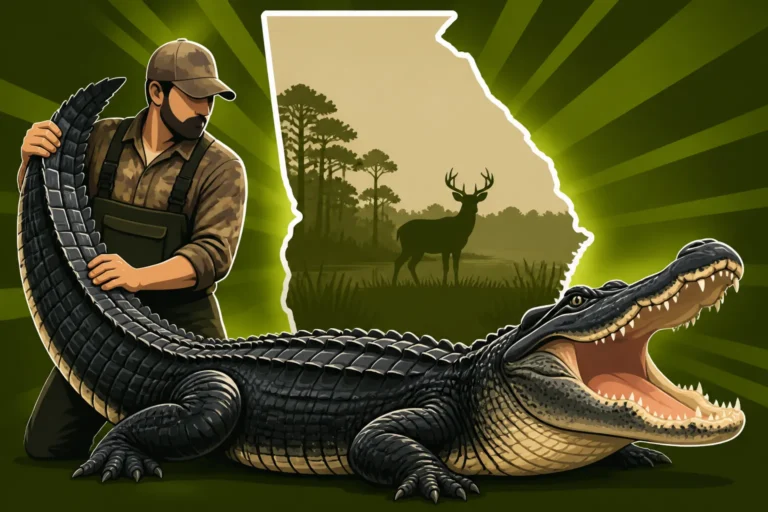
Georgia alligator lengths explained for hunters, covering average sizes, legal minimums, and the pursuit of record animals.
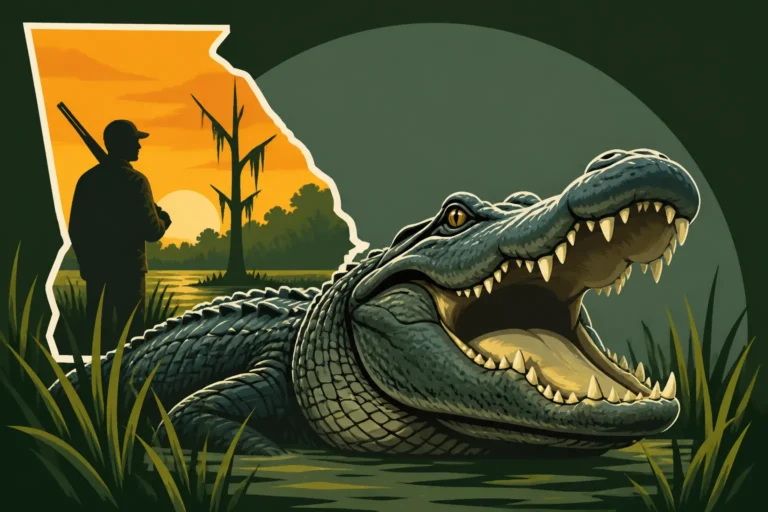
Georgia alligator habitats and population dynamics explain where massive trophy reptiles thrive across the state’s southern half.
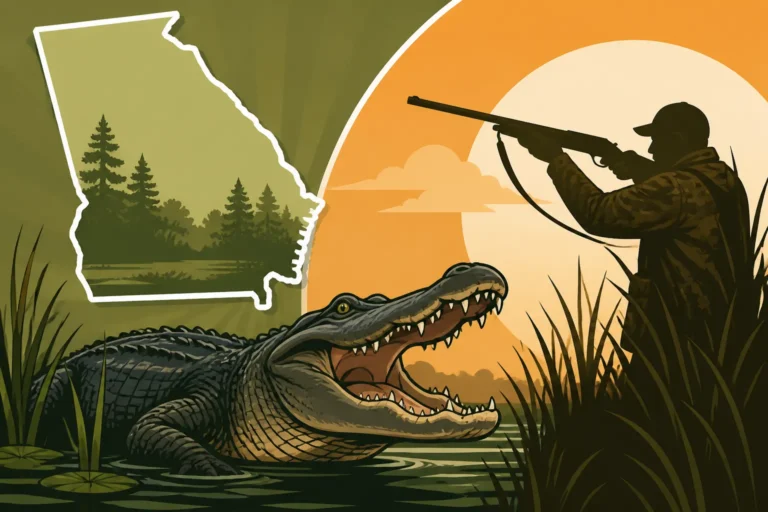
Wildlife biologists estimate hundreds of thousands of alligators live across Georgia, tracked using scientific surveys and harvest data.
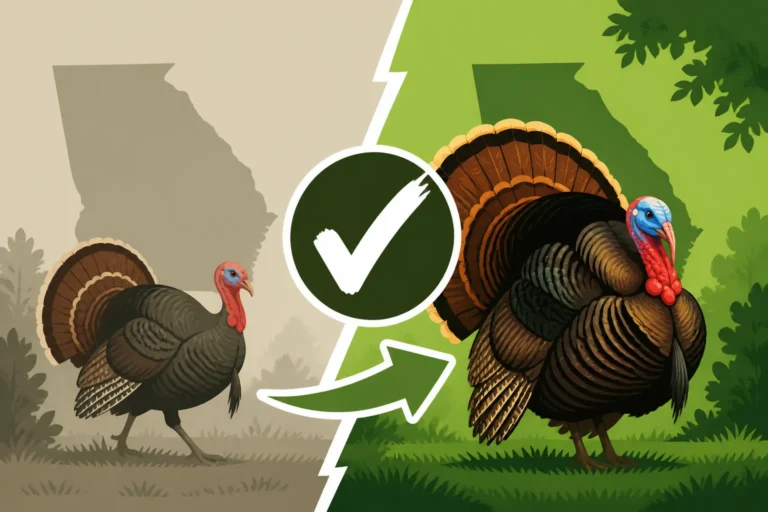
Georgia wildlife officials lowered the seasonal gobbler bag limit and delayed the public land season opener to protect wild turkey populations.
Georgia turkey hunters learn record book scoring formulas, weight thresholds, and official trophy documentation databases.
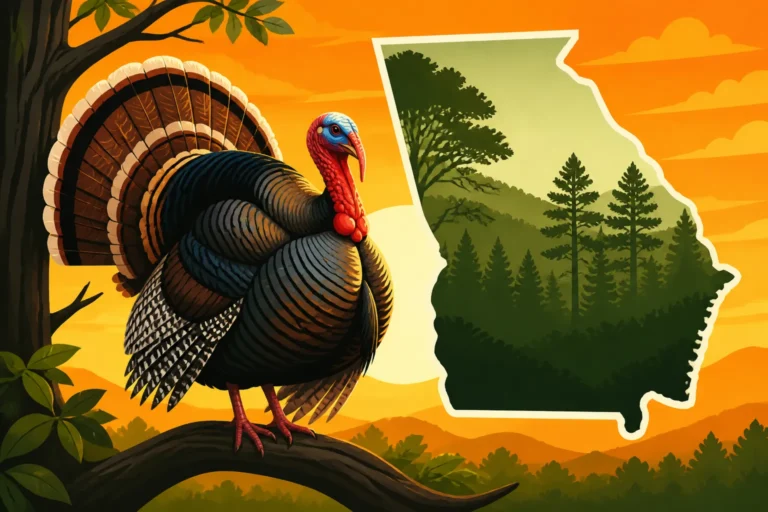
Georgia turkey hunters learn roosting behavior, prime habitats, and scouting strategies to locate gobblers in diverse landscapes.
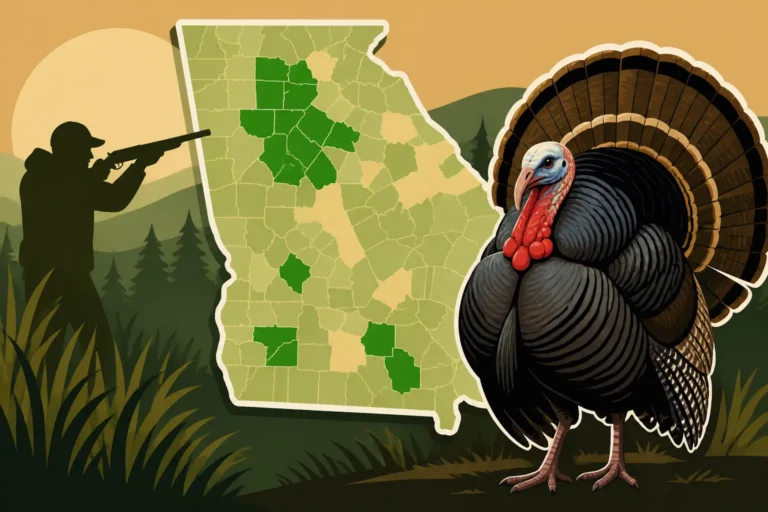
Georgia wild turkey populations across various counties, explaining habitat factors, public land access, and population trends for hunters.
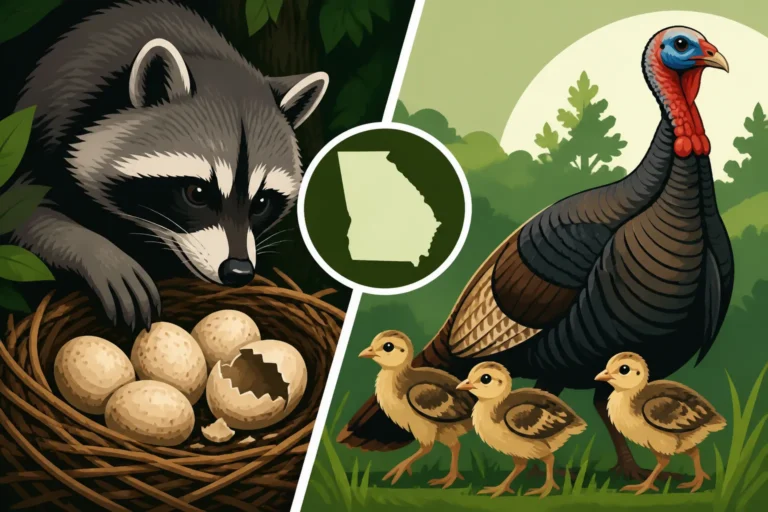
Nest predation by raccoons, snakes, and feral hogs limits wild turkey hatches and reduces poult survival rates across Georgia.
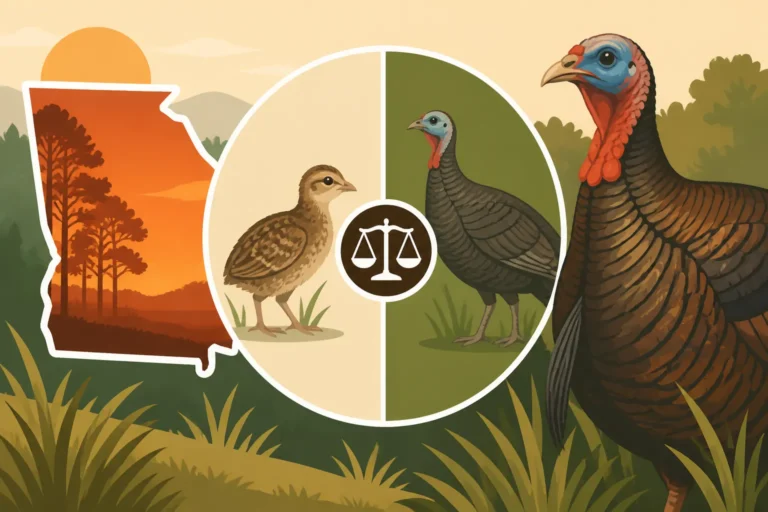
Poult-to-hen ratios track wild turkey reproductive success and explain Georgia population swings using late summer brood surveys.