How Many Black Bears Georgia Has
Georgia black bear population estimates, counting methods, and regional zones are explained by wildlife biologists using science and fieldwork.
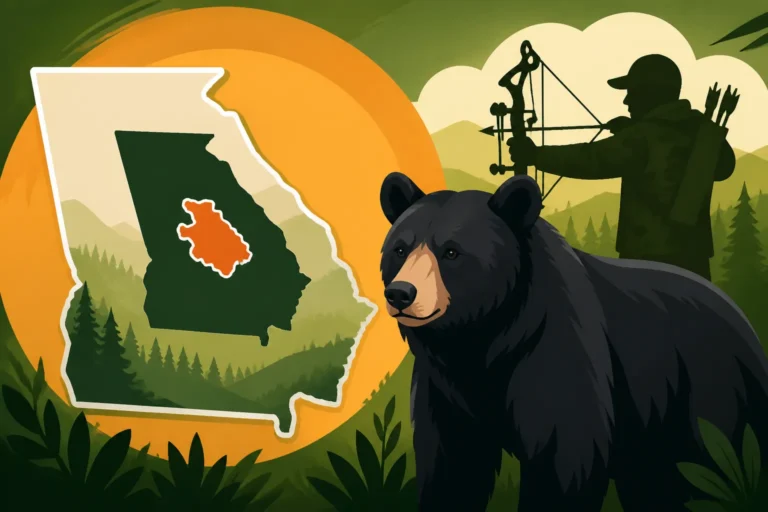
Georgia black bear population estimates, counting methods, and regional zones are explained by wildlife biologists using science and fieldwork.
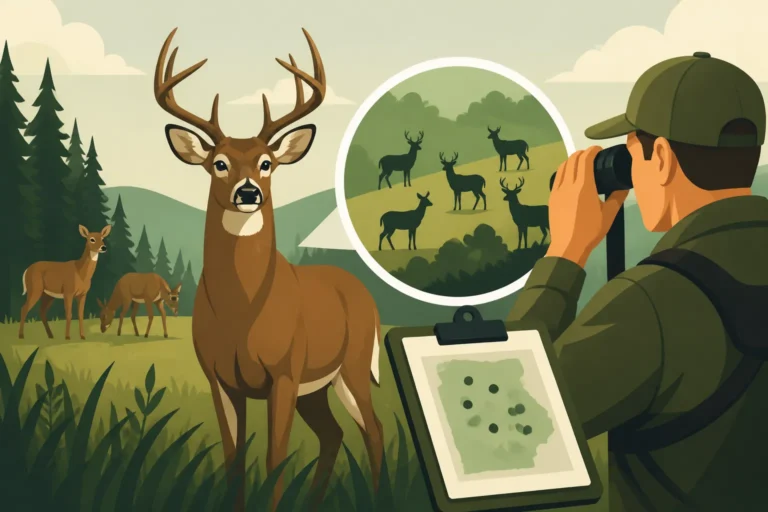
Georgia Department of Natural Resources population estimation methods reveal white-tailed deer herd health, density, and trends across the state.
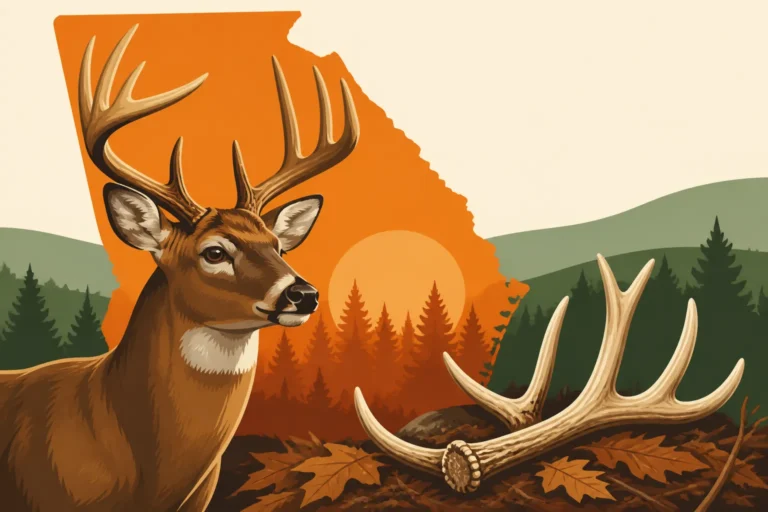
Georgia deer shed their antlers from late January through March as testosterone levels drop after the breeding season ends.
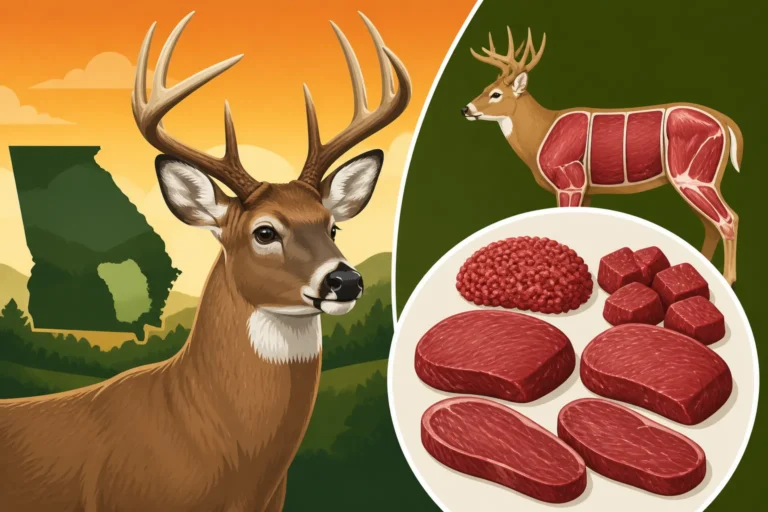
Deer meat yield falls through several stages from live weight to boneless cuts, and a buck’s size in the field does not predict what ends up in the freezer.
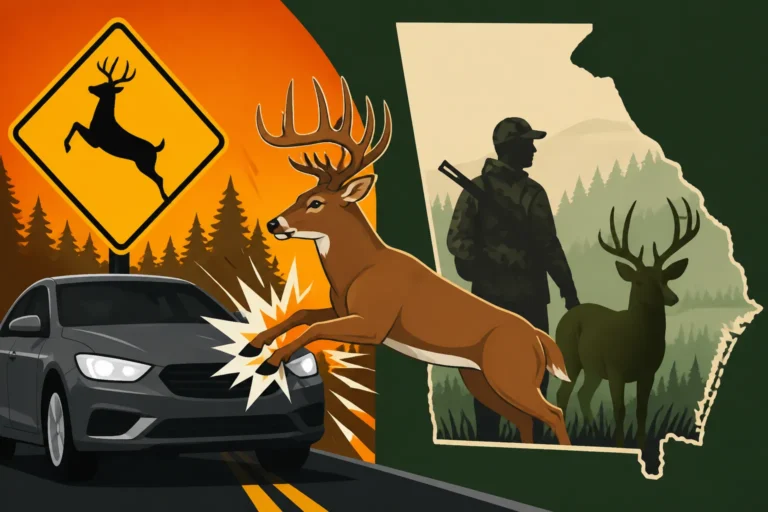
Georgia deer vehicle collisions peak at dawn and dusk, especially during fall, involving seasonal risks and hazardous rural roadways.
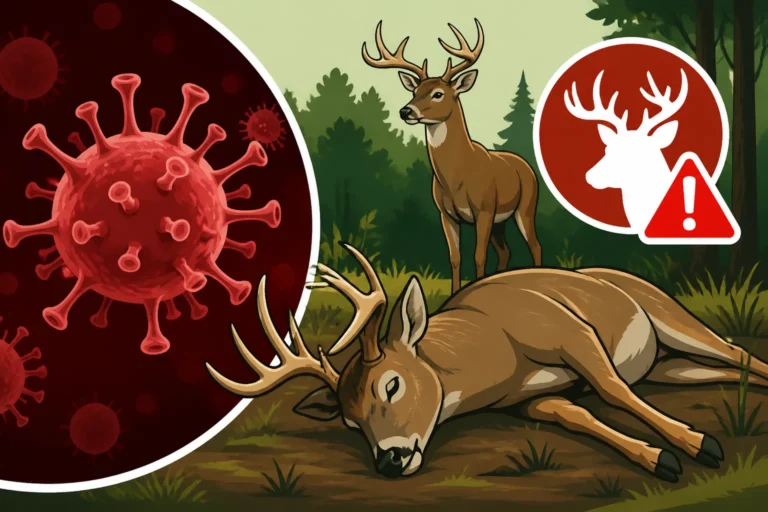
Epizootic Hemorrhagic Disease viral outbreaks spread by biting midges cause severe white-tailed deer die-offs across Georgia.
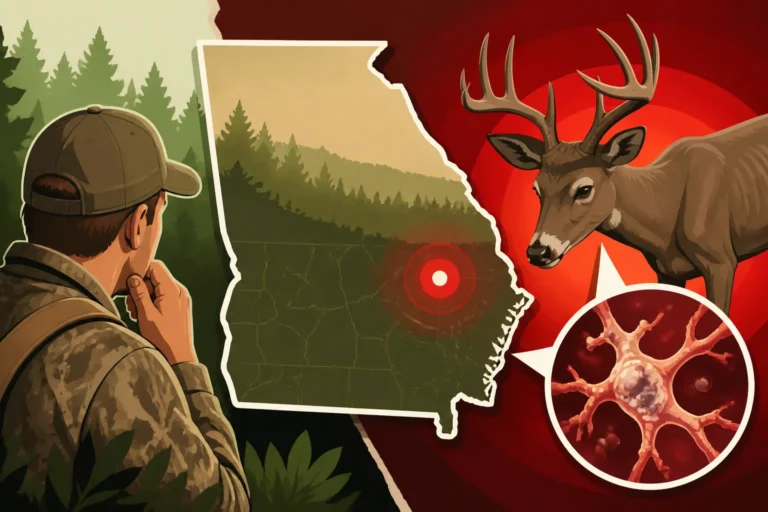
Chronic Wasting Disease detection in Georgia was delayed by slow incubation prions, diagnostic tissue testing limits, and vast terrain.
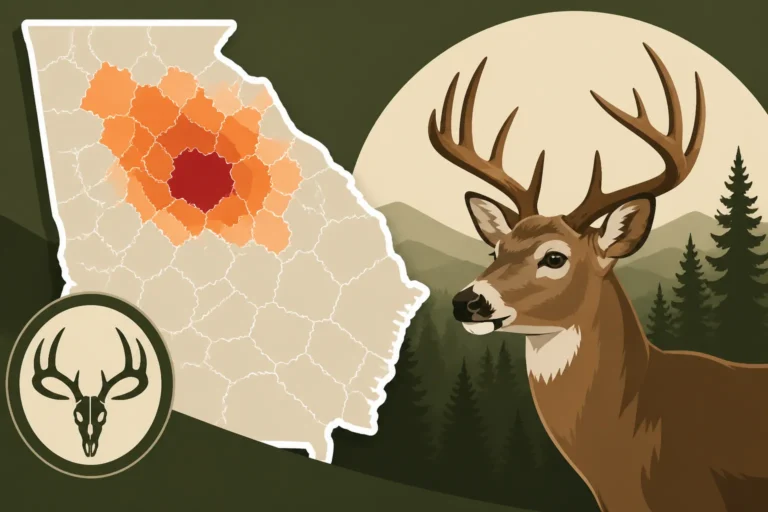
Chronic Wasting Disease prevalence in Georgia management areas affects deer herd health and requires new hunting regulations.
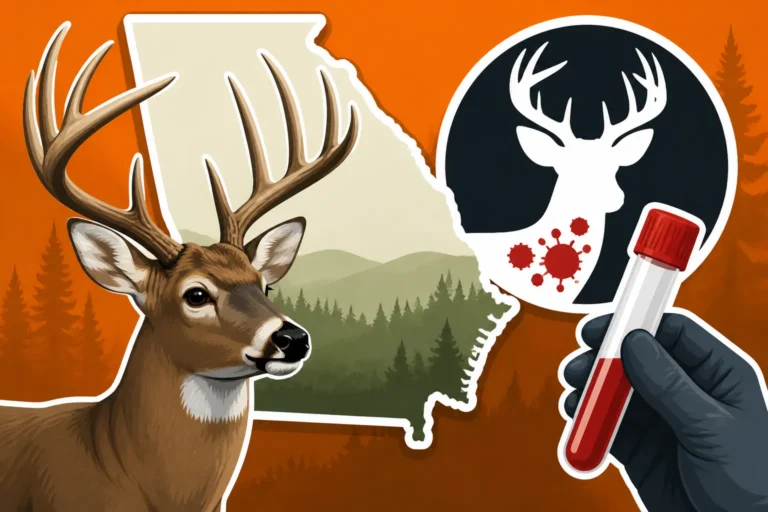
Georgia deer testing positive for chronic wasting disease remain limited, with the initial confirmed case found in Early County.
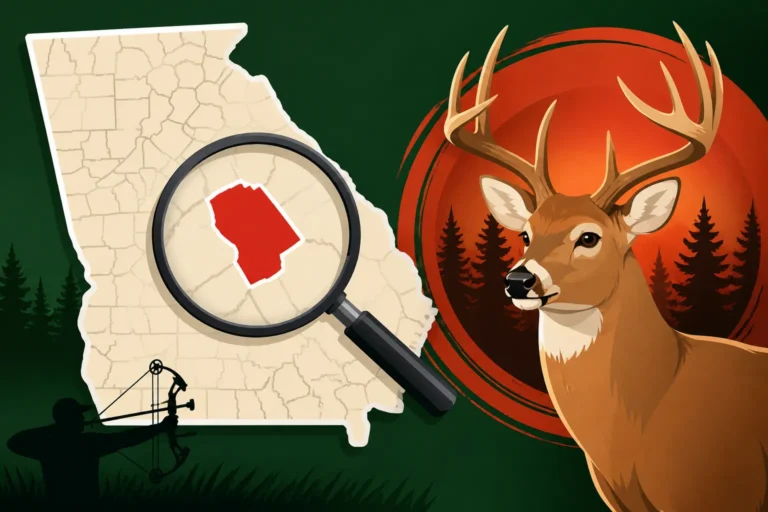
Early County recorded the first confirmed wild deer case of Chronic Wasting Disease in Georgia, identified by the Department of Natural Resources.