North Georgia Mountain Trout Stream Corridors
There's a unique magic to hunting in North Georgia's mountain trout stream corridors, but it comes with its own set of challenges. The rugged terrain, dense vegetation, and ever-present water sources create a distinct habitat that requires specific knowledge and tactics. This guide will help you understand these complex ecosystems, identify the game that thrives there, navigate the tricky landscape, and set yourself up for a successful and safe hunting experience amidst the stunning beauty of Georgia's mountains.
The Unique Ecology of North Georgia's Trout Stream Corridors
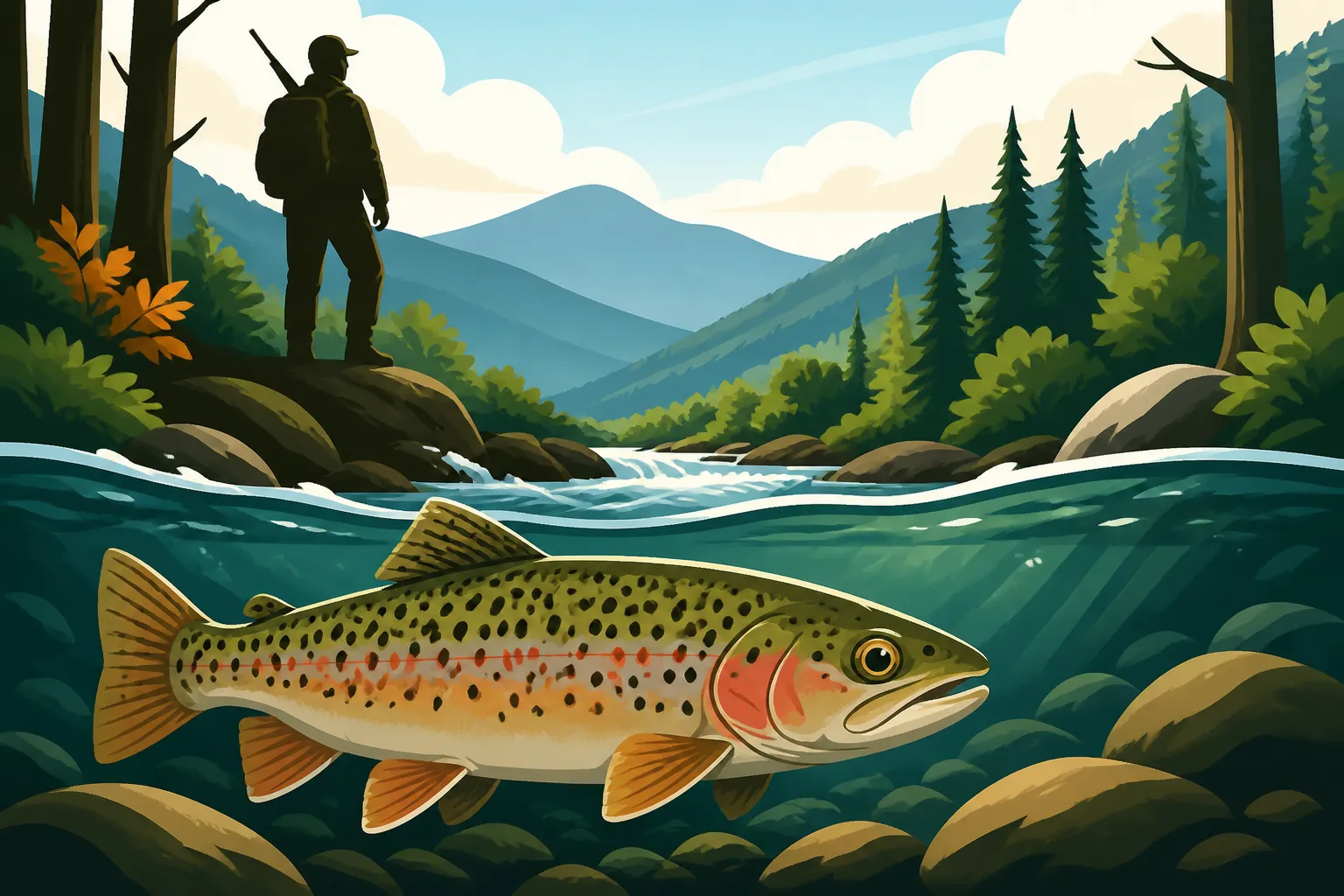
When we talk about trout stream corridors in North Georgia, we're not just talking about the stream itself. We're referring to the entire riparian zone – the land adjacent to and influenced by the stream. This includes the water, the banks, the undergrowth, and the surrounding slopes that funnel down into these cool, moist environments. These areas are ecological magnets, drawing in wildlife due to the consistent water supply, varied vegetation, and natural travel routes.
Understanding Riparian Zones and Their Features
These corridors are typically characterized by steep, heavily wooded slopes leading down to rocky, clear-running streams. The soil here is often richer and more moist than the surrounding uplands, supporting a different array of plant life. Think thick rhododendron and mountain laurel thickets forming impenetrable walls, interspersed with mature hardwoods like oaks, poplars, and maples that line the banks. These features create natural hiding spots and bedding areas for deer, provide cover for turkeys, and offer a bounty of food sources throughout the year. The consistent water flow keeps temperatures cooler in summer and offers some thermal regulation in winter, making them attractive havens for many species. Understanding how these elements combine is key to predicting game movement.
How Water Shapes Wildlife Movement and Habitat
Water is life, and in these mountain environments, trout streams are the arteries. Not only do they provide drinking water, but they also create natural travel corridors for game, especially where the surrounding terrain is extremely steep or rocky. Deer will often follow stream beds or parallel trails along the banks to move between bedding and feeding areas. Bears frequently travel these damp, food-rich areas, foraging for berries, nuts, and insects. Turkeys might use the open edges for dusting or foraging, especially where the undergrowth is less dense. Furthermore, the constant moisture encourages lush growth of ferns, mosses, and soft mast plants, providing critical browse and cover that might be scarcer on drier ridge tops. A hunter who can "read" the water and its immediate surroundings will unlock many secrets of animal movement.
Game Species That Thrive in Trout Stream Corridors
The rich, diverse environment of North Georgia's trout stream corridors supports a variety of game species. While trout fishing is a primary activity here, don't overlook the hunting potential for other animals that rely on these unique habitats. Understanding which animals frequent these areas and why is crucial for successful hunting.
Deer Movement and Bedding Near Water
Deer, particularly whitetails, are incredibly drawn to these stream corridors. The reliable water source is a constant draw, especially during dry spells or hotter months. Furthermore, the dense undergrowth provided by rhododendron and mountain laurel thickets along the banks offers excellent thermal cover and bedding opportunities. Bucks will often bed down on points or benches overlooking the stream, giving them an advantage to see or smell approaching danger. Does and fawns will also utilize these areas for protection and sustenance. During the rut, these corridors can become natural funnels, as bucks travel these easier routes in search of does. I've often found fresh scrapes and rubs along the edges of these streams, particularly on small benches or saddles just above the water line, indicating active buck travel. Hunters should pay close attention to trails that parallel the stream, as these are frequently used travel routes. To learn more about how deer navigate these areas, check out Reading a Ridge for North Georgia Deer.
Bears and Turkeys Utilizing Riparian Areas
Black bears are common residents of North Georgia's mountains, and trout stream corridors are prime real estate for them. Bears are always on the lookout for food, and these moist environments often provide a bounty of berries, acorns, and other soft mast that falls near the water. They'll also use the dense cover for travel and to escape pressure. You might find claw marks on trees or scat along the stream banks, indicating recent bear activity. While you might not be hunting directly in the water, understanding their use of these corridors is vital, especially if you're pursuing other game during bear season.
Wild turkeys, too, make good use of these areas, though their patterns can be a bit more nuanced. They'll often roost in tall trees along stream banks, particularly on slopes where they can fly down into a more open area to begin foraging. During the day, they might work their way along the stream edges, pecking for insects, seeds, and small invertebrates. The dense cover provides safety from aerial predators, and the varied plant life offers a buffet. Knowing Georgia Spring Turkey Season Rules can help you time your hunts effectively, as finding active scratchings or dusting bowls near a stream can be a golden ticket to locating a gobbler.
Small Game and Other Wildlife Observations
Beyond deer, bears, and turkeys, these corridors are bustling with other wildlife. Squirrels and rabbits are abundant, finding ample food and cover in the diverse vegetation. The presence of these smaller animals can often be a good indicator of overall habitat health and can also provide opportunities for small game hunting. Raccoons, opossums, and even bobcats are frequently seen or their sign found along these streams, attracted by the water and the abundance of prey. Observing these smaller creatures can give you valuable insights into the food chains and general activity patterns within the corridor. Keep an eye out for tracks in the soft mud along the banks – they tell a story of who's been passing through.
Accessing and Navigating Trout Stream Corridors
Hunting in North Georgia's mountain trout stream corridors presents unique challenges for access and navigation. Unlike flat agricultural fields, this terrain is unforgiving and requires careful planning and a good understanding of both the land and your capabilities.
Public Land Access and Regulations
Much of North Georgia's prime trout stream habitat lies within public lands, primarily the Chattahoochee National Forest and various Wildlife Management Areas (WMAs). While this offers incredible hunting opportunities, it also means adhering to specific regulations. Always check the Georgia Department of Natural Resources (DNR) website or the "Go Outdoors Georgia" app for the most current rules and season dates for the specific WMA or National Forest section you plan to hunt. Georgia WMA Access Stamp Requirement is usually necessary for WMAs, and general hunting licenses are, of course, a must. Remember that these areas can be popular with hikers, anglers, and other outdoor enthusiasts, so always practice extreme caution and maintain situational awareness.
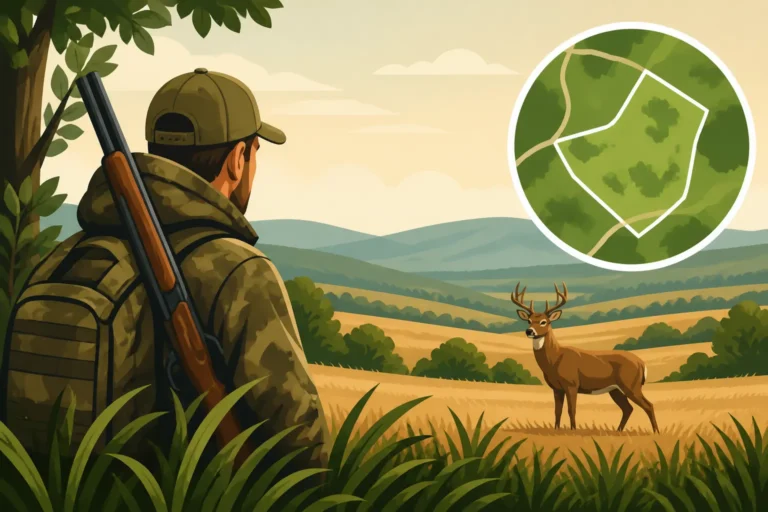
Using mapping tools like onX Hunt is absolutely invaluable here. Before you even set foot on the mountain, an app like onX Hunt can be your best friend, helping you identify public versus private land boundaries, pinpoint access points, and study the topography in detail. It allows you to mark potential bedding areas, water crossings, and natural funnels, helping you formulate a game plan before you leave the house. This kind of preparation can save you hours of aimless wandering and ensure you're hunting legally on public land.
Navigating Rugged Terrain and Water Crossings
The terrain in these corridors is often steep, rocky, and can be incredibly slick, especially after rain. You'll encounter dense rhododendron and mountain laurel thickets that can be almost impenetrable, forcing you to find alternative routes. Planning your approach and exit routes is paramount. Don't be afraid to take your time; rushing through this kind of country is a recipe for a twisted ankle or worse.
Water crossings are an inevitable part of hunting these areas. While some streams might be narrow enough to jump, others will require wading. Always assess the depth and current before attempting a crossing. Treacherous rocks, slick bottoms, and swift currents can be dangerous. Consider bringing trekking poles for stability, and make sure your footwear is up to the task – waterproof and with excellent grip. It's not uncommon to get your feet wet, so having dry socks or a plan for drying out is essential, especially on colder days. Being prepared for these constant challenges is part of the adventure.
Effective Hunting Strategies and Gear for Mountain Streams
Hunting success in North Georgia's trout stream corridors hinges on employing the right strategies and being equipped with gear that can withstand the demanding environment. This isn't a place for casual strolls; it's a place for intentional movement and robust equipment.
Still-Hunting and Ambush Tactics
Still-hunting is often one of the most effective strategies in these dense, rugged environments. It involves moving slowly and deliberately, pausing frequently to observe, listen, and scan your surroundings. The sound of running water can mask your movements, but it can also mask the movements of game, so heighten your other senses. Focus on areas where game trails cross the stream, where benches and saddles meet the riparian zone, or where significant mast crops are present. When you find fresh sign, slow down even further. Look for subtle movements, listen for the snap of a twig, and be ready to raise your weapon.
Ambush tactics can also be highly productive, especially during the rut or in known feeding areas. This might involve setting up a ground blind or a portable treestand near a heavily used trail or a crossing point. Before setting up, it's crucial to understand the prevailing wind patterns. In mountainous terrain, thermals play a significant role. Warm air rises in the morning, and cool air sinks in the evening. This means your scent can be carried uphill in the morning and downhill in the evening. Positioning yourself to account for these thermals is critical. For more on this, consider reading Wind and Thermals on a Mountain Ridge. Look for small clearings or slightly more open areas where visibility is better, as these corridors can often be too thick for long shots.
Essential Gear for the Mountain Stream Hunter
Your gear choices can make or break a hunt in these challenging areas. Footwear is paramount: invest in sturdy, waterproof hiking boots with excellent ankle support and aggressive tread. You'll be traversing uneven, rocky, and often wet terrain, so preventing slips and protecting your feet is critical. Many hunters opt for high-quality snake boots, even in the mountains, as venomous snakes can be found in rocky, stream-side habitats.
Layered clothing is another must. Temperatures in the mountains can fluctuate wildly, from chilly mornings to warm afternoons, and a sudden rain shower is always a possibility. Start with a moisture-wicking base layer, add an insulating mid-layer, and finish with a waterproof and windproof outer shell. Lightweight layering allows you to adjust to changing conditions without overheating or getting cold. For gear ideas suitable for warmer early season hunts, refer to Lightweight Layering for Warm-Weather Sits.
Beyond clothing, a reliable pack is essential to carry water, snacks, first-aid supplies, and your game if successful. A good pair of binoculars is vital for spotting game in dense cover. A rangefinder can be helpful for those moments when a shot presents itself across a tricky ravine or stream bed. A headlamp or flashlight is non-negotiable for early morning hikes in or late evening hikes out. And, of course, always carry a compass or a GPS device (like your phone with onX Hunt or similar mapping app) to navigate. It's easy to get disoriented in the winding, dense terrain.
Utilizing Technology for Better Scouting and Navigation
In today's hunting world, technology is a powerful ally, especially in complex environments like North Georgia's trout stream corridors. Gone are the days of relying solely on paper maps, though carrying one as a backup is always a good idea. Modern mapping applications, such as onX Hunt, provide satellite imagery, topographical lines, and public/private land boundaries right on your phone. This allows you to scout remotely, identify potential pinch points, food sources, and bedding areas without ever setting foot on the property. You can mark waypoints, track your movements, and even drop pins on fresh sign you find. This precision can be a huge advantage when navigating dense, unfamiliar territory.
Before your hunt, spend time "e-scouting" these corridors. Look for areas where feeder creeks enter the main stream, creating small deltas or slightly flatter ground that might attract game. Identify benches or small saddles along the slopes that lead down to the stream, as these can be natural travel corridors. Pay attention to changes in vegetation visible from satellite imagery, as these can indicate different habitat types or potential food sources. For example, a patch of mature oaks might be a hotspot for deer and bear during acorn drops. Using a platform like GoHunt, you might find valuable information on specific WMA details or even species-specific articles that apply to mountain hunting scenarios, helping you refine your strategy based on collective knowledge.
Safety and Ethical Considerations in Mountain Stream Hunting
Hunting in North Georgia's trout stream corridors offers incredible rewards, but it also demands a heightened sense of awareness and responsibility. The inherent dangers of the terrain, combined with the presence of other outdoor enthusiasts, necessitate a strong focus on safety and ethical conduct.
Staying Safe in Rugged and Remote Areas
The ruggedness of mountain stream corridors cannot be overstated. Falls are a significant risk due to steep slopes, slippery rocks, and dense undergrowth. Always maintain three points of contact when traversing difficult terrain, use trekking poles for added stability, and never take unnecessary risks. A small slip can turn into a serious injury far from help. Carry a well-stocked first-aid kit and know how to use its contents.
Weather can change rapidly in the mountains. A sunny morning can quickly turn into a cold, driving rain, leading to hypothermia risks even in warmer months. Always check the forecast, dress in layers, and be prepared for sudden changes. Carrying a way to start a fire for an emergency can be a lifesaver. Getting lost is another real danger, especially when following game or navigating through thick cover. Rely on your GPS device, compass, and map, and know how to use them. Before you head out, always tell someone your hunting plan, including your intended location and expected return time. This is non-negotiable.
Coexisting with Anglers and Other Outdoor Users
These trout stream corridors are multi-use areas. While you might be focused on deer or turkey, anglers are often targeting the very trout that give these streams their name, and hikers might be enjoying the scenic trails. It's crucial to be respectful and practice good outdoor etiquette. Wear blaze orange or blaze pink, even when not legally required for your specific hunting method, to maximize visibility to others. Knowing How Much Blaze Orange Georgia Requires can keep you safe and legal during firearms season.
Be mindful of your shots and always identify your target and what is beyond it. Avoid setting up directly on heavily trafficked trails or near popular fishing access points. If you encounter anglers or hikers, offer a friendly greeting and maintain a safe distance. Your presence as a hunter should not detract from their enjoyment of the outdoors. We are all stewards of these wild places, and demonstrating courtesy and professionalism reflects well on the entire hunting community. For details on hunting these specific mountain areas, delve into Hunting North Georgia Mountain Country.
Planning Your Hunt: Seasons, Species, and Strategy
A successful hunt in North Georgia's trout stream corridors begins long before you step foot in the woods. Careful planning, understanding the nuances of the seasons, and tailoring your strategy to the specific species you're after are all critical components.
Seasonal Considerations for Different Game
The timing of your hunt profoundly impacts your experience and success in these corridors. Early archery season, typically opening in September, can be hot and humid, requiring specialized gear for comfort and game care, like appropriate coolers and game bags. Deer are less pressured, but the dense foliage makes spotting challenging. The cool, damp stream bottoms can offer relief from the heat, making them attractive bedding areas.
As the season progresses into late October and November, falling leaves improve visibility, and cooler temperatures make hiking more pleasant. This is often when the peak rut occurs in Georgia, and bucks will be actively moving through these corridors, scent-checking for does. This period also often coincides with bear season in the North Georgia zones. Understanding Hunting the Georgia Rut in Mid-October is crucial for deer hunters.
Spring turkey season brings different challenges and rewards. Gobblers will often roost along these stream banks and fly down into adjacent slopes or clearings. The sound of running water can make pinpointing a gobbler's location tricky, but savvy callers can use this to their advantage, forcing the bird to come looking.
Matching Strategy to Target Species
Your strategy needs to be adaptable to the game you're pursuing. For deer, focusing on rub lines, scrape lines, and well-used trails that parallel the stream or cross it can be highly effective. Glassing clearings or less dense areas from an elevated position can help. For bears, look for signs of foraging, such as torn-up logs or berry bushes, and consider setting up near natural food sources. Bears often use the thick cover of the riparian zones for travel, especially in the mornings and evenings.
Turkeys require a more mobile approach, often involving calling and quickly setting up. Locating a roosted bird, then making a strategic move to set up between him and his likely fly-down area, is a common tactic. Pay attention to how the terrain funnels sound; a gobbler might sound closer than he actually is.
Regardless of the species, always scout thoroughly beforehand. Use maps to identify potential ambush points, travel corridors, and feeding areas. Pay attention to prevailing winds and thermals. The more you know about the area and the animals within it, the better your chances of success. A good starting point for understanding terrain and game movement is Scouting Georgia Public Land Before Season.
Table: Key Considerations for Hunting in North Georgia Trout Stream Corridors
To summarize some of the vital aspects we've covered, here’s a quick overview to help you visualize the different elements at play when planning a hunt in these unique Georgia habitats.
| Consideration | Key Aspects | Impact on Hunt |
|---|---|---|
| Terrain | Steep slopes, rocky ground, dense thickets | Demands physical fitness, proper footwear, slow movement |
| Water | Consistent source, natural travel routes, masking sounds | Attracts game, requires careful crossings, alters sound perception |
| Vegetation | Rhododendron, laurel, hardwoods, soft mast | Provides cover, food, bedding areas; limits visibility |
| Wildlife | Deer, bear, turkey, small game (squirrel, rabbit) | Diverse opportunities, requires species-specific tactics |
| Access | Chattahoochee National Forest, WMAs, public/private boundaries | Verify regulations, use mapping apps (e.g., onX Hunt) |
| Seasonality | Varies by species (archery, firearms, spring turkey) | Influences game behavior, foliage density, weather conditions |
| Safety | Falls, getting lost, weather, other users | Essential planning, first-aid, navigation, blaze orange |
| Strategy | Still-hunting, ambush, calling, e-scouting | Adapt to terrain and target species, utilize technology |
Disclaimer
This article is for general informational purposes only and does not constitute professional advice. Laws, prices and regulations vary by location and change over time. Consult a qualified professional for guidance on your specific situation.