Aging Venison in Warm Weather
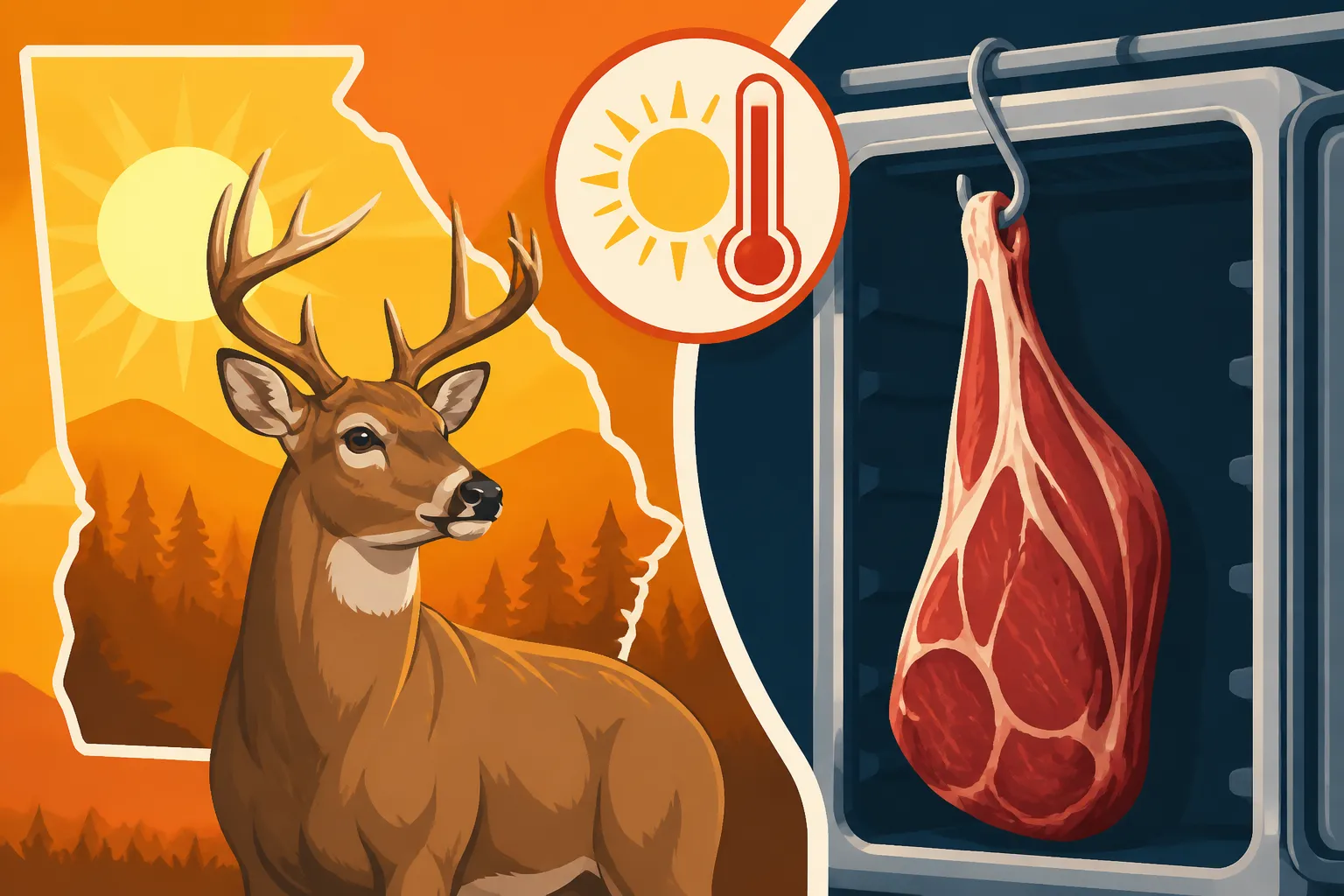
Few things are as satisfying as bringing home venison after a successful hunt, but the warm Georgia climate can make proper meat handling feel like a race against the clock. Many of us have experienced the stress of a warm harvest, wondering if our hard-earned venison will be as tender and flavorful as it should be. This guide will walk you through the essential steps and methods for aging your venison effectively, even when the thermometer insists on staying stubbornly high, ensuring your efforts in the field translate to delicious meals on the table.
Why Aging Venison Matters, Even in the Heat
You've put in the scouting, the time in the stand, and finally made a clean shot. Now, with the deer on the ground, the real work begins. While the instinct might be to get that meat into the freezer as fast as humanly possible, taking a moment to understand why aging is beneficial can drastically improve your final product. It's not just some fancy chef trick; it's a tried-and-true method for making wild game shine.
Understanding the Science Behind Aging
Aging venison is essentially a controlled decomposition process. Sounds a bit gross, right? But stay with me. Immediately after an animal is harvested, its muscles are tough and rigid, a state known as rigor mortis. Over time, natural enzymes within the muscle tissue begin to break down complex proteins and connective tissues. This enzymatic action is what transforms tough muscle fibers into tender, more palatable meat. Think of it like a natural tenderizer working from the inside out.
Beyond just tenderness, these enzymatic changes also contribute significantly to flavor development. The breakdown of proteins releases amino acids, which are flavor precursors, leading to a richer, more complex taste profile. When done correctly, aging enhances the natural, earthy flavors of venison, making it less "gamey" to some palates and more deeply satisfying. Without this process, even the leanest deer can result in chewy steaks and roasts that lack depth.
The Benefits: Tenderness and Flavor
The primary benefits of aging are twofold: increased tenderness and enhanced flavor. When you cut into an unaged piece of venison, you'll often notice it's much tougher, requiring more chewing. This is because the muscle fibers are still tightly bound. Properly aged venison, however, will yield more easily to the knife and the tooth, providing a more pleasant dining experience. This is especially true for older deer, where the connective tissues are more developed and benefit greatly from enzymatic breakdown.
Flavor-wise, aging allows the venison to develop its full potential. The subtle, savory notes become more pronounced, and the sometimes metallic or "bloody" taste often associated with unaged wild game can mellow out. Imagine a fine cut of beef from a reputable butcher; chances are, it's been aged for days, if not weeks, to achieve that signature taste and texture. We can apply the same principle to our venison, elevating it from mere protein to a culinary delight. For hunters who take pride in providing high-quality meat for their families, mastering aging is a crucial step.
The Challenges of Warm Weather Aging in Georgia
Let's be honest, Georgia's warmth is a blessing for most of the year, but it can be a real headache when it comes to game processing. The mild falls and even sometimes warm early winters make traditional "hang and age" methods, often seen in colder climates, incredibly risky. We're not dealing with Montana temperatures here; we're often fighting conditions that bacteria absolutely love.
The Fight Against Bacterial Growth
The golden rule for meat safety is simple: keep it cool. Bacteria, the invisible enemy, multiply rapidly in temperatures above 40°F (4°C) and below 140°F (60°C). This range, often referred to as the "danger zone," is exactly where Georgia's ambient temperatures frequently fall during hunting season, especially during the early When Georgia's Archery Season Opens or even Hunting the Rut in Mid-October. If you leave a deer carcass hanging in 60°F weather, you're essentially creating a perfect incubator for spoilage organisms. This is why quick, efficient cooling after the shot is paramount.
The moment a deer hits the ground, the clock starts ticking. Blood, gut contents, and external dirt all introduce bacteria to the meat. If these bacteria are allowed to proliferate due to insufficient cooling, they will quickly degrade the meat, leading to off-flavors, odors, and ultimately, spoilage. Unlike the beneficial enzymes that break down muscle for tenderness, these spoilage bacteria produce undesirable compounds that can make the meat unsafe to eat. This immediate concern is why many Georgia hunters feel pressured to process their deer almost immediately, skipping the aging process entirely out of fear of spoilage.
Humidity: An Unseen Enemy
Beyond just temperature, Georgia's notorious humidity adds another layer of complexity. High humidity means more moisture in the air, which can contribute to surface bacterial growth on an unskinned carcass or cut meat. In drier, colder climates, the surface of an aging carcass can form a protective "pellicle"—a hardened, dried layer that helps inhibit bacterial penetration. In humid Georgia, this pellicle formation is much harder to achieve naturally. Instead, a damp surface can become a breeding ground for mold and bacteria, especially if there isn't ample airflow.
This high moisture content in the air also makes it harder to effectively dry-age meat, as the meat's surface struggles to dry out sufficiently without external intervention. If you attempt to hang a skinned quarter in a humid garage, for instance, you're more likely to end up with slimy, spoiled meat than a beautifully aged cut. This environmental factor is a significant reason why precise control over temperature and humidity is crucial for successful warm-weather aging.
Lack of Ideal Facilities
Let's face it, most of us aren't equipped with commercial-grade walk-in coolers in our backyards. Hunters in colder regions might simply hang their deer in an unheated garage or barn for a few days, relying on Mother Nature to provide the perfect aging conditions. That's just not a realistic option for most of Georgia's deer season. Relying on a standard home refrigerator is also challenging, as a whole deer or even large quarters can quickly overwhelm its capacity and temperature stability.
Many hunters resort to butchering their deer almost immediately after harvest, cutting it into manageable pieces and freezing it without any aging. While this is certainly safe and prevents spoilage, it often sacrifices the potential for a more tender and flavorful end product. The lack of controlled, cool environments accessible to the average hunter means we need to get a bit more creative and strategic in how we approach aging venison in our specific Georgia conditions. Using resources like the GoHunt app for planning can even help identify optimal conditions or local processors that might offer aging services.
Practical Methods for Aging Venison When It's Hot
When you’re hunting Georgia, especially during those notoriously mild periods, you simply can’t rely on hanging a deer in the shed for a week like folks up north might. You need a plan, and that plan starts the second your game is down. There are several practical, effective ways to age venison even when it’s warm, but they all hinge on one critical factor: rapid and consistent cooling.
Field Dressing and Initial Cooling: The Absolute First Step
The most crucial step in warm weather, even before you consider aging, is getting that deer field-dressed and cooled down immediately. This isn't just about aging; it's about meat preservation itself. Once a deer is down, the internal body temperature is still very high, and coupled with ambient Georgia heat, it creates a bacterial paradise.
As soon as possible, you need to Field Dressing a Deer in Warm Weather. This removes the internal organs, which are a major source of heat and bacteria. If you can, get some ice into the body cavity. Many hunters carry a few gallon jugs of frozen water or a bag of ice specifically for this purpose. Pack the cavity full. This direct internal cooling starts bringing the core temperature down rapidly. After field dressing, get the animal out of direct sunlight and into the coolest possible environment—the bed of your truck under a tarp, if nothing else is immediately available, but ideally into an air-conditioned space or a walk-in cooler. This immediate attention to cooling dramatically reduces bacterial growth and buys you time to consider your aging options.
The "Dry Age" Method: Refrigeration is Key
Dry aging is what most people picture when they think of aging meat: hanging a large cut in a controlled environment. For warm weather in Georgia, this means a dedicated refrigerator or cooler where you can maintain a consistent temperature between 34-40°F (1-4°C) and a humidity level that allows the surface to dry slightly without molding. This method is fantastic for flavor and tenderness, but it requires space and precision.
Here's how it generally works for venison quarters:
- Break Down the Carcass: After initial cooling, skin and quarter the deer. Separate the major muscle groups if space is tight.
- Cleanliness is Paramount: Ensure all blood clots, hair, and dirty bits are trimmed off. Wipe the meat clean with a damp cloth if necessary, but avoid washing it directly with water, as this can introduce more moisture and bacteria.
- Controlled Environment: Place the quarters or large cuts on racks in a clean refrigerator. Airflow is crucial, so don't stack them directly on top of each other. A small fan can help circulate air and promote pellicle formation, but be careful not to dry the meat out too much.
- Monitor Temperature and Humidity: A thermometer/hygrometer inside the fridge is essential. Aim for 34-40°F. If your home fridge struggles to maintain this with a lot of warm meat, you might need a dedicated smaller fridge or even a large, well-insulated cooler with ice (but that requires frequent ice changes and draining).
- Duration: For venison, 3-7 days is often sufficient for noticeable tenderness and flavor improvement. Some brave souls go longer, but in warm climates, it's safer to stick to shorter periods unless you have a truly professional setup. You will lose some weight due to moisture evaporation and trimming of the dried outer layer, which is normal for dry aging.
This method can be incredibly effective, but it definitely needs a keen eye and consistent temperature. GoHunt might list local processors that have the facilities for this, if you're not able to do it yourself.
The "Wet Age" Method: Vacuum Sealing for Success
Wet aging is a much more practical and safer option for many Georgia hunters, especially those without a dedicated aging fridge. This method relies on vacuum sealing individual cuts of meat. The enzymes still work their magic, but the meat is protected from external bacteria and dehydration.
Here's the rundown for wet aging:
- Rapid Cooling and Butchering: Just like dry aging, get the deer cooled down quickly. Then, process it into the cuts you intend to cook – steaks, roasts, stew meat. Make sure your hands and workspace are impeccably clean during this process. For tips on processing, check out Butchering a Deer at Camp.
- Vacuum Seal: Immediately vacuum seal the individual cuts. Ensure a tight seal with no air pockets. The absence of oxygen inside the bag slows down the growth of aerobic spoilage bacteria.
- Refrigerate: Place the vacuum-sealed packages in your regular home refrigerator. The stable, cool environment (again, 34-40°F is ideal) allows the enzymatic breakdown to occur safely.
- Duration: Wet aging can be done for 7-14 days, sometimes even longer, without significant moisture loss. Keep an eye on the packages for any signs of swelling (indicating gas-producing bacteria) or off-odors when you finally open them.
- Minimal Trim: One of the big advantages of wet aging is that you don't lose as much meat to trimming a dried-out exterior. All the moisture stays in the bag, keeping the meat plump.
This method is arguably the most accessible and safest for hunters in warm climates. Just remember that proper Coolers for a Warm September Kill are essential for getting the meat home and initially cooled before you even get to the vacuum sealer. You can also explore options for Game Bags for Warm October Days for initial transport.
Using Specialized Aging Bags
A fantastic middle-ground solution for dry aging in a home refrigerator are specialized breathable aging bags, like those from UMAi Dry or similar brands. These bags are designed to create a microclimate around the meat, allowing moisture to escape slowly while blocking external bacteria and mold. They act as a permeable membrane.
To use them:
- Prepare the Meat: As with dry aging, skin and quarter the deer. Trim off any excessively bloody or dirty areas. You'll want large, intact cuts, typically quarters or primal sections.
- Seal in Bag: Place the meat into the specialized aging bag and use a vacuum sealer to create a tight seal, drawing out as much air as possible. These bags require a specific technique to get a good seal, often needing a piece of material from the bag rolled inside the opening to create a channel for air to be drawn out.
- Refrigerate on Rack: Place the bagged meat on a wire rack in your coldest refrigerator, ensuring good airflow around it.
- Monitor: The bag protects the meat while allowing it to dry age. You'll typically see a firm, dry "pellicle" form on the meat's surface through the bag.
- Duration: Similar to traditional dry aging, 7-14 days is common for venison. When you're ready to butcher, you'll simply cut away the dry, crusty outer layer of the meat (and the bag with it), revealing beautifully aged, tender venison underneath.
These bags are a game-changer for home processors wanting to dry-age safely in less-than-ideal environmental conditions. They mitigate the humidity challenge by creating their own controlled microenvironment.
Commercial Processing Facilities
Sometimes, the best solution when dealing with warm weather and a lack of dedicated facilities is to let the pros handle it. Many local processors across Georgia offer venison processing services, and some will have walk-in coolers where they can properly age your deer.
When opting for a commercial processor:
- Act Fast: Still, field dress and cool your deer immediately. Get it to the processor as quickly as you can, preferably within a few hours of harvest.
- Communicate: Discuss your aging preferences with the processor. Ask if they offer aging services, what their standard aging period is, and what their cooler temperatures are. Be clear about your expectations for Georgia Deer Camp Traditions or specific cuts.
- Costs: There will be a fee, of course, but it often includes skinning, butchering, packaging, and sometimes even a short aging period. For many, the peace of mind and convenience are well worth the cost. This is a perfect scenario where searching on GoHunt for local processors and checking their services could save you a lot of headache.
- CWD Concerns: If you're hunting in or near Georgia's Chronic Wasting Disease Management Area, make sure to ask the processor about their CWD protocols and if they offer testing. Proper handling of meat from these areas, as outlined in Handling Venison From a CWD Management Area, is critical.
| Method | Temperature Range | Humidity Control | Equipment Needed | Time Frame (Venison) | Pros | Cons |
|---|---|---|---|---|---|---|
| Dry Aging | 34-40°F (1-4°C) | Moderate to Low | Dedicated fridge/cooler, racks, fan, thermometer/hygrometer | 3-7 days | Excellent flavor development, superior tenderness | Requires specific equipment, space, weight loss from trimming, high spoilage risk if not controlled |
| Wet Aging | 34-40°F (1-4°C) | Not required | Vacuum sealer, bags, home fridge | 7-14+ days | Less meat loss, safer for home, easier to manage, good tenderness | Flavor development less pronounced than dry aging, potential "bag smell" upon opening |
| Aging Bags | 34-40°F (1-4°C) | Controlled by bag | Specialized bags, vacuum sealer, home fridge, racks | 7-14 days | Combines benefits of dry age with home fridge safety | Requires specific bags and sealing technique, some trim loss |
| Commercial Processor | Varies (professional) | Varies (professional) | Professional facility | Varies (ask processor) | Convenient, professional results, minimal effort from hunter | Cost, availability, potentially less control over specifics |
Signs of Properly Aged vs. Spoiled Meat
Knowing the difference between properly aged venison and meat that has gone bad is absolutely critical for food safety and preventing disappointment. You’ve put in all this effort, so let’s make sure you know what to look for at the finish line. Trust your senses: sight, smell, and touch are your best guides.
What Good Aged Venison Looks and Smells Like
When you're dealing with dry-aged venison, whether it's been in a dedicated setup or a specialized bag, you'll notice a few distinct characteristics. The outer layer of the meat will often appear darker, drier, and almost crusty. This is the "pellicle" we talked about – a protective layer formed by dehydration. It might even look a little discolored or slightly greenish-brown in places, which can be alarming to the uninitiated, but it’s often superficial and will be trimmed away. The meat itself, once you trim off that outer layer, should be a deep, rich red color.
The smell is where properly aged meat truly distinguishes itself. Instead of a strong, metallic, or bloody scent, you should detect a pleasant, slightly nutty, earthy aroma. It might remind you a bit of a well-aged steak from a high-end butcher shop. It should not smell sour, rancid, or like ammonia. The texture, once trimmed, will be firm but also have a subtle give, indicating the breakdown of connective tissue. This is the good stuff, the reward for your patience and careful handling.
For wet-aged venison, the appearance will be different because it hasn’t been exposed to air. The meat will still be a vibrant red, and it might have a slight moisture or "purge" in the vacuum seal bag. When you open the bag, there might be a faint, slightly sour or metallic smell, sometimes called "bag smell," due to the anaerobic environment. Don't panic immediately. This smell should dissipate within 10-15 minutes of being exposed to fresh air. If it doesn't, or if it's overwhelmingly foul, then you have a problem. After airing out, the meat should have that familiar fresh venison scent, perhaps a little more subdued than unaged meat, but definitely clean and appetizing.
Recognizing Spoilage and When to Discard
This is where you need to be absolutely ruthless. If in doubt, throw it out. Your health and that of your family are not worth risking for a few pounds of venison. Spoilage cues are usually quite clear, and it’s important to trust your instincts.
Here are the red flags for spoiled venison:
- Pungent, Foul Odor: This is the most obvious sign. If the meat smells strongly sour, like ammonia, sulfur (rotten eggs), or overtly rancid, it's spoiled. This is different from the faint "bag smell" of wet-aged meat that quickly dissipates. A persistent, unpleasant smell is a definite no-go.
- Slimy or Tacky Texture: Good meat is firm and slightly moist, but not slimy. If the meat feels sticky, slick, or excessively slimy to the touch, it indicates heavy bacterial growth on the surface.
- Discoloration Beyond Normal Aging: While dry-aged meat can have a dark outer crust, any splotchy green, fuzzy black, or bright yellow/orange discoloration deep within the meat (not just superficial) is a sign of spoilage. For wet-aged meat, any graying or greening that doesn't resolve with airing out is problematic.
- Swelling in Vacuum Bags: If your vacuum-sealed wet-aged packages swell up like a balloon, it means gas-producing bacteria are actively working inside. This is a clear sign of spoilage, and the meat should be discarded immediately.
- Unusual Tenderness: While aging increases tenderness, meat that is overly mushy or falls apart abnormally easily might be a sign of advanced bacterial degradation, rather than beneficial enzymatic action.
It’s always better to err on the side of caution. Even if only a small portion of a larger cut shows signs of spoilage, it's generally best to discard the entire piece, as bacteria can spread rapidly. When dealing with precious venison, the desire not to waste can be strong, but health and safety always come first. Using resources like GoHunt can help you find reputable processors or even other hunters who can share their experiences with local conditions.
Disclaimer
This article is for general informational purposes only and does not constitute professional advice. Laws, prices and regulations vary by location and change over time. Consult a qualified professional for guidance on your specific situation.