Cooking Georgia Alligator Tail Meat
For many Georgia hunters, the thrill of drawing an alligator quota permit is quickly followed by a slightly daunting question: "Okay, I've got this incredible animal, but how on earth do I cook it?" Alligator meat, especially the tail, is a lean, delicious protein that can seem intimidating if you've never prepared it before. This guide is here to walk you through everything you need to know, from understanding the cuts to creating mouth-watering dishes with your hard-won Georgia gator.
Understanding Alligator Meat and Its Texture
Hunting an alligator in Georgia, whether through a Georgia Alligator Quota Hunt Rules or other legal means, brings home some truly unique table fare. Unlike venison or hog, alligator meat has a distinct texture and flavor that benefits from specific preparation. Many folks compare it to a cross between chicken and fish, but it truly stands on its own.
The Best Cuts from an Alligator
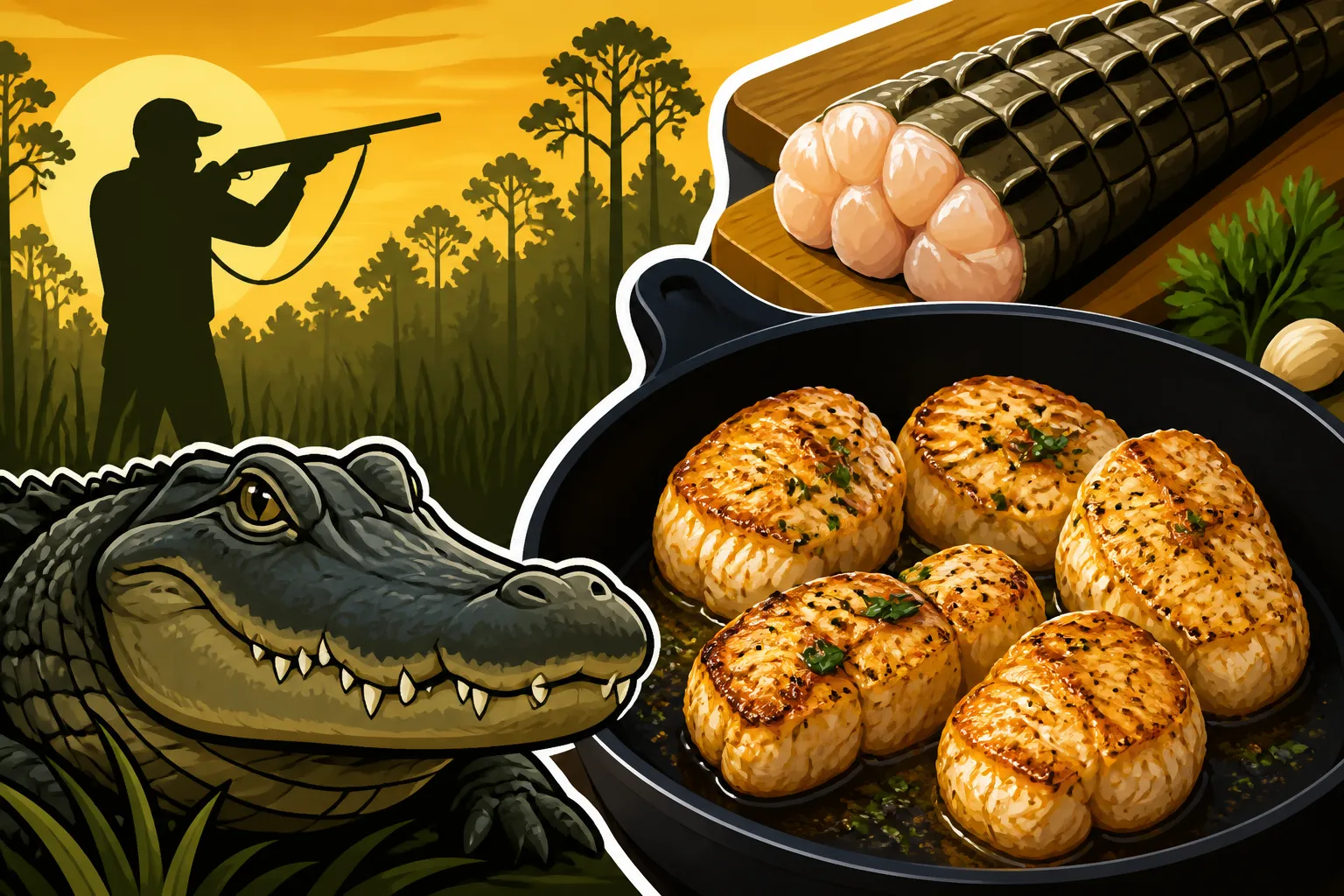
While an alligator offers various edible parts, the tail is undeniably the prize. It's the largest, meatiest section and provides the most tender muscle. Think of it as the prime rib of the alligator. Within the tail, you'll find different muscle groups, some naturally more tender than others. The closer to the tip, the finer the grain and typically more tender the meat. The larger, thicker sections of the tail might require a bit more tenderizing effort, but they're still packed with flavor. Beyond the tail, the jowls (cheeks) are also highly prized for their rich, succulent meat, often described as incredibly tender and flavorful, perfect for slow cooking. The body meat, while edible, tends to be tougher and more sinewy, best suited for grinding or long, slow braises. But for those iconic fried nuggets, it's all about the tail.
The flavor of alligator meat is mild, slightly sweet, and definitely not "fishy," despite its aquatic origin. It readily absorbs marinades and seasonings, making it incredibly versatile. The texture is firm, much like a dense chicken breast, but with a unique chew that's not rubbery when cooked correctly. The key to unlocking its delicious potential lies in proper handling from the moment you harvest it to the final cooking process.
Proper Field Care for Alligator Meat
Just like with any wild game, the quality of your alligator meat starts in the field. Rapid cooling is paramount, especially in Georgia's typically warm climate, even during the cooler parts of the alligator season. After dispatching your gator, the first order of business is to get it on ice or into a cooler as quickly as possible. This means having a plan in place, often involving large coolers, plenty of ice, and even a truck bed lined with tarps to protect the meat from contaminants.
When you're ready to process, cleanliness is next to godliness. You'll want to skin the alligator carefully, separating the hide from the meat with clean knives. For the tail, you can often skin it much like you would a large fish or snake, carefully peeling back the tough outer skin to reveal the pristine white meat beneath. Make sure to rinse any blood or debris from the meat before packing it for transport. Any lingering contaminants can taint the flavor and shorten the shelf life. Having a dedicated game processing kit, like those often reviewed on platforms like GoHunt, can make this process smoother and more hygienic, ensuring your hard work translates into delicious meals. Remember, a good initial chill and a clean processing environment prevent spoilage and off-flavors, preserving that delicate taste you're aiming for. Applying for a Georgia Alligator Quota Hunt details more about the regulations surrounding these unique hunts.
Preparing Alligator Tail for the Kitchen
Once you’ve successfully harvested and cooled your alligator, and separated the meat, the real kitchen magic begins. Preparing the tail meat correctly is crucial for tenderness and flavor, transforming it from a raw slab into something truly gourmet.
Trimming and Marinating Alligator Tail
The alligator tail, though incredibly meaty, does require some careful trimming. You'll find a layer of silver skin and some gristle, particularly where the muscle groups connect. Using a sharp, flexible fillet knife, carefully remove this silver skin, which can become tough and chewy if left on. Think of it like trimming a pork tenderloin – you want to get rid of anything that isn't pure, lean muscle. Some hunters also find small pockets of yellowish fat; these should be removed as they can impart an undesirable flavor.
Once trimmed, many chefs and hunters advocate for marinating alligator tail, especially if you plan to fry or grill it. Alligator meat is lean, and marinating helps tenderize it further while infusing it with flavor. Acidic marinades, using ingredients like citrus juice (lemon, lime, or orange), vinegar, or buttermilk, are excellent for breaking down connective tissues and adding a bright counterpoint to the meat. Savory marinades, with garlic, onion, Worcestershire sauce, hot sauce, and various herbs and spices (think Cajun or Creole blends), are also popular choices. Aim for at least 2-4 hours of marinating, or even overnight in the refrigerator, to allow the flavors to penetrate deeply. This step makes a noticeable difference in both the tenderness and taste of the final dish.
Cubing and Tenderizing Techniques
After trimming and optionally marinating, the next step is often cubing the alligator tail meat. For frying, bite-sized cubes are ideal, typically ranging from 1/2 to 1 inch. The direction of your cut can influence the final tenderness. Cutting across the grain, as you would with any other muscle meat, helps shorten the muscle fibers, making the cooked meat more tender and easier to chew. This is particularly important for the larger, thicker sections of the tail.
Beyond marinades, you can employ mechanical tenderization. For slightly tougher sections, or if you prefer an even more tender bite, gently pounding the cubes with a meat mallet can work wonders. Be careful not to obliterate the meat; a few gentle taps will suffice to break down some of those tougher fibers without turning it into mush. Another method is a simple saltwater brine, which can help the meat retain moisture and become more succulent. A weak brine solution (about 1/4 cup salt per quart of water) for an hour or two can enhance tenderness and juiciness. Experimentation is key here to find what works best for your specific cut and desired outcome.
| Preparation Step | Purpose | Key Considerations |
|---|---|---|
| Trimming Silver Skin | Remove tough, chewy connective tissue | Use a sharp, flexible knife; remove yellowish fat deposits |
| Marinating | Tenderize and infuse flavor | Acidic (citrus, buttermilk) or savory (Cajun spice, garlic) |
| Cubing | Prepare for even cooking and bite-size portions | Cut across the grain for tenderness; typically 1/2-1 inch cubes |
| Mechanical Tenderizing | Physically break down muscle fibers | Gently pound with a mallet if desired, avoid overdoing it |
| Brining | Improve moisture retention and juiciness | Short soak (1-2 hours) in mild saltwater solution |
Popular Methods for Cooking Alligator Tail
Now for the fun part: turning that carefully prepared alligator tail into a delicious meal. Whether you're a fan of crispy fried delights or hearty stews, alligator tail is incredibly versatile.
Frying Alligator Tail: The Classic Approach
If there's one way most people envision eating alligator, it's fried. And for good reason! Fried alligator tail is often compared to popcorn chicken, but with a unique, satisfying texture that's all its own. This method really highlights the tenderness achieved through proper trimming and marinating.
First, ensure your alligator cubes are well-marinated and patted dry. A good breading is essential for that perfect crispy crust. A common breading station involves three steps:
- Flour: A seasoned flour mix (all-purpose flour with salt, black pepper, garlic powder, onion powder, and a generous amount of Cajun or Creole seasoning) is your first dip. This helps the egg wash adhere.
- Egg Wash: A simple mixture of beaten eggs with a splash of milk or water. This acts as the glue.
- Final Coat: This is where you can get creative. Many Georgians love a mix of seasoned cornmeal and flour for extra crunch and Southern flavor. You can also use breadcrumbs or panko for a lighter, crispier texture. Make sure each cube is thoroughly coated.
Heat a heavy-bottomed pot or a deep fryer to about 350-375°F (175-190°C) with a neutral oil like peanut, canola, or vegetable oil. Fry the alligator in batches, being careful not to overcrowd the pan, which can drop the oil temperature and lead to greasy meat. Cook until golden brown and cooked through, typically 3-5 minutes depending on the size of your cubes. The internal temperature should reach 160°F (71°C). Once done, remove with a slotted spoon and drain on a wire rack over paper towels. Serve immediately with your favorite dipping sauce, like remoulade, cocktail sauce, or a spicy ranch. This classic preparation is always a hit, especially when celebrating a successful Alligator Hunting in Georgia trip.
Grilling and Sautéing Alligator Tail
For a lighter, yet equally flavorful, approach, grilling or sautéing alligator tail is an excellent option. These methods really let the natural flavor of the meat shine, especially if you've used a vibrant marinade.
When grilling, cut your alligator tail into thicker medallions or strips, about 1/2 to 3/4 inch thick. A robust marinade is critical here, not just for flavor but also to prevent drying out on the high heat of the grill. Consider a marinade with olive oil, garlic, lemon juice, and plenty of herbs like thyme and oregano, alongside your preferred spices. Preheat your grill to medium-high heat. Brush the grill grates with oil to prevent sticking. Grill the alligator pieces for about 2-4 minutes per side, depending on thickness, until they are firm, opaque, and show nice grill marks. Overcooking is the enemy here, as it can quickly dry out the lean meat. Look for that internal temperature of 160°F (71°C) for doneness.
Sautéing is perfect for quick weeknight meals. Cut the tail meat into smaller strips or cubes. Heat a cast-iron skillet or heavy-bottomed pan over medium-high heat with a tablespoon or two of olive oil or butter. Once the pan is hot, add the alligator pieces in a single layer, again, not overcrowding the pan. Cook for 2-3 minutes per side, stirring frequently for cubes, until lightly browned and cooked through. You can add sliced peppers, onions, or mushrooms to the pan during the last few minutes for a complete meal. This method works wonderfully for dishes like alligator fajitas or stir-fries, providing a lean protein that takes on bold flavors beautifully.
Slow-Cooking and Stewing Alligator
While the tender tail meat is often reserved for quick-cook methods, tougher cuts from the body or even larger, more sinewy sections of the tail can be transformed into incredibly rich and flavorful dishes through slow cooking. This method shines for making hearty stews, gumbos, and chilis. If you happen to be processing a larger gator after a successful hunt, this is a fantastic way to utilize all the meat.
For slow-cooking, cube the alligator meat into 1-2 inch pieces. Browning the meat first in a hot pan can add depth of flavor and a nice crust before it goes into the slow cooker or Dutch oven. Then, combine the seared alligator with your desired vegetables (onions, bell peppers, celery, tomatoes), broth (chicken, beef, or vegetable), and plenty of seasonings. Cajun or Creole spices, bay leaves, thyme, and hot sauce are excellent additions. Cook on low heat for 6-8 hours or high for 3-4 hours, until the meat is fork-tender and practically falling apart. The long, slow simmer breaks down any tough fibers, resulting in melt-in-your-mouth texture and a deeply savory broth. Recipes for alligator gumbo, a classic Louisiana dish, translate beautifully to Georgia kitchens, providing a comforting and uniquely Southern meal. Handling an alligator from a small boat might seem like the end of the journey, but it's just the beginning of some fantastic culinary adventures.
Beyond the Tail: Other Culinary Uses and Considerations
While the tail is often the star, understanding how to pair alligator meat with different flavors and properly store it ensures you get the most out of your harvest.
Pairing Alligator Meat with Flavors
Alligator meat, being mild and lean, is a fantastic canvas for a wide array of flavors. It particularly shines with bold, spicy, and tangy profiles that complement its subtle sweetness without overwhelming it. Unsurprisingly, Cajun and Creole influences are a natural fit, given the prevalence of alligators in the Gulf Coast states. Think blackened seasoning, rich roux-based sauces, and the "holy trinity" of onion, celery, and bell pepper. These flavors really bring out the best in fried, grilled, or stewed alligator.
Citrus is another excellent companion. Lemon and lime juice not only act as tenderizers in marinades but also provide a bright, zesty contrast that cuts through the richness of frying oil or the depth of a slow-cooked dish. A squeeze of fresh lime over grilled alligator or a lemon-herb sauce can elevate the entire experience. Herbs like thyme, oregano, and bay leaf, commonly found in Southern cooking, also pair beautifully. Don't be afraid to experiment with your favorite spice blends from platforms like GoHunt that cater to wild game preparation; alligator is forgiving and loves a good flavor kick. The versatility means you can move from a spicy fried appetizer to a more nuanced, herb-crusted main course.
Safety and Storage of Alligator Meat
Just like any other wild game, proper food safety and storage are paramount to ensure your alligator meat remains delicious and safe to eat. Once harvested and processed, all raw meat should be kept cold, ideally at or below 40°F (4°C). If you're not going to cook it within a day or two, freezing is your best friend.
To freeze alligator meat, package it tightly in vacuum-seal bags or heavy-duty freezer bags, removing as much air as possible. This prevents freezer burn and maintains quality. Label each package with the date and type of meat. Properly wrapped alligator meat can last in a standard freezer for 9-12 months. When you're ready to use it, thaw the meat slowly in the refrigerator. Never thaw at room temperature, as this can encourage bacterial growth. A safer method is to place the frozen package in a bowl of cold water, changing the water every 30 minutes, which speeds up thawing without compromising safety. Always cook alligator meat to an internal temperature of 160°F (71°C) to ensure it's safe for consumption. Proper handling from the moment of harvest through storage and cooking is key to enjoying this unique Georgia delicacy. Georgia Bear Checking Requirements also emphasize proper handling for big game, a principle that applies across all species you might pursue.
Disclaimer
This article is for general informational purposes only and does not constitute professional advice. Laws, prices and regulations vary by location and change over time. Consult a qualified professional for guidance on your specific situation.