Avian Influenza in Georgia Birds
The threat of avian influenza, or "bird flu," especially highly pathogenic strains, has been a real concern for Georgia's wild bird populations in recent years. For hunters, bird watchers, and anyone who spends time enjoying our state's incredible avian diversity, it's unsettling to think about what this disease could mean. This guide aims to demystify avian influenza, explain its impact on Georgia birds, and provide practical advice for staying safe and responsible in the field.
Understanding Avian Influenza and How It Spreads in Georgia
It's completely normal to feel a bit overwhelmed by headlines about animal diseases, especially when they involve wildlife we cherish. Avian influenza, often just called bird flu, is one of those topics that can raise a lot of questions and even a little anxiety, particularly for those of us who regularly interact with wild birds. Let's break down what this virus is and how it navigates through our beautiful Georgia landscape.
What Exactly is Bird Flu and Why is it a Concern?
At its core, avian influenza (AI) is a type of influenza virus that naturally circulates among wild aquatic birds worldwide. Think of it as a flu bug specifically adapted for birds. These viruses are generally classified into two categories: Low Pathogenic Avian Influenza (LPAI) and High Pathogenic Avian Influenza (HPAI). LPAI viruses might cause mild symptoms or no symptoms at all in wild birds, and they generally don't cause severe disease in domestic poultry. However, HPAI viruses are a different beast entirely. These strains, like the well-known H5N1, can cause severe illness and high mortality rates in both wild birds and domestic poultry. It's the HPAI strains that spark the most concern due to their potential to decimate flocks and, in rare instances, spill over to other animal species or even humans.
The concern for us here in Georgia isn't just about the birds themselves, as devastating as widespread bird deaths can be. HPAI can lead to massive economic losses for poultry farmers, as infected flocks must be culled to prevent further spread. Ecologically, it can impact vulnerable wild bird populations, especially colonial nesting birds or those already struggling. When outbreaks hit our region, it changes how we interact with the outdoors, forcing us to consider extra precautions we might not have thought about before. It's a complex issue, but understanding the basics is the first step in being prepared and responsible.
How Avian Influenza Moves Through Georgia's Bird Populations
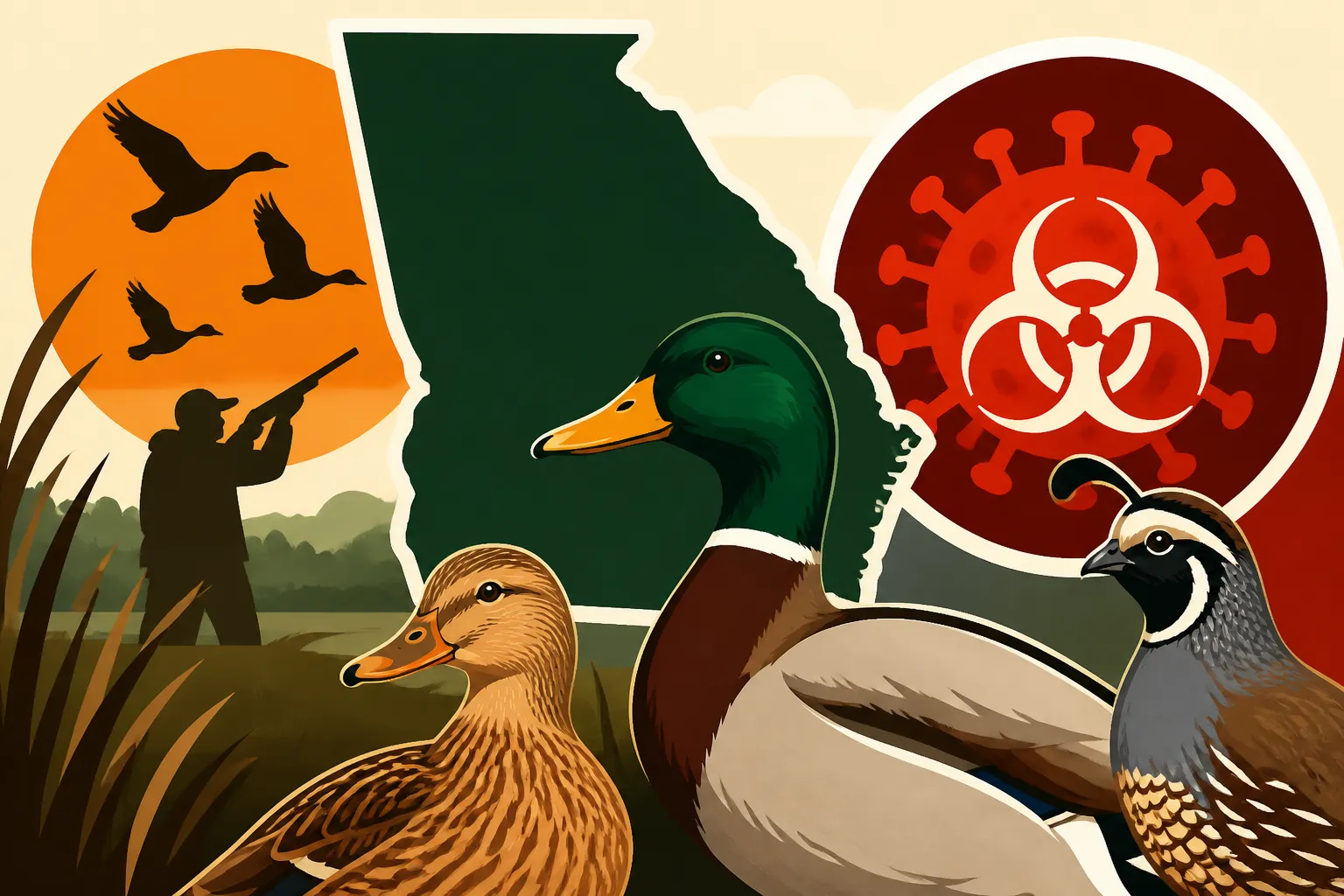
Georgia holds a unique position along the Atlantic Flyway, a major migratory bird route that stretches from the Arctic to the Caribbean and South America. This geographical fact makes our state a crucial stopover, breeding, and wintering ground for countless migratory waterfowl, including ducks, geese, and various shorebirds. These aquatic birds are the primary natural hosts and reservoirs for avian influenza viruses. They can carry the virus, often without showing any signs of illness, and spread it through their droppings, which contaminate water sources and feed areas. As these birds travel south through Georgia during their migrations, they can bring the virus with them, introducing it to local resident bird populations. You can learn more about Duck Migration Timing Through Georgia and how it influences these movements.
Local transmission can then occur in a variety of ways. When birds congregate in large numbers, such as at communal roosting sites, feeding grounds, or wetlands like those found in Georgia's extensive swamps and coastal marshes—ideal habitats for species covered in Georgia Waterfowl Hunting on Coast and Swamp—the virus can spread rapidly. Waterfowl shed the virus in their feces, contaminating ponds, rivers, and fields. Other birds, including raptors like eagles and hawks, or scavengers like vultures and gulls, can become infected by preying on or scavenging dead or sick birds. While domestic poultry operations have robust biosecurity measures, there's always a risk of spillover from wild birds into backyard chicken coops or commercial farms, which then becomes an even more urgent public health and economic issue. The virus can even persist in the environment, especially in cold, damp conditions, meaning contaminated areas can remain a risk for some time.
Identifying Avian Influenza in Georgia Wildlife and Protecting Yourself
Encountering sick or deceased wildlife can be distressing, and when avian influenza is a concern, it's natural to wonder if what you're seeing is related. Knowing what to look for and, more importantly, how to act responsibly, is key to both your safety and the health of our larger ecosystem. This isn't just about protecting yourself; it's about being a diligent steward of Georgia's natural resources.
Signs of Avian Influenza in Wild Birds
Identifying avian influenza in wild birds can be tricky because many of the symptoms can mimic other illnesses or injuries. However, certain behaviors and physical signs should immediately raise a red flag. In waterfowl, such as ducks and geese, you might observe severe lethargy, making them seem unusually tame or unwilling to fly. They might have difficulty breathing, showing signs like gasping or nasal discharge. Neurological symptoms are also common, including tremors, head tilt, swimming in circles, or an inability to coordinate movements. Imagine seeing a Wood Ducks in Georgia Swamps struggling to stay upright, or a Canada goose just sitting motionless for an extended period – these are causes for concern.
For other bird species, especially raptors or scavengers that might contract the virus by feeding on infected carcasses, similar neurological issues or general weakness can be apparent. Turkeys, which are a significant game species in Georgia as discussed in Wild Turkeys in Georgia, if infected, might show severe depression, ruffled feathers, or a reluctance to move. While a single sick bird could have any number of issues, the real alarm bells should go off if you observe multiple birds in a specific area displaying these symptoms or, even more critically, if you come across an unusual number of dead birds. Sudden die-offs, particularly among waterfowl, are a strong indicator of a significant disease outbreak, and these instances should be reported promptly to the Georgia Department of Natural Resources (DNR).
Safety Protocols for Hunters and Outdoors Enthusiasts
For those of us who hunt waterfowl, doves, or wild turkeys, practicing good hygiene and safety protocols is paramount during any potential avian influenza threat. It’s not about fear-mongering, but about smart, practical steps to protect yourself, your family, and your domestic animals. Always assume that any wild bird, especially waterfowl, could be carrying something.
Here’s a table outlining crucial safety protocols:
| Activity / Situation | Recommended Safety Protocol | Why It Matters |
|---|---|---|
| Handling Wild Birds | Wear disposable gloves when retrieving or handling harvested birds. | Prevents direct skin contact with pathogens, including AI. |
| Field Dressing | Work in a well-ventilated area, preferably outdoors. Avoid splashing blood or fluids. | Minimizes inhalation risk and reduces environmental contamination. |
| Hygiene | Wash hands thoroughly with soap and water after handling birds, even if wearing gloves. | Removes any potential virus particles from skin. |
| Tool Cleaning | Disinfect knives, shears, and surfaces with a 10% bleach solution or commercial disinfectant. | Prevents cross-contamination of other birds or surfaces. |
| Cooking Game Meat | Cook all game meat thoroughly to an internal temperature of at least 165°F (74°C). | AI viruses are inactivated by heat; ensures meat is safe for consumption. |
| Sick/Dead Birds | Do NOT handle visibly sick or dead birds with bare hands. Report sightings to DNR. | Direct contact is a primary transmission route; reporting helps monitoring. |
| Pet Safety | Keep hunting dogs away from sick or dead birds. Clean dog equipment after hunts. | Dogs can act as mechanical vectors, carrying the virus on their fur or paws. |
| Carcass Disposal | Double-bag and dispose of carcasses, feathers, and internal organs in household trash. | Prevents scavengers from accessing infected material and further spreading disease. |
When you're out there, whether you're chasing Dove Hunting Georgia Opening Weekend or tracking Spring Turkey Hunting in Georgia, remember these steps. If you're using an app like GoHunt to mark your spots or track game, keep in mind that staying informed through official channels like the Georgia DNR is just as important as knowing where the birds are. Regularly check their advisories before heading out, especially during migratory periods. Even seemingly small details, like making sure your hunting dog doesn't mouth a suspicious-looking carcass, can make a big difference.
Georgia's Response to Avian Influenza and Hunter Responsibility
It's reassuring to know that there are dedicated professionals working to protect Georgia's wildlife and our communities from threats like avian influenza. For us, as hunters and outdoor enthusiasts, understanding their efforts and knowing our role in supporting them isn't just a suggestion; it's a vital part of responsible engagement with our natural world. We're all in this together, from the researchers to the folks sitting in a blind waiting for the morning flight.
Monitoring and Management Efforts in Georgia
The Georgia Department of Natural Resources (DNR) takes avian influenza very seriously, especially given our state's role in the Atlantic Flyway. They work tirelessly to monitor for signs of the virus in wild bird populations across Georgia. This isn't a solo effort; the DNR collaborates closely with federal agencies like the USDA (United States Department of Agriculture) and other state wildlife and public health departments. This multi-agency approach ensures a coordinated response, from surveillance to public information campaigns.
Surveillance programs are a cornerstone of their strategy. This involves actively testing samples from wild birds, particularly migratory waterfowl, which are known carriers. They're looking for early detection, tracking the movement of the virus, and assessing its prevalence. When unusual bird mortality events occur, the DNR investigates, collects samples, and sends them for laboratory analysis. This proactive Georgia Wildlife Disease Monitoring allows them to identify outbreaks quickly and provide accurate information to the public, including hunters and poultry owners. They also maintain communication channels, often through their website and local offices, to disseminate vital updates and advisories. Just as they manage concerns like Georgia's Chronic Wasting Disease Management Area for deer, they approach avian influenza with similar dedication to public and wildlife health.
The Hunter's Role in Preventing Spread and Ensuring Safety
As hunters, we are often among the first to observe changes in wildlife populations or to encounter sick animals in remote areas. This unique position makes us invaluable partners in disease surveillance and prevention. Our responsibility extends beyond just following regulations; it involves a commitment to ethical practices and public health. First and foremost, the importance of cleanliness and hygiene cannot be overstated. After every hunt, especially those involving waterfowl, meticulously clean your gear – boots, clothing, decoys, and particularly anything that came into contact with harvested birds. This includes proper cleaning and disinfecting of your calls and any other equipment you might have used.
Never, under any circumstances, consume a visibly sick or unhealthy-looking animal. If a bird acts strangely or appears ill before or after the shot, it's best to leave it alone. The health and safety of your community are paramount. Proper disposal of carcasses, feathers, and gut piles is another critical step. Don't just leave them exposed where scavengers can access them and potentially spread the virus further. Double-bagging waste and disposing of it in secured trash is a simple yet effective measure.
Finally, and perhaps most importantly, if you observe sick or dead birds exhibiting concerning symptoms, or if you encounter an unusual number of deceased birds, please report it immediately to the Georgia DNR. Their Reporting a Sick Animal in Georgia process is straightforward and allows them to investigate and contain potential outbreaks. Your observations from the field provide crucial data that aids wildlife managers in understanding and responding to avian influenza. By taking these responsible steps, we not only protect ourselves and our families but also contribute to the health and resilience of Georgia's diverse bird populations for future generations to enjoy.
Disclaimer
This article is for general informational purposes only and does not constitute professional advice. Laws, prices and regulations vary by location and change over time. Consult a qualified professional for guidance on your specific situation.