Where Georgia’s Biggest Alligators Live
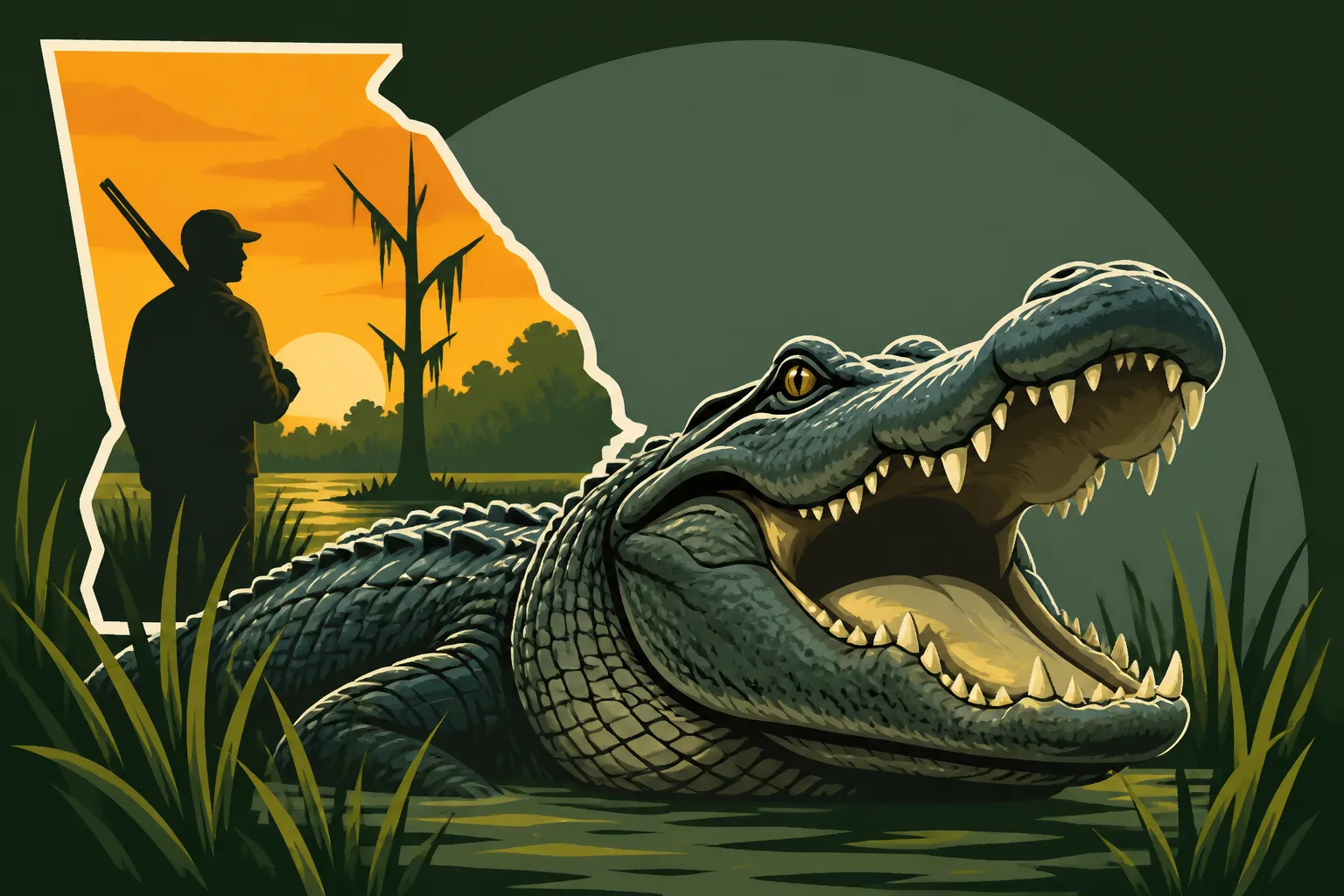
For many, the American alligator is a creature of mystery and awe, a living relic from a prehistoric age. In Georgia, the quest for truly massive, trophy-class alligators is a challenge that captivates hunters and wildlife enthusiasts alike, often leading to frustration when trying to pinpoint where these elusive giants actually reside. This guide will take a deep dive into the prime habitats and unique conditions that foster the growth of Georgia's largest alligators, offering insights into where you're most likely to encounter these impressive reptiles and how to approach finding them.
Understanding Georgia's Alligator Population Dynamics
Georgia's alligator population is robust and well-managed, a testament to conservation efforts that brought these reptiles back from the brink. However, simply having a healthy population doesn't mean big gators are everywhere. The sheer size of an alligator, especially those pushing double-digit feet, is a direct result of several key factors: age, abundant food sources, and consistent, undisturbed habitat. These aren't creatures that grow quickly in marginal environments; they need time, space, and a steady diet to reach their impressive dimensions.
The Allure of Trophy Alligators
There's a distinct fascination with the largest alligators. For hunters, it's the ultimate challenge—a test of skill, patience, and knowledge of the animal's habits. For wildlife observers, spotting a massive gator can be a thrilling, once-in-a-lifetime experience. These are the animals that inspire legends, the ones that seem to embody the wildness of Georgia's swamps and rivers. The older a gator gets, the larger it grows, and the more territorial and cunning it becomes, adding to the mystique and difficulty in encountering one. This pursuit isn't just about size; it's about connecting with a primal force of nature.
Locating and harvesting one of these true giants isn't a simple affair. It requires extensive scouting, often in challenging terrain, and a deep understanding of alligator behavior. The quest itself is often as rewarding as the eventual encounter, pushing individuals to explore some of Georgia's wildest and most beautiful landscapes. The commitment to finding a true trophy alligator often spans years, building a wealth of experience and a profound respect for these apex predators.
General Distribution Across Georgia
While alligators are generally found throughout the Coastal Plain region of Georgia, extending up into the lower Piedmont in some river systems, the truly massive specimens aren't uniformly distributed. You'll find smaller gators, particularly juveniles and sub-adults, in nearly any suitable pond, swamp, or river throughout the southern half of the state. However, the conditions necessary to produce the largest, oldest individuals are more specific.
These conditions typically involve vast, unpressured areas with a consistent food supply and deep, stable water temperatures that allow for extended growth periods. This usually means major river systems, large, interconnected swamps, and certain large, shallow lakes that have minimal human disturbance. Think of it less like a scattered distribution and more like specific "hot zones" where all the right ingredients converge. While the Georgia Alligator Population Estimate might seem impressive statewide, the concentration of truly large individuals is far more localized and specific. If you’re dealing with Georgia Alligator Nuisance Complaints in suburban ponds, you’re likely encountering smaller, more transient gators, not the ancient giants we're talking about here.
Prime Habitats for Trophy Alligators in Georgia
When it comes to finding the biggest alligators in Georgia, certain regions and specific types of water bodies stand out. These aren't just places where alligators exist; they are places where they thrive, grow old, and reach truly immense sizes. Understanding these prime habitats is the first step in your quest.
The Legendary Okefenokee Swamp
Without a doubt, the Okefenokee Swamp holds a legendary status as one of Georgia's premier locations for large alligators. This vast, pristine wilderness, often called the "Land of the Trembling Earth," offers everything a gator needs to grow to record-breaking dimensions. The sheer scale of the swamp means immense stretches of undisturbed habitat where alligators can live for decades without significant human interaction. It's a natural fortress, providing unparalleled security and a consistent food supply.
The Okefenokee is teeming with prey—fish, turtles, snakes, small mammals, and birds—all contributing to a rich diet that fuels rapid growth in younger gators and sustains the ancient ones. The water itself, often dark and tannin-stained, provides excellent camouflage for these ambush predators. The deep, stable water levels and slow-moving currents create ideal conditions for gators to thermoregulate, nest, and simply exist without stress. Many of the truly immense alligators, some exceeding twelve or even thirteen feet, are found within the depths of this ancient swamp. For those interested in Hunting the Okefenokee Swamp Region, it’s an experience unlike any other, offering a real chance at a giant. The environment itself ensures that this region consistently produces some of the biggest alligators in the state, potentially even challenging the Georgia alligator record length.
Coastal Plain River Systems and Estuaries
Beyond the Okefenokee, Georgia's extensive coastal plain river systems and their estuaries are incredibly fertile grounds for large alligators. Rivers like the Altamaha, Satilla, St. Marys, Ogeechee, and Savannah, all flowing into the Atlantic, provide a dynamic and nutrient-rich environment. These rivers are characterized by their wide, slow-moving currents, deep channels, numerous oxbow lakes, and expansive associated swamps and marshes.
The confluence of freshwater and brackish water in the estuarine zones is particularly productive. Here, you'll find an incredible diversity and abundance of prey species, from various fish to crabs, shrimp, and migratory birds. This diverse menu allows alligators to reach larger sizes more efficiently. The sheer length and breadth of these river systems offer vast territories for alligators, minimizing competition and allowing individual gators to establish prime hunting grounds. The numerous deep holes, submerged logs, and dense vegetation along the banks provide ideal spots for them to ambush prey, bask, and retreat from disturbance. It's in these deep, dark river bends and sprawling tidal creeks where many of Georgia's biggest alligators spend their lives, growing larger with each passing year. This is Where Georgia's Alligators Concentrate is particularly evident for trophy-sized specimens.
Other Significant Water Bodies
While the Okefenokee and the major coastal rivers are the undisputed champions for truly massive alligators, it's worth noting that significant gators can also be found in other large water bodies throughout the Coastal Plain. This includes some of the larger, interconnected lakes, extensive private timberland ponds, and even certain large flood-control reservoirs. These locations, while perhaps not consistently producing record-breakers, can certainly harbor very large individuals, especially if they are relatively isolated and have a stable ecosystem.
The key across all these habitats is a combination of ample food, deep water, cover, and, critically, age. A gator doesn't get big overnight. It takes years, often decades, of sustained growth in an environment where it's safe from predation (except from other gators) and has a constant supply of calories. So while a smaller, isolated pond might contain a few average-sized gators, it's the vast, resource-rich, and undisturbed areas that consistently yield the true monsters.
Identifying Potential Big Gator Locations and Scouting Tips
Finding a truly massive alligator isn't like spotting a deer in a field; it requires a deep understanding of their habits, preferred habitat, and a keen eye for subtle signs. These are apex predators, and the biggest among them are often the most wary and elusive.
Reading the Landscape for Large Alligators
When you're looking for big gators, you need to think like one. They prefer areas that offer both excellent hunting opportunities and security. Look for deep water, especially areas with submerged timber, dense vegetation along the banks, or undercut banks where they can hide. These spots provide perfect ambush points for prey and quick escapes from perceived threats. Areas with consistent sun exposure on the banks or floating vegetation are also prime basking spots, which are critical for their thermoregulation.
Large alligator trails, often referred to as "slides" or "runs," are a dead giveaway. These are distinct pathways worn into the bank where gators enter and exit the water. A truly massive gator will leave an impressively wide and deep slide, often alongside older, larger tracks. You might also find "gator holes"—deep depressions dug into the marsh or swamp bottom, especially important in dry seasons or for nesting. Listen for distinctive vocalizations, particularly deep guttural bellows, which often signal the presence of a large, territorial male. These subtle clues, when pieced together, can paint a clear picture of an area frequented by big gators. A large gator, especially if it's over the Minimum Legal Alligator Length in Georgia, will leave a clear sign of its presence.
Utilizing Technology and Local Insight
In today's world, technology can be a huge asset in pinpointing potential gator hotspots. Satellite imagery and topographical maps, available through services like GoHunt, allow you to analyze vast stretches of river, swamp, and marsh from your couch. Look for remote oxbows, deep river bends with abundant cover, isolated ponds connected to larger systems, and areas with minimal human infrastructure. You can often identify large, undisturbed tracts of habitat that appear ideal for holding trophy gators. Tools like GoHunt can help you mark potential areas for in-person scouting, saving you valuable time and effort. The ability to overlay different layers of information, like waterways, wetlands, and elevation changes, can reveal hidden gems that might otherwise be overlooked. This kind of advanced mapping is invaluable for truly effective Scouting Georgia Public Land Before Season, even if your primary target is alligators.
Beyond technology, local knowledge is gold. Talk to seasoned fishermen, guides, and long-time residents of the areas you're interested in. They often have invaluable insights into where the truly big gators have been seen over the years. Wildlife biologists with the Georgia Department of Natural Resources are also excellent resources, as they manage these populations and have a broad understanding of distribution and size classes. Often, these conversations can confirm or refute your mapping hunches, guiding you toward productive waters or away from areas that might seem promising but rarely hold giants. Don't underestimate the power of these personal connections; they can be the difference between a successful outing and a fruitless one.
Navigating Georgia's Alligator Hunting Regulations
While the thrill of simply spotting a massive alligator is undeniable, for many, the ultimate goal is to legally harvest one. Georgia's alligator hunting program is highly regulated, designed to manage the population effectively while offering opportunities for hunters to pursue trophy animals. Understanding these regulations is paramount, whether you're observing or hunting.
The Quota Hunt System
Georgia manages its alligator hunting through a tightly controlled quota hunt system. This isn't an over-the-counter license; hunters must apply for a limited number of permits in specific harvest zones. This system ensures that only a sustainable number of alligators are taken each year, and it helps to protect the long-term health of the population, including the larger, breeding-age individuals.
The state is divided into various alligator management zones, each with its own quota of permits. These zones are carefully delineated based on alligator population densities and the presence of suitable habitat. When you apply, you typically rank your preferred zones. The good news is that these quota hunts are often designed to provide opportunities in areas known to hold healthy populations, increasing your chances of encountering a legal gator, and potentially a large one. Knowing the Georgia Alligator Season Opening Date and the Georgia Alligator Application Deadline is critical, as missing these windows means missing the season entirely. For a comprehensive overview, familiarize yourself with the Georgia Alligator Quota Hunt Rules. Securing a Georgia Alligator Quota Permit is the first essential step in any hunting endeavor.
Legal Requirements and Best Practices
Once you've secured a permit, there are strict legal requirements you must adhere to. Georgia sets a minimum legal length for alligators, which is typically 48 inches (4 feet). However, when you're specifically targeting the biggest alligators, you'll be looking for animals significantly larger than this. Accurately estimating the size of an alligator on the water, especially at night, can be challenging, but it's a critical skill. Practicing Spotting a Legal Forty-Eight-Inch Alligator or larger is essential before you ever head out to hunt.
Ethical hunting practices are not just good sportsmanship; they are a legal and moral imperative. Alligators are powerful animals, and proper equipment, techniques, and shot placement are crucial for a quick and humane harvest. It's highly recommended for new alligator hunters to go with an experienced guide or mentor who understands the specific methods allowed (e.g., snatch hooks, harpoons, bowfishing, followed by a dispatch shot). Always check the latest regulations for permitted methods of take and dispatch requirements, as these can change. Safety, both for yourself and those around you, should always be the top priority when dealing with such formidable reptiles.
Here's a quick overview of some of Georgia's prime alligator habitats:
| Habitat Type | Primary Locations | Why They Hold Big Gators |
|---|---|---|
| Vast Freshwater Swamps | Okefenokee Swamp (Ware, Charlton, Clinch Counties) | Undisturbed habitat, abundant prey, deep stable water, age. |
| Major Coastal River Systems | Altamaha, Satilla, St. Marys, Ogeechee, Savannah Rivers | Nutrient-rich, diverse prey base, expansive territories, deep channels. |
| Estuaries & Tidal Marshes | Coastal zones where rivers meet the Atlantic | Mix of fresh and saltwater prey, dense cover, high productivity. |
| Large Private Ponds/Lakes | Timberlands, agricultural areas in Coastal Plain | Often less pressured, abundant food if well-managed. |
Disclaimer
This article is for general informational purposes only and does not constitute professional advice. Laws, prices and regulations vary by location and change over time. Consult a qualified professional for guidance on your specific situation.