Bear Encounters Around North Georgia Cabins
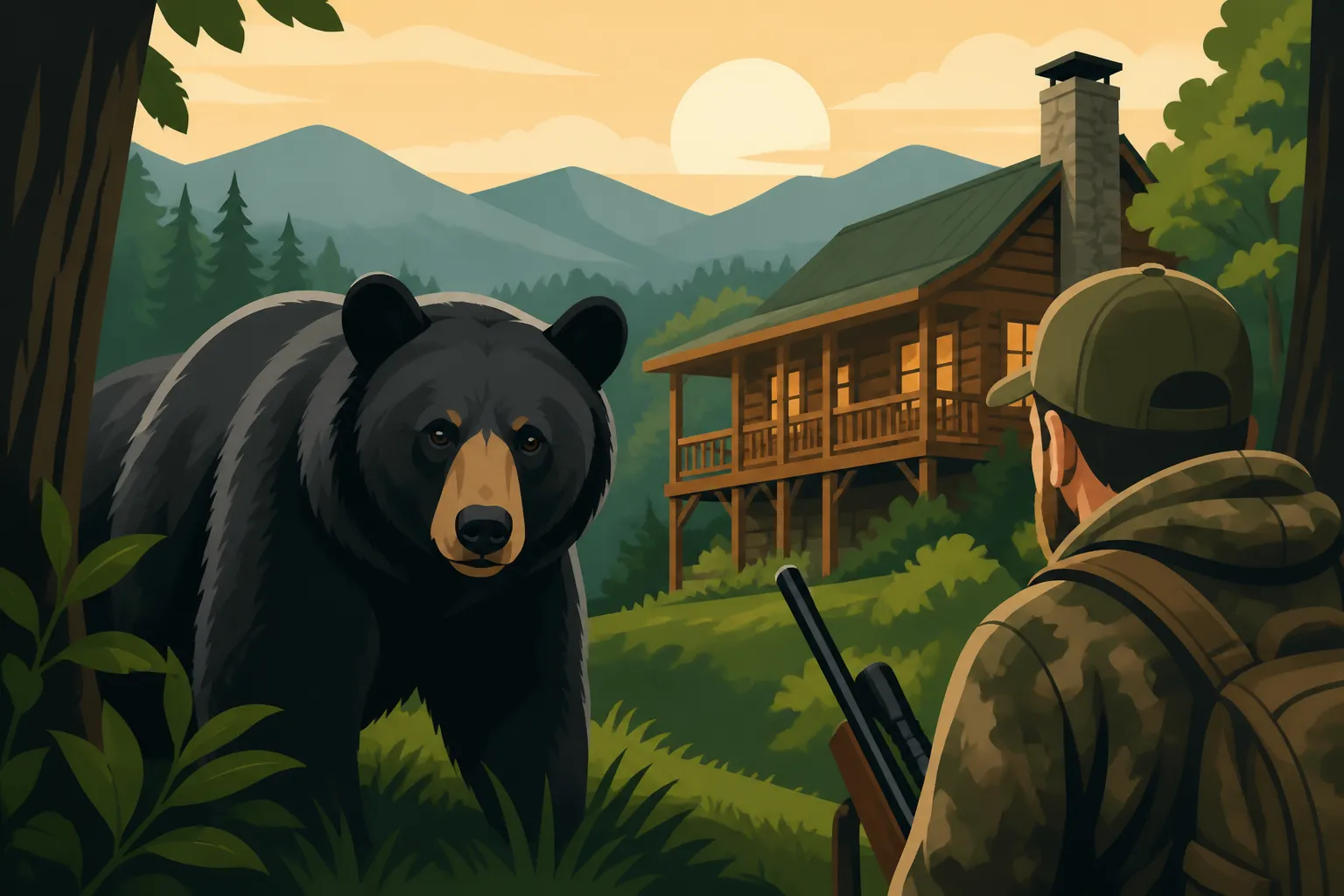
There’s nothing quite like the beauty of a North Georgia mountain cabin, but sometimes that rustic charm comes with an unexpected neighbor: a black bear. For many folks, the excitement of seeing a bear quickly turns to genuine concern when these magnificent animals get a little too comfortable, leading to unsettling encounters. This guide is here to walk you through everything you need to know about preventing and managing bear encounters around your North Georgia cabin, ensuring safety for both your family and these incredible creatures.
Understanding Why Bears Come Close to Cabins
It's easy to feel frustrated or even a little scared when a bear starts frequenting your cabin property. You might wonder, "Why my cabin? Why here, and why now?" The truth is, bears are highly intelligent and opportunistic, and North Georgia offers a perfect blend of natural habitat and human amenities that can draw them in.
The Lure of Easy Food Sources
Let's be honest, we humans leave a pretty enticing buffet out for wildlife without even realizing it. Bears are primarily driven by their stomachs, and if they can find an easy meal, they're going to take it. Think about it: a bear has to forage constantly in the wild, expending huge amounts of energy for nuts, berries, and insects. Then, they smell your unsecured trash can, a bird feeder, or a greasy grill, and suddenly, they've hit the jackpot.
This isn't just a minor snack for them; it's a calorie-rich reward that teaches them that human dwellings mean easy pickings. Once a bear learns that your cabin is a reliable food source, it becomes habituated – meaning it loses its natural fear of humans and associates people with food. This is where the real problems start, because a habituated bear is a dangerous bear, not because it's inherently vicious, but because it's acting on instinct for food, which can lead to property damage and potentially aggressive behavior if challenged. It's a cycle that's tough to break once established, which is why prevention is so crucial.
Habitat Overlap and Population Dynamics
North Georgia is prime bear country, and we're fortunate to have a healthy and growing population of black bears. If you've ever looked into How Many Black Bears Georgia Has, you'd know their numbers are robust, especially in the northern counties. As more people move to the mountains and cabins become popular retreats, our homes are increasingly built within or adjacent to what was once exclusively bear habitat. This overlap means encounters are simply more likely to happen.
The natural food cycle also plays a huge role. In years with poor mast crops, like a lean acorn harvest, bears are forced to expand their search for food, often pushing them closer to human settlements. They're just trying to survive, and if the woods aren't providing, they'll turn to the easiest alternative. Knowing Where North Georgia Bears Range can help you anticipate these movements and understand that seeing a bear isn't necessarily a sign of a problem, but rather a reminder of our shared landscape.
Proactive Prevention Strategies for Cabin Owners
The best defense against problematic bear encounters is a good offense—meaning, being proactive about removing temptations. This might sound like a lot of work, but trust me, it's far less stressful than dealing with a bear tearing apart your porch or garbage bins.
Securing Food and Waste
This is, hands down, the most important step you can take. Your garbage is practically a five-star restaurant for a bear. Invest in bear-resistant garbage cans, or better yet, store your trash inside a sturdy shed or garage until collection day. If you have to put trash out the night before, consider a lockable bin or even a small electric fence around the cans, particularly if you're in an area known for active bears. These animals are surprisingly strong and clever, capable of opening latches and breaking into less-than-secure containers.
Pet food left on the porch or deck is another major attractant. Always feed pets indoors, and if you must feed them outside, remove any uneaten food immediately. The same goes for bird feeders; while lovely, they provide a caloric goldmine for bears. Consider taking them down during active bear seasons or bringing them in at night. And don't forget that barbecue grill! A grill with residual grease and food particles is an open invitation. Clean it thoroughly after every use and store it in a secure location, if possible. You might find resources and local discussions about effective prevention techniques on platforms like GoHunt, which helps hunters with scouting and understanding wildlife patterns, information that can be invaluable for general wildlife awareness.
Deterring Bears from Your Property
Beyond securing food, there are other ways to make your cabin less appealing to a curious bear. If you have a garden, especially one with berries, corn, or other tempting crops, a temporary electric fence can be incredibly effective. These fences deliver a harmless but memorable jolt that teaches bears to avoid the area without causing injury. It's all about negative reinforcement—making the cabin a less rewarding place to visit.
Consider motion-activated lights or even motion-activated sprinklers around your property. These sudden, unexpected stimuli can startle a bear and encourage it to move on. Regularly pick up any fallen fruit from trees on your property, as these natural sugars are a huge draw. A seemingly small detail like leaving car doors unlocked might seem harmless, but bears have learned how to open them, sometimes resulting in interior damage in search of food. Always lock your vehicle doors, especially if you have any food items inside.
What to Do During a Bear Encounter
Even with the best preventative measures, you might still find yourself face-to-face with a bear. The key is to remain calm, understand bear behavior, and react appropriately to ensure safety for everyone involved.
If a Bear is On Your Property (But Not Confrontational)
Let's say you look out your window and there's a black bear ambling through your yard, perhaps sniffing at a flowerbed or checking out a bird bath. Your first instinct might be to panic, but resist it. The best thing to do is observe from a safe distance indoors. Do not approach the bear, and absolutely do not attempt to feed it. This only reinforces negative behaviors and makes the bear bolder.
If the bear isn't leaving, try to make yourself known and make some noise. Clap your hands, shout in a firm voice ("Hey bear! Get out of here!"), or bang pots and pans together. Most black bears are naturally timid and will retreat when confronted in this way. You want to make the experience unpleasant for the bear, so it learns that your cabin is not a comfortable place to hang out. If the bear is persistent, showing no fear, or causing damage, that’s when it’s time to call the local authorities, like the Georgia Department of Natural Resources (DNR).
If You Encounter a Bear Outdoors
Coming across a bear unexpectedly while on a walk or stepping out of your cabin can be startling. Remember to stay calm. Your immediate goal is to let the bear know you're a human and not a threat, but also not an easy target. Speak in a low, calm voice. Slowly wave your arms above your head to make yourself look larger. Do not turn and run; this can trigger a chase response. Instead, back away slowly, giving the bear plenty of space to retreat.
It’s crucial to know the difference between a curious or defensive bear and an aggressive one. A bear might stand on its hind legs to get a better look, or even bluff charge, huffing and stomping the ground. These are usually defensive displays. If you have bear spray, this is the time to have it ready, but only deploy it if the bear gets uncomfortably close or charges. Understanding general wildlife patterns, which tools like GoHunt can help clarify for hunters and outdoor enthusiasts, can give you a baseline knowledge of animal behavior that's useful in these situations.
Handling an Aggressive or Injured Bear
True aggressive attacks by black bears are incredibly rare, but they do happen, often when a bear feels trapped, is protecting cubs, or is injured. If a bear actually charges and makes contact, fight back aggressively. Use anything at your disposal – sticks, rocks, your fists – aim for the bear's face and nose. This is different from grizzly bear advice (where you play dead), so it's important to remember this distinction for black bears.
If you encounter an injured bear, or one that is acting unusually aggressive without provocation, your absolute first step is to call 911 or the Georgia DNR. Do NOT approach it. An injured animal is unpredictable and can be very dangerous. The DNR has trained professionals who can assess the situation safely. These situations are a good example of when proper reporting and Georgia Wildlife Disease Monitoring are vital, as unusual behavior could indicate illness.
Long-Term Coexistence and Community Efforts
Living in North Georgia means sharing the landscape with a vibrant ecosystem, and bears are a crucial part of that. Long-term coexistence relies on consistent efforts, not just from individual cabin owners, but from the entire community.
Educating Guests and Neighbors
If you own a cabin that you rent out, clear and concise instructions about bear safety and food storage are absolutely essential. Renters often aren't aware of the local wildlife challenges and may unknowingly create attractants. Simple signs or a "bear etiquette" guide can make a huge difference. Talk to your neighbors and encourage them to adopt similar practices. A single unsecured trash can can habituate a bear that then becomes a problem for everyone on the street.
Community-wide efforts, such as establishing local ordinances for bear-resistant garbage containers or organizing educational workshops, can foster a culture of responsible living in bear country. When everyone is on the same page, the success rate of keeping bears wild and away from cabins dramatically increases. This collective responsibility is especially important in popular areas for Hunting North Georgia Mountain Country, where human and wildlife interactions are frequent.
Reporting and Resource Utilization
Knowing when and how to report bear activity is crucial for wildlife management. The Georgia DNR relies on reports from residents to track bear movements, identify problem areas, and intervene when necessary. If you have a persistent bear, one that shows no fear, or causes repeated damage, make that call. DNR staff can provide advice, and in some cases, may trap and relocate a bear if it becomes a significant threat to public safety. You can also explore resources like the Georgia Outdoors App, which offers maps and information that can help you understand the local wildlife landscape, similar to how hunters use mapping and scouting tools like GoHunt to prepare for their trips, including learning about species distribution.
By utilizing these official channels, you're contributing to the health and safety of both the bear population and your community. Remember, we all have a role to play in ensuring that North Georgia remains a beautiful place where both people and bears can thrive, ideally without those tense, up-close encounters. Being informed and prepared, whether you're interested in Scouting Georgia Public Land Before Season or just enjoying your cabin, is the best way to be a good neighbor to our wild residents.
Bear Attractants and Prevention Checklist
Here’s a quick summary of common bear attractants and the actions you can take to prevent issues around your cabin:
| Attractant | Prevention Action | Consistency |
|---|---|---|
| Garbage & Recycling | Use bear-resistant cans, store inside shed/garage until pickup day, don't overfill. | Critical & Daily: Every trash bag, every time. |
| Bird Feeders | Bring in at night, use only during non-bear seasons, or remove entirely. | High & Seasonal: Remove from spring through fall. |
| Pet Food | Feed pets indoors, remove bowls immediately after feeding. | Critical & Daily: Never leave food out overnight. |
| Outdoor Grills | Clean thoroughly after each use, burn off residue, store in a secure shed. | High & After Use: Don't leave grease/food residue. |
| Fallen Fruit/Berries | Pick up ripe and fallen fruit from trees and bushes on your property daily. | High & Seasonal: Especially important in late summer/fall. |
| Compost Piles | Avoid composting meat, dairy, or oily foods; use bear-resistant composters. | Medium & Continuous: Choose contents carefully. |
| Bee Hives | Use electric fencing around hives. | High & Continuous: Essential for protection. |
| Unharvested Garden Crops | Harvest promptly; consider electric fencing for highly attractive crops. | Medium & Seasonal: Manage ripening produce. |
| Carcasses/Hides | Properly dispose of hunting waste according to DNR regulations, never near cabins. | Critical & After Hunt: Follow all disposal laws. |
Disclaimer
This article is for general informational purposes only and does not constitute professional advice. Laws, prices and regulations vary by location and change over time. Consult a qualified professional for guidance on your specific situation.