Georgia Turkey Population Trends
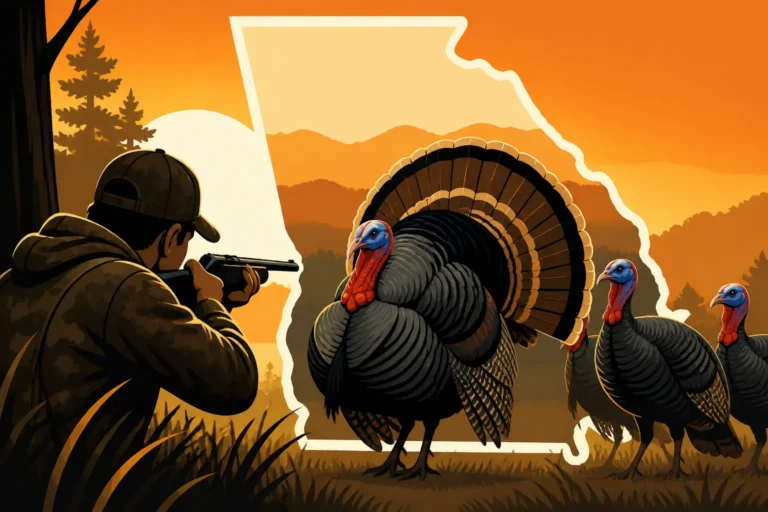
It's no secret that wild turkeys hold a special place in the hearts of Georgia hunters. There's nothing quite like the thrill of a gobbler sounding off on a crisp spring morning. But lately, many of us have been feeling a shift, noticing fewer birds, or at least fewer mature gobblers answering our calls. This guide dives deep into the Georgia turkey population trends, exploring the historical highs, the recent dips, and what conservationists and hunters are doing to understand and address the situation.
A Look Back at Georgia's Wild Turkey History and Recovery
To truly understand where we are today with Georgia's wild turkey population, we first need to appreciate the incredible journey these birds have made. It's a testament to dedicated conservation efforts that we even have a huntable population in many parts of the state.
From Near Extinction to Resurgence: The Restoration Story
Believe it or not, at the turn of the 20th century, wild turkeys were practically non-existent in Georgia, and across much of the United States. Unregulated hunting, combined with massive deforestation and habitat destruction from widespread timbering and agriculture, decimated their numbers. It was a bleak picture for a species that once roamed vast stretches of the state. Many folks who grew up in the early to mid-1900s never even saw a wild turkey, let alone hunted one.
However, thanks to visionary conservationists and the passage of critical legislation like the Pittman-Robertson Act in 1937 (which uses excise taxes on hunting equipment to fund wildlife restoration), a monumental effort began. The Georgia Department of Natural Resources (DNR), along with other state agencies, launched extensive trap-and-transfer programs. This involved trapping wild turkeys from remnant populations in areas where they still existed and relocating them to suitable habitats across the state where they had been extirpated. These weren't pen-raised birds; these were wild, resilient turkeys that provided the genetic backbone for our current flocks.
The trap-and-transfer strategy was a huge success. Over several decades, millions of acres of habitat were restored, and countless turkeys were reintroduced. By the late 20th century, Georgia's wild turkey population had rebounded dramatically, reaching numbers that few could have imagined possible. It was a golden age for turkey hunters, with birds seemingly everywhere and gobbling enthusiastically. This period solidified the wild turkey as a premier game species and created a rich hunting tradition in Georgia.
The Peak and Plateau: What Happened After the Boom?
Following the incredible success of the restoration efforts, Georgia's wild turkey population soared. For decades, it seemed like the numbers would just keep growing. Hunters enjoyed generous seasons and bag limits, with multiple gobblers often being the norm. The birds thrived in various habitats, from the pine forests of the Coastal Plain to the hardwood ridges of the North Georgia Mountains and the mixed agricultural and timberlands of the Piedmont.
However, as with any wildlife population, there comes a point where growth starts to slow down. Ecologists refer to this as reaching the carrying capacity of the habitat. Essentially, there's only so much food, cover, and nesting sites an area can sustain. Once turkey numbers hit that sweet spot, they tend to plateau. For Georgia, this plateau seemed to occur in the late 1990s and early 2000s. We still had plenty of birds, but the explosive growth of the restoration era had largely subsided.
Then, slowly but surely, hunters and wildlife biologists began to notice subtle shifts. Anecdotal reports of fewer birds and harder hunting started trickling in. Initially, it was easy to dismiss these as localized issues or just "tough hunting days." But as the observations became more widespread and consistent, data started to emerge that painted a clearer, and somewhat concerning, picture. The question shifted from "Are numbers still growing?" to "Are we seeing a decline, and if so, why?" This realization marked a significant turning point in how we view and manage Georgia's wild turkey resource.
Current Population Trends and Data Analysis
In recent years, the conversation around Georgia's wild turkey population has definitely shifted from celebratory tales of recovery to a more cautious analysis of declining numbers. It's a topic that sparks a lot of discussion around the campfire and in hunting camps across the state, and for good reason.
Declining Numbers: The Recent Reality
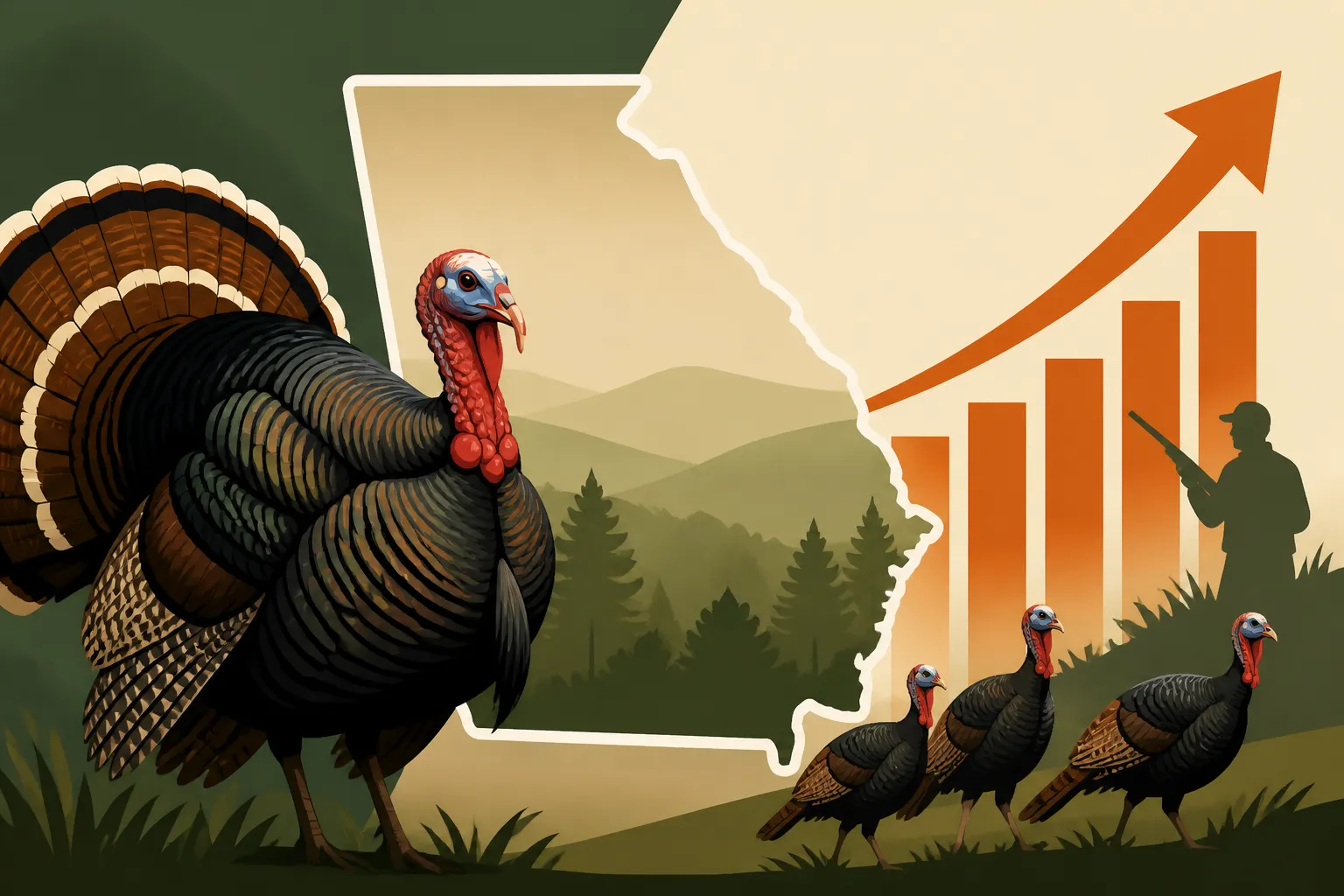
The observed decline in wild turkey populations is not just a hunter's hunch; it's backed by data from the Georgia Department of Natural Resources (DNR). While turkey populations are cyclical by nature, and annual fluctuations are expected, what we've been seeing over the last decade or so in many parts of Georgia suggests a more sustained downward trend. It's not a uniform decline across the entire state; some areas have fared better than others, but overall, the data points to a reduction in turkey numbers, particularly in the number of mature gobblers.
These declines aren't unique to Georgia either; many southeastern states are grappling with similar challenges. Hunters often report seeing fewer hens with poults in the summer, fewer birds on trail cameras, and a notable decrease in gobbling activity during the spring season. For those who track their hunting success over years, the difference can be stark. You might find resources like GoHunt helpful for examining public land data, though direct population trends specific to localized areas are often best gleaned from state DNR reports.
Understanding Poult-to-Hen Ratios
One of the most crucial metrics wildlife biologists use to assess the health and reproductive success of a wild turkey population is the "poult-to-hen ratio." Simply put, this ratio measures how many poults (young turkeys) survive to a certain age (typically 4-6 weeks) per hen. It's a direct indicator of annual recruitment – how many new birds are successfully added to the population. If a population isn't reproducing enough to replace birds lost to natural mortality and hunting, it will inevitably decline.
For a turkey population to be stable or growing, a general rule of thumb is that the poult-to-hen ratio needs to be at least 2.0 (meaning two poults per hen). In many parts of Georgia, these ratios have consistently fallen below that threshold in recent years. Instead of seeing 2 or 3 poults per hen, biologists are often recording numbers closer to 1.0 or even less in some areas. This indicates poor nesting success or, more commonly, high poult mortality, meaning many young turkeys simply aren't making it to adulthood. Understanding what causes these low ratios is key to addressing the broader population decline. You can delve deeper into this specific metric by reading our guide on Poult-to-Hen Ratios and What They Mean.
Harvest Data: A Window into Population Health
Another critical piece of the puzzle is the harvest data collected each year. Every hunter in Georgia is required to report their turkey harvest through the Georgia Game Check system. This data, aggregated by the DNR, provides valuable insights into how many birds are being taken, where they are being taken, and the overall hunting pressure on the population. When you look at Georgia Turkey Harvest Numbers over the past several years, you'll see a noticeable downward trend in the total number of turkeys harvested annually.
This decline in harvest isn't necessarily due to fewer hunters, but rather fewer birds available to harvest. Fewer gobblers are being seen, fewer are being called in, and consequently, fewer are being taken. This trend, combined with the low poult-to-hen ratios, painted a clear picture for wildlife managers. In response to these concerns and declining numbers, the Georgia DNR implemented significant changes, including a reduction in the statewide bag limit to two gobblers per season. This was a tough pill for many hunters to swallow, but it was a necessary step aimed at reducing harvest pressure and giving the population a chance to rebound. You can learn more about the implications of these changes in our article, Has Georgia's 2022 Turkey Rule Change Worked.
To illustrate these trends, here's a simplified look at how poult-to-hen ratios and harvest numbers have shifted:
| Year Range | Average Poult-to-Hen Ratio (Statewide) | Average Annual Harvest (Gobblers) | Trend Implication |
|---|---|---|---|
| Early 2000s | 2.5 – 3.0 | 40,000 – 50,000 | Healthy, growing population |
| Mid 2010s | 1.8 – 2.2 | 30,000 – 40,000 | Stable, but showing signs of slowing |
| Late 2010s-Now | 1.0 – 1.5 | 20,000 – 30,000 | Declining, significant recruitment issues |
Note: These are illustrative numbers based on general trends observed and reported by state wildlife agencies, not precise historical data points.
Factors Influencing Georgia's Turkey Population Dynamics
Understanding the current turkey population trends is one thing; pinpointing the why behind those trends is where the real work begins. It's rarely a single factor but often a complex interplay of environmental changes, predator dynamics, and even weather patterns that contribute to the challenges facing Georgia's wild turkeys.
Habitat Loss and Fragmentation
Perhaps the most pervasive and long-term threat to wild turkey populations, and indeed most wildlife, is habitat loss and fragmentation. Georgia is a growing state, and with that growth comes increasing urbanization, expanding residential areas, and changes in land use practices. What was once contiguous forest or mixed agricultural land, ideal for turkeys, is now often broken up by roads, developments, and monoculture timber plantations.
Wild turkeys require a diverse habitat mosaic to thrive. They need mature hardwoods for roosting and foraging on acorns, open woodlands or managed pine stands with a sparse understory for nesting, and dense herbaceous cover for hens to brood their poults. When these critical components are either removed or separated by barriers, it directly impacts their ability to reproduce and survive. For instance, vast stretches of intensively managed pine plantations, while great for timber production, often lack the diverse understory needed for turkey nesting and bugging for poults. Similarly, converting varied landscapes into large-scale row crops can remove essential escape cover and food sources. This fragmentation makes turkeys more vulnerable to predators and reduces the overall carrying capacity of the land. Our article on Georgia Longleaf Pine and Quail Habitat touches on similar challenges and how beneficial management can reverse these trends, which applies to turkeys as well.
Predation Pressure on Nests and Poults
Predation is a natural part of any ecosystem, but an imbalance can significantly impact prey species, especially during vulnerable life stages. For wild turkeys in Georgia, increased predation pressure, particularly on nests and young poults, is a major contributing factor to the observed population declines. Common nest predators include raccoons, opossums, skunks, and even feral hogs. These opportunistic animals can easily find and destroy nests, consuming eggs or killing incubating hens.
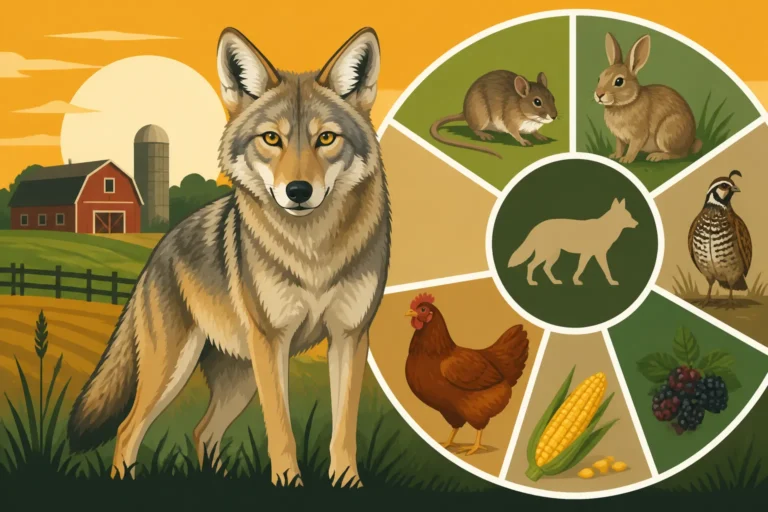
Once poults hatch, they are incredibly vulnerable to a wide range of predators, including raptors (hawks and owls), snakes, bobcats, and perhaps most notably, coyotes. The coyote population in Georgia has exploded since they naturally expanded into the state decades ago, and their diet often includes young deer fawns and turkey poults. If hens are unable to successfully hatch and raise enough poults to replace themselves, the population will inevitably shrink. Studies on Nest Predation and Georgia Turkey Hatches have shown that in areas with high predator densities or insufficient nesting cover, poult survival rates can be critically low. Understanding the impact of predators like coyotes is important, and you can learn more about Georgia Coyote Range and Density to see their distribution across the state.
Weather Patterns and Disease
While habitat and predation often get the most attention, weather patterns can also play a significant, albeit sometimes less predictable, role in turkey population dynamics. Particularly, the weather during the crucial nesting and brooding periods in spring and early summer can have a profound impact. Prolonged periods of cold, wet weather can be devastating for young poults. They are highly susceptible to hypothermia and pneumonia in their first few weeks of life, and a damp, chilly spring can lead to high mortality rates, even if nests successfully hatch. Drought conditions can also negatively impact insect populations, which are a vital food source for growing poults.
Disease, while typically not a widespread catastrophic factor for wild turkeys in Georgia, can certainly contribute to localized declines. Blackhead disease (histomoniasis) can be an issue in some areas, especially where turkeys congregate or share habitat with domestic poultry. Avian pox is another condition that can weaken birds, making them more susceptible to other stressors or predators. While major outbreaks like Avian Influenza in Georgia Birds (which typically impacts waterfowl) are not common in wild turkeys, any disease that compromises the health of the flock can reduce reproductive success and overall survival. Monitoring these factors is part of the ongoing challenge for wildlife managers.
Management Strategies and Conservation Efforts
Faced with the challenges of declining turkey populations, Georgia’s wildlife managers and conservation groups aren’t sitting idly by. A multifaceted approach is being implemented, combining regulatory changes, habitat work, and encouraging hunter participation in data collection.
State-Led Initiatives and Regulatory Adjustments
The Georgia Department of Natural Resources (DNR), through its Wildlife Resources Division, is at the forefront of managing the state's turkey population. Based on years of data from hunter surveys, poult-to-hen ratios, and harvest reports, the DNR made significant adjustments to hunting regulations. The most impactful change in recent memory was the reduction of the statewide bag limit to two gobblers per season, down from the previous three. This decision, though unpopular with some hunters, was a direct response to the documented decline in turkey numbers, particularly in recruitment. The goal is to reduce overall harvest pressure on the gobbler population, allowing more mature birds to survive and contribute to breeding. Our article Why Georgia Dropped the Turkey Limit to Two provides more context on this important decision.
Beyond bag limits, the DNR also manages season lengths, specific hunt dates, and special youth hunting weekends to balance opportunity with conservation needs. They also conduct ongoing research, often partnering with universities, to better understand turkey ecology, survival rates, and the impact of various environmental factors. This science-driven approach is critical for making informed management decisions that aim to ensure a sustainable turkey population for future generations of hunters.
Hunter Role in Data Collection and Conservation
Hunters are arguably the most important stakeholders in wild turkey conservation, and their role extends far beyond simply harvesting birds. Every hunter plays a crucial part in providing the data necessary for sound wildlife management. The mandatory harvest reporting system in Georgia, often done through the Georgia Game Check app or online portal, is a primary source of information on turkey harvest numbers. Accurate and timely reporting allows the DNR to track trends, assess the impact of regulations, and identify areas where populations might be struggling. For more on this, check out Georgia Turkey Checking Requirements.
Beyond mandatory reporting, hunters can contribute by participating in voluntary surveys, such as summer observation surveys where they report the number of hens and poults they see. This anecdotal evidence, when collected across a broad geographic area, can help biologists corroborate poult-to-hen ratios and identify areas of concern. Furthermore, every hunting license and turkey tag purchased directly funds conservation efforts through the Pittman-Robertson Act. This "user-pays, user-benefits" model ensures that hunters are directly investing in the wildlife they cherish. Apps and platforms like GoHunt can sometimes assist hunters in finding and understanding access points for reporting or even for scouting potential habitat for conservation projects.
Habitat Improvement and Land Management
Ultimately, healthy turkey populations depend on healthy habitat. A significant focus of conservation efforts in Georgia is on improving and restoring critical turkey habitat, both on public and private lands. This includes strategies like prescribed burning, which is a vital tool for managing pine forests and creating the open understory that turkeys need for nesting, foraging, and predator avoidance. Regular burning reduces dense brush, promotes the growth of beneficial native grasses and forbs, and improves insect populations.
Timber thinning is another crucial practice. While clear-cutting can be detrimental if not managed correctly, strategic thinning of pine plantations or even mature hardwoods can create a more diverse and beneficial forest structure. This allows more sunlight to reach the forest floor, encouraging the growth of herbaceous plants and providing better cover for poults. On private lands, landowners are encouraged through various programs and resources to implement wildlife-friendly practices, such as creating early successional habitat, planting diverse food plots, and managing for soft mast producers like oaks and persimmons. These efforts aim to reverse habitat fragmentation and create the diverse landscapes that wild turkeys need to thrive, ensuring they have suitable places to nest, brood, roost, and forage throughout the year.
Regional Differences in Georgia's Turkey Populations
It's important to remember that Georgia is a big state with incredibly diverse landscapes, and wild turkey populations don't behave uniformly across all of it. What might be true for the mountains isn't necessarily the case for the coastal plain, and understanding these regional nuances is key to appreciating the broader picture of Georgia's turkey trends.
North Georgia Mountains and Piedmont Region
The North Georgia Mountains present a unique set of challenges and opportunities for wild turkeys. This region, characterized by steep terrain, extensive hardwood forests, and often fragmented land ownership, has traditionally held strong turkey populations. Birds here rely heavily on mast crops like acorns and chestnuts, and the varied topography provides excellent roosting cover and diverse foraging areas. However, mountain turkeys often exist at lower densities than their counterparts in flatter agricultural regions, simply because the sheer amount of suitable habitat can be less productive per acre.
In the Piedmont region, which spans the central part of the state with its rolling hills, mixed forests, and agricultural fields, turkey populations have also faced ups and downs. This area often sees more human development and agricultural intensity compared to the deep mountains. Turkeys here thrive where there's a good mix of mature timber for roosting, open fields for feeding, and dense fencerows or forest edges for nesting and brooding cover. Anecdotally, some of the most pronounced declines have been reported in the Piedmont, likely due to a combination of habitat fragmentation and increased predator presence in these more accessible areas. However, properties with dedicated habitat management, often involving prescribed fire and diverse planting, still hold pockets of robust turkey numbers. Our guide on Where Georgia Turkeys Are Densest often points to these areas where habitat is still optimal.
Coastal Plain and Southwest Georgia
Moving south into Georgia's vast Coastal Plain, the landscape changes dramatically, and so do the factors influencing turkey populations. This region is dominated by pine plantations, extensive agriculture (pecans, peanuts, cotton, corn), and large tracts of bottomland hardwoods and cypress swamps. Turkeys here have historically thrived, often reaching higher densities than in the mountains due to abundant food sources and more contiguous habitat in certain areas. Southwest Georgia, in particular, is often lauded for its robust wild turkey populations, partly due to the prevalence of large, privately managed plantations that often prioritize wildlife habitat, including practices beneficial to turkeys.
However, even in the Coastal Plain, challenges exist. Large, intensively managed monoculture pine plantations, if not regularly thinned and burned, can become too dense for turkeys to use effectively for nesting and brooding. Changes in agricultural practices, such as the timing of planting and harvesting, can also impact turkey use of fields. Conversely, the vast swamps and river bottoms provide excellent refuge and foraging opportunities, though accessing these areas can be more challenging for hunters. Despite regional differences, the overall trend of declining recruitment is a concern across the entire state, prompting statewide management changes while still allowing for localized, habitat-specific conservation efforts to take hold.
Disclaimer
The information provided in this guide is for general informational purposes only and is not intended as legal advice or as a substitute for official regulations. Hunting regulations, seasons, and bag limits are subject to change. Always consult the most current Georgia Department of Natural Resources (DNR) publications and official legal statutes before engaging in any hunting activities. Always prioritize safety and ethical hunting practices.