Chronic Wasting Disease Risk in Georgia
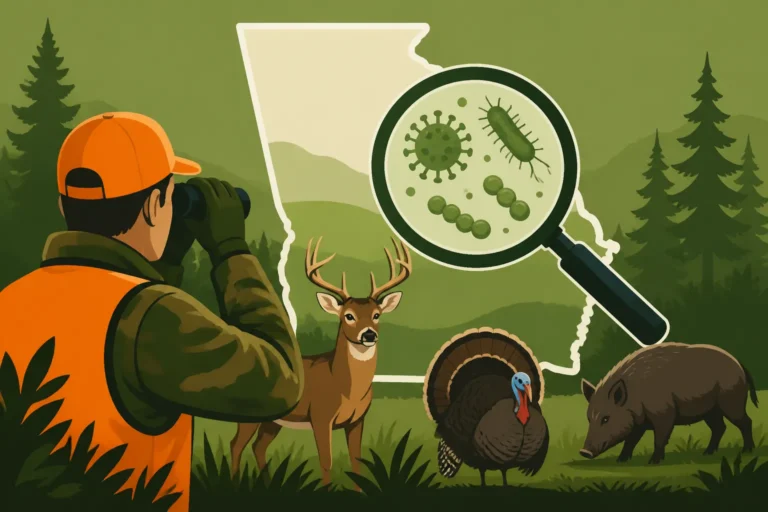
The news of Chronic Wasting Disease (CWD) appearing in Georgia can feel like a punch to the gut for any hunter who loves our state's deer. For years, we've watched from afar as this devastating neurological disease spread through deer populations in other states, always hoping it wouldn't reach our borders. Now that it's here, it brings a fresh wave of concern and uncertainty, making us wonder how we can continue our passion safely and responsibly. This comprehensive guide is here to walk you through everything you need to know about CWD in Georgia, from what it is to how it impacts your hunting practices and what you can do to help.
Understanding Chronic Wasting Disease: The Basics Every Hunter Needs to Know
Before we dive into Georgia's specific situation, it's crucial to have a solid grasp of what CWD actually is. This isn't just another deer ailment; it's a unique and persistent challenge to wildlife management and public health, presenting a new frontier in the ongoing efforts to conserve our deer herds. Understanding the fundamental science behind CWD will help you appreciate the gravity of the situation and why the regulations and recommendations are so vital.
What Exactly is CWD?
Chronic Wasting Disease is a fatal neurological disease that affects cervids – that’s deer, elk, moose, and reindeer. Unlike most diseases caused by bacteria or viruses, CWD is caused by abnormal proteins called prions. Think of prions as misfolded proteins that cause normal proteins in the brain to also misfold, leading to progressive damage. This process slowly degrades the brain and nervous system of infected animals, eventually leading to death. There is no known treatment, vaccine, or cure, and once an animal contracts CWD, its fate is sealed. It's a relentless and insidious disease, making its presence in any deer population a serious concern for long-term herd health.
The term "wasting" comes from the most visually striking symptom: severe weight loss. However, it's important to remember that this "wasting" is a symptom of internal neurological decay, not simply a lack of food. The prions literally create spongiform lesions in the brain, turning it into a Swiss cheese-like consistency over time. This internal destruction slowly robs the animal of its ability to function normally, affecting everything from movement to feeding and natural survival instincts. For hunters, recognizing this internal process by observing external symptoms is the first step in identifying a potentially infected animal.
How CWD Spreads Among Deer
One of the most concerning aspects of CWD is how efficiently and persistently it spreads. The prions can be shed by infected animals through saliva, urine, feces, blood, and even decomposing carcasses. This means the disease can spread through direct animal-to-animal contact, such as nose-to-nose interactions or sharing food sources, but also through indirect contact with a contaminated environment. Imagine a sick deer licking a branch, urinating on the ground, or dying in a specific area – those prions can remain viable in the soil and plants for years, even decades.
This environmental persistence is a game-changer compared to many other wildlife diseases. A CWD-infected area can remain a source of infection long after the original sick animal is gone. Factors that cause deer to congregate, like supplemental feeding or baiting, can significantly accelerate this spread, turning a localized infection into a widespread problem. When deer gather in large numbers to eat from a bait pile or mineral station, they are effectively exchanging bodily fluids, creating a perfect petri dish for CWD transmission. This is precisely why many states, including Georgia, have strict regulations regarding baiting and feeding in or near CWD management zones.
Recognizing the Symptoms in the Field
Identifying CWD in a live deer can be tricky, especially in the early stages, as the incubation period can be quite long—sometimes years. However, as the disease progresses, infected animals will begin to show noticeable clinical signs, which is where hunters play a critical role. The most common symptoms are a progressive loss of body condition, often described as "wasting away," leading to extreme emaciation. This isn't just a deer that looks a little thin; it's an animal that appears sickly, with ribs and hip bones prominently visible.
Beyond the weight loss, look for behavioral changes. Infected deer might appear lethargic, stumbling, or exhibiting an uncoordinated gait. They may hold their head and ears lowered, drool excessively, or show an unusual lack of fear of humans. You might also notice frequent urination and excessive thirst. It's important to remember that these symptoms can sometimes overlap with other conditions, like severe EHD (Epizootic Hemorrhagic Disease) or even malnutrition. If you spot a deer exhibiting any of these signs, it's crucial to report it to the Georgia Department of Natural Resources (DNR) immediately. Your keen eyes in the field are a vital line of defense for monitoring the health of Georgia's deer herd.
Chronic Wasting Disease in Georgia: A New Reality for Hunters
For years, Georgia was among the handful of states without a confirmed CWD case, a fact we often spoke about with a mix of pride and apprehension. That changed, and now we must adapt to this new reality. The detection of CWD on our soil has prompted immediate action and a fresh set of challenges for both wildlife managers and the hunting community.
Georgia's First Confirmed Case
The disheartening news came in the fall of 2023: Chronic Wasting Disease was detected in a white-tailed deer in Georgia. Specifically, the first confirmed case was found in a deer harvested in Decatur County, right along the Florida-Alabama border in the southwest corner of the state. This wasn't a casual finding; it was the result of years of proactive surveillance by the Georgia DNR, who had been routinely testing hunter-harvested deer and roadkill across the state. While it's always difficult to hear, the fact that it was caught through diligent testing shows the system working as intended. For hunters in the region, and indeed across the entire state, this discovery marked a significant shift in our approach to deer hunting. You can learn more about When CWD Was First Found in Georgia to understand the timeline and specifics of this initial detection.
The location of the first case, so close to neighboring states that already had CWD, wasn't entirely surprising, yet it still hit hard. It underscores the interconnectedness of wildlife populations and the challenges of containing a disease that doesn't respect state lines. For the DNR, this detection immediately triggered a predefined action plan, moving from a preventative surveillance phase to an active management phase. This meant implementing new regulations and intensifying efforts to determine the extent of the disease's spread, making hunter cooperation more critical than ever before.
Establishing Georgia's CWD Management Area
Following the initial detection, the Georgia DNR swiftly moved to establish a CWD Management Area (CMA) as a critical first step in containing and monitoring the disease. This zone initially encompassed parts of Decatur County and was later expanded to include other counties based on a five-mile radius around the positive case, as well as considerations for potential spread routes. The counties included in the CMA are subject to specific regulations designed to prevent further transmission. Understanding Which Counties Sit Inside Georgia's CMA is crucial if you hunt anywhere near the southwestern part of the state.
The establishment of this CMA isn't arbitrary. It’s a scientifically-driven approach to focus resources and regulations where they are most needed. The "five-mile radius" concept, often questioned by hunters, is based on epidemiological modeling of how such diseases typically spread. It aims to cast a wide enough net to capture potential additional cases while limiting the geographic scope of the most restrictive rules. This is Why Georgia Used a Five-Mile CWD Radius is an important concept for hunters to grasp; it’s about strategic containment rather than just drawing arbitrary lines on a map. The regulations within this CMA, which we'll delve into shortly, are designed to aggressively sample deer and restrict the movement of potential disease vectors.
Ongoing Surveillance and Future Detections
The detection of CWD in Georgia isn't a one-and-done situation. It initiates a long-term commitment to ongoing surveillance and monitoring. The Georgia DNR is intensifying its CWD sampling efforts, particularly within and adjacent to the CMA. This means more roadkill testing, targeted sample collection, and crucially, relying on hunters to submit heads from harvested deer for testing. It’s highly probable that with increased surveillance, more positive cases will be identified. This isn’t necessarily a sign of accelerated spread, but rather a reflection of more thorough detection.
Hunters need to be prepared for the possibility of additional counties being added to the CMA or for existing regulations to be modified as more data becomes available. The landscape of CWD management is dynamic, constantly evolving with new information and scientific understanding. Participating in these sampling efforts, even if you don't hunt directly in the CMA, provides invaluable data that helps wildlife managers understand the true prevalence and distribution of the disease across the state. Every sample submitted, every deer harvested and checked, contributes to a clearer picture, allowing for more informed and effective management decisions in the years to come.
Georgia's Proactive Response and Regulations
The Georgia DNR didn't waste any time implementing a robust response plan following the CWD detection. These measures are designed to limit the spread, monitor the prevalence, and protect Georgia's deer population. For hunters, it means adapting to new rules and taking on an even greater role in wildlife conservation.
Mandatory Testing and Sampling Stations
One of the most significant changes for hunters within the designated CWD Management Area (CMA) is the implementation of mandatory testing for harvested deer. This isn't optional; if you harvest a deer in one of the CMA counties, you are required to submit its head for CWD testing. This crucial step allows the DNR to get a clear picture of how widespread the disease might be and to identify any clusters of infection. To facilitate this, the DNR has set up various CWD sampling locations throughout the CMA and surrounding areas. These range from drop-off sites to staffed stations, making it as convenient as possible for hunters to comply. You can find detailed information on Georgia CWD Testing for Hunters and the specific requirements for Mandatory Testing Inside Georgia's CMA on the DNR's website.
The process typically involves filling out some basic information about your harvest, including the exact location, and then depositing the deer head. While it might seem like an extra step after a successful hunt, your participation is absolutely vital. Each sample provides a piece of the puzzle, helping wildlife biologists understand the disease's prevalence and distribution. Without this data, effective management strategies would be impossible. So, if you're planning a hunt in the CMA, make sure you know exactly where your nearest sampling station is and understand the submission protocols before you even head into the woods.
Carcass Movement Restrictions
To prevent the human-assisted spread of CWD, the Georgia DNR has enacted strict carcass movement restrictions within and out of the CWD Management Area. The rule is straightforward: whole deer carcasses, or any high-risk parts (like the brain, spinal cord, or lymph nodes), cannot be moved out of the CMA. This is incredibly important because these tissues are where CWD prions are most concentrated. Accidentally transporting an infected carcass to an unaffected area could introduce the disease to a new population, undoing all efforts to contain it. This is why understanding Georgia Carcass Movement Restrictions is paramount for any hunter, especially those who hunt near or within the CMA and then travel across county lines.
There are, however, exceptions designed to allow hunters to still utilize their harvest. You can legally move boned-out meat, cleaned skull plates with antlers (for taxidermy or mounting), hides, and teeth. These parts are considered low-risk for transmitting CWD. If you plan to take your deer to a taxidermist or processor outside the CMA, ensure they are familiar with and adhere to these regulations. This is where organizations like GoHunt, with their detailed mapping and regulation overlays, can be incredibly helpful for hunters to understand the boundaries and restrictions while planning their hunt or route home. Always double-check current regulations to ensure you're in compliance when Moving a Deer Carcass Out of the CMA.
Changes to Baiting and Feeding Laws
CWD has a profound impact on how we view practices like baiting and supplemental feeding, and Georgia's regulations reflect this. Scientific research consistently shows that baiting and feeding concentrate deer in close proximity, increasing direct contact and facilitating the transmission of diseases like CWD. When multiple deer are repeatedly visiting the same corn pile or mineral block, they are effectively sharing saliva and other bodily fluids, creating ideal conditions for prions to spread.
Consequently, within the CWD Management Area and potentially in surrounding buffer zones, you can expect to see stricter, if not outright bans, on baiting and supplemental feeding. These regulations are not meant to penalize hunters but are a critical tool in reducing the risk of disease transmission. While baiting has been a long-standing practice for many hunters in Georgia, especially in the flatwoods of South Georgia, understanding that these rules are in place for the health of the entire deer herd is crucial. It means adjusting your hunting tactics, focusing more on scouting natural food sources and travel corridors rather than relying on attractants. Adhering to these evolving regulations is a testament to a hunter's commitment to conservation and the long-term health of our state's wildlife.
Navigating CWD as a Georgia Hunter
For those of us who spend countless hours in the woods, CWD introduces a new layer of consideration to our hunting endeavors. It’s no longer just about scouting, strategizing, and making a clean shot; it’s also about being a vigilant steward of the resource and understanding our role in preventing further spread.
Adjusting Your Hunting Strategy
The presence of CWD in Georgia demands a thoughtful reassessment of your hunting strategy, especially if you hunt near the CWD Management Area. First and foremost, you need to be hyper-aware of your location. Utilizing reliable mapping tools, like the Georgia Outdoors App or a platform such as GoHunt, becomes even more critical to accurately know if you're hunting within the CMA or any established buffer zones. These tools can often provide real-time updates on regulations and boundaries, helping you avoid accidental non-compliance. Beyond just knowing the lines on a map, it's about being more observant of the deer you encounter. Pay closer attention to the overall health and behavior of the animals you see, looking for any of those subtle signs of CWD we discussed earlier.
This heightened awareness might also mean adjusting where you choose to hunt. If you traditionally hunted in areas known for deer congregation, you might consider shifting your focus to more dispersed populations or areas with less human-induced deer activity. Embracing tactics like still-hunting, scouting natural browse, or focusing on Hunting Piedmont Creek Bottom Funnels rather than relying on bait, can become more prominent. It also means being mentally prepared for the possibility of harvesting a deer that might need to be tested and understanding that your role extends beyond the kill, encompassing the responsible management of the animal post-harvest.
Ethical Considerations and Hunter Responsibility
Hunting has always been deeply intertwined with ethics and a profound sense of responsibility towards wildlife. CWD magnifies this responsibility. As hunters, we are often the first line of defense, the eyes and ears in the field that can detect changes in wildlife health. Our ethical obligation now includes actively participating in CWD surveillance efforts, such as submitting deer for testing, and strictly adhering to carcass movement restrictions. It's about putting the health of the deer herd above personal convenience or tradition.
Consider the long-term implications for Georgia's deer herd. CWD has the potential to significantly impact herd health, population numbers, and even the future of hunting in our state. Our actions today directly influence that future. Choosing to report a sick-looking animal, even if it means sacrificing a potential harvest opportunity, is a profound act of conservation. It’s also about educating fellow hunters and landowners, sharing accurate information, and dispelling myths. This collective hunter responsibility is perhaps the most powerful tool we have against the spread of CWD.
The Impact on Deer Population Management
The presence of CWD can fundamentally alter deer population management goals and strategies. Historically, Georgia has managed its deer herd for sustainable harvest and population control, with generous limits like Georgia's Twelve-Deer Bag Limit in many areas. However, with CWD, management objectives may shift to focus more on reducing deer densities in affected areas. This is because lower deer densities can help reduce the frequency of deer-to-deer contact, which in turn can slow the spread of the disease.
This could mean that in specific CWD-affected zones, hunters might see recommendations or even mandates for increased antlerless deer harvest. The goal wouldn't be to eradicate deer, but to thin the herd to a healthier, more disease-resistant level. Biologists might also explore strategies like targeted culling in localized hotspots, though this is a more intensive and often controversial approach. For hunters, this means staying engaged with the Georgia DNR, understanding their reasoning behind management decisions, and being prepared for potential changes to bag limits, season structures, or even specific hunt opportunities in the future. The adaptive management approach will be key, requiring flexibility from both wildlife agencies and the hunting community.
Identifying and Reporting Suspect Deer
Your eyes in the field are the most valuable asset in monitoring and managing CWD. Knowing what to look for and how to report it correctly can make a significant difference in the DNR's ability to track and respond to the disease. It’s not about panicking, but about being informed and proactive.
What to Look For in a Live Animal
Spotting CWD in a live deer requires keen observation. As mentioned earlier, the most prominent symptom is significant weight loss, where the deer appears severely emaciated with protruding ribs and hip bones. This "wasting" is often accompanied by a dull, rough coat that lacks the usual healthy sheen. Beyond physical appearance, pay close attention to behavior. A CWD-infected deer might be unusually lethargic, moving slowly, stumbling, or exhibiting an uncoordinated gait. They might appear disoriented, walking in circles, or showing repetitive movements.
One of the most concerning behavioral changes is an abnormal lack of fear of humans. Instead of bolting at your presence, a sick deer might stand its ground, seem unaware, or even approach you. Other signs include excessive salivation or drooling, a lowered head, drooping ears, and an increased thirst leading to frequent urination. Remember, these symptoms can mimic other illnesses, but any deer displaying a combination of these signs should raise a red flag. Whether you're in a tree stand, scouting, or even driving through rural areas, if you see a deer acting or looking profoundly sick, it warrants a report.
Examining a Harvested Deer for Signs
While visual symptoms are helpful, it's crucial to understand that a deer can be CWD positive without showing any outward signs, especially in the early stages of the disease. This is why testing is so important. However, after harvesting a deer, you can still perform a visual inspection for any internal anomalies, although this isn't a definitive CWD diagnosis. When field dressing, pay attention to the overall condition of the internal organs. Look for any unusual lesions, particularly in the lymph nodes or spleen, though these are often difficult to identify without specific veterinary training.
The most critical thing to remember is that even a perfectly healthy-looking deer could carry the CWD prions. Normal body condition and a lack of external symptoms do not guarantee a CWD-negative status. This is precisely why mandatory testing in the CMA is in place. If you harvest a deer in a CWD-affected area, regardless of its appearance, you must submit it for testing according to DNR regulations. Never assume a deer is CWD-free just because it looked healthy when you harvested it; laboratory testing is the only reliable method for confirmation.
Who to Contact and How to Report
If you encounter a live deer exhibiting signs consistent with CWD, or if you harvest a deer in a non-CMA county that appears sick, it's your responsibility to report it immediately. The best course of action is to contact the Georgia Department of Natural Resources (DNR) Wildlife Resources Division. They have specific protocols in place for responding to and investigating potential CWD cases. Do not attempt to approach or handle a sick animal directly, as it could be stressed or aggressive, and proper sampling requires specific procedures.
Typically, you can find contact information for your local DNR law enforcement office or regional wildlife office on the official Georgia DNR website. Many states also offer dedicated hotlines or online reporting forms for wildlife disease observations. When you make your report, be prepared to provide as much detail as possible: the exact location of the animal (GPS coordinates are ideal), a description of its symptoms, and whether it's still alive or deceased. Your prompt and accurate reporting provides critical information that allows wildlife biologists to respond quickly, investigate potential CWD cases, and gather vital data for managing the disease's spread.
Safe Handling and Processing of Harvested Deer
When CWD is a concern, safe handling and processing of your harvested deer become even more important. While there's no evidence CWD can spread to humans, the Centers for Disease Control and Prevention (CDC) advises against consuming meat from CWD-positive animals. Taking proper precautions minimizes any theoretical risk and is simply good practice.
Best Practices for Field Dressing
Field dressing a deer, particularly in areas where CWD is present, requires a few extra precautions. First and foremost, always wear rubber or latex gloves. This protects you from any potential pathogens, not just CWD. When opening the body cavity, minimize contact with and avoid nicking organs that contain high concentrations of prions, specifically the brain and spinal cord, but also the spleen and lymph nodes. While you'll be removing the internal organs, try to do so without rupturing the intestinal tract, which can spread other contaminants.
Once the deer is field dressed, properly dispose of the internal organs. If you're in a CWD Management Area, these parts should ideally be disposed of in a designated landfill or buried deeply on private land, if allowed by local ordinances, to prevent environmental contamination. Never leave high-risk tissues exposed where scavengers or other deer could access them. Thoroughly clean your knives and hands with soap and hot water (or an appropriate disinfectant) immediately after field dressing. Taking these steps is part of being a responsible hunter and helps prevent the potential environmental spread of CWD prions. You can find more specific guidance on Handling Venison From a CWD Management Area from the Georgia DNR.
Processing and Storing Meat Safely
The key to safe meat processing from a deer harvested in a CWD-affected area is to de-bone the meat completely. This means carefully separating muscle tissue from all bone, spinal cord, and nervous system tissue. Avoid consuming or distributing high-risk tissues such as the brain, spinal cord, eyes, spleen, tonsils, and lymph nodes. These are the areas where CWD prions accumulate most. While venison is delicious and a valuable food source, the current scientific consensus is that normal cooking temperatures do not destroy CWD prions, so cooking alone cannot eliminate the risk if the meat were to be contaminated.
If you have a deer tested for CWD, do not consume the meat until you receive a "not detected" (negative) result. If the test comes back positive, the recommendation is to discard the meat. Many hunters choose to use a reputable commercial processor, especially if they are located outside the CMA and are equipped to handle and dispose of high-risk materials appropriately. If you process your own deer, ensure all tools, cutting surfaces, and equipment are thoroughly cleaned and disinfected with a bleach solution (50% bleach, 50% water) after use. Consider having a separate set of knives or equipment specifically for processing deer from CWD-affected zones to avoid cross-contamination with other game.
Carcass Disposal Options
Proper carcass disposal is a crucial step in preventing the environmental spread of CWD. Within the CWD Management Area, leaving whole carcasses or high-risk parts in the field is strongly discouraged due to the environmental persistence of prions. The Georgia DNR provides specific guidelines, which often include using approved landfills. Landfills are ideal because they contain the material and prevent access by other wildlife. Some private landowners, under specific conditions, may be allowed to bury carcasses deeply on their property, but this must be done according to local regulations and with extreme care to prevent scavengers from digging it up and spreading potential prions.
It's absolutely critical not to transport whole carcasses or high-risk parts out of the CMA. If you quarter your deer in the field and debone it, you can transport the boned-out meat and cleaned skull plate (antlers attached) outside the CMA. Any remaining bone, head, or spine from a deer harvested in the CMA should be disposed of within the CMA. This is where those previously mentioned Georgia Carcass Movement Restrictions come into play. Always consult the most current Georgia DNR guidelines for carcass disposal, as these regulations are subject to change based on evolving scientific understanding and the spread of the disease. Responsible disposal helps protect future generations of deer and hunters alike.
Preventing the Spread: A Collective Effort
CWD is not a problem that wildlife agencies can tackle alone. It requires a unified, cooperative effort from every single hunter, landowner, and outdoor enthusiast in Georgia. Our collective actions are the strongest defense against widespread transmission.
Responsible Carcass and Tissue Management
The cornerstone of CWD prevention is undoubtedly responsible carcass and tissue management. As hunters, we are the ones handling the deer after harvest, and thus, we hold a significant key to preventing the spread. This means internalizing and strictly adhering to all Georgia Carcass Movement Restrictions. If you harvest a deer in the CWD Management Area, it's not just a recommendation; it's a legal and ethical imperative to process it appropriately within that zone or dispose of high-risk parts before transporting anything out. This isn't always convenient, especially after a long hunt, but the long-term health of the deer herd depends on it.
Think of it this way: every time you move a whole carcass from an infected area to an uninfected area, you're potentially creating a new infection site. This includes taking a deer across state lines if you hunt near Alabama or Florida. The prions, concentrated in certain tissues, can contaminate soil and vegetation for decades. So, whether you're taking your deer to a local processor, a taxidermist, or doing it yourself, be absolutely clear on what parts can and cannot cross county or state lines. Pack out high-risk parts for proper disposal, or debone completely in the field. This conscious effort, practiced by every hunter, can significantly slow the insidious march of CWD.
The Debate Over Baiting and Feeding
Few topics stir more passionate debate among hunters than baiting and supplemental feeding. However, in the context of CWD, the science is clear: concentrating animals at artificial food sources significantly increases the risk of disease transmission. When deer gather repeatedly at a bait pile, they interact more frequently, sharing saliva, urine, and feces. If just one deer carries CWD, it can quickly contaminate the site with prions, turning a popular feeding spot into a disease hotspot.
While baiting has been a traditional practice for some, especially in the South Georgia pine flats, the health of the overall herd must take precedence. The Georgia DNR, like many other state agencies, is increasingly restricting or banning baiting in CWD-affected areas. These regulations are not an attack on hunting tradition but a vital public health measure for our wildlife. Adapting to these changes by shifting to natural scouting methods, focusing on travel corridors, and identifying natural forage areas is a crucial step for hunters committed to long-term herd health. It challenges us to become better woodsmen and to prioritize the health of the herd over convenience.
Tools and Resources for Informed Hunters
Staying informed is critical in the fight against CWD. Regulations are dynamic, scientific understanding evolves, and new cases may emerge. As hunters, we must actively seek out the latest information from reliable sources. The Georgia DNR's official website is your primary go-to for all current CWD regulations, CMA boundaries, testing station locations, and reporting protocols. They regularly update their CWD pages and publish press releases as new information becomes available.
Beyond official government sources, various mapping and hunting platforms can be incredibly useful. Tools like the Georgia Outdoors App or mapping services like GoHunt can provide visual overlays of CWD Management Areas, helping you determine exactly where you stand in relation to restricted zones. These platforms often integrate regulatory information directly into their mapping interface, making it easier to plan your hunts in compliance. Local hunting clubs and conservation organizations can also be valuable community resources for sharing information and best practices. Make it a habit to check for updates before each hunting season and throughout, ensuring you're always operating with the most current knowledge to protect yourself, your harvest, and Georgia's deer herd.
The Future of CWD in Georgia's Deer Herd
The presence of CWD in Georgia marks a new chapter in wildlife management for our state. It's a long-term challenge that will require sustained effort, scientific adaptation, and unwavering cooperation from the hunting community. Understanding the potential future trajectory of CWD in Georgia is crucial for all stakeholders.
Long-Term Monitoring and Research
The Georgia DNR is committed to long-term monitoring and research efforts to track the spread and prevalence of CWD. This means continued, intensive surveillance across the state, with a particular focus on expanding testing beyond the initial CWD Management Area. Biologists will analyze genetic factors within Georgia's deer population to identify any natural resistance to CWD, which could inform future breeding and management strategies. Collaboration with universities, federal agencies, and other state wildlife departments will also be key, leveraging collective expertise to understand the complex dynamics of prion diseases.
This ongoing research will provide invaluable data, helping to answer critical questions about how CWD behaves in Georgia's diverse habitats and deer populations. It’s a marathon, not a sprint, and sustained funding for these research initiatives will be vital. For hunters, this means continued requests for sample submissions and participation in surveys, ensuring that biologists have the robust data sets they need to make informed decisions for the future of the deer herd.
Evolving Regulations and Management Strategies
One thing is certain: CWD regulations and management strategies in Georgia will continue to evolve. As more is learned about the disease's prevalence, transmission patterns, and impact on local deer populations, the DNR will adapt its approach. This could mean changes to the size or location of CWD Management Areas, modifications to carcass movement restrictions, or alterations to baiting and feeding prohibitions. It’s also possible that we might see changes in hunting season lengths or bag limits in specific CWD-affected zones, potentially moving towards more liberal antlerless harvest opportunities to help reduce deer densities and slow disease transmission. This adaptive management is a necessary response to a dynamic threat.
For example, beyond general Deer Harvest Reporting Rules, you might find specific reporting requirements tied to CWD testing results or certain areas. It's essential for hunters to remain vigilant and stay current with all DNR announcements. Flexibility and understanding from the hunting community will be paramount. These changes are not arbitrary; they are carefully considered responses to a serious threat, designed to protect the integrity of Georgia's deer herd and the future of hunting in our state.
What Every Georgia Hunter Can Do
Ultimately, the future of CWD in Georgia rests heavily on the shoulders of every individual hunter. Your actions, or inactions, have a direct impact. First and foremost, stay informed. Make it a habit to regularly check the Georgia DNR website and other reputable sources for the latest CWD updates. Secondly, comply strictly with all regulations, especially those regarding carcass movement, baiting, and mandatory testing within the CMA. These rules are in place for a reason.
Thirdly, be vigilant in the field. If you see a deer exhibiting symptoms consistent with CWD, report it immediately to the DNR. Your observations are invaluable. Fourth, participate in sampling efforts whenever requested. Submitting deer heads for testing, even if voluntary, provides critical data. Fifth, practice responsible carcass disposal, ensuring that high-risk tissues are not left exposed or moved to unaffected areas. Finally, advocate for responsible wildlife management. Support your DNR, educate fellow hunters, and become part of the solution. By working together, we can give Georgia's deer herd the best possible chance to thrive in the face of this formidable challenge.
Disclaimer
Please remember that hunting regulations and wildlife disease information can change rapidly. Always consult the official Georgia Department of Natural Resources (DNR) website and current hunting regulations guide for the most up-to-date and accurate information before planning and executing your hunt. The information provided here is for general guidance and educational purposes only.