White-Tailed Deer Across Georgia
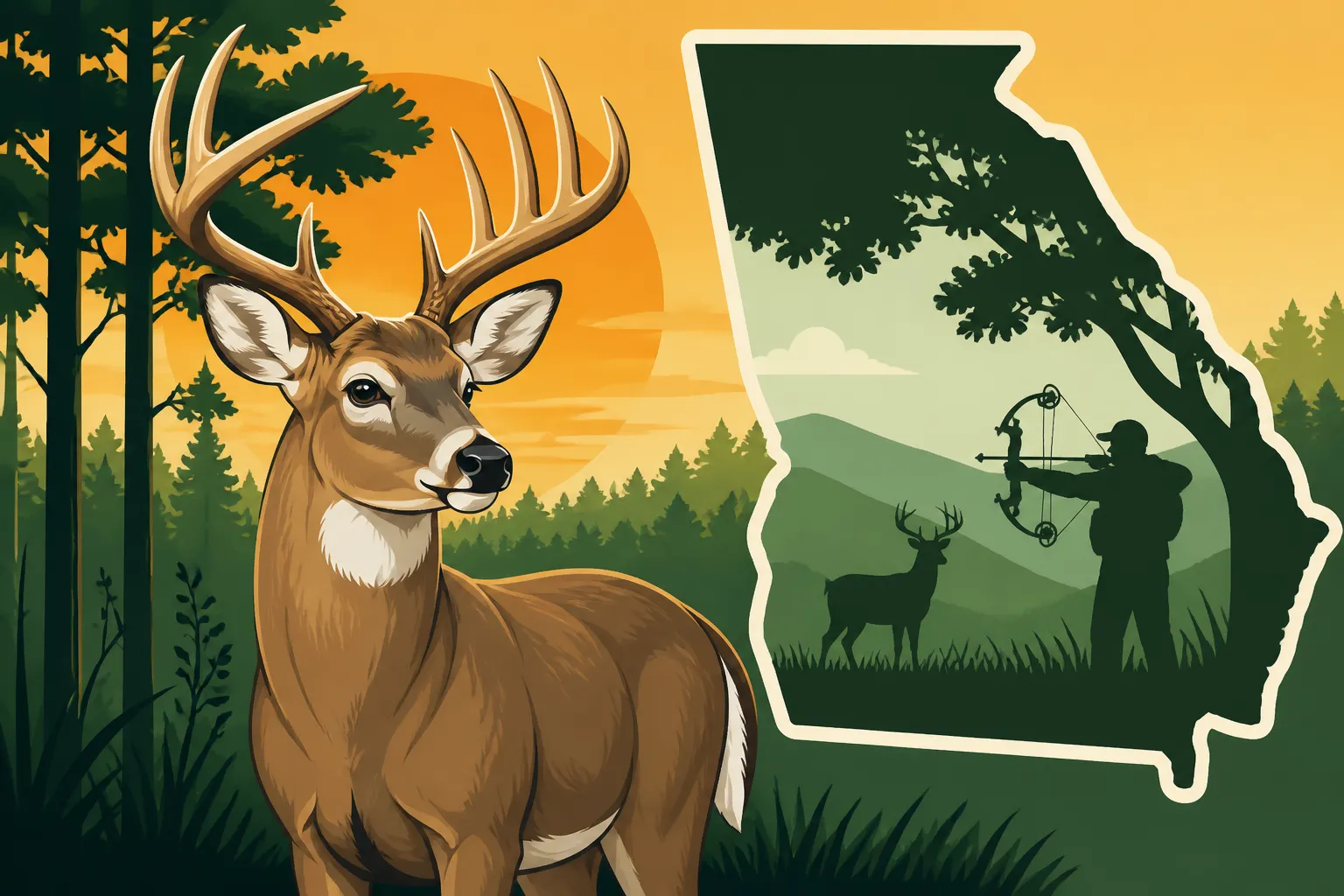
For many folks across Georgia, the sight of a white-tailed deer isn't just a fleeting glimpse of nature; it's a deep-rooted part of our heritage, our landscape, and for hunters, a central focus of countless hours spent outdoors. But managing and understanding this prevalent species in a state as diverse as Georgia presents unique challenges and opportunities. This comprehensive guide will explore the life, habits, and management of white-tailed deer, helping you appreciate and navigate their world.
Georgia's Deer Herd: A Success Story with Nuances
It's truly remarkable to think about how Georgia's deer population has bounced back over the decades. Not so long ago, deer were scarce, driven to near extinction by unregulated market hunting and habitat loss. Thanks to dedicated conservation efforts, strict regulations, and the adaptability of the whitetail, Georgia now boasts a thriving deer herd. However, this success story isn't without its complexities, requiring ongoing attention to balance deer numbers with ecological health and human interests.
A Brief History of Deer Management in Georgia
Rewind to the early 20th century, and deer in Georgia were a rare sight. The landscape had been heavily timbered, agriculture dominated, and enforcement of hunting laws was minimal. Hunters often traveled to other states to find deer. It wasn't until the mid-20th century that serious recovery efforts began, driven by organizations like the Georgia Game and Fish Commission (now the Georgia Department of Natural Resources, Wildlife Resources Division). These efforts included restocking deer from other areas, establishing wildlife refuges, and implementing seasons and bag limits. It was a slow, arduous process, but by the late 1900s, deer populations were booming. This historical context is crucial because it reminds us that the abundance we see today is not a given; it's a testament to sustained management and the commitment of hunters and conservationists.
Current Population Estimates and Trends
Today, Georgia's white-tailed deer population is robust, estimated to be well over a million animals. While exact numbers fluctuate annually based on factors like fawn recruitment, disease, and harvest rates, the herd generally remains healthy and widespread across all 159 counties. The state's diverse habitats, from the mountains to the coastal plain, provide excellent cover and food sources, allowing deer to flourish. We've seen shifts in density over the years, with some areas experiencing localized overpopulation, while others maintain more balanced numbers. The annual harvest data provides a crucial snapshot, indicating strong populations, with hunters consistently taking hundreds of thousands of deer each season. You can often find details on the current state of affairs by reviewing the Georgia Deer Herd Size data released annually by the WRD.
The Impact of Georgia's Progressive Management
Georgia's approach to deer management is a dynamic one, constantly adapting to new information and challenges. Our state's generous bag limits – a full twelve deer per hunter, with a maximum of two antlered bucks – are designed to allow hunters to be an effective management tool, particularly for controlling doe numbers. This strategy aims to keep the herd in check, preventing overbrowsing of habitat, reducing agricultural damage, and mitigating deer-vehicle collisions. Without active management, including hunting, deer populations could quickly outstrip their food supply, leading to unhealthy animals and widespread ecological damage. It's a testament to the foresight of our wildlife biologists that we enjoy such a healthy, sustainable deer resource today. The detailed rules for deer season are complex, but you can learn more about the specifics in articles like Georgia Deer Season Structure Explained.
Regional Differences: Where Georgia's Deer Thrive
Georgia is a state of incredible ecological diversity, and our white-tailed deer populations reflect this variety. A buck living in the rugged mountains of North Georgia faces a completely different environment than one in the flat pine forests of the Coastal Plain or the swampy river bottoms. Understanding these regional distinctions is key to understanding deer behavior and, of course, to successful hunting.
North Georgia Mountains: Rugged Terrain, Hard-Earned Bucks
Head up to the Appalachian foothills and mountains of North Georgia, and you'll find a deer population that’s often sparser than other parts of the state, but typically consists of hardier, more self-reliant animals. These deer navigate steep slopes, dense rhododendron thickets, and expansive oak-hickory forests. Food sources here can be less abundant and more scattered, depending heavily on mast crops like acorns, which can fluctuate year to year. Bucks here often have smaller body sizes than their southern counterparts due to the tougher environment, but they are incredibly cunning and accustomed to navigating challenging terrain. Hunters pursuing deer in this region often find themselves covering significant ground, relying on stealth and an understanding of how deer use elevation and saddles. Techniques like still-hunting or carefully placed treestands in funnels are often effective here, especially near food sources like oak flats or hidden benches. Setting up a solid Treestand Setups in North Georgia Mountains can make all the difference.
The Piedmont: Farmland and Forest Mix
The Piedmont region, stretching across the central part of Georgia, is a patchwork of agricultural fields, mature hardwoods, pine plantations, and suburban sprawl. This varied habitat offers an abundance of food—from agricultural crops like corn and soybeans to natural browse and acorns—and excellent cover. Consequently, deer densities in the Piedmont are often higher, and deer can grow to impressive sizes, particularly where nutrition is rich. You'll find deer adapting to farm edges, creek bottoms, and even the fringes of development. Hunters here must contend with both open field hunting scenarios and dense woods, often switching tactics to match the specific micro-habitat. Property lines can be a major factor, with deer often seeking refuge on unpressured private land. For hunters, carefully reading the landscape and utilizing scouting apps like GoHunt to identify property boundaries and potential bottlenecks is crucial for success. For those interested in scouting specific areas, understanding how to apply techniques like Reading Aerial Photos for Piedmont Deer can significantly increase your chances.
South Georgia Coastal Plain: Big Bucks and Pine Flats
Ah, South Georgia. The land of longleaf pine, vast agricultural fields, and often, some truly impressive bucks. The Coastal Plain is characterized by its relatively flat topography, extensive pine plantations, and rich, sandy soils that support a wide variety of forage. Deer here benefit from plentiful food sources, including planted crops, natural browse, and acorns from scattered oak hammocks. The mild climate also contributes to longer growing seasons and good deer health. It's no secret that this region consistently produces some of Georgia's largest-bodied and biggest-antlered deer. However, don't let the flat terrain fool you; hunting here requires a keen eye for subtle sign, understanding how deer use thick cover in pine flats, and adapting to vast tracts of land. Early season hunters often focus on agricultural fields, while later in the season, finding natural food sources within the pines or hardwood bottoms becomes key. It's truly an ideal place for growing quality deer, as explained in greater detail in Why Southwest Georgia Grows Big Bucks.
Swamps and River Bottoms: Hidden Gems
Throughout Georgia, particularly in the Piedmont and Coastal Plain, major river systems create vast tracts of bottomland hardwoods and cypress swamps. These areas, while often challenging to access and navigate, are sanctuaries for deer. They offer dense cover, abundant water, and unique food sources like swamp chestnuts, various water plants, and diverse browse. Deer that inhabit these river bottoms and swamps often learn to evade pressure by retreating into the almost impenetrable thickets and water-filled sloughs. They can be incredibly elusive, making hunting these areas a true test of grit and determination. Hunters willing to put in the effort, endure the bugs, and learn to read the subtle nuances of swamp deer sign can be handsomely rewarded with mature animals that rarely see human presence. Learning to hunt these challenging areas can lead to some truly memorable experiences, as detailed in Hunting Georgia Swamp and River Bottom Deer.
Understanding Deer Behavior and Habitat in Georgia
To truly connect with Georgia's white-tailed deer, whether you're a hunter, photographer, or just an admirer of wildlife, you need to grasp the rhythm of their lives. Their behavior is dictated by seasons, food availability, and the ancient urge to reproduce. Understanding these patterns is not just about success in the field; it's about appreciating the intricate web of nature.
Seasonal Movements and Food Sources
Deer are opportunists when it comes to food, and their movements are heavily influenced by what's available. In early spring, they flock to tender new growth—green shoots and forbs that burst forth after the winter lull. As summer progresses, they shift to lush agricultural crops like soybeans and corn, or natural mast like soft mast (berries, plums) and woody browse. When autumn arrives, the focus dramatically shifts to hard mast, primarily acorns. Oak trees are gold mines, and deer will travel significant distances to gorge themselves, building up fat reserves for the winter ahead. Identifying these key food sources and understanding their seasonal availability is paramount for locating deer. For example, during the late season, when natural forage becomes scarce, deer will often concentrate on specific, high-energy food sources, as explored in Late-Season Food Sources for Georgia Whitetails.
The Georgia Rut: Timing and Intensity
The rut, that magical period of breeding activity, is arguably the most anticipated time of year for deer enthusiasts. In Georgia, the timing of the rut can vary significantly depending on the region. Generally, it peaks in mid-October in many parts of the state, particularly the Piedmont, but can stretch into November in others, and even late December/early January in extreme South Georgia. During this time, bucks, normally secretive and nocturnal, become more active during daylight hours, driven by the urge to find receptive does. They will rub trees, scrape the ground, and engage in sparring matches. This increased activity makes them more visible and vulnerable, offering unique opportunities for observation and hunting. Understanding the nuances of this critical period, including specific regional variations, is essential for timing your efforts. For an in-depth look, check out Hunting the Rut in Mid-October.
Bedding Areas and Travel Corridors
Deer, like all animals, need places to rest and feel secure, and they need safe routes to get from those resting spots to their feeding areas. Bedding areas are typically located in dense cover—thick pine stands, briar patches, swamp islands, or steep, brushy hillsides in the mountains. These spots provide concealment from predators and shelter from the elements. Travel corridors are the paths deer use to move between these bedding and feeding grounds. These can be subtle, like faint trails through the woods, or obvious, like worn paths along a field edge, creek bottom, or ridge line. Identifying these key areas through scouting, particularly with tools like GoHunt that allow you to analyze terrain and satellite imagery, is fundamental. Look for natural funnels, pinch points, and cover transitions that dictate deer movement. The more you understand these patterns, the better you can predict where and when deer will appear.
Key Challenges: Managing Georgia's Deer Population
While Georgia's deer herd is largely healthy and abundant, it faces a number of challenges that require ongoing monitoring and adaptive management strategies. These issues impact not only deer health but also human communities and the broader ecosystem. Staying informed about these challenges is part of being a responsible steward of our wildlife.
Chronic Wasting Disease CWD Concerns
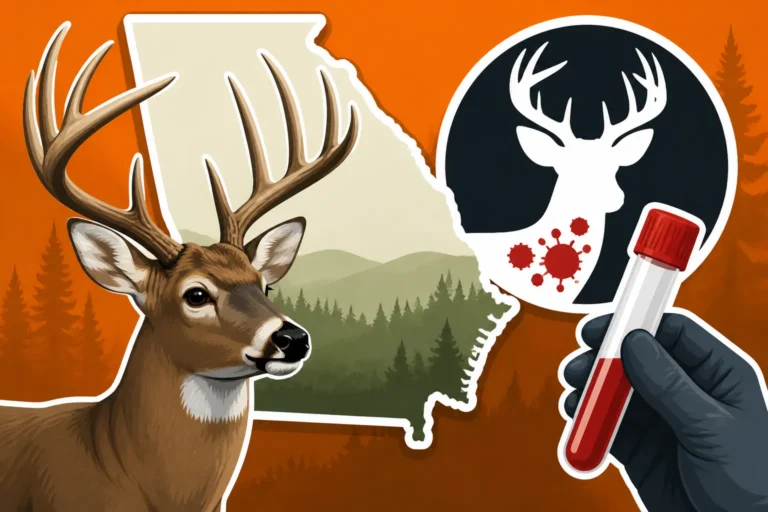
Chronic Wasting Disease (CWD) is a serious, fatal neurological disease affecting deer, elk, and moose. It's caused by abnormal proteins called prions and leads to progressive degeneration of the brain. The major concern with CWD is that it's always fatal, there's no cure, and it can remain in the environment for years, potentially infecting new animals. Georgia detected its first case of CWD in a hunter-harvested deer in 2023, which immediately triggered heightened surveillance and management actions, including the establishment of a CWD Management Area (CMA) in Southwest Georgia. This area has specific regulations regarding carcass movement and mandatory testing, designed to prevent the spread of the disease. This is a critical issue for the future of our deer herd, and hunters play a vital role in monitoring and reporting any suspicious-looking deer. You can learn more about the specifics of the situation in Georgia's Chronic Wasting Disease Management Area.
EHD Outbreaks and Other Health Issues
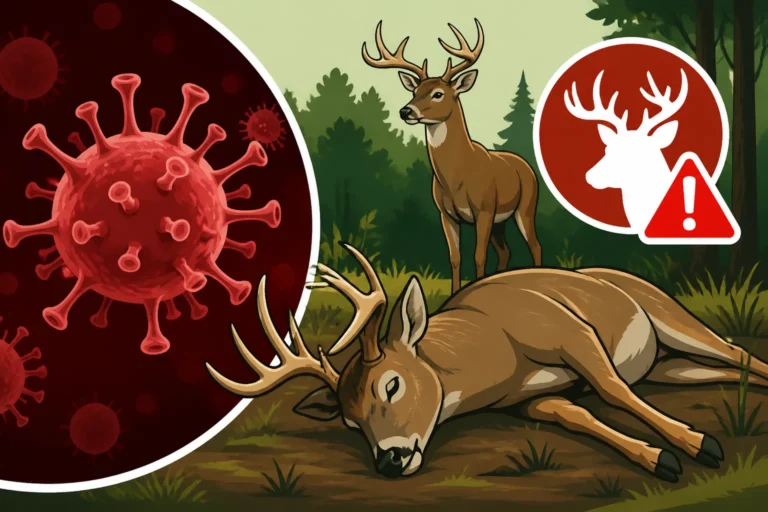
Epizootic Hemorrhagic Disease (EHD) is another significant health challenge for Georgia's deer. EHD is a viral disease transmitted by biting midges, often called "no-see-ums." While not typically fatal to humans, it can be devastating to deer populations, causing high fever, swelling, and internal hemorrhaging. Deer often seek water sources to cool down and may die near ponds or streams. EHD outbreaks are common during hot, dry spells in late summer and early fall, particularly after heavy rains that create abundant midge breeding sites. While EHD outbreaks can lead to localized deer die-offs, populations usually rebound relatively quickly due to the deer's reproductive capacity. Beyond EHD, deer can also be affected by various parasites, bacterial infections, and nutritional deficiencies, especially in areas where habitat quality is poor or populations are too dense. Wildlife biologists constantly monitor these issues to assess the overall health of the herd.
Urban Deer and Human-Wildlife Conflict
As Georgia's human population grows and urban areas expand, so too does the interface between people and wildlife. This has led to a noticeable increase in urban and suburban deer populations. While it's lovely to see deer from your backyard, these concentrated populations can lead to significant human-wildlife conflicts. Increased deer-vehicle collisions pose a serious safety hazard and financial burden. Extensive damage to landscaping, gardens, and agricultural crops becomes a common complaint. Furthermore, concentrated deer populations can sometimes contribute to the spread of diseases and parasites. Managing urban deer is particularly challenging due to restrictions on traditional hunting methods, safety concerns in populated areas, and differing public opinions on management strategies. Solutions often involve a combination of public education, controlled hunts, and non-lethal deterrents, all aimed at finding a balance where both deer and people can coexist safely.
Hunting White-Tailed Deer: Tactics Across the State
Hunting white-tailed deer in Georgia is a cherished tradition for many, offering a unique opportunity to connect with nature and put healthy, wild food on the table. But success rarely comes by chance; it's the result of preparation, adaptability, and understanding the specific nuances of Georgia's diverse hunting landscapes.
Adapt Your Approach to the Landscape
Just as deer behavior changes with the region, so too must your hunting tactics. In the dense, steep terrain of the North Georgia mountains, long walks and physical conditioning are essential. You might still-hunt slowly, listening for the crunch of leaves, or hang a lightweight stand on a ridge saddle overlooking a natural funnel. In the rolling Piedmont, a strategic ground blind or elevated stand overlooking a field edge or creek bottom might be the ticket, especially during the rut. Down in the vast South Georgia pine flats, patience is key. Still-hunting through the open woods, watching for subtle movements, or setting up along a well-used logging road can be effective. And for those tackling the swamps and river bottoms, be prepared for tough access, biting insects, and wet conditions; a well-placed ladder stand or even hunting from a small boat might be necessary. There is no one-size-fits-all approach, and seasoned hunters know how to adapt their gear and strategy to the specific environment. A comprehensive look at the seasons can be found in How Georgia's Deer Season Runs Archery to January.
Scouting and E-Scouting Essentials
No matter where you hunt, effective scouting is the cornerstone of success. This isn't just about walking in the woods a week before the season; it's an ongoing process. Pre-season scouting, looking for rubs, scrapes, tracks, and travel routes, helps you understand deer patterns before the pressure sets in. During the season, fresh sign, recent tracks in mud, and even observing deer movement from a distance can tell you where to focus your efforts. In today's world, "e-scouting" has become an indispensable tool. Using satellite imagery and topographical maps, accessible through platforms like GoHunt, you can identify potential bedding areas, funnels, and food sources from the comfort of your home. This allows you to plan your entry and exit routes, locate potential stand sites, and identify properties for permission requests more efficiently. Combining boots-on-the-ground scouting with advanced e-scouting techniques can dramatically increase your odds of success, as highlighted in Scouting Georgia Public Land Before Season.
Ethical Harvesting and Post-Harvest Practices
Being a responsible hunter goes far beyond simply pulling the trigger. It encompasses ethical shot placement, quick recovery, and respectful handling of the animal after the harvest. Always strive for a clean, humane shot, aiming for the vitals. If a deer is hit, prioritize a thorough blood trail and recovery effort, even if it means waiting or calling in help. Once the deer is down, field dressing quickly, especially in Georgia's often warm weather, is crucial for meat quality. Proper cooling and processing are equally important. Many hunters process their own deer, while others rely on local processors. Regardless, treating the animal with respect, utilizing the meat, and following all reporting requirements are fundamental aspects of ethical hunting. Georgia's generous bag limit means you have the opportunity to really contribute to herd management, but it also underscores the importance of proper handling for every animal, as you'd discover in Filling a Twelve-Deer Bag Limit. Remember to report your harvest using Georgia Game Check, as required by law.
The Future of White-Tailed Deer in Georgia
The story of white-tailed deer in Georgia is one of incredible resilience and successful management. But like any living resource, it requires continuous attention and adaptation. The future of our deer herd, and the hunting traditions associated with it, depends on ongoing conservation efforts, sound scientific research, and the active participation of Georgia's outdoor community.
Conservation Efforts and Hunter Contributions
The health and abundance of Georgia's deer herd are directly linked to decades of conservation work, much of which has been funded by hunters. Through the Pittman-Robertson Act, a federal excise tax on firearms, ammunition, and archery equipment, hunters directly contribute millions of dollars annually to wildlife management and habitat restoration across the country, including in Georgia. State hunting license fees, like those detailed in Georgia Hunting Licenses and What They Cost, also provide critical funding for the Georgia Department of Natural Resources, Wildlife Resources Division. These funds support crucial activities such as habitat improvement projects, deer population surveys, law enforcement, and educational programs. Beyond financial contributions, hunters are often the first line of defense against poaching, reporting suspicious activities, and serving as invaluable eyes and ears in the field, providing data and observations that aid wildlife biologists.
Research and Monitoring Programs
Good wildlife management is rooted in good science. The Georgia Department of Natural Resources (DNR) conducts extensive research and monitoring programs to keep a pulse on the state's deer population. This includes annual harvest surveys, which provide data on deer numbers, age structure, and antler quality. Biologists also conduct fawn recruitment studies, monitor health indicators like EHD, and actively manage habitat on public lands. With the recent detection of CWD, surveillance efforts have intensified, including mandatory testing in designated areas. Research projects often investigate deer movement patterns, habitat use, and the impact of various environmental factors. These ongoing studies provide the critical data needed to make informed management decisions, ensuring that regulations are effective in maintaining a healthy, sustainable deer population for future generations.
Balancing Hunter Opportunity with Herd Health
One of the biggest balancing acts in deer management is ensuring ample hunting opportunities while simultaneously safeguarding the long-term health of the herd. Georgia's management strategy, with its emphasis on liberal antlerless harvest and a two-buck limit, is designed to achieve this balance. The goal is not just to have "more deer" but to have a healthy deer population that is in balance with its habitat. This means preventing overpopulation, which can lead to habitat degradation, smaller deer, increased disease susceptibility, and more human-wildlife conflicts. While hunters naturally want good opportunities, the most responsible hunters understand that healthy deer and healthy habitat are paramount. By continuing to support science-based management, participating in legal and ethical hunting practices, and staying informed about issues like CWD, Georgia's outdoor community will play a vital role in ensuring a robust white-tailed deer population for decades to come.
Disclaimer
The information provided in this guide is for general informational purposes only and does not constitute legal advice. Hunting regulations, seasons, and licensing requirements are subject to change. Always consult the official Georgia Department of Natural Resources, Wildlife Resources Division regulations and local ordinances before engaging in any hunting activity. Safety should always be your top priority.