Georgia Blaze Orange Requirements
Stepping into the woods, especially during Georgia's bustling hunting seasons, can feel like navigating a complex web of rules and traditions. One of the most critical, yet sometimes confusing, aspects for hunters is understanding when and how to wear blaze orange. The frustration often comes from wanting to be safe and legal, but not always knowing the precise ins and outs of the law across different hunting scenarios. This guide will meticulously break down Georgia's blaze orange requirements, clarify common misunderstandings, and explain why this bright color is an absolute game-changer for hunter safety.
The Core Rule: When Blaze Orange is Non-Negotiable
Georgia's hunting regulations are pretty clear when it comes to blaze orange, but it's the nuances and exceptions that can trip folks up. At its heart, the rule is designed to ensure maximum visibility of hunters to each other, especially when firearms are in play. It’s all about preventing tragic accidents and making sure everyone comes home safely.
Firearms Deer Season and Public Land Requirements
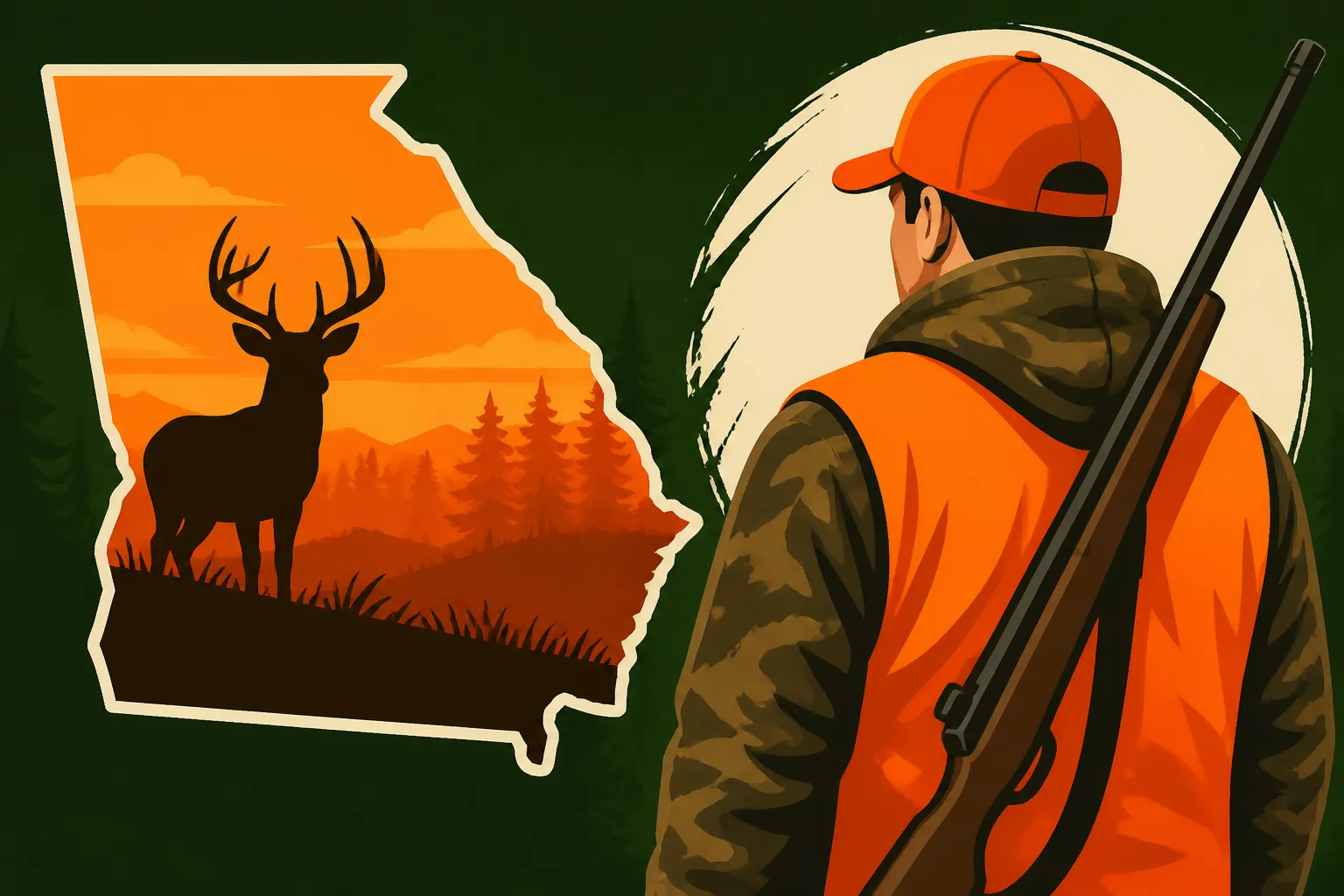
If you're out chasing whitetails with a firearm during the statewide deer season, whether on private land or public access points like a Wildlife Management Area (WMA), blaze orange isn't just a suggestion—it's the law. The Georgia Department of Natural Resources (DNR) mandates that any person hunting deer with a firearm, or any other species (except migratory birds, alligators, or bears during bear seasons where hunters are not required to wear orange) during the primitive weapons or firearms deer season, must wear at least 500 square inches of visible blaze orange above the waist. This includes a cap or hat as outer wear. Think about it: a crisp November morning, the woods are buzzing with activity, and visibility can be tricky with shadows and thick cover. That splash of orange becomes a beacon.
This requirement really kicks in once Georgia's Statewide Firearms Season Dates officially open. Before that, during the early archery or even the primitive weapons week, things might be a little different, but once gun season starts, you better be lit up like a traffic cone if you're pursuing deer. Even if you're not actively hunting deer but are targeting, say, coyotes or hogs during these overlapping seasons, the blaze orange rule still applies. You're sharing the woods, and safety for everyone is paramount. It's a common scenario to have a deer hunter in a stand and a hog hunter stalking through a creek bottom; blaze orange helps ensure they both know where the other is.
Exceptions and Misconceptions
Now, let's talk about where the waters can get a little muddy. Not every hunting scenario in Georgia requires blaze orange, and understanding these exceptions is just as important as knowing when it is mandatory. For example, during When Georgia's Archery Season Opens, you won't find a statewide mandate for blaze orange. Archers rely on stealth and camouflage to get close to game, and adding a bright color would defeat that purpose. However, some WMAs might have specific rules for archers during overlapping seasons, so always check the local regulations for the area you're hunting. It's a prime example of why checking specific WMA regulations is crucial, as they can sometimes differ from general statewide rules.
Another common misconception revolves around private land. While the law requires blaze orange on both public and private land during firearms deer season, some hunters assume private land offers more leniency. It doesn't. If you're out with a rifle on your own hunting lease, you still need to adhere to the 500 square inches rule. The only exceptions for not wearing blaze orange when hunting deer include bow hunters during archery-only season, hunters using a crossbow or muzzleloader during primitive weapons season, and hunters for certain species like migratory birds, alligators, or bear hunters during specified bear seasons. This means that if you're focused on Hunting the Rut in Mid-October and it overlaps with firearms season, orange is a must, regardless of whether you’re on a remote WMA or a cozy private timber block.
Understanding What Counts as "Blaze Orange"
When the DNR specifies "blaze orange," they're not just throwing around a cool-sounding color. There's a specific spectrum and visibility requirement that this hue meets, making it uniquely effective for hunter safety. It's not enough to just wear any orange; it needs to be the right kind.
The Minimum Coverage
Georgia law requires at least 500 square inches of visible blaze orange above the waist. This isn't just a random number; it's a measurement designed to provide sufficient visibility from all angles. To put that into perspective, a typical blaze orange vest might cover around 300-400 square inches, and a blaze orange hat adds another 50-100 square inches. So, often, a vest paired with a hat is the easiest way to meet or exceed the 500 square inch minimum. The key is that the orange must be visible, meaning it shouldn't be covered by a backpack, game bag, or an outer layer of camouflage.
Imagine you're walking through dense pine thickets or negotiating a swamp bottom. Your visibility might be limited, and so might the visibility of another hunter looking for game. That bright splash of orange, especially on your upper body and head, cuts through the natural hues of the forest. It creates a stark contrast that instantly registers as "human" rather than blending in with foliage or mimicking a deer's natural colors. This standard for coverage is about ensuring you’re seen, not just theoretically, but practically, in real-world hunting conditions.
Color versus Camo Orange
Here's another point of confusion: some hunting gear comes with "orange camo" patterns. While these might have splashes of orange in their design, they typically do not count toward the required 500 square inches of blaze orange. The intent of blaze orange is to make you stand out unequivocally, to disrupt your outline and shout "person!" to anyone else in the woods. Camouflage, by its very definition, is designed to break up an outline and help you blend in. Even if it has orange in the pattern, it usually lacks the solid, continuous block of color that provides the necessary visibility for safety.
The actual legal requirement specifies "blaze orange," which is a distinct, highly fluorescent shade. It's sometimes called hunter orange or safety orange. It's not a faded orange, a rust color, or a camouflage pattern that incorporates some orange. It needs to be that eye-popping, vibrant color that immediately draws the eye. When you're picking out your gear, especially for Rifle Setups for Georgia Deer Hunting or even just general woods wandering during firearm seasons, make sure you’re grabbing true blaze orange. Don't rely on orange accents in a camo pattern; grab a solid blaze orange vest and hat.
Why Blaze Orange Matters Beyond the Law
While legal compliance is a must, the reasoning behind the blaze orange requirement goes much deeper than just avoiding a citation. It's fundamentally about human lives and responsible hunting practices. It’s a tool that, when used universally, dramatically reduces the risks inherent in sharing the woods with others who are also carrying firearms.
Enhancing Hunter Safety and Visibility
The primary reason for blaze orange is simple: it saves lives by making hunters incredibly visible to each other. Studies have consistently shown that blaze orange is the most visible color to the human eye in natural settings, even in low light or dense cover. Deer and other game animals perceive colors differently than humans, typically seeing in shades of blues and yellows, making them largely indifferent to the vibrant orange that shouts "danger!" to us. So, wearing blaze orange won't alert your target animal, but it will certainly alert another hunter.
Consider a scenario where you're still-hunting through a thick stand of timber, moving slowly, cautiously. Another hunter might be doing the same, or perhaps sitting quietly in a ground blind or a treestand, focused on a deer trail. Without blaze orange, a sudden movement or a glimpse of a brown jacket could be tragically mistaken for game. But that solid block of fluorescent orange? It instantly communicates "human" and triggers a vital moment of recognition, allowing for a safer decision. This immediate, unmistakable identification is critical, particularly during busy times like Opening Weekend Tactics for Georgia Firearms Season when hunter density can be higher than usual.
The Psychological Aspect for Other Hunters
Beyond the physical visibility, there's a significant psychological benefit to blaze orange. When you see another hunter wearing it, you instantly recognize them as a responsible, safety-conscious individual. This fosters a sense of trust and awareness among everyone in the field. It's a visual cue that says, "I understand the rules, I'm taking precautions, and I expect you to do the same." This shared understanding contributes to a safer overall hunting environment.
Imagine spotting a hunter far off through the trees, their blaze orange vest unmistakable. Your brain instantly processes that information: hunter, not game, be aware of their position. This frees you up to continue your hunt with a reduced level of anxiety about accidental encounters. Conversely, encountering someone without proper blaze orange during a mandatory season can be unnerving. It raises immediate safety concerns and can create a feeling of unease. So, wearing blaze orange isn't just about your safety; it's about contributing to the safety and peace of mind of every other ethical hunter out there. It's part of the unspoken etiquette and shared responsibility of enjoying Georgia's outdoor heritage safely.
Navigating Specific Scenarios and Seasons
Georgia's diverse hunting opportunities mean a wide array of seasons and conditions. Understanding how blaze orange rules apply (or don't apply) to these specific situations is key to staying safe and legal. It’s not a one-size-fits-all rule for the entire year.
Archery Season Considerations
As mentioned, during the dedicated Bowhunting Georgia's Early Archery Season (unless on a WMA with special rules), blaze orange is generally not required for archers. The very nature of bowhunting demands stealth and camouflage to get within close range of game. Wearing bright orange would be counterproductive to that method.
However, just because it's not legally mandated doesn't mean you should completely dismiss it. Many bowhunters, especially those who hunt public lands where other activities (like hiking or primitive weapons hunters during overlap periods) might occur, choose to wear a blaze orange vest to and from their stand. They'll remove it once they're settled in for the hunt and put it back on before climbing down or walking out. This is a smart practice, particularly when Hunting Pressure on Georgia Public Land is high. It offers a layer of protection during transit, when you're most likely to be moving and potentially crossing paths with others. For instance, if you're heading in before dawn, when light is still low, a bright hat can make all the difference to a fellow hunter walking in.
Small Game, Turkey, and Predator Hunting
The rules for blaze orange can vary significantly for other species, and this is where many hunters get confused. When hunting small game like squirrels, rabbits, or even furbearers like coyotes and bobcats, if these seasons overlap with an open firearms deer season, then the blaze orange requirement for deer hunters generally applies to you as well. This is crucial for safety. For example, if you're out calling coyotes during November, you need to wear blaze orange because it's concurrently deer season.
For turkey hunting, specifically during Spring Turkey Hunting in Georgia, blaze orange is generally not required. Turkeys have excellent eyesight and can detect color, so wearing orange would undoubtedly hinder your chances. The same usually applies to waterfowl and alligator hunting, where specific camouflage or dark clothing is often necessary. However, remember the overarching rule: if you are hunting any species (except migratory birds, alligators, or bears during bear season where orange is not required) during a primitive weapons or firearms deer season, you must wear blaze orange. Always consult the current Georgia DNR regulations for the most up-to-date information, as rules can change annually.
Youth Hunters and Mentored Hunts
When it comes to our younger generation of hunters, safety is always the paramount concern. Georgia has specific provisions for youth hunters, and blaze orange plays a key role. During special youth hunting days or during regular seasons when accompanied by a mentor, junior hunters are also typically required to wear blaze orange when firearms are in use, just like adults.
Furthermore, Georgia's Georgia Apprentice Hunter License Rules allow new hunters, regardless of age, to experience hunting under the direct supervision of a licensed mentor without first completing hunter education. In these mentored situations, both the apprentice hunter and the mentor should pay extra attention to blaze orange requirements. The mentor, being the experienced hunter, bears the responsibility of ensuring the apprentice is properly outfitted and understands the safety implications of blaze orange. It's a fantastic opportunity to teach not just hunting skills, but also crucial safety habits from the very beginning.
Choosing the Right Blaze Orange Gear
Now that we've covered the why and when, let's talk about the practical side: what gear you should actually be looking for to meet these requirements. Not all blaze orange is created equal, and choosing the right pieces can make your hunt safer and more comfortable.
Vests, Hats, and Outerwear
The most common and often easiest way to meet the 500 square inch requirement is with a blaze orange vest and a blaze orange hat. Vests are designed to be worn over your existing hunting clothes and usually provide a significant portion of the required square inches. Look for vests that are durable, breathable, and easy to put on and take off. Some popular options come from brands like Primos or Hunter's Specialties. Many vests even offer additional pockets, which can be surprisingly handy for carrying a license, extra calls, or even a small snack.
A blaze orange hat or cap is almost universally accepted as part of the total square inch count and is a vital piece of safety gear. It keeps your head visible from above and at eye level. When choosing a hat, opt for one that’s comfortable, stays on securely, and is made of a material that can withstand some weather. Beyond vests and hats, you can also find full blaze orange jackets or pullovers. These can be great for colder weather, ensuring your visibility remains high even as you layer up. The key is to make sure whatever you choose remains the correct, vibrant "blaze orange" color and isn't obscured by other gear.
Layering with Blaze Orange
Georgia weather can be notoriously unpredictable, swinging from chilly mornings to warm afternoons, especially during the deer season. This makes layering essential for comfort. The good news is that blaze orange gear is designed to integrate seamlessly into your layering system. For warmer early season hunts, you might only need a lightweight blaze orange vest over a light long-sleeve shirt. If you're out during Cold-Weather Sitting Strategy in a Georgia January, you might be wearing a heavy insulated jacket. In this case, your blaze orange vest needs to fit comfortably over that bulky outer layer, or you might consider a blaze orange jacket as your outermost layer.
Another important aspect is how your blaze orange interacts with your backpack or other gear. If your pack completely covers the back of your vest, you’re losing a significant portion of your visible orange. Some vests are designed with wider panels or even incorporate orange directly onto the back of a compatible hunting pack. Always ensure that the 500 square inches remain visible from all angles. This means thinking about how your gear is positioned on your body and if it obstructs the bright color. Brands like Badlands or ALPS OutdoorZ offer packs with integrated orange or attachment points for orange panels, which can be useful when hunting with them during required seasons. For those using a system like GoHunt to scout and plan their trips, they often factor in weather conditions, which directly impacts layering decisions.
Blaze Orange Requirements by Hunting Activity (Table)
To make it a bit easier to visualize, here’s a quick reference table for common hunting scenarios in Georgia and their general blaze orange requirements. Always remember to check the official Georgia DNR regulations for the most current and specific details, especially for WMA-specific rules.
| Hunting Activity | Blaze Orange Required? | Minimum Coverage | Notes |
|---|---|---|---|
| Deer Hunting (Firearms Season) | YES | 500 sq. inches | Including cap/hat, above the waist. Applies to public & private land. |
| Deer Hunting (Primitive Weapons Season) | YES | 500 sq. inches | If using a firearm (muzzleloader). If using a crossbow, generally NO. |
| Deer Hunting (Archery Only Season) | NO | N/A | Recommended when walking to/from stand on public land. WMA rules may vary. |
| Small Game Hunting (during Firearms Deer Season) | YES | 500 sq. inches | If deer firearms season is open concurrently. |
| Small Game Hunting (outside Firearms Deer Season) | NO | N/A | Always check overlap with other firearm seasons. |
| Wild Turkey Hunting (Spring) | NO | N/A | Turkeys see color well. |
| Predator/Furbearer Hunting (during Firearms Deer Season) | YES | 500 sq. inches | If deer firearms season is open concurrently. |
| Waterfowl Hunting | NO | N/A | Camouflage is typically used. |
| Alligator Hunting | NO | N/A | Typically done at night. |
| Bear Hunting (during specified bear seasons only) | NO | N/A | Specific bear seasons have their own rules. |
Common Mistakes and How to Avoid Them
Even with the best intentions, it's easy to make mistakes when it comes to blaze orange. These often stem from assumptions or simply forgetting how different regulations can overlap. Being aware of these common pitfalls can help you avoid them and maintain a high level of safety in the woods.
Overlooking Overlaps with Other Seasons
One of the most frequent mistakes hunters make is forgetting that blaze orange requirements are often dictated by the concurrent seasons, not just the species they are personally pursuing. For example, you might be focused on Hunting Feral Hogs Year-Round in Georgia, which doesn't individually require blaze orange. However, if you're hog hunting with a rifle in November, when the statewide firearms deer season is in full swing, you must wear blaze orange. The deer season acts as the overriding rule for visibility.
This overlap scenario is critical to understand for anyone hunting small game, predators, or even just scouting during the firearms deer season. Always check the Georgia DNR hunting regulations to see which seasons are open for the specific county and dates you plan to be afield. A quick check of the regulations can prevent a potential fine and, more importantly, a safety hazard. It's not just about what you're hunting, but when and where you're hunting it. This is where tools like the GoHunt app or website, with their detailed season overlays, can be incredibly helpful in planning your outing safely.
The "Invisible" Hunter Trap
Another dangerous mindset is the "I'm hidden, so I don't need it" trap, or thinking that because you're in a ground blind or a treestand, you're somehow exempt from the rules. While a ground blind offers concealment, and a treestand elevates you, you are still a human being in the woods during a firearms season. Even if you feel perfectly concealed, movement to or from your position, or even just shifting in your stand, can make you visible to another hunter.
The law requires blaze orange above the waist precisely because these areas are most visible in varied terrain. Even if you’re perched high in a Treestand Setups in North Georgia Mountains, your cap or the upper portion of your vest can still be seen from a distance. The purpose of blaze orange isn't to make you feel safe; it's to make you seen by others. Don't rely on your camouflage or your elevated position to protect you from another hunter's line of sight. Always prioritize being seen, especially when sharing the woods during busy times. After all, the best defense against an accident is being unmistakably identified as a fellow hunter.
Georgia Hunter Education Requirements
It's worth noting that Georgia has specific Georgia Hunter Education Requirements for most hunters born on or after January 1, 1961. These courses emphasize safety, ethics, and understanding regulations like blaze orange. Completing one of these courses is not just a legal requirement for many; it's an investment in your safety and the safety of everyone around you in the field. These courses cover critical aspects like firearm safety, ethical hunting practices, and, of course, the importance of blaze orange. The knowledge gained in hunter education reinforces why rules like blaze orange are in place and helps instill a culture of safety from the start.
Final Thoughts on Safety Afield
Ultimately, blaze orange in Georgia isn't just a piece of fabric; it's a critical component of hunter safety culture. It's a visual agreement among hunters to look out for each other, to make ourselves visible, and to prevent tragic accidents. Whether you're a seasoned veteran or new to Georgia Hunting Licenses and What They Cost, understanding and adhering to these requirements is paramount. Remember to always consult the current Georgia DNR hunting regulations, verify specific WMA rules, and make blaze orange a non-negotiable part of your gear during any season that mandates it. Stay safe out there, and enjoy Georgia's incredible hunting opportunities.
Disclaimer
Please remember that hunting regulations, seasons, and licensing requirements can change. This article provides general information and should not be considered a substitute for the official Georgia Department of Natural Resources (DNR) hunting regulations. Always consult the latest Georgia DNR publications and official sources before heading afield to ensure compliance with all current laws.