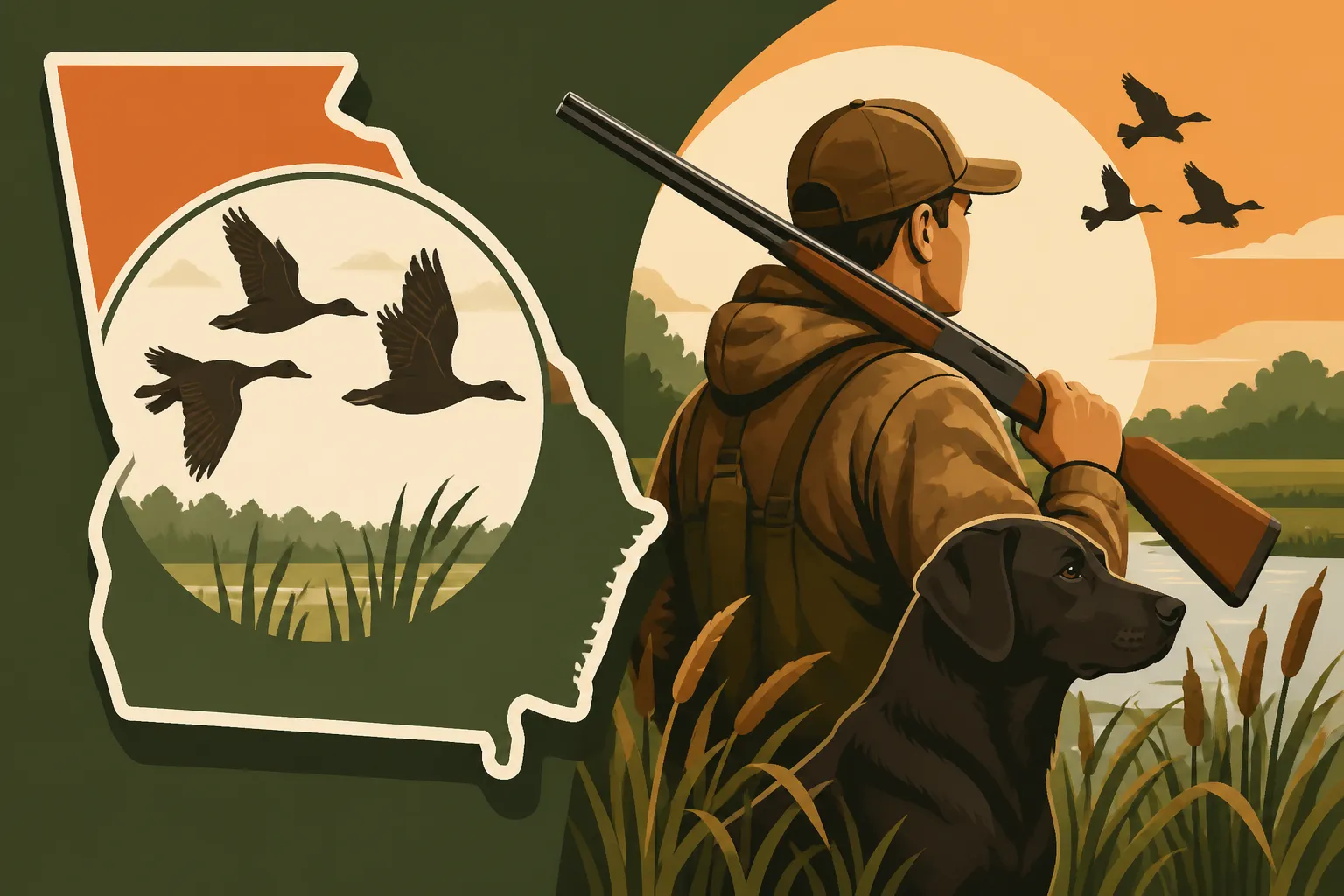
Georgia Migratory Bird Certification
It can be incredibly frustrating to get ready for a fantastic day of dove hunting, teal season, or a full-on duck shoot, only to realize you might have missed a crucial step in the paperwork process. There are so many regulations for Georgia hunting, and migratory birds have their own unique set of rules that often trip up even seasoned hunters. This guide is here to walk you through everything you need to know about Georgia Migratory Bird Certification, ensuring you're legally prepared and ready to hit the field or the marsh with confidence.
Understanding Migratory Bird Certification in Georgia
Hunting migratory birds in Georgia isn't as simple as just grabbing your regular hunting license and heading out. There's a vital additional step that many overlook, and it’s critical for both legal compliance and the long-term health of our bird populations. This step is called the Harvest Information Program, or HIP certification. It's a federal program, but you complete it through Georgia's licensing system.
What is HIP Certification and Why Do You Need It?
HIP certification is essentially a way for wildlife agencies, both state and federal, to collect data on migratory bird hunters. When you certify, you answer a few simple questions about your hunting success from the previous season. This information, combined with data from hunters across the country, helps biologists estimate the total harvest of species like doves, ducks, geese, woodcock, and snipe. Without this data, it would be much harder for the U.S. Fish and Wildlife Service (USFWS) and the Georgia Department of Natural Resources (GA DNR) to make informed decisions about bag limits, season lengths, and overall conservation strategies. Think of it as your small but mighty contribution to ensuring that future generations can enjoy the same incredible hunting opportunities we have today. It's not just a hoop to jump through; it's a foundational piece of science-based wildlife management.
Who Needs to be HIP Certified?
If you plan on hunting any migratory birds in Georgia, you need to be HIP certified. This isn't just for ducks and geese, which often get the most attention. It applies to a broad range of species, including mourning doves, woodcock, snipe, rails, gallinules, and coots. Essentially, if the bird flies south (or north, depending on the season!) and crosses state lines, it's probably considered a migratory bird, and you'll need that certification. There are generally no age exemptions for HIP certification; if you're hunting these species, you need it. This includes both residents and non-residents. So, whether you're a long-time Georgia resident heading out for Dove Hunting Georgia Opening Weekend or an out-of-state hunter planning to experience Georgia Waterfowl Hunting on Coast and Swamp, HIP certification is a mandatory part of your preparation.
The Importance of Accurate Reporting
When you go through the HIP certification process, you'll be asked about your hunting activity and success for the previous season. While it might seem like a quick survey, the accuracy of your answers is incredibly important. The data collected from millions of hunters like you directly influences the hunting regulations for migratory birds nationwide. If hunters consistently underreport or overreport their harvest, the USFWS could make decisions that either restrict opportunities unnecessarily or, more dangerously, allow overharvesting that could harm bird populations. It's about being a responsible steward of the resource. Taking an extra minute to recall your previous season's success as accurately as possible helps ensure the future of these incredible species and the traditions tied to hunting them. This commitment to data integrity is why agencies rely on programs like HIP.
How to Get Your Georgia Migratory Bird Certification
Getting your migratory bird certification in Georgia is thankfully a pretty straightforward process, but it does require attention to detail and an understanding of the timeline. It's not something you do once and forget about; it's an annual requirement that pairs with your regular hunting license.
Online Registration Through Go Outdoors Georgia
The primary and most convenient way to obtain your Georgia Migratory Bird Certification is through the state's official licensing platform, Go Outdoors Georgia. This online system is a one-stop shop for all your hunting and fishing license needs in the state. When you log in to purchase or renew your general Georgia hunting license, you'll be prompted to add the HIP certification if you indicate an interest in hunting migratory birds. It's typically a free add-on, but it's crucial to select it.
The process usually involves clicking a few boxes and answering those essential harvest questions from the previous year. If you've never been HIP certified before, you'll simply answer that you didn't hunt migratory birds last year. It’s quick, user-friendly, and if you use platforms like GoHunt to manage your licenses and scout new areas, you'll find the interface very intuitive, often with helpful reminders about requirements. Make sure your email address is current in your profile, as this is how you'll receive confirmations and, sometimes, reminders about renewing.
The Role of a Valid Georgia Hunting License
It's impossible to get your Georgia Migratory Bird Certification without first having a valid Georgia hunting license. The HIP certification is an endorsement or addition to your base hunting license, not a standalone permit. So, before you even think about teal season or those fast-flying doves, ensure your primary Georgia hunting license is up to date.
For Georgia residents, this might mean a simple annual hunting license or a more comprehensive option like the Resident Sportsman's License, which bundles various permits and endorsements. Non-residents also need a valid Georgia non-resident hunting license. Understanding Georgia Resident Hunting License Options and Georgia Nonresident Hunting License Options is the first step. If you've got a lifetime license, you'll still need to go through the annual HIP certification process to ensure your data is captured for that season. Essentially, consider your hunting license the key, and HIP certification as the specific lock that migratory bird hunting requires.
When to Certify: Annual Renewal and Deadlines
This is where many hunters get caught out: HIP certification is an annual requirement. It expires when your hunting license expires, typically at the end of a license year, which in Georgia is usually August 31st. This means that even if you got your HIP certification last September for dove season, you'll need to re-certify again before next September if you plan to hunt those birds again.
There isn't a hard "deadline" in the traditional sense, but you absolutely must have your current HIP certification before you step into the field to hunt migratory birds. Many hunters make a point to renew their entire license package, including HIP, right before the Georgia Archery Season Opening Day or Georgia Dove Season Opening Weekend to ensure they're covered for the entire season. Don't wait until the morning of your hunt to realize you forgot! Platforms like GoHunt can sometimes offer digital reminders, but it's ultimately your responsibility to stay current. A good practice is to tie it to a specific date in your calendar or make it part of your annual pre-season gear check.
Specific Migratory Bird Hunting Regulations in Georgia
Beyond the general HIP certification, migratory bird hunting in Georgia comes with its own unique set of federal and state regulations that differentiate it from, say, deer or bear hunting. These rules are in place to manage species that travel vast distances and are subject to pressures across multiple states and even countries.
Federal Duck Stamp Requirements
If your migratory bird hunting plans include ducks, geese, or swans, you'll need more than just your HIP certification and state license. You'll also need to purchase a Federal Migratory Bird Hunting and Conservation Stamp, more commonly known as a "Federal Duck Stamp." This stamp is a federal requirement for anyone 16 years of age or older hunting waterfowl. It's a physical stamp, though many purchase the e-stamp version online through Go Outdoors Georgia or even from local post offices and sporting goods stores. The e-stamp is valid for 45 days, giving you time for the physical stamp to arrive in the mail.
What's really cool about the Federal Duck Stamp is that 98% of the purchase price goes directly to conserving wetland habitats for migratory birds and other wildlife. This means when you buy a duck stamp, you're directly contributing to the very habitats that birds like those you'll find in Georgia Waterfowl Hunting on Coast and Swamp rely on. It's a direct investment in the future of waterfowl hunting and conservation across the nation. Always keep it signed and readily available when hunting, as it's a critical piece of documentation. For more details, check out Georgia Federal Duck Stamp Requirement.
Understanding Bag Limits and Season Dates
Migratory bird bag limits and season dates can be complex because they are determined by both federal frameworks and state-specific regulations. The U.S. Fish and Wildlife Service sets overall frameworks for migratory bird seasons, and then individual states like Georgia work within those frameworks to establish their specific dates and bag limits. This means that while there's a general waterfowl season, the exact opening and closing dates, as well as species-specific daily and possession limits, are set by the GA DNR.
For species like doves, you'll often see split seasons, where there are distinct periods for hunting, usually coinciding with migration patterns. Waterfowl seasons are also often split and vary by duck zone. It's absolutely crucial to consult the current Georgia Hunting Regulations digest every year, as dates and limits can change based on population surveys and environmental factors. For instance, understanding Georgia Waterfowl Migration Timing can give you an edge, but always verify current dates in the official regulations. You don't want to accidentally exceed the Georgia Dove Season Bag Limit because you were relying on last year's knowledge.
Legal Ammunition and Shotgun Restrictions
When you're out chasing migratory birds, especially waterfowl, your choice of ammunition is highly regulated. Federal law mandates the use of non-toxic shot for hunting all waterfowl (ducks, geese, swans, coots, and cranes) nationwide. This is a critical conservation measure designed to prevent lead poisoning in birds that ingest spent shot. Common non-toxic alternatives include steel, bismuth, or tungsten-based shot. This rule also applies to certain Wildlife Management Areas (WMAs) and other specific hunting areas, regardless of the game you're pursuing. Always double-check the regulations for your specific hunting location, as some areas might extend non-toxic shot requirements to all small game. Knowing Where Nontoxic Shot Is Required in Georgia is not just good practice, it's the law.
Beyond ammunition, shotguns used for migratory bird hunting also have a specific restriction: they must be "plugged" or otherwise limited to hold no more than three shells total in the magazine and chamber combined. This typically involves inserting a wooden or plastic plug into the magazine tube. This rule applies to all migratory birds, from ducks to doves, and is a non-negotiable part of ethical and legal hunting.
Common Pitfalls and How to Avoid Them
Even the most experienced hunters can occasionally make mistakes when it comes to the nuances of migratory bird hunting. The rules are specific, they change annually, and sometimes, memory can be a bit fuzzy. But with a little preparation and awareness, you can easily avoid these common pitfalls.
Forgetting to Re-certify Each Year
This is probably the most common mistake: hunters simply forget that HIP certification is an annual requirement. They remember it for dove season, hunt successfully, and then come next year, they just buy their regular license, forgetting to go through the HIP questionnaire again. The consequences can be severe, ranging from fines to confiscation of equipment, and it's certainly not how you want to start a hunt.
To avoid this, make it a habit. When you renew your main Georgia hunting license, always select the HIP certification option. Set a recurring reminder on your phone or calendar for August, which is usually when new licenses become available for the upcoming season. If you use a hunting app or platform like GoHunt, ensure your notifications are turned on, as many of these tools integrate with state licensing systems and can send reminders. It’s a quick click that saves a world of trouble.
Misidentifying Species and Bagging Illegally
Migratory bird identification can be tricky, especially for ducks and geese where there are many similar-looking species with different bag limits. For example, some duck species might have a daily limit of one, while others allow for several. Accidentally shooting a protected species, or exceeding the limit on a less common one, can lead to serious legal issues. This is particularly relevant when ducks are flying fast in low light conditions.
The best way to avoid this pitfall is through continuous education. Invest in a good field guide specific to North American waterfowl and migratory birds. Spend time observing birds in their natural habitat, and practice identifying them by sight and sound. Many conservation organizations offer bird identification courses, and even a quick search online can yield excellent resources. If you're unsure, it's always better to let a bird fly past than to risk an illegal harvest. Your patience and knowledge will serve you well, ensuring ethical and legal hunting.
Overlooking Federal vs. State Regulations
As we touched on earlier, migratory bird hunting is governed by a patchwork of federal and state laws. Sometimes, state regulations can be more restrictive than federal guidelines. For example, while the federal framework might allow for a certain season length, Georgia might choose to have a shorter season or lower bag limits for conservation reasons specific to the state's bird populations or hunting pressure.
It's vital to always prioritize the most restrictive regulation. Never assume that because something is legal at the federal level, it's automatically legal in Georgia. Always, always, always refer to the current year's Georgia Hunting Regulations digest. This official publication will clearly outline all state-specific seasons, bag limits, and rules. For example, while federal guidelines set broad parameters, it's Georgia DNR that publishes the exact Georgia Spring Turkey Season Rules or the specifics around dove hunting splits. Stay informed, and you'll stay legal.
Planning Your Migratory Bird Hunts in Georgia
Now that you're well-versed in the certification and regulatory aspects, let's talk about the fun part: planning your actual hunts. Georgia offers incredible opportunities for various migratory bird species, from the bustling dove fields of the Piedmont to the serene, duck-filled swamps of the Coastal Plain.
Scouting and Habitat for Different Species
Effective scouting is paramount for successful migratory bird hunting. Different species prefer different habitats and food sources. For instance, doves are often found in agricultural fields, especially those with sunflowers, corn, millet, or cut grains. Learning to recognize good Setting Up a Dove Field Before Opening Day can make all the difference. You'll want to scout fields in the weeks leading up to the season, observing flight patterns and feeding activity.
Waterfowl, on the other hand, require water. Ducks might be found in flooded timber, beaver ponds, large rivers, or coastal marshes. Species like wood ducks prefer wooded swamps and small creeks, while mallards might be found in flooded agricultural fields. Geese often frequent large open fields, especially those planted with winter wheat or corn stubble. Even smaller game like snipe and woodcock have specific habitat needs, typically preferring moist, open ground or dense thickets near water. Pay attention to Georgia Waterfowl Migration Timing and adjust your scouting accordingly.
Essential Gear Beyond the Certification
While your licenses and certifications are critical, they won't put birds in your bag! Having the right gear is essential. For dove hunting, a comfortable chair or stool, plenty of shells, and good camouflage are usually sufficient. A cooler with water and snacks is also a must for those warm early-season days.
For waterfowl, the gear list expands significantly. You'll likely need decoys, a variety of calls (like a mallard call or a Canada goose call), and possibly a blind – whether it's a layout blind for a field hunt or a portable blind for the marsh. Waders are almost always a necessity for duck hunting in Georgia's swamps and marshes. Shotgun choice is also important, with many hunters opting for 12-gauge or 20-gauge shotguns, patterned correctly for non-toxic loads. Don't forget bug spray, especially for early season hunts, and appropriate clothing layers. For a deeper dive into gear, check out Waterfowl Gear for Coastal Georgia Marsh.
Here’s a quick overview of essential gear by species type:
| Item | Dove Hunting | Duck/Goose Hunting | Woodcock/Snipe Hunting |
|---|---|---|---|
| Valid GA Hunting License | Required | Required | Required |
| HIP Certification | Required | Required | Required |
| Federal Duck Stamp | Not Required | Required | Not Required |
| Non-Toxic Shot | Not Required | Required | Not Required |
| Shotgun Plug | Required | Required | Required |
| Calls | Optional | Essential | Optional |
| Decoys | Optional | Essential | Not Required |
| Waders/Boots | Boots | Waders (often) | Waterproof Boots |
| Camouflage/Blinds | Camo | Camo/Blind | Camo |
| Bug Spray | Essential | Essential | Essential |
| Cooler | Essential | Essential | Recommended |
Public vs. Private Land Access for Migratory Birds
Georgia offers excellent opportunities for migratory bird hunting on both public and private lands. Public land options include numerous Wildlife Management Areas (WMAs) and national forests. Many WMAs, especially those along major river systems like the Altamaha River or near the coast, offer fantastic waterfowl hunting opportunities, often managed with specific flooded impoundments or access points. An example is Altamaha WMA Waterfowl Access. Be aware that WMAs often have specific sign-in procedures, hunt dates, and sometimes even quota hunt requirements for migratory birds. Always check the WMA-specific regulations before you go.
For dove hunting, private land often holds the most consistent opportunities. Many landowners plant specific dove fields or allow hunting on cut crop fields. Securing private land permission, as discussed in Getting Private Land Permission in Georgia, often involves knocking on doors, building relationships with landowners, or joining a hunting club. The benefit of private land is often less pressure and more control over habitat management. Regardless of where you choose to hunt, always be respectful of land rules, other hunters, and the wildlife resource.
Disclaimer
This guide provides general information about Georgia Migratory Bird Certification and associated hunting regulations. Hunting laws and regulations can change frequently. It is the hunter's responsibility to consult the most current Georgia Department of Natural Resources (GA DNR) hunting regulations digest before participating in any hunting activity to ensure full compliance with all state and federal laws.