Why Georgia Cut the Turkey Bag Limit
For many of us who grew up chasing gobblers across Georgia's pine forests and hardwood bottoms, the news hit hard: the state's turkey bag limit was cut. It's a change that left a lot of hunters scratching their heads, wondering why a tradition we cherish, and a resource we thought was thriving, suddenly needed such a significant adjustment. This guide aims to pull back the curtain on the decision, diving deep into the biological realities, the data that drove the change, and what it means for the future of wild turkey hunting here in the Peach State.
The Historical Context of Georgia's Turkey Population
To really understand why the turkey bag limit was cut, we need to take a quick stroll down memory lane and look at the fascinating journey of wild turkeys in Georgia. It’s a story of both incredible loss and amazing recovery, which ultimately shaped how we hunted these magnificent birds for decades.
The Rise and Fall of Wild Turkeys in Georgia
Back in the day, Georgia was teeming with wild turkeys. They roamed freely across vast tracts of unbroken wilderness. But as human populations grew, logging intensified, and unregulated hunting became widespread, turkey numbers plummeted. By the early 20th century, wild turkeys were practically extirpated from much of the state, hanging on only in the most remote, untouched corners. It was a dire situation that conservationists and hunters alike recognized couldn't continue.
Then came the concerted restoration efforts. Starting in the mid-20th century, state and federal agencies, often with crucial support from organizations like the National Wild Turkey Federation, began an ambitious trap-and-transfer program. Wild turkeys were captured in areas where populations were stable and released into suitable habitats across Georgia. This was a monumental undertaking, and it worked, perhaps even better than anyone could have imagined. Over several decades, turkey populations exploded, spreading into nearly every county. Suddenly, gobbling birds were a common sound again, and hunters saw a resurgence of opportunity. This success story made us feel like the turkey resource was limitless, a feeling that, in retrospect, might have clouded our judgment a little bit. If you're curious about the broader picture, you can learn more about Georgia Turkey Population Trends.
Early Season Management and Hunter Expectations
With the turkey population booming, Georgia’s wildlife agencies responded by implementing liberal hunting seasons and bag limits. For years, hunters enjoyed a relatively long season with a three-bird limit, and sometimes even higher daily limits depending on the specific regulations of the past. This created an expectation among hunters that the good times would just keep rolling. We saw plenty of birds, heard plenty of gobblers, and success rates were often quite high, especially on private land. It fostered a sense of abundance, where taking multiple birds each spring seemed like a natural and sustainable part of the tradition.
This era of generous limits also allowed for a particular style of hunting, where hunters might take a bird, then regroup and go after another one later in the season. There wasn't as much pressure to make every shot count or to be extremely selective, because there were generally more tags in our pockets. However, what many didn't realize was that even while harvest numbers looked good, underlying biological metrics were beginning to subtly shift, hinting at future challenges. Hunters often rely on tools like the GoHunt app to keep up with these regulations and track their harvest, but even with the best tools, without the right data, the full picture can be hard to see. For a deeper dive into the reasons for past declines, check out Why Georgia Turkey Numbers Declined.
Understanding the Scientific Concerns and Data
The decision to cut the turkey bag limit wasn’t made on a whim or based on anecdotal evidence. It was the result of years of dedicated research, data collection, and careful analysis by wildlife biologists. They started noticing trends that, while not immediately obvious to the average hunter, painted a concerning picture for the long-term health of Georgia’s wild turkey population.
Declining Poult-to-Hen Ratios and What They Signify
One of the most critical pieces of data that biologists meticulously track is the poult-to-hen ratio. Simply put, this measures how many young turkeys (poults) are surviving per adult hen. This ratio is a strong indicator of reproductive success and recruitment into the population. When this number is high, it means more young birds are making it to maturity, replenishing the flock. When it's consistently low, it signals trouble.
For several years leading up to the limit change, Georgia's poult-to-hen ratios were showing a steady decline. What might seem like a small dip on paper translates to significantly fewer birds surviving to the next season. Imagine having fewer freshmen entering college each year; eventually, your total student body shrinks. That's essentially what was happening with our turkeys. Even if hunters were still seeing a fair number of adult birds, the pipeline of new, young birds wasn't strong enough to sustain those numbers over time. This metric is a crucial gauge of the population's future, and for more detail, you can read about Poult-to-Hen Ratios and What They Mean.
The Role of Nest Predation and Habitat Loss
While hunting pressure is a factor, it’s rarely the sole culprit when a game species experiences a decline. Biologists identified two other major ecological pressures contributing to the turkey population struggles: increased nest predation and widespread habitat loss.
-
Nest Predation: Georgia's landscape is home to a robust population of predators, including raccoons, opossums, bobcats, and perhaps most notably, coyotes. While these predators are a natural part of the ecosystem, their numbers, particularly coyotes, have increased significantly in many areas. These opportunistic hunters are highly effective at finding and destroying turkey nests and preying on vulnerable poults. A hen might lay a clutch of 10-12 eggs, but if multiple predators find her nest, or if a significant portion of her poults are taken in the first few weeks of life, that entire reproductive effort is lost. This continuous pressure on nests and young birds has a compounding effect on population decline. The complexities of this issue are explored further in Nest Predation and Georgia Turkey Hatches.
-
Habitat Loss and Degradation: Turkeys thrive in diverse habitats – a mix of mature hardwoods for roosting and foraging, open areas for bugging and dusting, and dense undergrowth for nesting and brood-rearing cover. Unfortunately, Georgia's landscape is constantly changing. Urban and suburban sprawl eats away at prime turkey habitat. Intensive timber management practices, while sometimes beneficial, can also reduce habitat diversity if not carefully planned. When nesting cover is sparse, hens are more exposed to predators. When food sources are fragmented, birds have to travel further, increasing their risk. Losing those critical habitat components directly impacts a turkey’s ability to reproduce and survive, making it harder for the population to rebound even with reduced hunting pressure.
The Georgia DNR's Decision-Making Process
Changing a beloved hunting regulation like the turkey bag limit is never an easy decision, and it’s certainly not one taken lightly. The Georgia Department of Natural Resources (DNR) wildlife biologists and leadership went through a thorough, data-driven, and public-facing process to arrive at the new regulations.
Public Input and Hunter Feedback
Before any final decisions were made, the Georgia DNR actively sought input from the hunting public. They held public meetings, conducted online surveys, and engaged with various hunting organizations across the state. This wasn't just a formality; it was a genuine effort to understand hunters' perspectives, concerns, and observations from the field. Many hunters, myself included, expressed frustration and skepticism. We'd been seeing birds, hearing gobblers, and the thought of reducing our opportunities was naturally unwelcome.
However, the DNR also presented the scientific data – those declining poult-to-hen ratios, the concerns about recruitment, and the broader ecological factors at play. It was a tough pill for many to swallow, reconciling our personal experiences in the woods with the broader, long-term trends shown in the data. The process highlighted the delicate balance between listening to the passionate voices of hunters and adhering to the scientific principles necessary for sound wildlife management. Understanding the rules for the season is crucial, and you can always check Georgia Spring Turkey Season Rules for the latest.
Balancing Hunter Opportunity and Long-Term Sustainability
The core challenge for the DNR was to strike a balance between providing reasonable hunting opportunities for the current generation and ensuring the long-term sustainability of the wild turkey population for future generations. It’s a classic conservation dilemma: do you continue with liberal limits that provide immediate satisfaction but risk a severe population crash down the road, or do you make a proactive, sometimes unpopular, decision to conserve the resource?
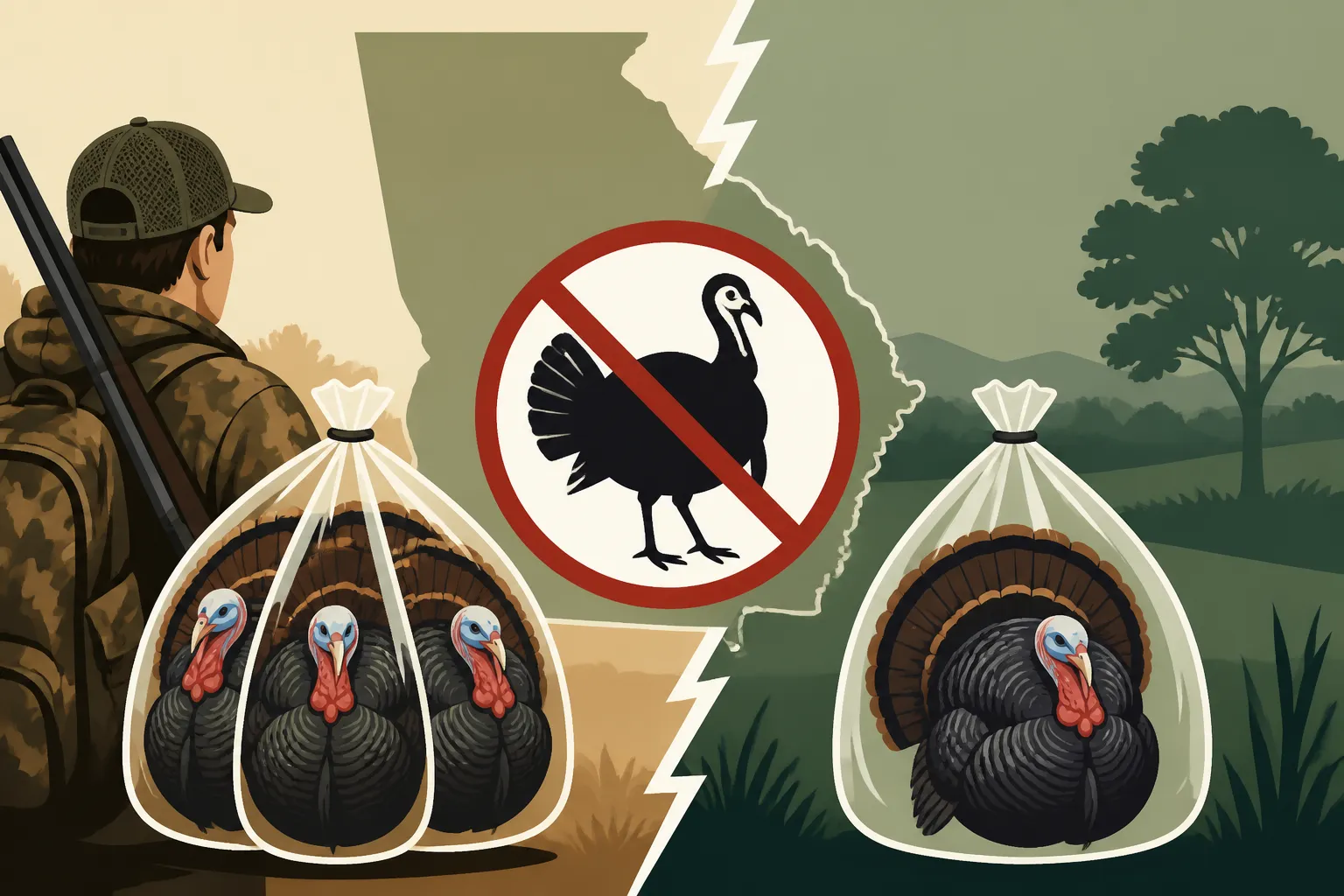
In the end, the data strongly pointed towards the need for a more conservative approach. The two-bird season limit, along with a one-bird daily limit, was chosen as a measure to reduce overall harvest pressure and allow the turkey population a better chance to recover. The goal wasn't to eliminate hunting but to ensure that the breeding population could stabilize and grow. This decision reflects a commitment to responsible wildlife stewardship, acknowledging that sometimes short-term sacrifices are necessary for long-term gains. The DNR closely monitors Georgia Turkey Harvest Numbers to assess the impact of these changes.
The Impact of the New Regulations on Hunters
While the biological reasons for the change are clear to wildlife managers, the real-world impact on hunters has been significant. It's forced many of us to re-evaluate our strategies, priorities, and even our definition of a successful turkey season.
Adjusting Tactics for a Two-Bird Limit
For years, many Georgia turkey hunters enjoyed the luxury of multiple tags, sometimes leading to a more aggressive hunting style aimed at harvesting several birds. With the new two-bird limit, and more importantly, the one-bird daily limit, hunters have had to adjust their entire approach. The focus has shifted from quantity to quality, from simply filling tags to savoring each individual hunt.
Now, every gobbler pursued feels more significant. Hunters are often more selective, passing on younger birds in hopes of a mature tom. Scouting becomes even more critical, as does understanding the nuances of turkey behavior. Gone are the days of harvesting a bird in the morning and immediately heading out to another spot to fill a second tag that same day. This change promotes longer, more strategic hunts and a deeper appreciation for the experience. Many hunters are now employing new strategies, which you can read about in Adjusting Turkey Tactics for a Two-Bird Limit. Using a tool like GoHunt can help hunters scout new territories and monitor hunting pressure across various WMA areas or private lands, allowing for more strategic decision-by-day hunting given the new limits.
Shifts in Hunting Pressure and Behavior
The reduced bag limit has also subtly influenced hunting pressure and hunter behavior across the state. On public lands, where pressure can already be intense, some hunters might now choose their hunting days more carefully, perhaps avoiding opening weekend crowds to save their limited tags for less pressured birds. For those who used to harvest multiple birds quickly, the incentive to push hard for a third or fourth bird is gone, potentially spreading out hunting efforts and allowing more birds to escape the early-season rush.
Conversely, some hunters might feel even more pressure to make their two tags count, leading to more focused efforts in known turkey hotspots. This could mean increased scouting, earlier starts, and a willingness to venture further into remote areas. It’s a dynamic situation, and it will take a few more seasons to fully understand how these shifts in behavior impact the turkey population and the overall hunting experience. Many hunters explore areas like those mentioned in Hunting the Georgia Public-Land Turkey Opener or Hunting the Private-Land Turkey Opener in March with renewed focus.
Looking Forward: The Future of Turkey Hunting in Georgia
The cut to the turkey bag limit isn't the end of turkey hunting in Georgia; rather, it's a necessary step to ensure its vitality for generations to come. Wildlife management is an ongoing process, and the decisions made today lay the groundwork for tomorrow's opportunities.
Ongoing Monitoring and Adaptive Management
Wildlife management isn't a static set of rules; it's a dynamic process of observation, analysis, and adaptation. The Georgia DNR will continue to closely monitor the wild turkey population, paying particular attention to those crucial poult-to-hen ratios, overall population trends, and harvest data. The bag limit change was an adaptive management decision, meaning it was a response to observed changes in the resource. If, in the coming years, turkey populations show strong signs of recovery and sustained growth, it's not out of the realm of possibility that regulations could be adjusted again.
This continuous cycle of monitoring and adjustment is vital. It means that future hunting opportunities will be directly tied to the health of the turkey population. As hunters, staying informed about the DNR's research and being willing to adapt to science-based regulations is essential for being responsible stewards of the resource. Platforms like GoHunt often integrate updated regulation information, helping hunters stay current with these dynamic rules.
What Hunters Can Do to Support Turkey Conservation
Beyond simply adhering to the new regulations, Georgia hunters have a crucial role to play in supporting wild turkey conservation. Our passion for these birds makes us natural advocates and active participants in their future.
Here are a few ways we can contribute:
- Habitat Improvement: Whether you hunt on private land or participate in volunteer efforts on public lands, anything that improves turkey habitat is a win. This includes prescribed burning, timber stand improvements that create diverse forest structures, planting native food sources, and creating or maintaining good nesting and brood-rearing cover. The health of Georgia's diverse habitats, including those supporting game birds like quail, is paramount, as detailed in articles like Georgia Longleaf Pine and Quail Habitat.
- Report Observations: If you're seeing concerning trends in turkey numbers in your hunting areas, or if you spot signs of disease or unusual behavior, report it to the DNR. Your observations from the field can be valuable anecdotal evidence that helps biologists correlate with their scientific data.
- Ethical Hunting Practices: Continue to practice ethical hunting, including proper shot placement, quick recovery of game, and respectful behavior towards landowners and other hunters. Every ethical harvest contributes to a positive public perception of hunting, which is vital for maintaining our hunting heritage.
- Support Conservation Organizations: Organizations like the National Wild Turkey Federation (NWTF) do incredible work in habitat restoration, research, and advocacy. Supporting them through membership or donations directly contributes to the future of wild turkeys.
- Mentor New Hunters: Introducing new people to ethical hunting practices and the importance of conservation helps ensure a future generation of stewards for our wildlife. Education about Georgia Hunter Education Requirements is a great starting point.
Ultimately, the decision to cut Georgia's turkey bag limit was a sobering reminder that even successful conservation stories require ongoing vigilance. It’s a call to action for all of us who cherish the sound of a gobble echoing through the Georgia woods – a call to adapt, to conserve, and to ensure that this cherished tradition continues to thrive.
Disclaimer
The information provided in this guide is for general informational purposes only and is not intended as legal advice. Hunting regulations can change frequently. Always consult the official Georgia Department of Natural Resources (DNR) publications and website for the most current and accurate rules and regulations before engaging in any hunting activities.