Georgia Youth Deer Hunt Rules
It’s a feeling many of us know all too well: the excitement of wanting to get our kids out into the Georgia woods, balanced with the sheer dread of navigating all the different rules and regulations. Trying to decipher the nuances of youth deer hunt rules can feel like cracking a secret code, making an otherwise joyful experience feel daunting. This comprehensive guide is here to untangle the complexities of Georgia's youth deer hunt regulations, ensuring you and your young hunter can focus on making memories, not mistakes, in the field.
The Heart Behind Georgia's Youth Deer Hunt Rules
Getting kids involved in hunting isn't just about bagging a deer; it's about fostering a connection to nature, teaching responsibility, and preserving our rich outdoor heritage. Georgia’s specific youth deer hunt rules are crafted with these foundational principles in mind, aiming to create accessible and positive experiences for the next generation of conservationists.
Why Special Youth Seasons Exist
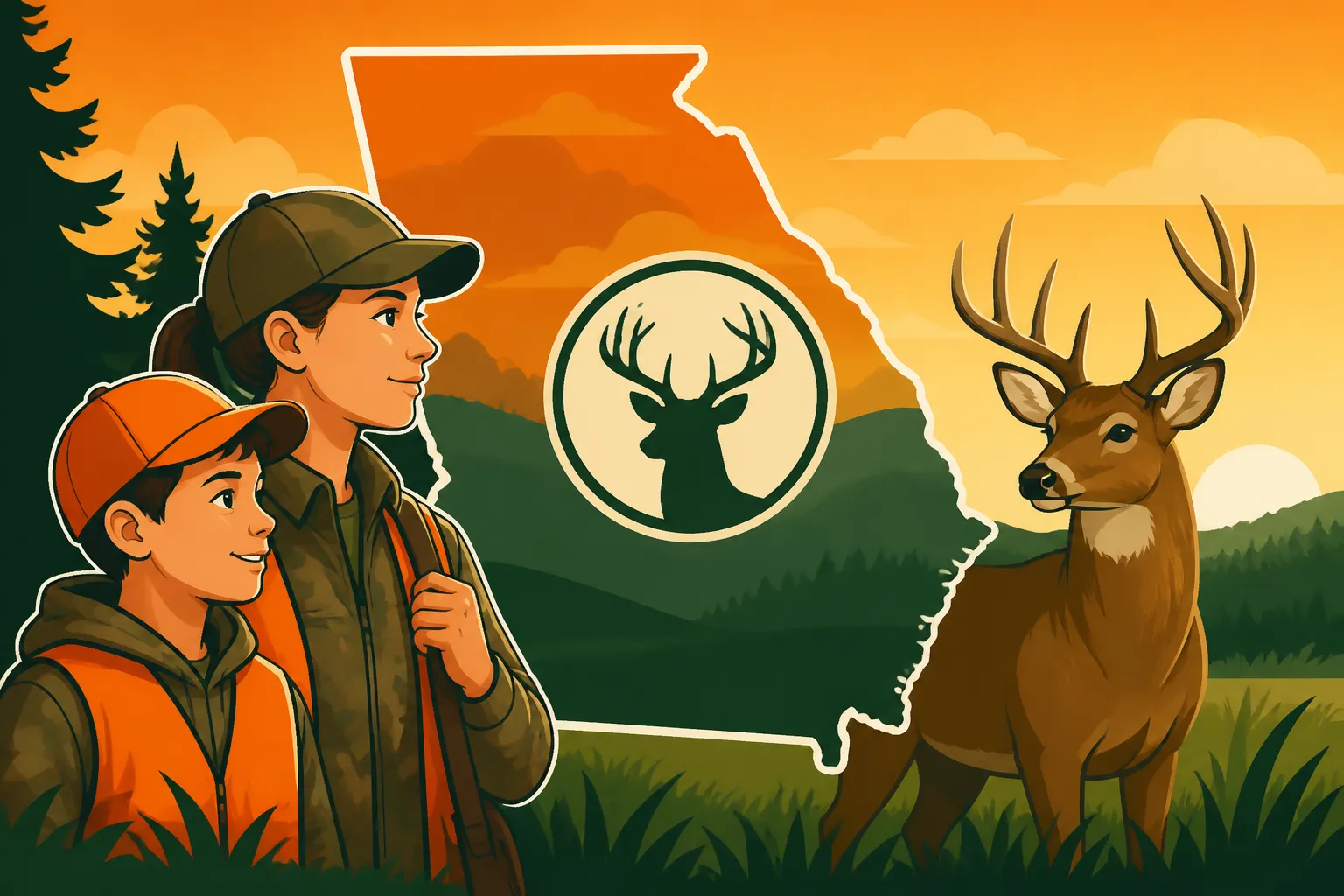
You might wonder why we even have dedicated youth seasons when kids can often hunt during the regular seasons anyway. The answer lies in promoting what we in the hunting community call R3: Recruitment, Retention, and Reactivation. These special weekends, often falling before the general firearms season, are designed to minimize hunting pressure from adult hunters, allowing young participants to learn and hunt in a less crowded, often more forgiving environment. Imagine a crisp autumn morning, just you and your child, sitting in a stand, knowing that the woods around you are primarily reserved for other families introducing their youngsters to the tradition. This reduced pressure can lead to increased success rates, which is a massive confidence booster for a new hunter. It also provides a fantastic opportunity for one-on-one mentorship without the distractions or competitive atmosphere that can sometimes come with opening day of the regular season. These hunts are specifically designed to be low-stress, high-reward experiences that plant the seed for a lifelong passion for hunting.
Balancing Opportunity with Hunter Education
While the state wants to provide ample opportunities for youth to hunt, it also prioritizes safety and ethical conduct above all else. That’s why these special seasons are intrinsically linked with the requirement for proper hunter education and responsible adult supervision. It’s not just about pointing a gun and pulling a trigger; it’s about understanding wildlife management, firearm safety, tracking, field dressing, and respecting the animal and the land. The youth hunts are prime teaching moments, where mentors can impart knowledge about game laws, animal behavior, and the importance of a clean shot. It’s a delicate balance: providing the thrill of the hunt while instilling the deep respect and responsibility that comes with it. This emphasis ensures that young hunters develop into knowledgeable, ethical participants who will carry on the traditions responsibly.
Who Qualifies for Youth Deer Hunts in Georgia?
Understanding who can participate in Georgia's youth deer hunts is crucial for planning your outing. The Georgia Department of Natural Resources (DNR) has clear guidelines concerning age and the necessary supervision to ensure a safe and educational experience.
Age Restrictions and Mentorship Requirements
In Georgia, there isn't a strict "minimum age" to start hunting deer as long as a child is accompanied by an adult. However, the rules surrounding unsupervised hunting and specific youth opportunities do have age implications. Generally, anyone under 16 years of age is considered a youth for these special hunts. If a child has not completed a hunter education course, they must hunt under an Georgia Apprentice Hunter License Rules or be directly supervised by a licensed adult who is at least 18 years old. This adult mentor must be close enough to take immediate control of the hunting device and provide instruction. The rules on How Close a Georgia Mentor Must Stay are quite specific, emphasizing that the mentor must be within "normal voice contact without shouting and direct sight."
This mentorship phase is incredibly important. It’s not just a legal requirement; it’s an opportunity to teach firearm safety, shot placement, and ethical decisions in real-time. For many new hunters, particularly those under 12, this supervised period builds foundational skills and confidence. Without the formal hunter education certification, a young hunter legally cannot hunt alone. The Minimum Age for Unsupervised Georgia Hunting requires completion of the hunter education course and meeting certain license requirements, which typically comes later. The emphasis here is always on safety and responsible guidance from an experienced adult, ensuring that the child is learning the ropes in a controlled, supportive environment.
License Types and Costs for Young Hunters
Navigating the licensing landscape can be tricky, but Georgia makes it relatively straightforward for youth. Children under 16 generally do not need a hunter education certificate to purchase a hunting license, but they must hunt with an adult as described above if they haven't completed the course. For young resident hunters, a simple Junior Hunting License is often the go-to. This license is very affordable and covers most basic hunting privileges. For those who are passionate and plan to hunt for many years, a Lifetime Sportsman's License purchased for a youth offers incredible value in the long run. Not only does it cover all state hunting and fishing licenses for life, but it also exempts them from future license fee increases.
For adult mentors, they will need their own valid Georgia hunting license and a big game license. Non-residents also have options, though their licenses come at a higher cost. It’s always best to check the current Georgia Resident Hunting License Cost or Georgia Nonresident Hunting License Cost on the Georgia DNR website or through their Go Outdoors Georgia platform. Remember, even with a youth license, the requirement for an adult mentor is key for those who haven’t completed hunter education. A Lifetime License, detailed further in Georgia Lifetime License Options, is truly an investment in a child’s outdoor future, simplifying the annual purchase process and locking in prices.
Here's a quick overview of common license types for youth and their mentors in Georgia:
| Hunter Type | Age | Hunter Ed Required | License Type Examples | Mentorship Required (if no Hunter Ed) |
|---|---|---|---|---|
| Youth | Under 16 | No (if mentored) | Junior Hunting License | Yes, by a licensed adult 18+ |
| Youth | Under 16 | Yes | Junior Hunting License | No, but recommended |
| Youth | Any (if purchased early) | No | Lifetime Sportsman's License (purchased as youth) | Yes, until Hunter Ed completed |
| Adult Mentor | 18+ | Yes | Annual Hunting License + Big Game License | N/A |
Note: License costs and specific requirements can change, so always verify the latest information on the Georgia DNR website.
Key Dates and Unique Deer Hunting Windows for Youth
One of the most exciting aspects of Georgia’s youth deer hunt rules is the provision of dedicated hunting periods, designed specifically to maximize opportunity for young hunters. These special windows are strategically placed to offer unique advantages.
The Dedicated Youth Deer Weekend
The undisputed highlight for many young hunters and their mentors is the special Georgia Youth Deer Weekend. This usually takes place a week or two before the statewide firearms season opens, typically in late October. The beauty of this weekend is the significantly reduced hunting pressure. Most adult hunters are patiently waiting for the general season, leaving vast tracts of woods, especially on public lands, far less crowded. This creates a much more relaxed and productive environment for young hunters who are still learning. Imagine walking into a favorite hunting spot and not seeing a dozen trucks parked at the access point; it's a breath of fresh air. For a child, this can mean more opportunities to spot deer, hear the woods come alive, and potentially have a successful harvest without feeling rushed or overwhelmed by other hunters. It's a prime opportunity to focus purely on the experience, the learning, and the quiet moments shared between mentor and student.
Archery and Firearms Season Overlaps
Beyond the dedicated youth weekend, young hunters, with the appropriate licenses and adult supervision, can participate during the regular statewide seasons. This means they can hunt during the long archery season, which typically opens in early to mid-September (Georgia Archery Season Opening Day), and throughout the general firearms season, which usually kicks off in late October (Georgia Firearms Season Opening Day). The ability to hunt across these various seasons provides immense flexibility for families.
For those who prefer archery, a young hunter can spend weeks in the stand during the warmer early season, honing their skills with a bow or crossbow. When the firearms season arrives, they can switch to a rifle or shotgun, depending on the regulations for their chosen hunting area. The key here is always the supervision requirement for those without hunter education. Even if a child has completed hunter education, it's often still beneficial for them to hunt alongside an experienced adult, especially during busier periods, to continue learning about everything from shot angles to tracking. This extended window of opportunity gives young hunters a broad experience across different hunting methods and conditions.
Special Youth Quota Hunts on WMAs
For even more unique opportunities, Georgia's Wildlife Management Areas (WMAs) often offer special quota hunts specifically for youth. These hunts are highly controlled, usually through a lottery system, and provide access to prime hunting grounds that might otherwise be heavily trafficked or restricted. These WMA youth hunts can be fantastic for introducing a child to a more managed hunting experience, often in areas known for good deer populations. To participate in WMA hunts, both the youth and their supervising adult will typically need a WMA license or a Georgia WMA Access Stamp Requirement, in addition to their regular hunting licenses. The application process for these quota hunts can be found on the Georgia DNR website, and it's essential to pay attention to application deadlines. While competitive, getting drawn for one of these hunts can provide an unparalleled experience in a carefully managed environment. Planning these hunts often involves checking specific WMA regulations, and tools like GoHunt can be invaluable for understanding the terrain and boundaries of these special areas.
Gear, Tags, and Ethical Considerations for Youth Deer Hunters
Ensuring a successful and responsible youth deer hunt involves more than just knowing when and where to go. It requires careful consideration of appropriate gear, understanding bag limits, and most importantly, instilling a strong ethical foundation.
Legal Weapons and Caliber Choices
When it comes to legal weapons for youth deer hunting in Georgia, the same rules generally apply as for adults, with an added layer of practical consideration for a young hunter's size and experience. For firearms, this includes rifles, shotguns, and muzzleloaders. When choosing a rifle, it's crucial to select a caliber that the youth can handle comfortably and safely, minimizing recoil. While a .30-06 might be suitable for an experienced adult, something like a .243 Winchester, 6.5 Creedmoor, or even a .30-30 can be far more appropriate for a smaller framed or newer shooter. The goal is accuracy and confidence, not overwhelming power. You can learn more about Georgia Minimum Rifle Caliber Rules to ensure compliance, but also remember that less recoil means better practice and better shooting.
For archery, vertical bows and crossbows are legal. Crossbows have become increasingly popular for youth due to their ease of use and reduced learning curve compared to traditional compound bows. Georgia treats crossbows the same as vertical bows during archery season, which is great for flexibility. Understanding the nuances between a Crossbow Versus Vertical Bow in Georgia can help you decide which is best for your young hunter’s comfort and skill level. Whatever weapon is chosen, emphasize safety above all else, including proper handling, muzzle control, and only taking ethical shots.
Deer Bag Limits and Mandatory Reporting
Georgia's deer bag limits are among the most generous in the country, but they also require careful tracking. The statewide limit is Georgia's Twelve-Deer Bag Limit, which includes up to two antlered bucks and a generous number of antlerless deer. For youth, these limits apply just as they do for adults holding a big game license. It’s important to teach your young hunter about these limits and to help them identify antlered versus antlerless deer. Georgia also has specific Georgia Antlerless Deer Tag Rules, which allow for taking additional does to help manage the population.
After a successful harvest, mandatory reporting through Georgia Game Check is required. This is a crucial step in wildlife management, providing the DNR with vital data on deer populations. You can report a deer quickly and easily online or via the Go Outdoors Georgia app. It's a great teaching moment for a young hunter to understand their role in conservation. Even if you, the mentor, handle the actual submission, walk them through the process of Reporting a Deer Through Georgia Game Check so they understand its importance. This isn't just a formality; it's a direct contribution to sound wildlife management, ensuring healthy deer populations for future generations of hunters.
Teaching Ethical Hunting and Conservation
Beyond the regulations and gear, the most important aspect of introducing a child to hunting is instilling a strong sense of ethics and conservation. This means teaching respect for the animal, understanding fair chase principles, and appreciating the role hunters play in wildlife management. Discussing shot placement, why we wait for the right shot opportunity, and the responsibility to recover every animal is paramount. It's also about understanding the "why" behind hunting—that it's not just about sport, but about connecting with nature, sourcing sustainable food, and participating in an ancient tradition that contributes to ecological balance.
Conservation extends to respecting the land, leaving no trace, and understanding how hunter dollars contribute to habitat preservation and wildlife research. Tools like GoHunt can help young hunters visualize different habitats and understand land boundaries, further reinforcing responsible land use. When a young hunter grasps these ethical principles, they become true stewards of the wild, and that’s a legacy far more valuable than any trophy.
Making the Youth Hunt a Lasting Positive Experience
The ultimate goal of taking a youth deer hunting isn't just to fill a tag; it's to create a deeply positive, memorable experience that fosters a lifelong love for the outdoors. This involves thoughtful preparation and focusing on the broader lessons the wilderness has to offer.
Preparing for Success Beyond the Shot
Preparation is key to a smooth and enjoyable hunt, especially with a young person. This goes far beyond just sighting in a rifle. Start with Scouting Georgia Public Land Before Season or your private land. Take your young hunter with you, looking for deer sign, understanding prevailing winds, and identifying potential stand locations. This pre-hunt scouting builds excitement and teaches them valuable woodsmanship skills before the actual hunt even begins. Practice shooting frequently, ensuring the young hunter is comfortable and accurate with their chosen weapon. Don’t just practice at one distance; vary it to simulate real-world scenarios, as covered in Zeroing a Rifle for Mixed Distances.
Talk through different hunting scenarios: what to do if a deer comes in from an unexpected direction, how to stay quiet, and what to do immediately after a shot. Discussing these possibilities beforehand reduces anxiety and builds confidence. Think about the physical aspect too – appropriate clothing for the Georgia weather, staying hydrated, and bringing snacks. Remember, comfort leads to patience, and patience often leads to success. The more prepared they feel, the more they will enjoy the entire process, regardless of whether a deer is harvested.
Fostering a Lifelong Love for the Outdoors
It’s easy to get caught up in the harvest, but for youth, the journey is far more important than the destination. Emphasize the beauty of being in nature: the sunrise, the sounds of the forest waking up, the rustle of leaves, the chance encounters with other wildlife. Bring a pair of binoculars and encourage them to observe squirrels, birds, and other creatures. Share stories, answer their questions, and just enjoy the quiet time together.
If a deer is harvested, make the process educational and respectful. Involve them in tracking, field dressing, and even butchering if they’re interested. If no deer is taken, frame it as a successful outing because you spent quality time together, learned something new, and enjoyed the outdoors. The goal is to make every outing a positive experience, focusing on the adventure, the learning, and the bond you share. This approach is what truly cultivates a lasting passion for hunting and conservation, ensuring they'll want to return to the woods year after year.
Leveraging Resources and Technology for Youth Hunters
In today's world, we have access to incredible resources and technology that can significantly enhance a youth hunting experience. The Georgia DNR website is your official go-to for all regulations, season dates, and license purchases. However, there are also fantastic third-party tools available. Planning a youth hunt can be simplified with modern tools. Websites and apps like GoHunt offer invaluable resources for scouting, understanding property boundaries, and even visualizing terrain, helping both mentor and mentee understand the landscape. These tools can overlay public land boundaries, topo maps, and aerial imagery, which can be incredibly helpful when teaching a young hunter how to navigate or pick out a potential stand site.
Beyond the general rules, specifics for WMAs or other public lands might require a deeper dive, which platforms like GoHunt can help clarify. They can help you identify open access points, walking trails, and areas of dense cover. While the DNR website is the official source, tools like GoHunt can layer that information with topography and aerial imagery, providing a much richer understanding of the hunting area. Before heading out, a quick check on a mapping tool like GoHunt can confirm public access points and potential hunting pressure in the area. Remember, taking the time to explain why certain rules exist, and how tools like GoHunt can assist, builds a more informed and capable young hunter who feels empowered by knowledge and technology.
Disclaimer
Please remember that hunting regulations, dates, and requirements can change. Always consult the official Georgia Department of Natural Resources (DNR) website or their current hunting regulations guide for the most up-to-date and accurate information before planning any hunt. This guide is for informational purposes only and should not be considered legal advice.