Trapping Georgia Raccoon and Bobcat
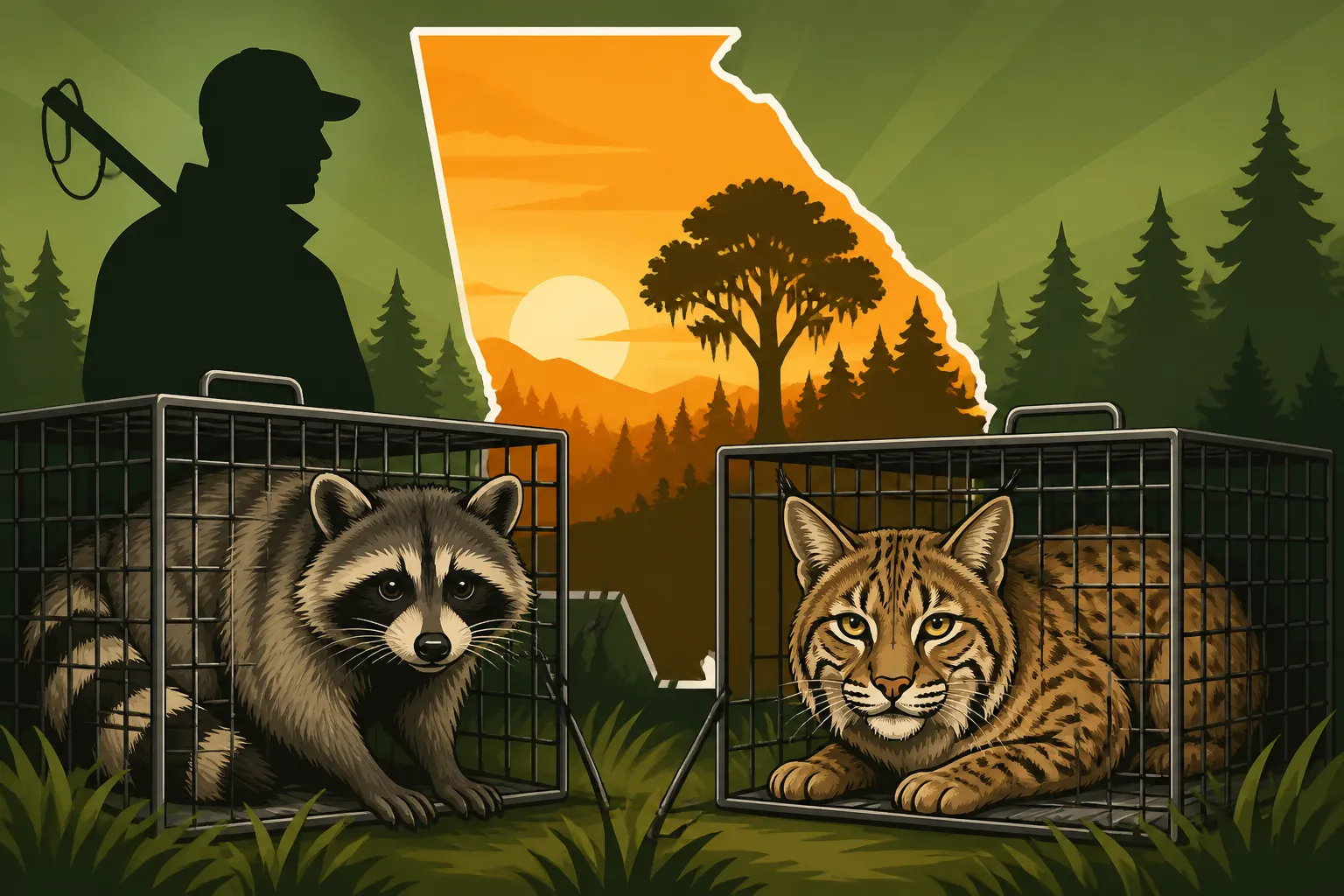
There's nothing quite like the sight of a healthy furbearer population, but sometimes, those wily raccoons and elusive bobcats can become a real nuisance, impacting local wildlife, agricultural operations, or even just becoming a little too comfortable around homes. Whether you're looking to manage their numbers on your property or you're drawn to the tradition of trapping for fur, understanding the nuances of how to effectively and legally trap these intelligent animals in Georgia is key to a successful and ethical endeavor. This guide will walk you through everything from their behaviors to the best trapping practices and the crucial regulations you need to follow.
Understanding Raccoon and Bobcat Behavior in Georgia
Before you even think about setting a trap, you've got to think like the animal you're pursuing. Raccoons and bobcats are incredibly different creatures, and a "one size fits all" approach to trapping simply won't cut it. Their habitats, diets, and daily routines dictate where they'll be and what will entice them. Getting inside their heads, so to speak, is the first step toward a productive trapping season.
Raccoon Habits and Preferred Hangouts
Raccoons are truly the opportunists of the Georgia woods, and increasingly, our suburban landscapes. They're not picky, and their diet reflects that—everything from berries and nuts to insects, frogs, bird eggs, and even your forgotten pet food or garbage. This omnivorous nature makes them highly adaptable, and you'll find them almost anywhere there's food and water.
They're primarily nocturnal, which means their activity peaks from dusk till dawn. During the day, they'll den up in hollow trees, abandoned burrows, brush piles, or even attics and crawl spaces if they're near human habitation. They're often found along creek bottoms, river banks, and around ponds and swamps because water sources provide both food and a quick escape route. Agricultural fields, especially corn or peanut fields, are also huge draws. If you're scouting, look for tracks in soft mud near water, overturned rocks or trash cans, and damaged crops. Their inquisitive nature means they'll investigate anything new, which is a trait trappers can definitely use to their advantage. For more in-depth knowledge on their activity, you might find insight in articles discussing topics like Reading Georgia Mud for Fresh Deer Movement, as many of the same principles of tracking apply.
Bobcat Territories and Elusive Nature
Bobcats, on the other hand, are the silent hunters of the Georgia wilderness. These beautiful felines are far more secretive and less tolerant of human presence than raccoons. They prefer dense cover—thick pine stands, mature hardwood forests, cypress swamps, and rugged, rocky terrain. Unlike raccoons, their diet is almost exclusively meat: rabbits, squirrels, mice, small birds, and sometimes even fawns. Their hunting style is stealthy, ambushing prey from concealment.
Bobcats are also largely nocturnal or crepuscular (active at dawn and dusk), though they can be seen moving during the day, especially in remote areas or during colder weather. They maintain distinct territories, often marked with scrapes, urine, and scat. While a male's territory might overlap with several females, they are generally solitary animals. Because of their elusive nature, locating sign can be challenging. Look for tracks that are typically rounder and lack claw marks (unless they're on a hard run), and keep an eye out for scat on prominent logs or rocks. Before you start trapping, consider that scouting is paramount, much like when you're preparing for Scouting Georgia Public Land Before Season for deer. You'll need to spend serious time in the field to identify travel corridors, pinch points, and areas of high prey density.
Legalities and Regulations for Trapping in Georgia
Trapping in Georgia, like any outdoor pursuit, comes with a clear set of rules designed to ensure ethical practices, manage wildlife populations responsibly, and protect public safety. It’s absolutely vital to be intimately familiar with these regulations before you set your first trap. Violating these rules can lead to stiff penalties, so understanding your responsibilities as a trapper is non-negotiable.
Georgia Trapping Licenses and Season Dates
First things first: you need the right license. In Georgia, anyone 16 years or older, including nonresidents, must possess a valid furtaker's license to trap furbearers. If you plan to hunt other species as well, you might consider a comprehensive license bundle like those covered in Georgia Resident Hunting License Options or Georgia Hunting Licenses and What They Cost. Always double-check the current regulations, as license types and fees can change. You can usually purchase these online through the Georgia Department of Natural Resources (DNR) website or licensed vendors. Reputable mapping and outdoor activity apps, such as GoHunt, often provide direct links or information resources regarding license requirements, making it convenient to stay informed.
For raccoons and bobcats, Georgia typically has a furbearer trapping season that runs from late fall through the very early spring. While the exact dates can shift slightly year to year, a general window to expect would be from late October or early November to February or March. It’s imperative to check the current Georgia Hunting Seasons and Regulations booklet provided by the DNR for the precise opening and closing dates for the specific season, as there's a dedicated season specifically for Georgia Fox and Bobcat Trapping Season and Georgia Raccoon Season Dates which you should consult directly. Additionally, be aware of any specific county or WMA (Wildlife Management Area) regulations, as these can sometimes have different seasons or additional restrictions. If you're trapping on public land, remember that a Georgia WMA Access Stamp Requirement might also apply.
Permitted Trap Types and Setback Rules
Georgia law is specific about the types of traps you can use and where you can place them. Generally, legal traps for furbearers include foothold traps, box traps, and conibear-type traps (body-gripping traps). However, there are crucial restrictions on their use:
- Foothold Traps: These are widely used, but they must be checked at least once every 24 hours. The jaw spread is often regulated, and some areas may restrict larger foothold traps.
- Body-Gripping Traps (Conibear-style): These traps are designed to dispatch the animal quickly. In Georgia, it's typically illegal to set a body-gripping trap with a jaw spread greater than 8 inches on dry land, except when completely submerged in water. This is a critical safety measure to protect non-target animals like domestic pets.
- Box Traps: These are live traps that capture the animal without harm. They are a good option for nuisance animals or if you plan to relocate (check regulations for relocation legality, as it's often restricted).
Beyond trap types, strict setback rules are in place for public safety and to prevent accidental captures of pets or livestock. You cannot set a trap within 10 yards of a public road, and there are often rules about how close you can set traps to occupied dwellings without permission. Always mark your traps clearly with your name or DNR customer number. This helps identify trap ownership and ensures accountability. Think of it like making sure your hunting blind is properly brushed in, but for legality instead of camouflage; you need to know exactly where it is and that it's legally placed, as detailed in guides like Brushing In a Blind on a Field Edge.
Effective Trapping Methods and Baits for Raccoons
Raccoons are notoriously curious and possess an incredible sense of smell, making them relatively easier to trap than their feline counterparts. Success with raccoons often comes down to irresistible bait and well-placed, visible sets. You want to pique their interest and make it easy for them to find your trap.
Preferred Baits and Lures for Raccoons
When it comes to baiting raccoons, variety is your friend, but certain categories consistently outperform others. Raccoons have a sweet tooth, but they also love anything fishy or meaty.
- Sweet Baits: Marshmallows are a classic for a reason – they're cheap, sticky, and raccoons adore them. Other great options include fruit (especially persimmons, apples, or berries), molasses, honey, and even jam or peanut butter. These work wonders in cubby sets or smear baits around the trap entrance.
- Fishy & Meaty Baits: Canned cat food (especially fish flavors), sardines, oily fish scraps, or even cooked chicken scraps are highly effective. The strong scent travels well and appeals directly to their omnivorous nature. Some trappers swear by combining sweet and savory, like a dab of fish oil on a marshmallow.
- Commercial Lures: Many commercially available raccoon lures are formulated with powerful musks and food scents specifically designed to attract raccoons from a distance. Brands like Hawbaker's, O'Gorman's, or local Georgia lure makers often have excellent products. These can be applied to a cotton ball and placed near the trap or directly on the bait.
Remember, the goal is to create an olfactory beacon. The stronger and more appealing the scent, the more likely a raccoon will investigate.
Smart Set Locations for Raccoon Traps
Raccoon trapping is all about identifying their travel routes and food sources. They love to follow natural lines of travel and explore any interesting nooks and crannies.
- Cubby Sets: These are incredibly effective. A cubby can be a natural hollow log, a small rock overhang, or a man-made box. Place your bait deep inside the cubby, with the trap (often a foothold or body-gripping trap if legal for dry land, or a box trap) placed directly at the entrance. The raccoon must reach into or step into the trap to get the bait. This set works exceptionally well along creek banks, under bridges, or at the edge of agricultural fields.
- Dirthole Sets: Mimicking a natural den or a spot where another animal might have buried food, a dirthole set is a classic. Dig a small hole (about 6-8 inches deep and angled slightly under the trap) and place your bait and lure inside. Cover the trap with a thin layer of sifted dirt and debris, leaving just the trigger exposed. This set is excellent along trails, field edges, or near den trees.
- Water Sets: If you're trapping near water, water sets are fantastic. Raccoons love to wade and fish. A "pocket set" dug into a bank with bait at the back, or a simple foothold set placed just under the water's surface on a shallow shelf where raccoons travel, can be very productive. Just be sure to use proper drowning devices or anchors to ensure a quick and humane dispatch if using foothold traps in water.
Always ensure your trap is firmly anchored to prevent the animal from escaping with the trap. Drags, rebar stakes, or heavy duty chains are essential. Using mapping tools like those found on the GoHunt platform can help you mark and remember your trap locations, especially if you're Running a Trapline in Rural Georgia over a wide area.
Advanced Techniques for Trapping Elusive Bobcats
Trapping bobcats requires a different level of finesse and patience. They are more cautious, have a keen sense of danger, and are far more discerning about what they investigate. Forget the marshmallows; you're dealing with a sophisticated predator here. Success hinges on precise set placement, strong lures, and meticulous scent control.
Bobcat Specific Baits and Scent Control
Bobcats are pure carnivores, and your bait and lure strategy needs to reflect that. They're drawn to meat, but also to curiosity-inducing scents that suggest another bobcat or an easy meal.
- Fresh Meat Baits: Rabbit, squirrel, venison scraps, or even chicken are excellent choices. Freshness is key. A small chunk of bloody meat placed strategically can be very effective. Many trappers prefer to use small amounts of meat to reduce scavenging by non-target animals.
- Gland Lures and Urines: This is where bobcat trapping really shines. Bobcat urine and gland lures (from male or female bobcats) are powerful attractants. They appeal to the bobcat's territorial nature and curiosity about other felines. Fox or coyote urine can also work, as it signifies other predators in the area, which can either draw in a curious bobcat or make them feel secure enough to investigate a perceived food source. These are typically applied to a "scent post" near the trap.
- Curiosity Lures: Formulations that mimic rodent distress calls, or musky, curiosity-driven scents, can bring a bobcat in for a closer look. These aren't necessarily food lures but trigger a behavioral response.
Scent control is absolutely paramount. Bobcats can detect human odor easily, and it will deter them. Wear clean gloves when handling traps, bait, and setting materials. You can even rub traps down with local vegetation or bury them for a period to allow them to "air out" and lose any foreign odors. This attention to detail is similar to the meticulous planning needed for methods like Hunting Feral Hogs Over Bait at Night, where minimizing human presence is crucial.
Strategic Bobcat Set Placements
Bobcat sets need to be subtle, natural-looking, and placed in areas where a bobcat is already likely to travel. Think about creating a visual and olfactory disturbance that looks like a natural occurrence rather than an obvious trap.
- Post Sets / Scent Post Sets: This is a very popular and effective bobcat set. Find a prominent object—a leaning log, a stump, a fence post, or even a small bush—along a known travel route (e.g., a ridge line, a logging road, or a creek bank). Place your foothold trap about 6-10 inches from the base of the post. Apply a generous amount of bobcat urine and gland lure directly to the post. The bobcat will approach the post to investigate the scent, often stepping right into the trap.
- Walk-Through Sets (Blind Sets): These sets are placed directly in narrow funnels or pinch points where bobcats are naturally forced to walk. Think about trails leading through thick briar patches, gaps in rock formations, or narrow crossings over small streams. The trap is placed directly in the path, often without obvious bait or lure (though a subtle curiosity lure can be used). The bobcat simply walks into it as part of its routine travel.
- Brush Sets / Blind Traps: Similar to walk-through sets, these utilize natural barriers. By strategically piling brush or logs, you can funnel a bobcat into a specific, narrow opening where your trap is waiting. This technique leverages the bobcat's natural inclination to avoid dense obstacles.
- Dirt Hole Sets (Modified): While less common for bobcats than raccoons, a carefully constructed dirthole with a bobcat lure and a small, fresh meat bait can work, especially if it mimics a cached kill. These need to be very well camouflaged and placed in quiet, secluded areas.
Always bed your trap solidly so there's no wobble when an animal steps on it. Bobcat are sensitive to unstable footing. Blend the trap and surrounding area with natural elements like leaves, pine needles, or grass, making it look as undisturbed as possible. Consider the use of a visual attractor too, like a bird wing feather tied above the set, gently swaying in the wind to catch their eye.
Post-Harvest Handling and Fur Preparation
After a successful trapping effort, the work isn't over. Proper post-harvest handling is crucial, not only for ethical considerations but also to ensure the quality of the fur if you intend to sell or keep it. This process contributes significantly to the value of your catch.
Dispatch and Ethical Considerations
The primary goal after a capture is a humane and swift dispatch. This minimizes stress to the animal and is a fundamental ethical responsibility of any trapper.
- For Raccoons (and other medium-sized furbearers): A swift, well-placed shot with a small-caliber firearm (like a .22 short or long rifle) to the head is generally the most humane method. Another common method is cervical dislocation for smaller animals, but this requires practice and confidence to execute humanely. Remember to always prioritize safety for yourself and anyone nearby.
- For Bobcats: Given their size and wild nature, a .22 caliber firearm is typically the safest and most humane option. Approach cautiously, ensuring the animal is calm and you have a clear, safe shot.
Never leave a trapped animal to suffer. Regular trap checks (every 24 hours as mandated by Georgia law) are critical. If you're concerned about dispatch, seeking guidance from experienced trappers or local wildlife officials is highly recommended. Understanding game handling is also essential for other species, as highlighted in topics like Handling a Bear After the Shot.
Skinning and Pelting for Market
Once dispatched, the next step is to prepare the pelt. This involves skinning, fleshing, and stretching. The goal is to create a clean, high-quality pelt that will command a better price on the fur market or make for a beautiful mount.
- Cooling: In Georgia's often warm weather, getting the animal cooled down quickly is paramount. Heat can degrade fur quality. If you can't immediately skin, get the animal into a cooler with ice (ensuring no direct water contact with the fur) or into a cool, shaded area.
- Skinning: Both raccoons and bobcats are typically skinned "cased," meaning the hide is peeled off like pulling off a sock, leaving the fur side out or flesh side out depending on buyer preference.
- Raccoons: Often skinned "cased" with the tail left on and split. Their thick fat layer needs thorough fleshing.
- Bobcats: Also typically cased. The feet and tail are generally left attached to the pelt for market value.
- Fleshing: This is the process of scraping off all fat and muscle tissue from the flesh side of the hide. A fleshing beam and fleshing knife are standard tools. This step is critical for preventing spoilage and ensuring the pelt dries properly. Raccoons, being fattier, require more extensive fleshing than bobcats.
- Stretching: After fleshing, the pelt is stretched, fur-side in or out (again, buyer preference dictates), onto a proper-sized stretching board. The goal is to stretch it taut, but not over-stretched, to ensure uniform drying and presentation. Raccoon and bobcat pelts are shaped differently, so use species-specific stretchers.
- Drying: Pelts need to air dry in a cool, well-ventilated area away from direct sunlight or heat. This process can take several days to a couple of weeks, depending on humidity. Once dry, they are ready for storage or sale.
Proper preparation can significantly increase the value of your fur. Local fur buyers or trapper associations can provide current market requirements and best practices.
Raccoon vs. Bobcat Trapping Overview
Here's a quick comparison of some key aspects when targeting raccoons versus bobcats in Georgia:
| Feature | Raccoon Trapping | Bobcat Trapping |
|---|---|---|
| Primary Goal | Often nuisance control, fur harvest | Fur harvest, predator management |
| Season | Typically late fall to early spring | Generally same furbearer season as raccoons |
| Preferred Bait | Sweet (marshmallows, fruit), fishy, meaty (cat food) | Fresh meat (rabbit, squirrel), gland lures, urine |
| Common Lures | Food-based, sweet, musky raccoon-specific | Gland lures, bobcat urine, curiosity lures, catnip |
| Typical Set | Cubby, dirthole, water sets | Scent post, walk-through, natural funnel sets |
| Scent Control | Important, but less critical than for bobcats | Absolutely paramount; minimize human odor |
| Trap Type | Foothold, box, body-gripping (submerged) | Foothold, sometimes cubby with specific lure |
| Habitat Focus | Waterways, agricultural fields, suburban edges | Dense cover, remote woods, swamps, rocky areas |
| Difficulty | Relatively easier due to curiosity and widespread nature | More challenging due to wariness and elusive behavior |
| Legal Check | Must be checked every 24 hours | Must be checked every 24 hours |
Disclaimer
Trapping involves inherent risks. Always prioritize safety, adhere strictly to all Georgia Department of Natural Resources (DNR) regulations, and consider seeking mentorship from experienced trappers. This guide provides general information and should not replace official regulations or professional instruction. Local conditions and regulations may vary, so always consult the most current Georgia Hunting Seasons and Regulations guide before engaging in any trapping activities.