Working a South Georgia Quail Covey Rise
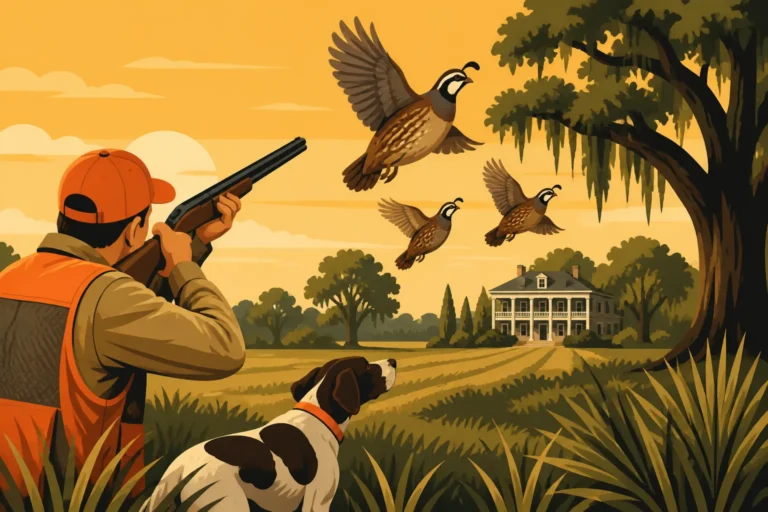
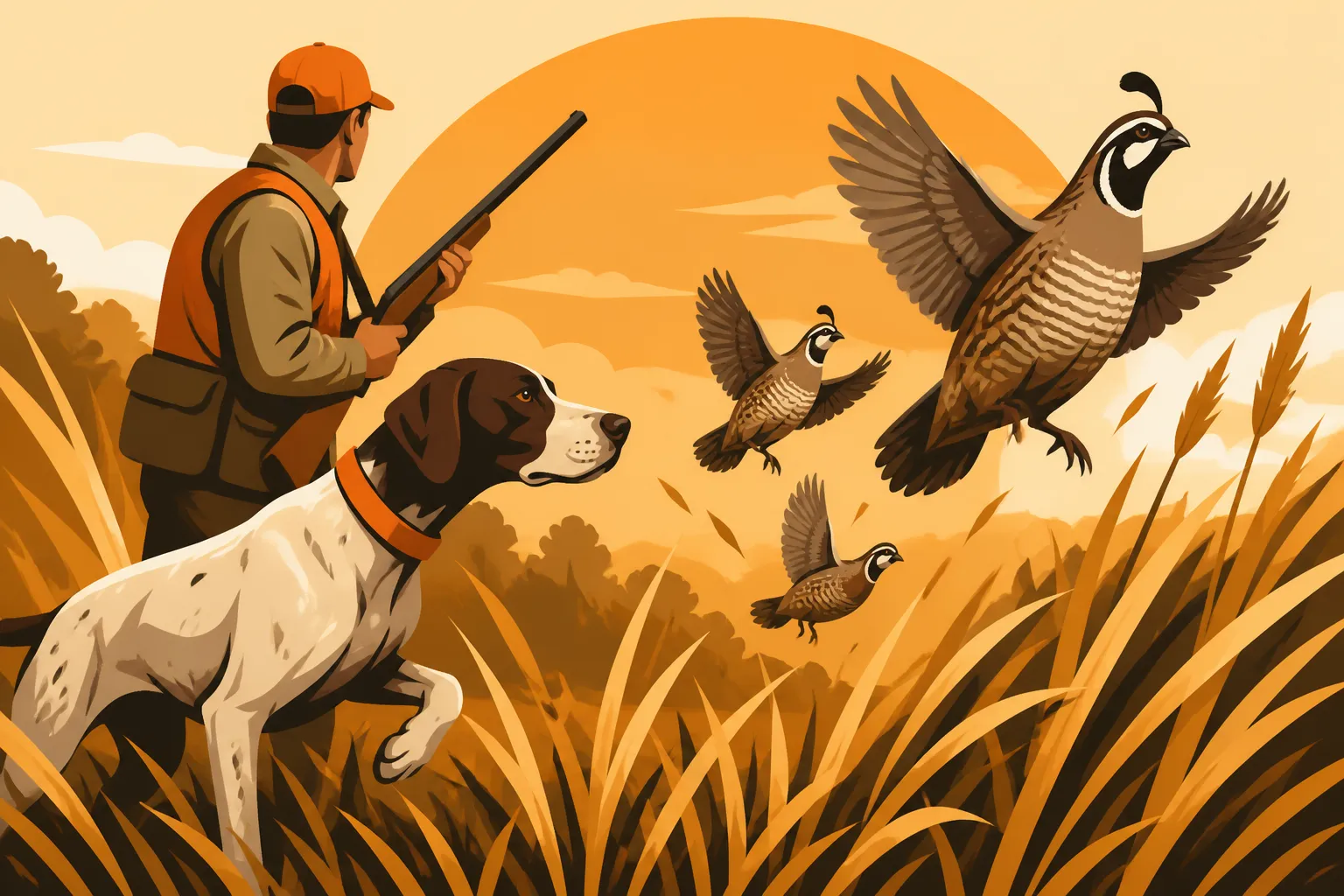
There's nothing quite like the heart-stopping explosion of a wild quail covey rise in South Georgia. One moment you're strolling through sun-dappled longleaf pines, the next, the air erupts with a whir of wings and a dozen brown rockets peel off in every direction. It's exhilarating, challenging, and often, a little bit frustrating when you just can't seem to connect. This guide is all about helping you understand how to approach these incredible birds, make the most of that initial chaotic flush, and then, crucially, how to work those scattered singles to fill your game vest.
Understanding the South Georgia Quail Habitat
Hunting bobwhite quail in South Georgia isn't like hunting other birds; it's about understanding the specific kind of paradise they call home. These aren't just any woods; they are carefully managed ecosystems where the wild bobwhite can thrive.
Identifying Ideal Cover
When you're out there, you're not just looking for "woods." You're looking for open, park-like longleaf pine savannas, often interspersed with wiregrass and a rich understory of native forbs and grasses. This kind of habitat, historically prevalent across the Coastal Plain, provides the perfect blend of cover for nesting, escape from predators, and most importantly, an abundance of seeds and insects for food. You'll often find them favoring areas with native legumes like partridge pea, lespedeza, and beggar's-lice, along with a healthy dose of ragweed. The key is that the ground cover is open enough for them to run and forage, but dense enough to hide in. Forget dense, impenetrable briar thickets; while they might use the edges, the covey's core territory will be more open. Knowing these habitat preferences can help you narrow down your search and maximize your time afield. Some hunters use advanced mapping tools, like those found on platforms such as GoHunt, to identify promising areas based on satellite imagery and land management practices, which can hint at the presence of suitable quail habitat.
The Role of Controlled Burns
It’s impossible to talk about wild quail in South Georgia without discussing controlled burns. These aren’t accidental wildfires; they are deliberate, carefully managed fires that are absolutely essential for maintaining prime quail habitat. Without regular burns, typically on a one-to-three-year rotation, the understory becomes too thick and woody, choking out the native plants that provide both food and accessible cover for quail. When you walk through a recently burned area in the spring, you’ll see new growth emerging – tender greens, fresh seeds, and a burst of insect activity. These burns create that ideal open ground layer that quail depend on. If you're scouting, look for evidence of burning; it's a huge indicator of actively managed land that supports healthy Bobwhite Quail in Georgia populations. The timing of these burns can also influence where birds are located, as they'll gravitate towards the fresh growth after a fire.
Approaching and Flushing the Covey
The moment before a covey rise is a unique blend of tension and anticipation. How you approach the likely holding cover will dictate much of your success, both in the initial flush and in finding subsequent singles.
Working with Pointing Dogs
For most traditional wild quail hunters, a good pointing dog is not just a companion, but an indispensable partner. They’re trained to cast out, find bird scent, and then "lock up" on point, freezing in place to indicate where the birds are. This is where the magic really happens. As a hunter, your job is to read your dog’s body language. Is he merely "birdy," showing interest, or is he on a solid point? Once on point, approach steadily, walking in front of your dog (or on the side of his head) to be in position for the flush. The dog holds the birds, allowing you to walk in, brace yourself, and prepare for the eruption. A well-trained dog will often remain steady through the flush and shot, marking the fall, which is crucial for recovering downed birds and subsequent singles. Without a dog, the hunt becomes much more challenging, requiring a different set of skills and a keen eye for subtle signs. If you're interested in refining these skills, consider researching Working Pointing Dogs on Wild Georgia Quail.
The "Stop and Go" Approach
Whether you're hunting with dogs or trying to "stomp them up" on your own, the "stop and go" method is incredibly effective. Wild quail are masters of holding tight, relying on their camouflage to avoid detection. If you walk at a steady, predictable pace, they might let you walk right past them. Instead, walk a few paces, then stop completely for 5-10 seconds. The sudden cessation of your movement often spooks birds that were trying to outwait you, causing them to flush. It works with dogs, too; a dog on a slow draw might tighten up on point when you pause. When hunting alone, move slowly and deliberately through areas of good cover, paying close attention to every rustle and shadow. This method allows you to cover ground efficiently while still being prepared for that sudden burst of wings.
Shooting Strategy During a Covey Rise
The covey rise is a blink-and-you-miss-it affair. Birds are flying fast, erratically, and often in a dense group. The key to success isn't trying to shoot into the mass, but rather picking a single target.
Picking a Bird and Swinging Through
This is perhaps the most crucial piece of advice for a covey rise: don't shoot at the covey! It's a natural instinct to aim at the brown blur, but you'll likely miss every bird or, worse, just wound one. Instead, as the birds explode, pick a single bird as quickly as possible. Focus solely on that one bird, swing your shotgun through its flight path, and pull the trigger. Continue your swing even after the shot. This "one bird, one shot" mentality drastically increases your chances of connecting. Once you've successfully brought down your first bird, then, and only then, can you try to pick a second target if the opportunity presents itself. But prioritize that first, clean shot. Remember, they don't fly in a straight line for long; they quickly disperse, making follow-up shots on the main covey difficult. Your shotgun choice, often a fast-handling 20 gauge or even a 28 gauge, can make a difference in how quickly you can get on target.
Proper Lead and Choke Selection
Wild quail are swift flyers, capable of speeds up to 40 miles per hour, making proper lead essential. For the initial covey rise, most shots will be relatively close-range, within 15-25 yards. This means you need an open choke and appropriate shot size. For an initial covey rise, an Improved Cylinder or Skeet choke is often ideal, allowing for a wider pattern that increases your chances of hitting a fast-moving bird at close quarters. Don't go tighter than Modified for the covey rise; anything full or even improved modified will result in too tight a pattern, leading to missed birds at close range. As for shot size, #7.5 or #8 lead shot is standard for quail, providing a good balance of pellet count and energy for these relatively small birds. You can delve deeper into appropriate firearms by reading about Shotguns for Georgia Quail and Dove to help you make an informed decision.
Here's a quick reference for common setups:
| Shotgun Gauge | Choke for Covey Rise | Preferred Shot Size | Effective Range (yards) | Notes |
|---|---|---|---|---|
| 12 Gauge | Skeet, Improved Cyl. | #7.5, #8 | 15-25 | Heavier, but more pellets; good for those who prefer 12GA. |
| 20 Gauge | Skeet, Improved Cyl. | #7.5, #8 | 15-25 | Lighter, faster swinging; a favorite for many quail hunters. |
| 28 Gauge | Skeet, Improved Cyl. | #7.5, #8 | 10-20 | Very light, less recoil; excellent for quick handling, closer shots. |
| .410 Bore | Modified, Full | #7.5, #8 | 10-15 | Challenging, very tight pattern; for experts or close-holding birds. |
After the Flush: Marking Singles and Follow-Up
The covey rise is thrilling, but often, the real hunting begins after the initial explosion, as you work to locate the scattered singles. This is where patience and persistence truly pay off.
Marking the Fall and Break-Offs
When a covey flushes, resist the urge to just watch the entire mass disappear over the horizon. Instead, as soon as you've taken your shot (or even if you missed), try to pick out a few individual birds that peel off and fly in a different direction, or those that appear to drop into specific cover. "Marking the fall" means mentally noting a landmark – a distinctive tree, a clump of palmettos, a change in vegetation – where a bird went down or where a group of birds landed. This skill is critical. Even if you don’t drop a bird from the covey, knowing where a few went can set you up for success on the singles. A good bird dog can greatly assist here, often following the scent trail of the fleeing birds and pointing the scattered singles later.
Strategies for Hunting Singles
Singles are typically less spooky than a full covey, often holding tighter and flushing closer, which can lead to better shooting opportunities. They also tend to head for thicker cover when they land, seeking refuge after the initial scare. This is where that long-barreled shotgun with a tight choke you might use for other birds needs to be traded for something quicker with a more open pattern. When pursuing singles, systematically work the cover in the direction you marked them. This might involve walking a grid pattern through a patch of thick palmettos or a dense strip of briars on the edge of a field. Walk slowly, pause frequently (that "stop and go" method works wonders here too), and be ready for a flush at your feet. Often, these birds will flush vertically before flying off, giving you a slightly easier shot than the horizontal rockets of a full covey. A good pair of Snake Boots for Coastal Plain Walking is almost a necessity when working these thicker areas in South Georgia, both for protection and comfortable travel. Remember, patience is your best friend when hunting singles; they are there, you just have to find them.
Wild quail hunting in Georgia's managed pine country is an experience steeped in tradition and filled with moments of intense excitement. From the subtle signs that hint at a covey's presence to the rapid-fire decision-making during the flush, it demands a blend of observation, quick reflexes, and an understanding of the bird's habitat. While the initial covey rise is often fleeting, the true rewards of the hunt often come from patiently working those scattered singles, turning chaos into a successful day afield. Whether you're hunting private preserves like those around Thomasville or exploring smaller tracts, the thrill of the covey rise is an unforgettable part of the Georgia hunting experience.
Disclaimer
Always check the latest Georgia Department of Natural Resources (DNR) hunting regulations before heading afield, as rules and seasons can change. Ensure you have the proper licenses and stamps. Safety is paramount; treat every firearm as if it's loaded and always be aware of your surroundings and hunting partners.