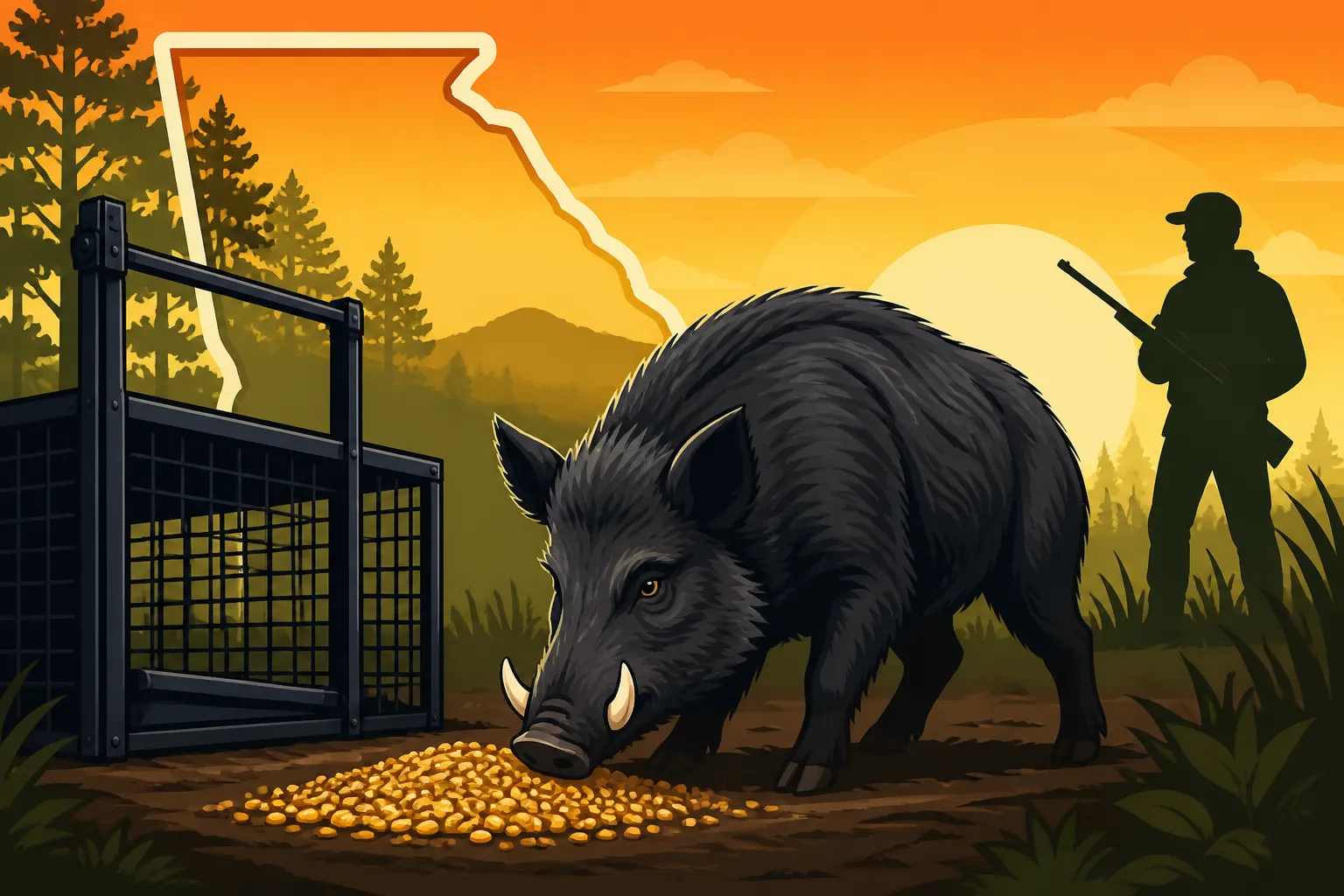
Baiting a Feral Hog Trap Site
Feral hogs are a true plague on Georgia's landscape, destroying agricultural crops, tearing up sensitive natural habitats, and wreaking havoc on property. If you've ever dealt with their destructive rooting, you know the frustration is real and immediate. This comprehensive guide is designed to help you tackle this challenge head-on by mastering the art of baiting a feral hog trap site, transforming your efforts from hit-or-miss into consistent success.
Understanding Feral Hog Behavior for Effective Trapping
Before you even think about putting out bait, it’s crucial to get inside the mind of a feral hog. These animals are incredibly intelligent, adaptable, and operate on a hierarchy of survival that makes them both fascinating and infuriating to deal with. Understanding their daily routines, dietary preferences, and how they react to their environment is the bedrock of successful trapping.
Why Hogs Are So Destructive
The sheer destructive power of feral hogs isn't just an inconvenience; it's an ecological and economic disaster. They root relentlessly, using their powerful snouts to tear up vast swathes of land in search of food. This rooting behavior destroys planted crops like corn, peanuts, and soybeans, costing farmers millions each year. But it's not just farmland; they decimate sensitive ecosystems, impacting native plant species and destroying the nests of ground-dwelling birds and reptiles. Their wallowing habits also pollute water sources, and their rapid reproduction rates mean that any control effort needs to be consistent and well-planned. It’s a constant battle, and one that many landowners and land managers are fighting year-round in Georgia. You can learn more about the scale of the problem by looking into How Many Feral Hogs Georgia Has and Crop Damage Hogs Cause in South Georgia.
Natural Food Sources and What Attracts Them
Feral hogs are opportunistic omnivores, meaning they'll eat just about anything, and this adaptability is a big part of why they thrive. In Georgia, their natural diet includes acorns, roots, tubers, mushrooms, berries, and even small animals like snakes, frogs, and insect larvae. They have an incredible sense of smell, often compared to that of a bloodhound, which allows them to detect food buried several inches underground. They’re constantly on the move, especially at night or during cooler parts of the day, following their noses to the next meal. This reliance on smell is key to understanding how to attract them to your trap site.
Seasonal Changes in Hog Foraging
A hog’s diet isn't static; it shifts with the seasons, and so should your baiting strategy. In the fall, when acorns drop from the oaks, hogs will gorge themselves, often making them harder to bait as natural food is abundant. During the summer, they might focus more on green vegetation, soft mast like berries, and opportunistic protein sources. Winter can be a challenging time, as natural food becomes scarce, making baiting more effective. Spring sees them rooting for tender shoots and roots. Being aware of these seasonal changes allows you to predict their movements and adjust your bait to be the most appealing option available. This flexibility is vital when you're dealing with a species that reproduces as quickly as these animals do, often requiring Feral Hog Hunting Year-Round in Georgia.
Selecting and Preparing the Best Baits for Georgia Hogs
Once you understand hog behavior, the next step is choosing and preparing the right bait. This isn't a one-size-fits-all situation; what works best can depend on the time of year, the specific hogs in your area, and even the local availability of certain ingredients.
Fermented Grains and Their Allure
Fermented grains, especially corn, are often considered the gold standard for hog bait in Georgia. Why? Because the fermentation process produces a strong, pungent odor that hogs can detect from a long distance. It also creates a slightly sweet, alcoholic taste that hogs find irresistible. To make sour corn, you simply soak whole kernel corn in water, allowing it to ferment. Many hunters add a packet of yeast, a little sugar, or even an inexpensive energy drink to kickstart the fermentation process.
Here’s a simple recipe for sour corn:
- Container: Use a sturdy, airtight container like a 5-gallon bucket with a lid, or a barrel.
- Corn: Fill the container about two-thirds full with whole kernel corn.
- Water: Add enough water to completely cover the corn, plus a few inches extra, as the corn will swell.
- Activator (Optional but Recommended): Stir in a packet of baker's yeast, a cup of sugar, or a can of cheap soda. Some folks swear by a few capfuls of pure vanilla extract for added appeal.
- Seal and Store: Seal the container tightly and place it in a warm, sunny spot for 3-7 days. You’ll want to occasionally open the lid to release gas buildup (it will smell strong). The longer it ferments, the more potent it becomes.
The strong smell signals an easy meal, drawing them in from surrounding cover, even in dense woods or farmlands.
Commercial Attractants and Scents
Beyond fermented corn, the market is flooded with commercial hog attractants, and many are quite effective. These can range from highly concentrated liquid scents to granular mixes designed to mimic natural food sources or intensify the smell of existing bait. Products from companies like GoHunt often feature attractants that leverage powerful pheromones, sweet aromas, or savory notes designed to get hogs curious and bring them in.
- Liquid Attractants: These are great for pouring directly onto the ground, old logs, or mixing with corn. They create a scent trail that can guide hogs to your trap.
- Granular Attractants: Often corn-based with added flavors, minerals, or scents, these can be sprinkled around your trap site to boost appeal.
- Scent Wafers/Sprays: While more commonly used for hunting, concentrated scent sprays or hanging wafers can be used to add an extra layer of attraction around your trap, especially on windy days.
The key with commercial products is to experiment. What works well in one area might not be as effective in another, so having a few options on hand can be beneficial.
Using Sweet Treats and Food Scraps
Hogs have a serious sweet tooth, making sugary foods another excellent bait option. Things like stale donuts, outdated pastries from bakeries, candy, or even overripe fruit can be highly effective. The strong sugar content and often fermented smell of overripe fruit are big draws. Many hunters also use molasses or flavored syrups poured over corn to add an extra layer of sweetness and stickiness, which keeps the hogs working the site longer. Leftover food scraps, if handled responsibly and legally (check local Georgia Feral Hog Regulations), can also be used, but always be mindful of attracting other wildlife or creating sanitation issues.
Strategic Baiting and Trap Site Management Techniques
Baiting isn't just about what you put out; it's about how you put it out and how you manage the site over time. This strategic approach ensures you’re not just feeding hogs but actually training them to enter your trap.
Pre-Baiting and Conditioning Hogs
One of the most crucial steps to successful trapping is pre-baiting. This means putting out bait for several days, or even a week or two, before you even set your trap. The goal is to condition the hogs to habitually visit that specific location for an easy meal.
- Start Small, Spread Out: Begin by scattering a modest amount of bait, like a few pounds of sour corn, in a wide radius around your intended trap site. This allows wary hogs to approach and feed without feeling threatened by a large, concentrated pile.
- Monitor Activity: Use trail cameras to monitor how frequently hogs are visiting the site and how many are showing up. This gives you invaluable insight into their numbers and patterns. Modern trail cameras, sometimes managed through platforms like GoHunt, can send images directly to your phone, helping you track activity without disturbing the area.
- Gradually Concentrate Bait: As hogs become more comfortable, gradually concentrate the bait closer and closer to the center of your chosen trap location. Eventually, you’ll want to place the bait in a single, large pile directly where your trap will sit. The more comfortable they are, the less likely they are to shy away when the trap eventually appears. This conditioning phase is about building trust, albeit a false one, with the sounder.
Baiting Inside the Trap
Once your trap is set, the baiting strategy shifts slightly. The goal now is to lure them inside the enclosure and trigger the trap mechanism.
- Lead-in Bait: Create a "bread crumb" trail of bait leading from outside the trap, through the entrance, and into the trigger area. This encourages them to follow the scent and fully commit to entering the trap.
- The "Mother Lode": Place the largest concentration of bait directly on or around the trap's trigger mechanism. This ensures that the hogs are actively rooting and feeding when the trap is most likely to be sprung. Some hunters will even bury a small amount of bait a few inches deep under the trigger plate, encouraging the hogs to root aggressively to get at it.
- Consistent Replenishment: Continue to replenish the bait every day or two during the active trapping phase. Hogs will quickly learn if the food source is unreliable and move on. Regular visits, however, cement the idea that this spot is a dependable buffet.
Maintaining Your Trap Site for Consistent Success
A well-managed trap site is a productive one. Beyond just the bait, consider the environment around your trap.
- Minimize Human Scent: Hogs have an incredible sense of smell. Always approach your trap site with clean clothes, rubber boots, and consider wearing gloves to minimize leaving human scent.
- Trap Placement: Position your trap in a travel corridor or near a known bedding or feeding area. Look for hog sign like rooted areas, tracks, and rubs. Often, a funnel point between two different types of cover is an ideal spot. You might consider using tools like the GoHunt app to mark these areas and scout for optimal trap placement.
- Camouflage and Cover: While not always strictly necessary, adding natural camouflage around your trap, like brush or small tree limbs, can help it blend into the environment and reduce a hog's wariness.
- Check Regularly: Check your traps at least once, preferably twice, daily. This is crucial for humane trapping and also for preventing other animals from getting caught or the hogs from destroying the trap trying to escape. If you're not checking frequently, you might miss catching an entire sounder. This type of vigilance also applies to other hog control methods, such as Thermal Hunting Georgia Hogs at Night.
Common Baiting Mistakes to Avoid in Georgia
Even with the best intentions, it's easy to make mistakes when baiting for feral hogs. Avoiding these common pitfalls can significantly improve your success rate.
Insufficient or Inconsistent Baiting
One of the biggest mistakes is being stingy with bait or not being consistent. Hogs eat a lot, and if your bait pile is too small, they'll clean it out quickly and might not stick around long enough to find the trap, or they might not get conditioned to the site. Similarly, if you bait for a few days, then skip several, the hogs will lose interest. Think of it like running a restaurant: if the food isn't consistently available and plentiful, customers will go elsewhere. Hogs are no different. They need a reliable, abundant food source to commit to a location, especially when you're trying to lure them into something as unfamiliar as a trap.
Ignoring Environmental Factors
Hogs are sensitive to their environment, and ignoring these factors can make your baiting efforts futile.
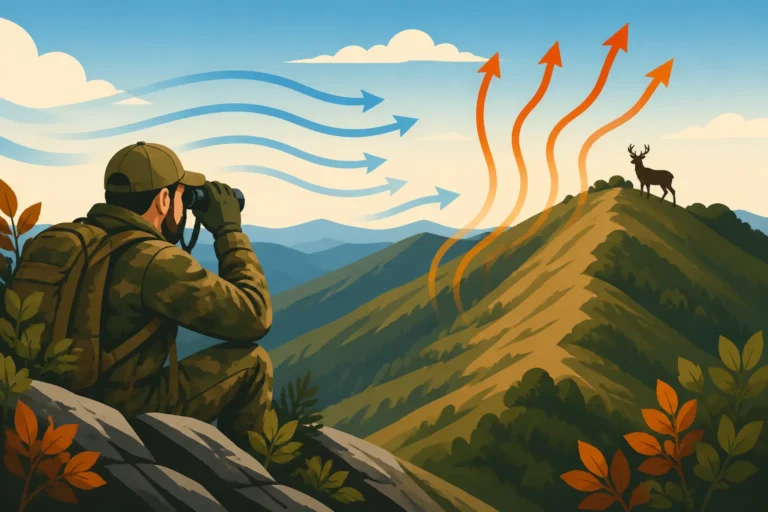
- Wind Direction: The wind plays a huge role in how far hogs can smell your bait. Always consider prevailing wind patterns when choosing and baiting your trap site. You want the scent to drift into areas where hogs are likely to be traveling.
- Rain and Humidity: Heavy rains can wash away powdered attractants and dilute the scent of your bait. High humidity can sometimes help carry scent further, but also means bait can spoil faster. Protect your bait from direct downpours where possible.
- Natural Food Abundance: As mentioned earlier, if there's a bumper crop of acorns or other natural food sources available, hogs will be less interested in your bait. In these times, you might need a much stronger attractant or need to be more patient. Conversely, during lean times, even a simple bait can be incredibly effective. Consider looking into resources on Why Feral Hogs Spread So Fast in Georgia to understand their population dynamics better.
Not Adapting to Hog Response
Hogs are intelligent and learn quickly. If they’re wary of your trap, or if they’re cleaning out the bait but not entering the trap, you need to adapt.
- Shy Hogs: If trail camera footage shows hogs approaching but not entering, try a longer pre-baiting period without the trap, or partially camouflage the trap with natural brush to make it less intimidating. Sometimes, leaving the trap gate open and tied for a few days while they feed inside can build their confidence before you actually set it.
- Bait Preference: If a particular bait isn't working, switch it up. Try a different flavor of commercial attractant or add more sweet elements to your sour corn. Experimentation is key; what one sounder prefers, another might ignore.
- Trap Location: If after a week or two, you're seeing minimal activity, consider moving the trap to a different location altogether. It might be that your initial spot simply isn't a primary travel route or feeding area for the hogs you're targeting.
Here's a quick comparison of popular hog baits:
| Bait Type | Pros | Cons | Best Use Case |
|---|---|---|---|
| Sour Corn | Inexpensive, highly attractive due to strong fermented smell and taste, readily available. | Can be messy to prepare, strong odor, attracts other animals like raccoons. | Year-round, especially effective when natural food is scarce. |
| Sweet Feed | Highly palatable, strong sweet smell, often contains molasses which hogs love. | Can be more expensive than corn, attracts deer and other non-target animals, washes away in rain. | Pre-baiting and inside the trap, particularly in cooler months. |
| Commercial Attractants | Formulated for maximum appeal, concentrated scents, easy to use. | Can be expensive, effectiveness varies by brand and hog preference, may not be locally available. | To boost existing bait, for initial attraction, or targeting wary hogs. |
| Stale Pastries/Fruit | Very attractive due to sweetness and strong aroma, often free from local bakeries. | Can spoil quickly, less consistent supply, may attract ants and other insects. | Short-term, high-impact baiting, adding variety to routine. |
Disclaimer
Hunting and trapping regulations for feral hogs in Georgia can change. Always consult the Georgia Department of Natural Resources (DNR) Wildlife Resources Division for the most current rules and regulations before engaging in any hunting or trapping activities. This information is for educational purposes only and should not be considered legal advice.