Georgia Deer Camp Traditions
Hunting in Georgia can sometimes feel like a solitary pursuit, especially if you're constantly chasing public land bucks or managing small private tracts on your own. But beneath the surface of individual hunts lies a rich tapestry of communal experiences that define a huge part of our outdoor heritage: the Georgia deer camp. This guide delves deep into these cherished traditions, exploring how they foster camaraderie, pass down vital knowledge, and keep the spirit of the hunt alive for generations.
The Enduring Spirit of Georgia Deer Camp
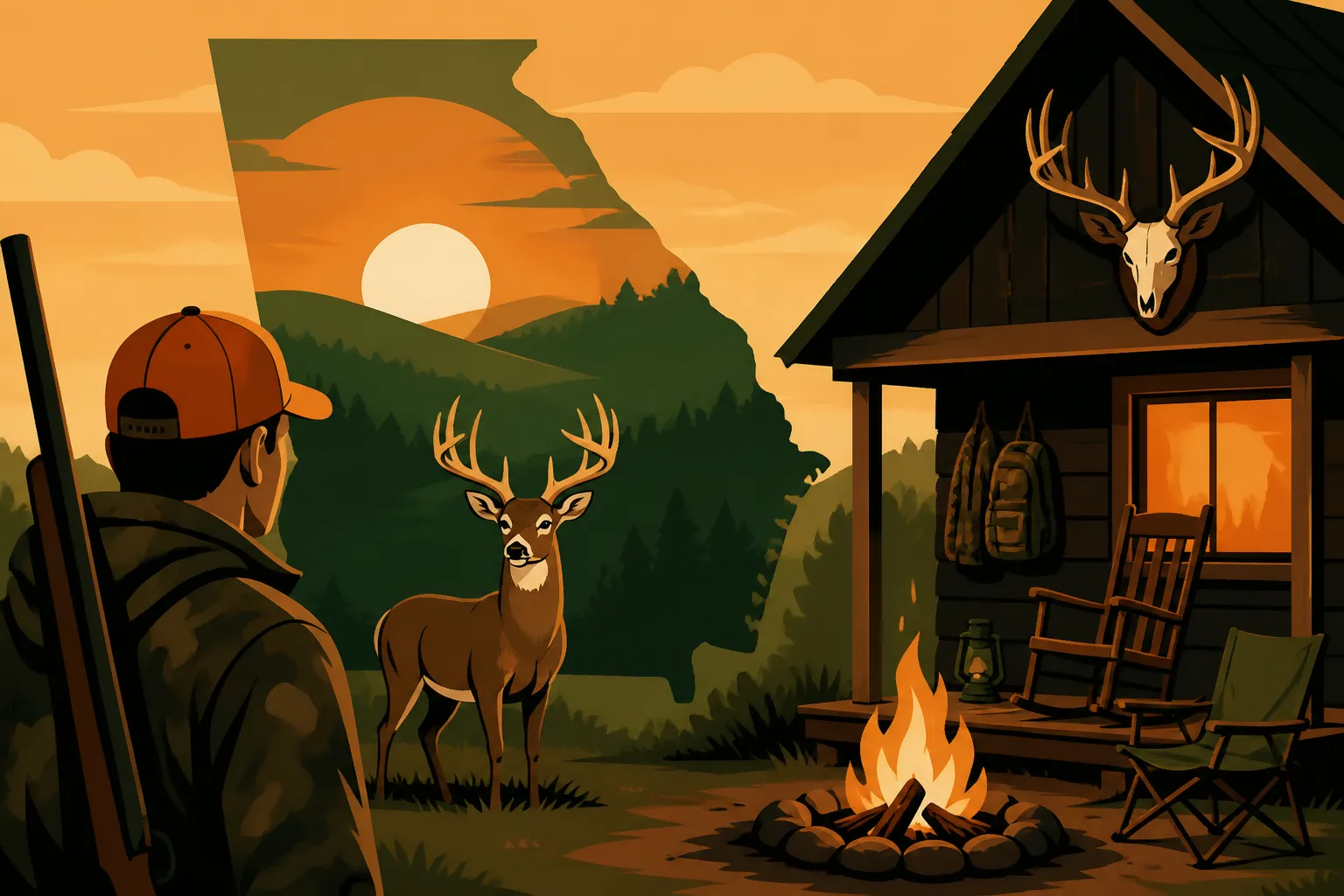
There’s something uniquely special about Georgia deer camp. It’s not just a place where you hang your hat after a long day in the woods; it’s a living, breathing entity, a hub of shared stories, learning, and unforgettable moments. For many, it's the heart of their hunting season, an annual pilgrimage that transcends the simple act of pursuing deer.
More Than Just a Place to Sleep
Think about it: the clatter of pots and pans before dawn, the murmur of hushed conversations over coffee, the scent of woodsmoke mingling with damp earth and pine. A Georgia deer camp is far more than a rustic shelter; it’s a temporary home built on shared passion. It’s where friendships are forged and deepened, where city dwellers reconnect with nature and each other. The daily grind melts away, replaced by the rhythm of the woods and the camaraderie of fellow hunters. You might be focused on bagging a big buck, but the truth is, the connections made around that camp table often outweigh any trophy. It’s an escape from the relentless pace of modern life, a sanctuary where everyone speaks the same language of the outdoors.
It's also a place where hunters, sometimes from different walks of life, come together with a singular purpose. You learn to lean on each other, to trust in the collective wisdom, and to appreciate the unique skills each person brings to the table. From tracking a deer through dense pine straw to offering a hand Butchering a Deer at Camp, these shared tasks cement bonds that last long after the season ends. This communal spirit is what makes deer camp such a powerful force in a hunter's life, an annual reset that grounds us in what truly matters.
Passing Down the Knowledge
One of the most profound aspects of Georgia deer camp is its role as an informal university of the outdoors. This is where seasoned veterans impart wisdom to eager newcomers, a critical part of ensuring our hunting heritage continues. It’s not just about theoretical knowledge; it’s hands-on, practical learning that can only come from experience shared face-to-face.
Imagine a young hunter, fresh from completing their Georgia Hunter Education Requirements, sitting around a campfire, listening intently as an elder explains the subtle art of reading a rub line or the importance of wind direction when setting up a stand. This mentorship is invaluable. It covers everything from knot-tying and proper knife sharpening to understanding deer behavior in different weather conditions. Younger hunters learn the nuances of calling, scouting techniques, and ethical shot placement directly from those who’ve spent decades afield. While modern tools like the Scouting With the Georgia Outdoors App or detailed aerial maps can provide incredible insights, they can't replicate the lived experience and wisdom passed down directly from a mentor in camp.
This tradition of passing down knowledge extends beyond just hunting tactics. It includes lessons on conservation, respect for the land, and the ethical treatment of game. It's about instilling a deep sense of responsibility in the next generation, teaching them not just how to hunt, but how to be good stewards of the wildlife and natural resources we cherish. These lessons, often delivered casually over a plate of camp-cooked venison, stick with hunters for a lifetime, shaping their entire approach to the sport.
Common Rituals and Rites of Passage
Every Georgia deer camp, whether a rustic lean-to or a more permanent cabin, develops its own unique customs. These rituals, big or small, are the threads that weave together the fabric of camp life, creating a sense of belonging and anticipation that grows with each passing season. They mark the rhythm of the hunt, from the first light of dawn to the final stories shared under a star-filled sky.
The Pre-Hunt Prep and Storytelling
The energy in camp before the first light of a hunting day is palpable. This isn't just about grabbing your gear; it's a deliberate ritual of preparation and shared anticipation. Everyone's checking their rifles, making sure broadheads are sharp, and double-checking their packs. There’s a quiet excitement, an exchange of whispered strategies, and perhaps a friendly jab about who will bring home the biggest buck. Maps get pulled out, often well-worn and annotated, as hunters discuss ideal entry routes for Hunting Piedmont Farmland Deer or debate where the deer might be moving along a specific creek bottom.
But alongside the practical preparations, there’s always the storytelling. These are the tall tales of past seasons, the legendary bucks that got away, the crazy encounters, and the epic tracking jobs. These stories serve as both entertainment and a form of oral history, binding the camp members to a shared past. Sometimes a weathered hunter will pull out a GoHunt app to show a new feature or an aerial map, only for the conversation to quickly veer off into a story about how "back in my day, we just had topo maps and a compass." These moments, where old-school wisdom meets new technology, are a vital part of the camp experience, blending tradition with modern efficiency.
Camp Cooking and Shared Meals
Ah, the heart of any good deer camp: the food. Forget fancy restaurants; nothing tastes as good as a hearty meal cooked over an open fire or on a well-used propane stove after a long, cold morning in the stand. Camp cooking isn't just about sustenance; it's a central social event, a time for unwinding, sharing observations from the day, and simply enjoying each other's company.
Typical camp meals often lean towards the robust and comforting. Think big pots of chili, Brunswick stew simmering slowly, generous servings of fried venison backstrap, or a massive breakfast spread with bacon, eggs, grits, and biscuits. Everyone usually has a specialty, and often, the duties are rotated or assigned. One person might be the designated breakfast cook, while another takes pride in their Dutch oven creations. These shared meals are where the day's events are rehashed, where new hunters learn about the challenges of Hunting Pressure on Georgia Public Land, and where plans for tomorrow are solidified. There's a true communal effort, from the cooks to those washing the dishes.
Here’s a look at some common camp roles and typical meal contributions:
| Camp Role | Typical Responsibilities | Common Meal Contributions |
|---|---|---|
| Camp Cook | Planning meals, preparing dinner, managing kitchen | Brunswick Stew, Chili, Venison Roast, Large Breakfasts |
| Grill Master | Overseeing outdoor cooking, grilling meats | Grilled Steaks, Venison Burgers, Hot Dogs |
| Fire Tender | Maintaining campfire, providing warmth/cooking fire | S'mores, Foil Packet Dinners, Coffee over fire |
| Scout/Tracker | Pre-season scouting, game recovery support | Snacks for the woods, contributing to planning |
| Gear Manager | Organizing shared gear, first aid, repairs | Bringing extra lanterns, tools, safety equipment |
| Storyteller | Entertaining with tales, keeping spirits high | Moral support, humor, camp-wide "dessert" |
The Post-Hunt Debrief and Celebration
Whether you’re Tracking a Deer Through Georgia Pine Straw at dusk or hauling a big buck out of a swamp, the post-hunt debrief is a cherished tradition. It begins with the initial phone calls or radio chatter, the excited shouts of success, or the quiet reports of a missed opportunity. Back at camp, the real debrief begins. Every detail of the hunt is recounted, from the sight of the deer to the shot, the blood trail, and the recovery. These stories are relived with vivid detail, each hunter adding their perspective, offering advice, or simply celebrating the shared experience.
For those who are lucky enough to fill a tag, the celebration often extends to the processing of the animal. Whether it’s a quick field dressing or a full-scale operation to Butchering a Deer at Camp, everyone lends a hand. This shared work reinforces the idea that hunting is a collective effort, from scouting to harvest. It’s a powerful lesson in respect for the animal and the bounty it provides. And for those who didn't get a deer, there's always the camaraderie and the shared hope for tomorrow, or the promise of next season, knowing that the experience of being in camp with good company is a reward in itself.
Modern Deer Camp: Blending Old and New
The world changes, and so does hunting, but the core values of deer camp remain. Today’s Georgia deer camp often represents a fascinating blend of time-honored traditions and modern advancements, proving that you don't have to sacrifice one for the other. It's about finding the right balance that enhances the hunting experience without losing its soul.
Incorporating Technology While Retaining Soul
Gone are the days when a paper map and compass were your only navigational tools. Today, hunters are armed with smartphones featuring detailed mapping apps like GoHunt, capable of showing property lines, satellite imagery, and even topographical contours. These tools are incredibly useful for planning routes, locating potential bedding areas, or even assisting in game recovery after dark. Similarly, trail cameras give us unprecedented insight into deer movement, helping us strategize for different times of the season, like during How Georgia's Deer Season Runs Archery to January.
However, the beauty of deer camp is how these modern conveniences are integrated without overshadowing the traditional skills. While hunters might use a GoHunt map to navigate a new piece of public land, they still value the ability to read sign on the ground, interpret wind thermals, or understand how deer react to Late-Season Food Sources for Georgia Whitetails. The discussions around the campfire might involve reviewing trail cam photos, but they're still filled with anecdotes about past hunts and lessons learned through raw experience. The tech is a tool, not a replacement for woodcraft. It's there to aid, not to dictate, preserving the challenge and the satisfaction of the hunt.
Keeping the Traditions Alive for New Generations
The biggest challenge, and perhaps the greatest reward, in modern deer camp is ensuring these traditions resonate with new generations. In a world saturated with digital distractions, fostering a love for the outdoors and the camaraderie of camp requires a conscious effort. Many camps actively involve youth, teaching them everything from proper gun safety to the simple joy of sharing stories around a fire. Georgia Youth Deer Hunt Rules often create specific opportunities for younger hunters, making them feel like a vital part of the hunting community from an early age.
This means adapting some aspects of camp life to appeal to younger audiences while holding firm to the core values. It might involve a bit more Wi-Fi for evening entertainment, but it also means emphasizing the unplugged moments: the quiet walk to the stand before dawn, the patience required for a long sit, and the satisfaction of processing your own game. It’s about creating an environment where young hunters feel included, valued, and inspired to carry on these traditions, understanding that the memories made at deer camp are far more valuable than anything on a screen.
Establishing Your Own Deer Camp Culture
Whether you're starting a new camp with friends or looking to revitalize an existing one, establishing a strong, positive culture is key to its longevity and enjoyment. It's not about rigid rules, but about shared understanding and mutual respect.
Defining Your Camp's Core Values
Every successful deer camp, whether consciously or not, operates on a set of core values. Taking the time to articulate these can make a huge difference. Is safety paramount? Absolutely. Is ethical hunting a non-negotiable? Always. Beyond that, what else matters? Is it camaraderie above all else? A commitment to teaching new hunters? A focus on conservation and land stewardship? Openly discussing these values with your camp members ensures everyone is on the same page and contributes to a harmonious environment.
For example, a camp might prioritize a specific style of hunting, like Deer Drives With Three or Four Hunters, requiring everyone to understand and commit to the safety protocols involved. Other camps might focus heavily on shared responsibilities, ensuring that everyone pitches in with chores, cooking, and game processing. By having these conversations, you create a framework for behavior and expectations that foster respect and shared purpose. This clarity helps to avoid misunderstandings and ensures that the camp remains a place of enjoyment and positive memories for everyone involved.
Small Gestures, Big Impact
It's often the little things that truly define a deer camp's culture and create lasting memories. It could be an annual "Deer Camp Olympics" with ridiculous competitions, an internal joke that evolves over years, or a special meal that's only prepared once a season. Maybe it’s a ceremonial passing of a tracking stick to the hunter who recovered a tough animal, or a moment of silence for a passed camp member. These traditions, seemingly small, create a powerful sense of belonging and continuity.
Consider establishing small "rites of passage" for new members, like having them cook their first camp meal or recount their funniest hunting blunder. These moments integrate newcomers and make them feel truly a part of the group. Having designated roles, even if informal, for different tasks around camp, from taking out the trash to planning a trip using the GoHunt app to find new hunting spots, reinforces teamwork. Ultimately, these traditions are about creating a unique identity for your camp, fostering a spirit that makes everyone eager to return year after year, reinforcing the bonds that make hunting so much more than just a sport.
Disclaimer
The information provided in this guide is for general informational purposes only and does not constitute legal advice. Hunting regulations, license requirements, and safety guidelines can change. Always consult the most current Georgia Department of Natural Resources (DNR) regulations and local laws before engaging in any hunting activities. Always prioritize safety and ethical hunting practices.