Hunting Deer After a Georgia Cold Front
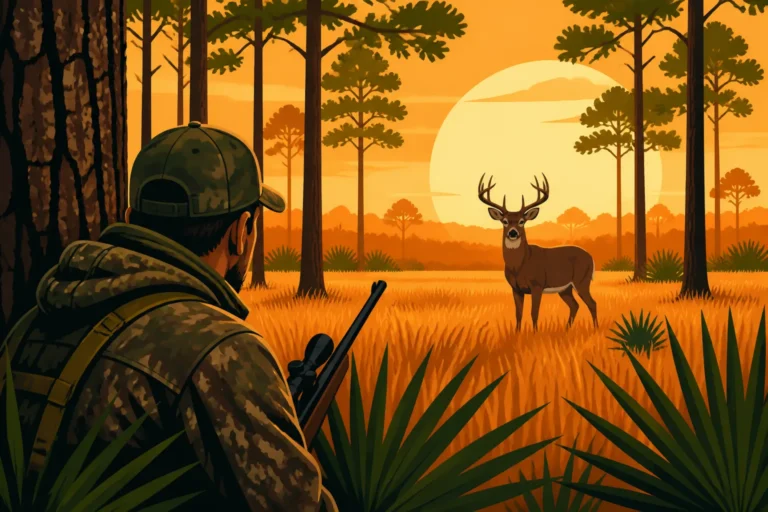
There’s nothing quite like the sudden chill that cuts through the Georgia air after a cold front sweeps through. For many deer hunters, this change can feel like a mixed blessing – a relief from the oppressive humidity, but sometimes a head-scratcher when it comes to deer movement. You’ve probably sat in your stand, shivering a little, wondering why the woods that were alive yesterday are now eerily quiet. This guide is all about helping you decode deer behavior after a cold front and giving you the strategies you need to fill your tag.
Understanding the Post-Front Shift in Deer Behavior
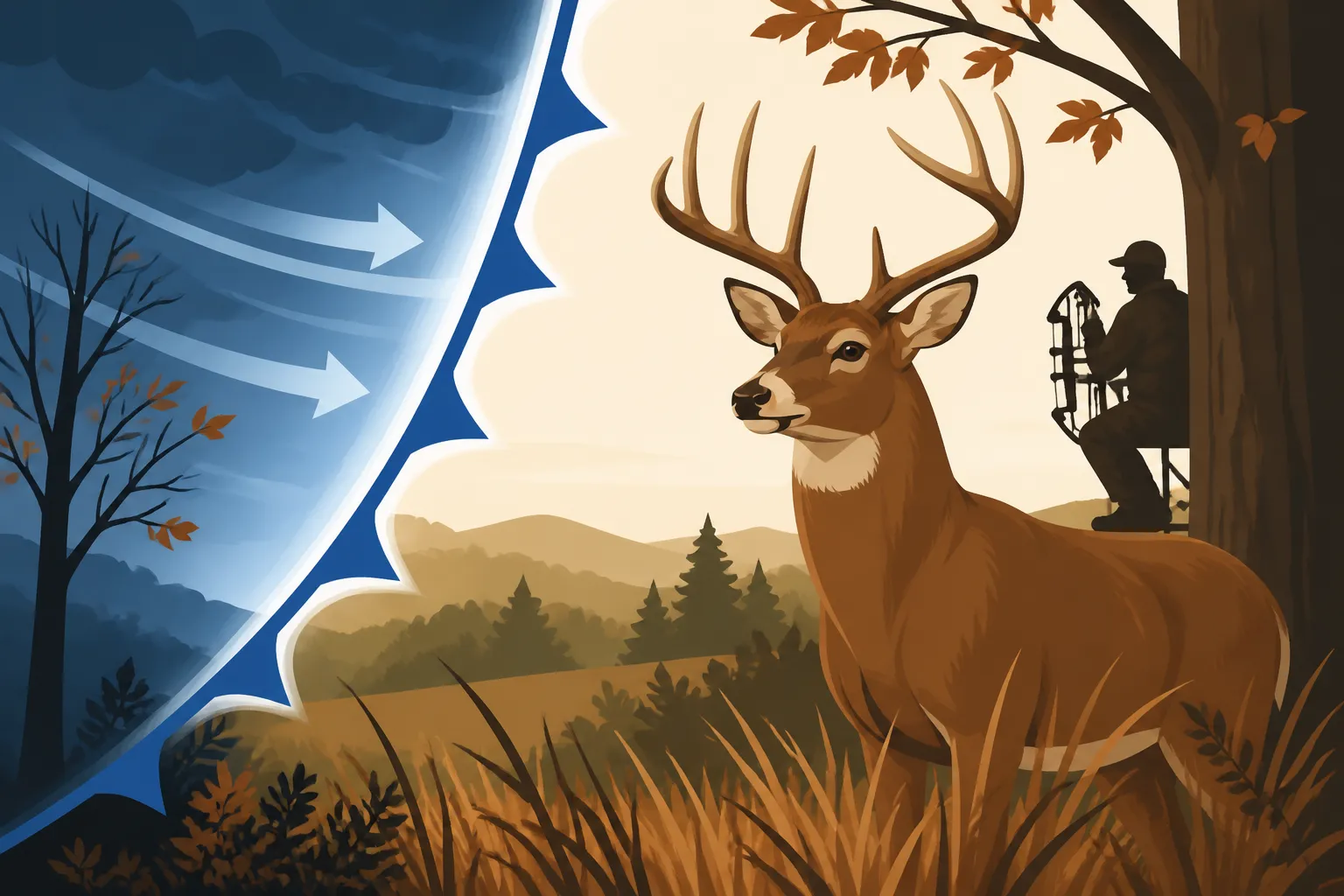
When that crisp, cool air rolls in, it's more than just a pleasant change for us; it's a significant environmental cue for white-tailed deer. Their entire world shifts, and if we want to stay successful, we need to understand how they react. It’s not just about temperature; it’s about atmospheric pressure, wind, and even how the sunlight feels.
The Immediate Impact of Temperature Drops
The most obvious effect of a cold front is the drop in temperature. Often, you'll feel it most acutely in the morning, with temperatures plummeting significantly below the previous day's lows. Deer, being warm-blooded mammals, are constantly trying to maintain their core body temperature. A sudden drop means they burn more calories just to stay warm. This is a critical point: an increased metabolic demand typically translates to an increased need for food.
Think about it: before a truly strong cold front hits, often accompanied by strong winds and rain, deer might actually go into a feeding frenzy, trying to pack in as many calories as possible. Then, right after the front passes, especially once the wind dies down and the sun breaks through, that initial calorie burn kicks in. You'll often see a surge in daytime activity in the 24-48 hours immediately following the front. They aren't just moving to move; they're moving with a purpose, often heading directly to the most energy-rich food sources available. This increased movement is why many seasoned hunters cherish these post-front conditions, as it can often lead to some of the best hunting of the season, provided you're in the right spot.
Changes in Feeding Patterns
With the mercury dropping, deer aren't just looking for any food; they're prioritizing high-energy sustenance. In the earlier parts of Georgia's deer season, this might mean a renewed interest in acorns, especially white oak acorns, which are less tannic and more palatable. As the season progresses into late fall and early winter, persimmons, muscadines, and even certain agricultural crops like peanuts or soybeans become absolute magnets.
If you’re hunting in areas with planted food plots, like many properties in the Georgia Piedmont or Coastal Plain, you’ll find deer hammering those cool-season greens. Winter wheat, clover, and brassicas are all incredibly attractive after a cold front because they offer readily digestible energy. Even natural browse, like honeysuckle or young briar shoots, can see increased attention. This makes scouting crucial. Before the front hits, pay attention to what the deer are already keying in on. Then, after the cold front, focus your efforts on those specific, high-value food sources. Knowing your Late-Season Food Sources for Georgia Whitetails is paramount to predicting where deer will concentrate their feeding activity.
Movement and Bedding Adjustments
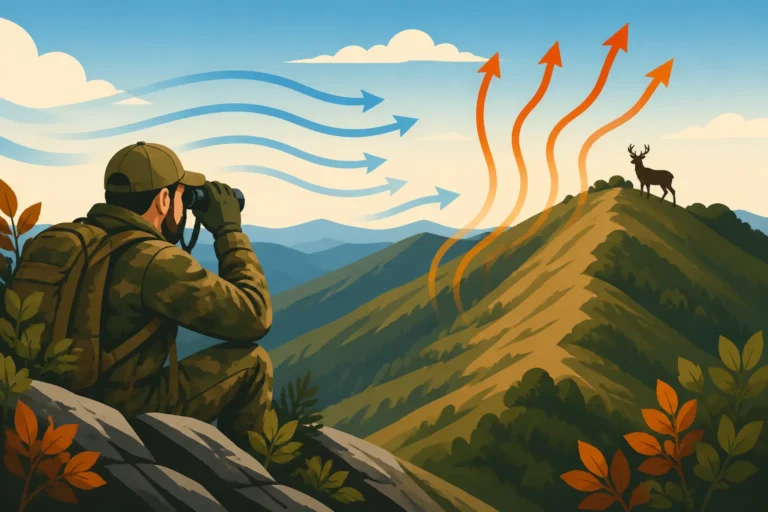
Beyond just feeding more, deer also adjust their movement patterns and bedding locations in response to colder weather. They're looking for thermal cover – places where they can escape the biting wind and soak up whatever meager warmth the sun provides. In North Georgia's mountains, this often means moving to south-facing slopes, especially those covered in dense pines or thick laurel patches. These areas get more direct sunlight throughout the day and offer a break from the prevailing winds that often accompany cold fronts. Hunters scouting the Wind and Thermals on a Mountain Ridge will notice significant differences post-front.
Down in the low country, in Georgia's swamps and river bottoms, deer will often seek out thick cane brakes, dense palmetto patches, or stands of heavy pine cover. These areas provide both thermal insulation and protection from the elements. Furthermore, you might notice deer moving more during daylight hours, particularly closer to midday, as they wait for the sun to warm things up a bit before venturing out to feed. This mid-day activity can be a huge advantage for hunters who are willing to stay on stand or actively still-hunt through prime bedding areas during those often-overlooked hours. Don't be surprised to see deer moving later in the morning or earlier in the afternoon than usual when the temperatures really drop.
Adapting Your Scouting and Stand Placement
The success of hunting after a cold front often hinges on your ability to adapt your scouting and stand placement quickly. What worked before the front might not be the prime spot now. You need to be a deer detective, looking for fresh clues that tell you where the deer are now concentrating their efforts to stay warm and fed.
Fresh Sign After the Front
When cold air settles in, look for very specific fresh sign. New tracks in damp soil or frost-covered ground around food sources are golden indicators. If there’s a fresh layer of frost, you might even see where deer have recently fed, brushing the frost off tender shoots of wheat or clover. While the rut might be winding down in some areas, fresh rubs and scrapes, though less frequent, can still pop up, signaling buck movement. However, the primary focus after a cold front is usually feeding sign.
Head straight to those high-energy food sources mentioned earlier. Are there fresh droppings? Are browse lines more pronounced? Are acorns being aggressively pawed for? You're looking for signs that scream "deer were just here." Don’t just look at the edges of a field; venture into the timber where deer might be hitting natural mast crops or new growth. A reliable tool like GoHunt can help you analyze satellite imagery to pinpoint potential food sources and bedding areas, making your scouting efforts much more efficient. Finding Where to Hang a Camera on a Logging Road can also help confirm these post-front movements.
Key Locations to Target
Once you’ve identified fresh sign, it’s about putting yourself in the right place. After a cold front, target the edges of thermal cover where it meets a food source. Imagine a dense pine thicket bordering a green field. Deer will bed in the warmth of those pines and only have to take a few steps to start feeding. South-facing slopes that get maximum sun exposure are also prime. If you're in an area with clear-cuts or heavy regeneration, look for the sunny side of those thickets.
Travel corridors leading from these thermal bedding areas to persistent food sources are also hotspots. Deer are less likely to meander aimlessly in cold weather; their movement becomes more directed. Look for natural funnels – creek bottoms, narrow strips of timber between fields, or saddles on ridges in hillier terrain – that connect bedding to feeding. For hunters targeting the Hunting Georgia Swamp and River Bottom Deer, identifying these crucial travel routes between islands of high ground and feeding areas becomes even more critical when temperatures drop. Consider hanging a stand or setting up a ground blind along these high-traffic routes to catch deer on their way to or from their cold-weather havens.
Wind and Thermals in Colder Weather
Understanding wind and thermals is always vital, but after a cold front, their behavior can be subtly different. Often, the strong winds associated with the front die down, leaving calmer, colder conditions. In these stiller conditions, thermals become even more pronounced. In the mornings, as the sun warms the earth, thermals will rise, carrying your scent upwards. In the afternoons, as the sun begins to set and the air cools, thermals will typically fall, pulling your scent downwards into valleys or low spots.
This is especially important if you’re trying to still-hunt or approach a bedding area. Always try to approach from downwind or crosswind, paying close attention to these thermal shifts. If you're hunting a ridge line in North Georgia, be aware that the wind can swirl unpredictably, even on calm days, as cold air pockets move. Using a milkweed puffer or a wind checker constantly will give you real-time feedback. When you're considering Hanging a Stand on a Mountain Saddle, remember that these funnels also become complex wind tunnels, so anticipating the deer's movement relative to shifting thermals is paramount.
Effective Hunting Strategies Post-Cold Front
Once you've done your scouting and have a good idea of where deer are concentrating, it's time to put those insights into action. The strategies you employ after a cold front can make all the difference, transforming a quiet sit into an exhilarating encounter.
Timing Your Hunt for Peak Activity
While early morning and late evening are typically considered prime hunting times, a significant cold front can shift things. On those brutally cold mornings, deer might take a little longer to get moving, waiting for the sun to warm things up. This often means the period between 9:00 AM and 1:00 PM can be surprisingly productive. Deer might linger longer at a prime food source, or take their sweet time moving from a thermal bedding area to their afternoon feeding grounds. This is a perfect time for a Cold-Weather Sitting Strategy in a Georgia January, when enduring the chill can pay off with a mid-day buck.
Similarly, the afternoon hunt might start a bit earlier. If deer are focused on packing in calories, they might hit a green field or a patch of acorns well before the last hour of daylight. Being in your stand by mid-afternoon, around 2:00 or 3:00 PM, can put you in a prime position to catch those early movers. Don't be afraid to try an all-day sit if you're comfortable and prepared, especially if you know deer are hitting multiple food sources throughout the day.
Still-Hunting and Driving Tactics
In thicker cover, especially after a cold front, active hunting can be incredibly effective. Still-hunting involves moving through the woods very slowly, pausing frequently to observe your surroundings. This tactic works well when deer are bedded in thickets, trying to conserve energy. By moving slowly and deliberately, you might jump a deer from its bed or catch one moving stealthily through cover. Focus your still-hunting efforts along the edges of bedding areas or through dense sections of timber that lead to food sources. For success, it is important to understand Still-Hunting South Georgia Pine Flats and how deer use these areas for cover and travel.
On larger tracts of private or public land, a small, controlled deer drive can be a great way to push deer out of dense cover and past waiting standers. This works particularly well if you know where deer are likely bedding and where they will naturally try to escape. Three or four hunters can effectively cover a significant chunk of ground, with one or two acting as drivers and the others positioned as standers along escape routes or funnels. This strategy can be especially productive on public lands where deer often seek refuge in overlooked pockets of thick cover. GoHunt’s mapping features can be instrumental in planning such drives, helping you visualize terrain and identify escape corridors.
Scent Control and Cold-Weather Comfort
Scent control remains paramount, perhaps even more so when deer activity increases. Deer in cold weather are keenly attuned to anything out of place. Use scent-eliminating sprays, wash your hunting clothes in scent-free detergent, and store them properly. Remember, cold air can carry scent further and more efficiently than warm, humid air. Don't let a careless mistake ruin your hunt when deer are already on high alert.
Finally, don't underestimate the importance of staying warm and comfortable. Georgia "cold fronts" aren't always extreme, but a damp chill can quickly drain your enthusiasm and focus. Dress in layers that you can add or remove as needed. A good base layer, an insulating mid-layer, and a waterproof/windproof outer shell are essential. Don't forget hand warmers, a warm hat, and insulated boots. There's nothing worse than cutting a promising hunt short because you're too cold to concentrate. Proper gear ensures you can capitalize on those extended daylight movements and remain effective during a Cold-Weather Sitting Strategy in a Georgia January, waiting for that opportunity.
| Deer Behavior Post-Cold Front | Hunter Adjustment Strategy | Key Rationale |
|---|---|---|
| Increased Metabolic Demand | Focus on high-energy food sources | Deer need more calories to stay warm, driving them to active feeding. |
| Heightened Daylight Movement | Extend hunting hours, particularly mid-day | Deer may wait for warmer parts of the day, then move to feed purposefully. |
| Seeking Thermal Cover | Hunt south-facing slopes, dense pines, thick bottoms | Protection from wind and absorption of sunlight are critical for warmth. |
| Directed Movement (Bed to Feed) | Target funnels and travel corridors | Less aimless wandering; deer move efficiently between essential areas. |
| Clearer Scent Carries in Cold Air | Double down on scent control | Cold, dense air allows human scent to travel further and linger. |
When a cold front arrives in Georgia, it's not a signal to pack it in; it's an invitation to a different kind of hunt. By understanding how deer react to the temperature drop, adjusting your scouting to find new hot spots, and adapting your hunting strategies, you can turn a chilly day into a memorable success. So, next time that crisp air moves in, grab your gear, pay attention to the details, and get out there – the deer are likely moving, and they're looking for dinner.
Disclaimer
Hunting is an inherently dangerous activity. Always prioritize safety, follow all local and state regulations, and obtain proper licenses and permits. The information provided here is for educational purposes and should not replace professional guidance or personal judgment. Be aware of your surroundings, practice ethical hunting, and respect wildlife.