Game Carriers for Swamp Terrain
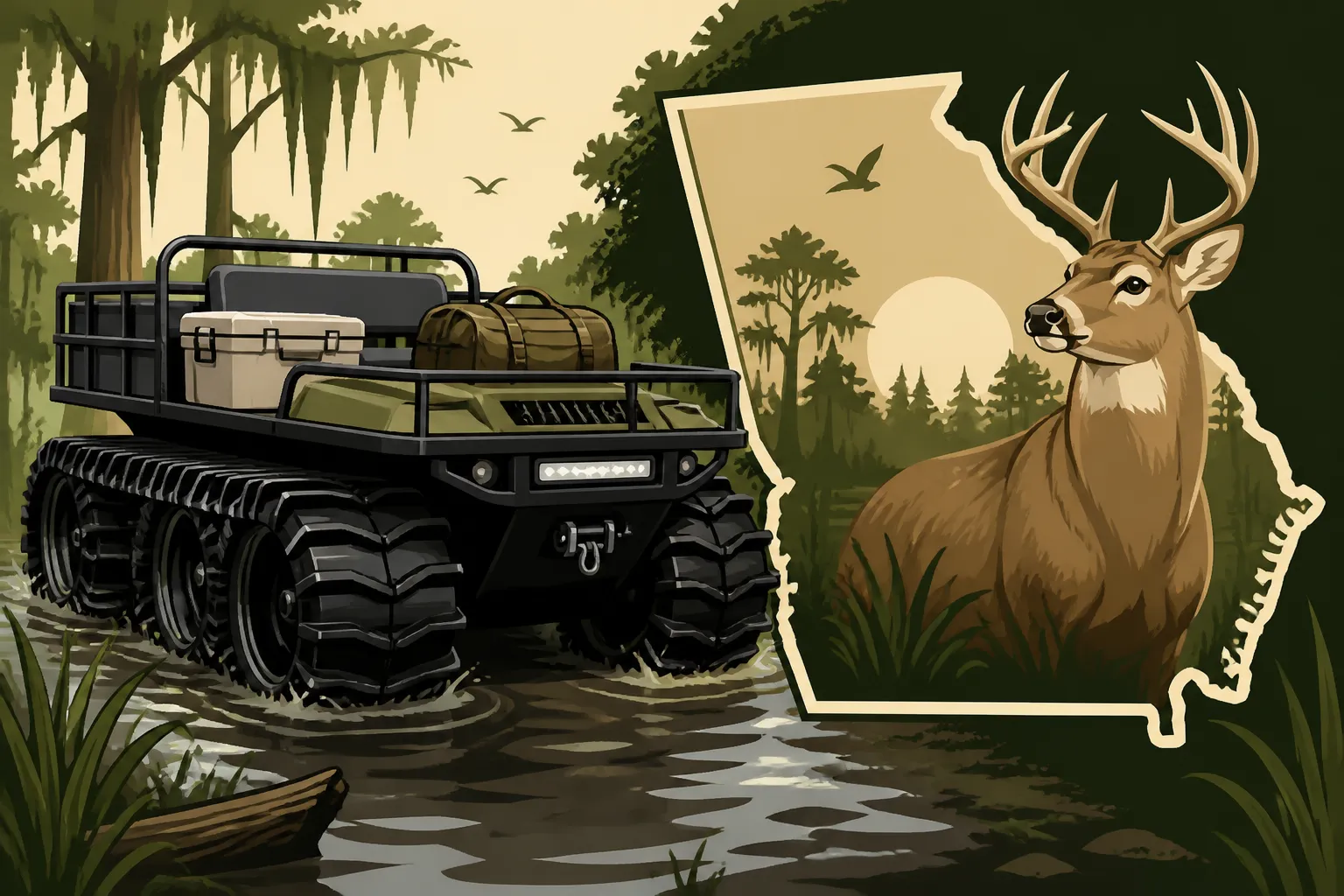
There are few things as frustrating, or as physically demanding, as trying to drag a downed deer out of a Georgia swamp. The mud sucks at your boots with every step, the water seems to find every seam in your waders, and the thick tangles of briars and cypress knees turn what should be a triumphant retrieve into an epic struggle. This guide is here to help you navigate those soggy challenges, offering practical advice and gear considerations for getting your game out of the toughest, wettest environments Georgia has to offer.
The Unique Challenges of Game Retrieval in Georgia Swamps
Hunting the beautiful, yet brutal, swamp and river bottom areas of Georgia offers incredible opportunities, but it also comes with a stern test when it's time to recover your game. It's not like still-hunting South Georgia pine flats where you can often get an ATV close or drag a deer relatively easily over flat ground. Swamp retrieval is a beast of its own, demanding specific strategies and equipment.
Navigating Soft Muck and Water
Imagine stepping into what looks like solid ground, only for your boot to sink calf-deep into black, gooey muck. This is the reality of many Georgia swamps. The water levels can be unpredictable, ranging from ankle-deep puddles to waist-high flows, often changing with recent rainfall. This soft, uneven substrate makes every step an effort, and dragging a heavy animal through it amplifies the difficulty exponentially. A deer that might be a manageable drag across dry woods becomes a monumental task when it's constantly bogged down in mud or floating through water. Trying to maintain your footing while pulling a hundred-plus-pound animal through this kind of terrain is exhausting and can even be dangerous if you're alone. You might find yourself knee-deep in water trying to navigate a slough, which is why appropriate footwear like Rubber Boots for Swamp Walking is crucial, but even that won't make the drag easy.
Dealing with Dense Undergrowth and Obstacles
Beyond the watery challenge, Georgia swamps are often choked with dense vegetation. Think about cypress knees jutting up like sharp sentinels, thick stands of tangled briars that grab at clothing and skin, and fallen logs that disappear under the waterline only to trip you up. Trying to drag a deer over, around, or through these obstacles is a constant battle. The deer's antlers or legs can snag on every branch, forcing you to stop, untangle, and restart, losing precious momentum and energy. This relentless impedance makes a direct line impossible, often forcing you into circuitous routes that add significant distance and time to your retrieve. It's a true test of patience and endurance, especially when you're in an unfamiliar area.
The Impact of Heat and Humidity on Effort
Georgia's climate doesn't do us any favors, particularly during the earlier seasons like Bowhunting Georgia's Early Archery Season. Even into the late fall, warm spells can bring high temperatures and oppressive humidity. When you're slogging through a swamp, hauling a deer, your body is working overtime. The heat quickly leads to dehydration and fatigue, and the humidity prevents sweat from evaporating efficiently, making you feel even hotter. This combination means you'll tire out much faster than in cooler, drier conditions, increasing the risk of muscle cramps or heat exhaustion. Proper hydration and wearing Warm-Weather Clothing for Georgia Hunters become absolutely critical, but even with the best preparation, the sheer physical exertion in a hot, humid swamp is a formidable opponent.
Types of Game Carriers Built for Wet, Difficult Terrain
Given these daunting challenges, a simple drag rope often won't cut it. You need specialized gear to assist you in Dragging a Deer Out of a Swamp effectively and efficiently. The right game carrier can turn an impossible task into merely a very difficult one, which is a significant improvement in these conditions!
Game Sleds and Drags for Mud and Water
Game sleds, often made of tough, slick plastic, are perhaps the most common and versatile solution for swampy terrain. These are essentially durable, shallow tubs or sheets with a tow rope attached. Their primary advantage is that they distribute the deer's weight over a larger surface area, preventing it from sinking into the mud as much as it would if dragged directly. The slick bottom allows the sled to glide over mud, wet leaves, and even through shallow water with much less friction than a deer's hide.
When you're trying to retrieve an animal from a particularly mucky spot or Recovering a Deer From a Cypress Swamp, a good sled can be a lifesaver. Some models are shaped like canoes, which can be fantastic for floating a deer through deeper water sections, effectively turning your retrieve into a shallow-water tow. Others are more like heavy-duty tarps or sheets that roll up compactly for easy transport. They’re relatively inexpensive and surprisingly effective, especially if you anticipate a fair amount of soft ground or shallow water. Just remember, while they reduce friction, you're still providing all the pulling power, so prepare for a workout.
Specialized Carts and Wheels for Swamp Edges
While traditional game carts with two large wheels might struggle in deep, soft mud, some specialized designs can be incredibly useful on the edges of swampy areas or in transitional zones. These aren't your typical deer carts designed for dry logging roads. Look for carts with extra-wide, pneumatic tires that offer more flotation and less chance of sinking. Some models even feature four wheels for increased stability or designs that allow them to be pulled through very shallow water, almost like a pontoon.
These carts excel when you've managed to get your deer out of the absolute worst muck and are now on slightly firmer, though still damp, ground. They can handle uneven terrain better than a sled and significantly reduce the direct pulling effort required, as the wheels bear the weight. However, their limitations become apparent in truly deep mud or dense tangles where wheels simply can't roll. For serious swamp hunting in areas like the Altamaha River bottom, you might use a sled to get the deer to a slightly firmer bank, and then transfer it to a specialized cart for the remaining journey to your vehicle. Brands like GoHunt often highlight gear reviews for these specialized carts, helping hunters find options that might perform better than standard models in challenging conditions.
Frame Packs and Quartering for Deep Swamp Penetration
Sometimes, the swamp is so dense, so wet, or so far from any accessible trail that dragging anything whole is simply out of the question. This is where the strategy of quartering your game and using a robust frame pack comes into play. Quartering involves field dressing your deer and then breaking it down into manageable sections (four quarters, backstraps, tenderloins, neck meat, etc.). This allows you to carry the meat out in pieces, distributing the weight on your back rather than dragging it.
A high-quality external frame pack is essential for this method. These packs are designed to carry heavy, awkward loads and keep the weight distributed efficiently on your hips and shoulders, which is vital when you're trying to maintain balance in a treacherous environment. You can place the bagged quarters directly onto the frame, securing them tightly. While it's a more involved process at the kill site – requiring careful Field Dressing a Deer in Warm Weather and butchering – it might be the only viable option for deep swamp retrieves. It allows for much greater maneuverability through thick brush and over fallen logs, and it means you can tackle truly remote sections of the swamp, perhaps even finding ground others walk past because they're unwilling to perform such a demanding retrieve. The GoHunt platform is an excellent resource for finding reviews and recommendations for durable external frame packs suitable for heavy loads and rugged conditions.
Choosing the Right Carrier for Your Georgia Swamp Hunt
Selecting the perfect game carrier for Georgia's diverse swamp environments isn't a one-size-fits-all decision. It really boils down to understanding your specific hunting grounds and how much effort you're willing to put in versus the gear you want to carry.
Assessing Your Hunting Style and Location
Consider where you typically hunt. Are you stalking public land like the Oconee River bottomlands, which might have varied terrain from wet sloughs to slightly higher ground? Or are you focused exclusively on deep, impenetrable cypress swamps near the Okefenokee? If your hunting involves significant distances through truly mucky, watery areas, a game sled or canoe-style drag will likely be your best friend. They can float and glide where wheels would simply dig in. For example, if you're Hunting Georgia Swamp and River Bottom Deer, you might face varied conditions, so a versatile sled is key.
However, if your "swamp" hunting is more about edges, slightly drier creek bottoms, or areas where you can almost always get to a semi-solid path within a reasonable distance, a specialized cart might make sense. These are often easier on your back for longer hauls once you're out of the deepest muck. For truly remote and rugged swamp areas, especially where you anticipate navigating very dense cover or deep water, the quartering method with a frame pack could be the only practical solution. Think about your physical capabilities, too; a younger hunter might stomach dragging a whole deer in a sled, while others might prefer breaking it down. GoHunt offers community forums where hunters discuss tactics and gear for specific regions, which can be invaluable for understanding local conditions.
Durability and Maintenance in Harsh Conditions
Whatever carrier you choose, durability is paramount when dealing with the abrasive, corrosive, and generally harsh environment of a Georgia swamp. Sleds need to be made of thick, high-density polyethylene or similar rugged plastics that can withstand being dragged over sharp stumps, gravel, and fallen branches without tearing or puncturing. Look for robust tow ropes, preferably with comfortable handles that won't dig into your hands when wet.
For carts, solid construction, heavy-duty axles, and puncture-resistant tires are essential. Rust can be a major issue with metal frames, so consider materials like aluminum or treated steel, and ensure all hardware is rust-resistant. After every use, especially in saltwater or brackish environments common in Hunting Coastal Georgia Marsh Waterfowl (even if it's for deer!), a thorough cleaning is non-negotiable. Rinse off all mud, debris, and saltwater, and allow everything to dry completely to prevent rust and mildew. Regular maintenance will ensure your carrier is ready for the next grueling retrieve.
Cost Versus Functionality for Swamp-Specific Needs
Game carriers range widely in price, from simple, inexpensive plastic sleds to high-end external frame packs or specialized, all-terrain carts. Your budget will naturally play a role, but consider the long-term value and how often you'll be using the carrier in truly difficult conditions.
A basic game sled is often the most cost-effective option and provides excellent functionality for many swamp scenarios. They are simple, nearly indestructible, and require minimal maintenance. Specialized carts tend to be more expensive but can save you significant physical effort if your hunting style and terrain allow for their use. High-quality frame packs represent a more significant investment, not just in the pack itself but also in the time and skill required for quartering. However, for maximum versatility and the ability to reach the most remote areas, they are unparalleled. Sometimes, investing a bit more upfront saves you a lot of grief, time, and physical pain down the line. Evaluate your hunting frequency and the severity of the swamp terrain you typically encounter to strike the right balance between cost and functional benefit.
Essential Tips for Successful Game Retrieval in Swampy Areas
Beyond the gear, there are crucial strategies you can employ to make retrieving game from Georgia's swamps less of a nightmare. These involve planning, smart field dressing, and, whenever possible, teamwork.
Prioritizing Field Dressing for Lighter Loads
This is perhaps the single most impactful step you can take to ease a swamp retrieve. As soon as you get to your downed animal, get to work with a good field dressing knife. Removing the entrails immediately significantly reduces the overall weight of the animal, often by 20-30% or more. In a swamp, every pound matters. A lighter deer sinks less, drags easier, and puts less strain on your body.
Beyond just the basic gutting, consider removing any excess moisture from the body cavity, as water can add significant weight if it fills up during the drag. If you plan to quarter the animal and pack it out, then full field dressing and skinning right there are even more critical. This is where having a clear plan before you even pull the trigger comes into play. Know your retrieval strategy for the area you're hunting, and don't hesitate to spend the extra time at the kill site to make the journey out easier. For instance, if you're Hunting a Funnel Between Two Swamps far from a road, quartering might be your best bet, making efficient field dressing a priority.
Teamwork and Strategic Planning
Hunting in a swamp, especially when a retrieve is likely, is often best done with a partner or a small group. Even a small deer can become an unmanageable load for one person in deep mud and water. Having another set of hands (or two) to pull a sled, lift an animal over an obstacle, or simply switch off on the drag rope can make a world of difference.
Before you head into a known swampy area, discuss your retrieval plan with your hunting partners. Scout potential drag routes on satellite maps (like those available through the GoHunt app), looking for any slightly higher ground, old logging paths, or less dense sections. Identify possible choke points or areas where you might need extra effort. Consider the wind and thermals, and plan your approach so that you're not dragging a deer against an uphill slope or through the densest part of the swamp if it can be avoided. A well-placed tree stand near a slough might be great for a shot, but is there a practical way to get the deer out afterward? Thinking ahead about Packs for a Day on Public Land and what each person can carry in terms of retrieval gear (like a compact sled or game bags) is also smart.
Safety Considerations in Remote Wet Environments
Finally, never underestimate the safety aspects of hunting and retrieving in Georgia's remote swamps. The physical exertion, combined with the often-isolated nature of these areas, can present real risks. Always carry a fully charged phone (and a backup power bank), a compass, and a GPS device or app to help you navigate. It's incredibly easy to get disoriented when you're focused on pulling a deer through dense, monotonous terrain. Letting someone know your exact hunting location and expected return time is non-negotiable.
Beyond navigation, be mindful of the wildlife. Alligators are common in many Georgia swamps, and while generally shy, a large, downed animal might attract their attention. Be vigilant, especially if retrieving after dark. Blood Trailing After Dark in Georgia in a swamp adds another layer of complexity and danger. Additionally, snake boots are highly recommended for protection against venomous snakes. Carry a good first-aid kit, and ensure you have plenty of water and some high-energy snacks. The last thing you want is to be exhausted, lost, or injured miles deep in a Georgia swamp with a deer to retrieve.
Disclaimer
This article is for general informational purposes only and does not constitute professional advice. Laws, prices and regulations vary by location and change over time. Consult a qualified professional for guidance on your specific situation.